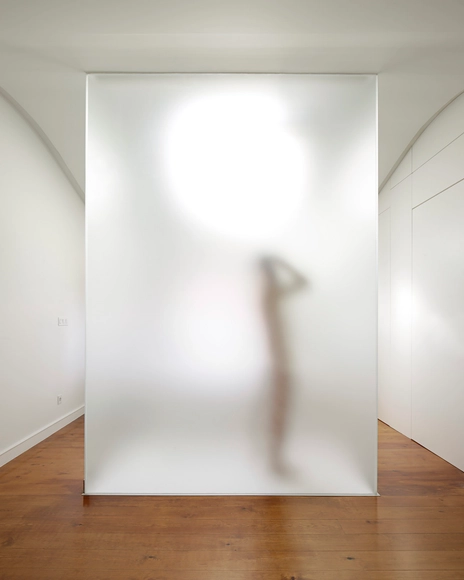
Recent surveys have revealed the average frequency of daily baths in some countries. While in Latin America, led by Brazil, Mexico and Colombia, people take 8 to 12 baths a week, in the vast majority of countries affected, the average is around 6 to 8. Bathing, throughout human history, involves health, religious, spiritual and even social aspects.
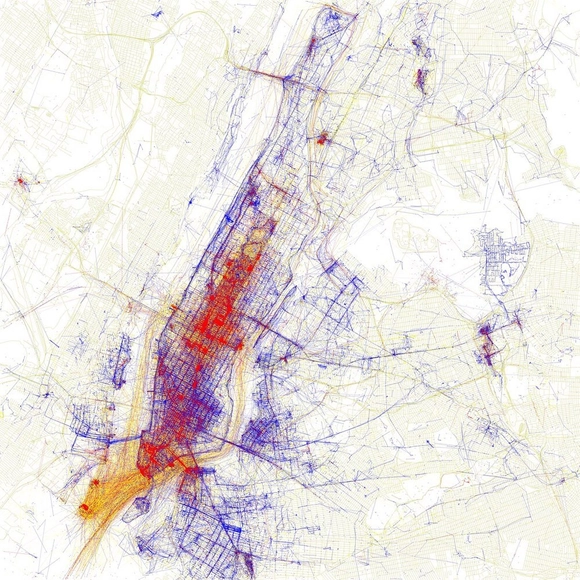
Cartography, or map making, has played a critical role in representing spatial concepts for thousands of years. While the earliest forms of maps displayed geographic information carved into clay tablets and etched onto cave walls, the maps we use today have significantly evolved to creatively show a range of different information. These visualizations draw conclusions about population sizes, historical events, cultural shifts, and weather patterns to help us understand more about our world and how we impact it.
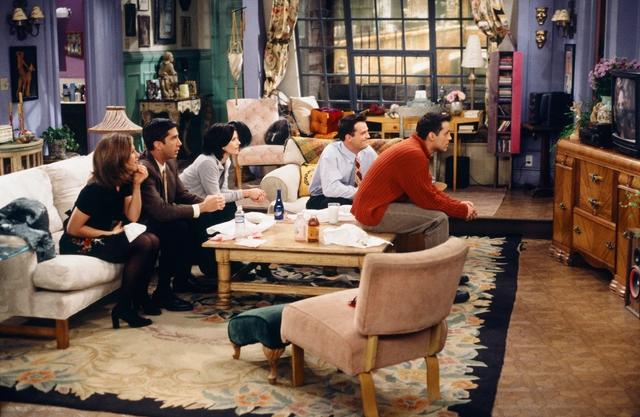
On November 21, we celebrate World Television Day, a communication tool that has transformed social relations since its invention in the late 19th century and its industrial widespread adoption beginning in the 1920s. Since then, television programs—inheriting theatrical genres—emerged, evolved, and multiplied, taking center stage in daily life and sparking widespread curiosity about how they work. Among their various aspects, we explore the set designs and present the logic behind television environments.
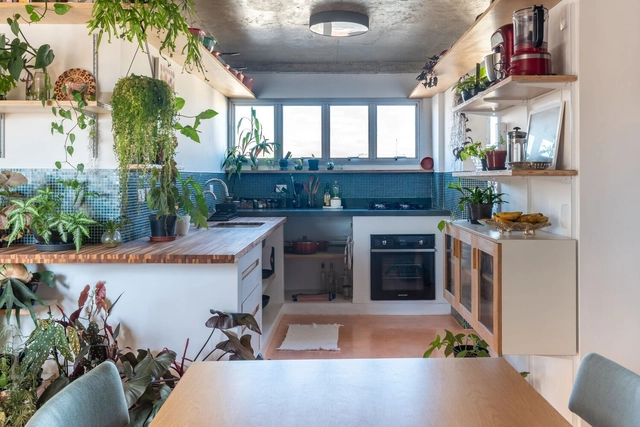
In many cultures, the kitchen has become not only a workspace, but also a meeting place, a social environment where family and friends gather for conversation and meals. Seeking to respond to this transformation from more integrated architectural plans and appliances that also have an aesthetic appeal, as well as practical, the choice of kitchen equipment, such as the stove, is no longer restricted to its technical conditions. Check out how to combine practical, technical and aesthetic aspects when choosing a stove.
“We shape our buildings; thereafter they shape us.” Despite Winston Churchill’s words, architects are shaped by our culture, and our work reacts to it. Because our culture evolves, the practice of architecture evolves. What is “New” in architectural practice has had accelerating change, exploding in the 21st century because new technologies have changed everything on a level of the Industrial Revolution, 200 years ago.
The international architecture festival Open House Madrid returns with a surprise for 2022, offering free access to five “magical” locations to enjoy the city from above, from September 23 to 25.
Despite its dazzling collection of masterpieces, London’s National Gallery has been cursed with a series of ill-advised architectural schemes over its two-century existence. Only once have its leaders made a truly inspired and visionary choice: in the mid-1980s, the gallery held a competition, won by Venturi, Rauch and Scott Brown (VRSB) of Philadelphia, to build a special collections building.
The addition was constructed from 1988 to 1991, using funds donated by the Sainsbury family as a gift to the nation and was immediately hailed as one of the finest buildings of its type erected in the 20th century. It has remained popular with Londoners and has served well as an expansion of William Wilkins’s undistinguished classical building ever since. Experts on the work of Robert Venturi, John Rauch, and Denise Scott Brown consider it one of their masterpieces. Apparently, the National Gallery has a different opinion.
https://www.archdaily.com/985449/in-london-a-venturi-scott-brown-masterpiece-is-threatenedMark Alan Hewitt
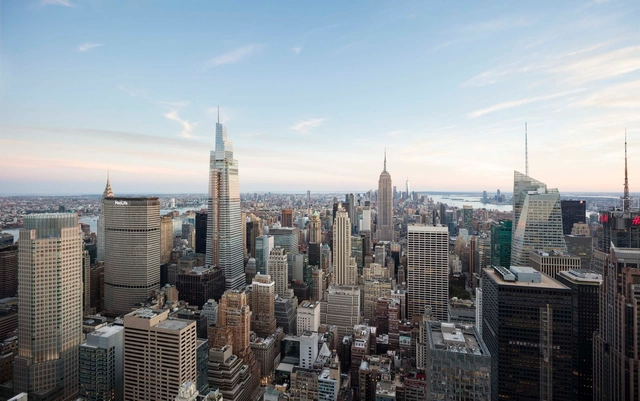
As the largest city in the United States, New York City is one of the most diverse and vibrant cities in the world, recognized by many as the center for global media, culture, fashion art, and finance. The city was founded in 1624 by settlers from the Dutch Republic and has since grown into “the city that never sleeps”.
While almost every style of architecture exists in New York City, the metropolis is most well known for its skyscrapers, both in historical styles such as Neoclassical and Art Deco and in their varied contemporary expressions. The first building to bring the world's tallest title to New York was the New York World Building, in 1890. Later, New York City was home to the world's tallest building for 75 continuous years, starting with the Park Row Building in 1899.
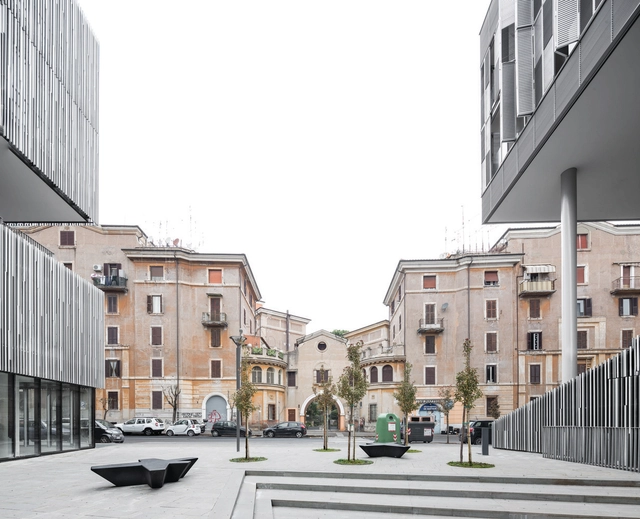
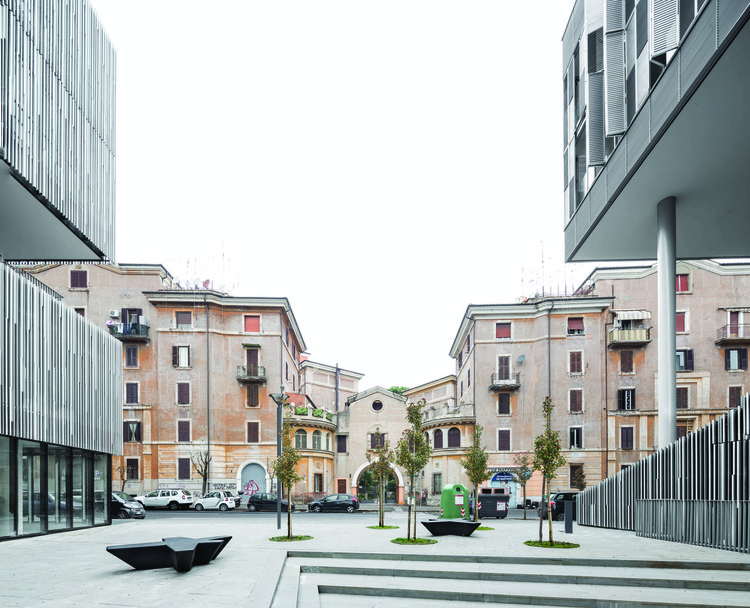
Spanning over 3 millennia with one of the highest concentrations of architecture in the world, Rome is a transcendental influence on the world's culture. A city rich in history, academia, and arts, the Italian capital is considered as one of the oldest continuously-occupied cities in Europe, and has maintained its countless layers of history to become a perfect depiction of old meets new, earning its nickname of "The Eternal City".
Rome's historic center, which stretches from Piazza del Popolo to Piazza Venezia and from the the east bank of the Tiber up to Piazza di Spagna, is listed as a UNESCO World Heritage Site. Along with its historical significance, the presence of renowned contemporary architects and designers in the city has made Rome an influential design destination. In 2019, it was the 14th most visited city in the world, welcoming over 8.6 million tourists to make it the third most visited in the European Union, and the most popular tourist destination in Italy.
The discovery of fire was one of the great events that changed the social organization of human agglomerations, which gradually passed from nomadic to sedentary lifestyle. Fire, which in that context served to keep people warm and protect the group, was also being explored as a source for cooking food, which not only changed human eating habits, but also made it possible to conserve food, changing the social organization of communities. The preparation and meals were collective acts, which brought people together to feed, warm up and protect themselves. It is from this habit that we inherited the practice of large banquets and the appreciation of food and meal times. Food preparation, on the other hand, was gradually marginalized.
While the Egyptians, Assyrians, Phoenicians, Persians, Greeks and Romans shared the habit of holding large banquets, the preparation gained less and less prestige, losing its collective social dimension until it was physically segregated in a specific room: the kitchen.
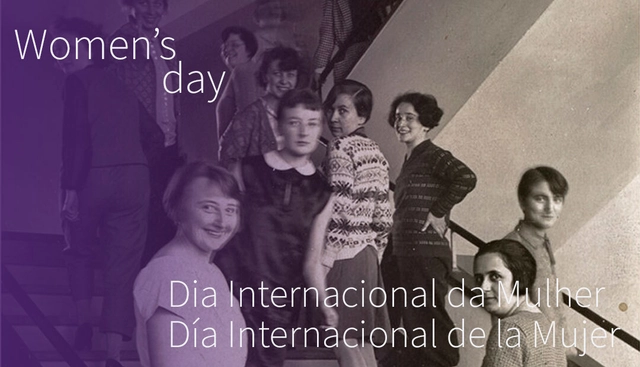
While women make up an equal part of the population, they are not equally represented when imagining, planning, designing, and constructing the built environment around the globe. Thriving to rebalance forces and close the gap of gender inequality, the world is moving slowly but surely into a more diverse, equitable, and inclusive future. Looking back at 2021, this year has seen the selection of Lesley Lokko as curator of the 2023 Venice Biennale, Anne Lacaton winning with her partner Jean-Philippe Vassal the 2021 Pritzker Prize, the 6th woman to ever receive the award, and the MAXXI Museum celebrating the transformative role of female architects in the profession's evolution over the last century.
The 2022 Women's International Day, according to the UN is centered on “Gender equality today for a sustainable tomorrow”, focusing on females involved in building a sustainable future, while the official platform of the 8th of March is concentrating its efforts on breaking the bias and eliminating discrimination. Recognizing every single day the female force that shapes the built environment, ArchDaily on the other hand, turned to its global audience this year, seeking input to shed light on even more women architects, from the four corners of the world. Always trying to reach new realms, this selection of 25 professionals is looking to adjust the historical narrative by highlighting pioneers of the field, to present established practitioners molding the world we live in, and to share profiles of activists and scholars, implicated in change.
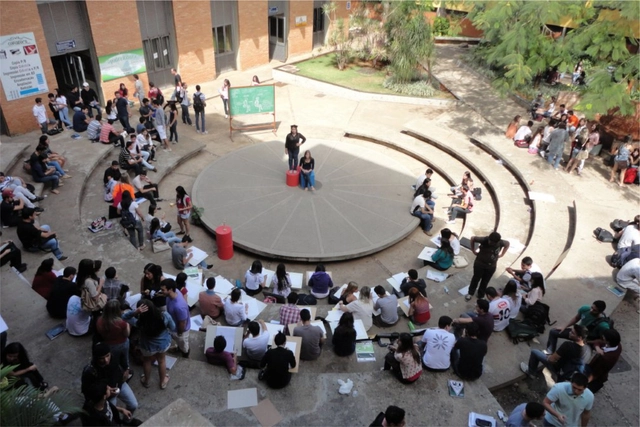
Architecture is one of the oldest professions in the world, with its origins, as we understand them today, dating back to the dawn of humanity. Historically, however, architectural education was initially passed down collectively through oral traditions and practical, hands-on learning from one generation to the next. With the rise of Fine Arts schools and universities, this training became institutionalized and evolved into the academic models we know today.
Videos
‘Precision O-ring’ in EcoSmart hand showers: If the water pressure is high, the size of the opening decreases. If it is low, it expands.. Image Courtesy of Hansgrohe
Water scarcity will directly affect nearly 20% of the human population by 2025, according to several UN reports, and indirectly influence the rest of the planet’s inhabitants as well as economies and the whole ecosystems. Designing effective water management systems is an important process that encompasses the planning, developing, and managing of water resources, in terms of both water quantity and quality, across all water uses. It includes the institutions, infrastructure, incentives, and information systems that support and guide water management.
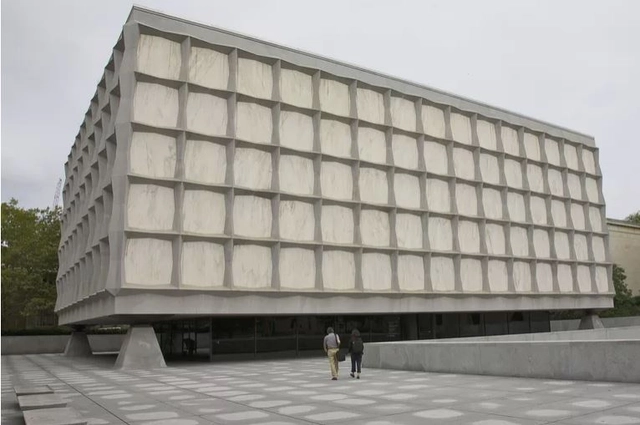
Beinecke Rare Book Library, Yale University, Gordon Bunshaft, 1963.. Image via Barry Winiker / Getty Images
Some years end up being cultural pivot points. 2021 was one such year, with COVID-19 as the first existential threat to our culture since World War II. Architecture will change as a result, and may evolve in public perception to value motivations as a criteria for understanding it, versus valuing outcomes as the validation of any particular aesthetic.
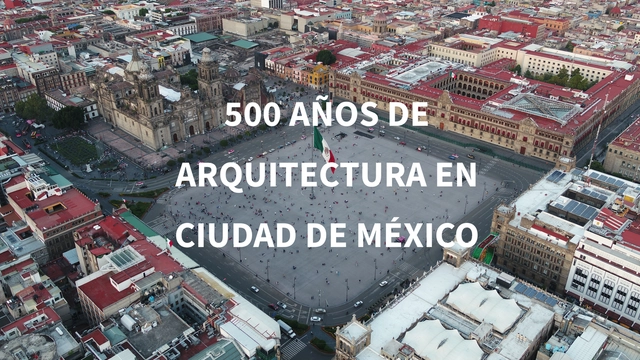
Today, August 13, commemorates two pivotal events in Mexico's history: the approximate founding of Tenochtitlan, capital of the Mexica civilization, around 1325 on an island in Lake Texcoco in the Valley of Mexico; and the fall of this empire in 1521 to the Spanish army led by the conquistador Hernán Cortés.
These are just a few of the many events that shape today's Mexico City, making it nearly impossible to summarize them all. Nonetheless, revisiting some of these milestones helps us understand the very ground we stand on and, above all, reflect on the future of our actions as architecture professionals: from the pre-Hispanic period, colonization, Independence, and the Revolution, to the foreign influences of the Modern Movement and the diverse interpretations that culminate in what we recognize today as contemporary architecture.
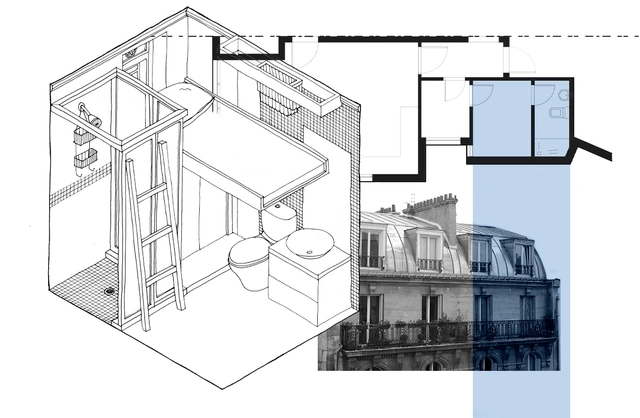
Looking through interior images of houses, we often see grand bedrooms with an influx of natural lighting. We see inviting open-space living rooms, lush terraces, and kitchens with high-end equipment and refined finishes. But what we don't see is that behind these sleek walls are small neglected bedrooms without proper ventilation, natural lighting, or space to move around, dedicated to those who cater to the entire household.
The disparate spatial configuration and "colonial" approach to the living conditions of servants and foreign laborers have existed long before the rise of congested cities and micro-apartments. Household owners, or at least a good sum of them, have always felt that domestic workers needed and deserved less space to reside in, not just in terms of spatial area, but in terms of necessary living conditions for a better, more comfortable life.
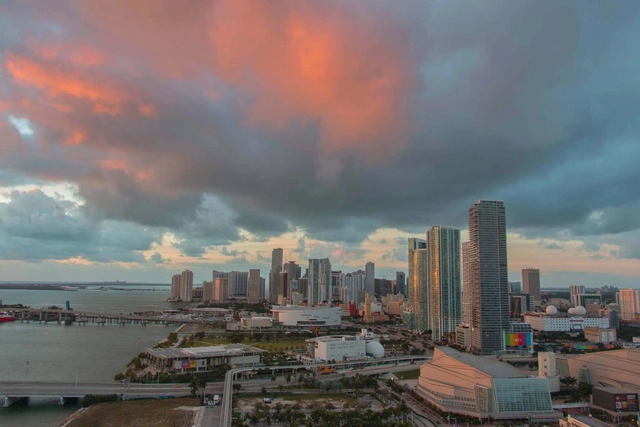
Earlier this month, the city of Miami released a draft version of its comprehensive plan to combat the effects of climate change. The so-called Stormwater Master Plan (SWMP) will be implemented to alleviate the threat of flooding throughout the city, improve the quality of water in Biscayne Bay, and fortify its coastline against stronger and more frequent storm surges over the next 40 years, at an overall cost estimate of $3.8 billion.



























.jpg?1626777875&format=webp&width=230&height=230&crop=true)