.jpg?1605828481&format=webp&width=640&height=580)
.jpg?1605828466&format=webp&width=230&height=230&crop=true)
.jpg?1605828215&format=webp&width=230&height=230&crop=true)
.jpg?1605828231&format=webp&width=230&height=230&crop=true)
.jpg?1605828281&format=webp&width=230&height=230&crop=true)
.jpg?1605828481)
-
Architects: Within-Beyond Studio
- Area: 205 m²
- Year: 2020
-
Manufacturers: Champion Tile, Shunyuan Sunlight Plate, Wanda Hengfa Stainless Steel


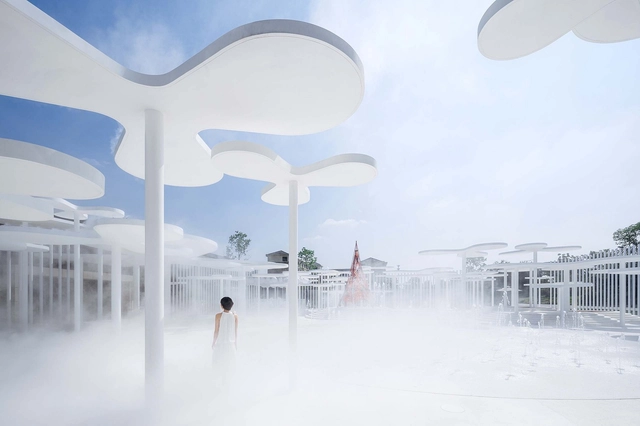
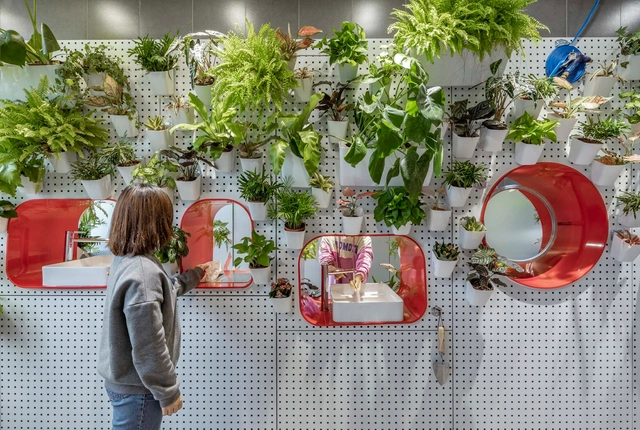
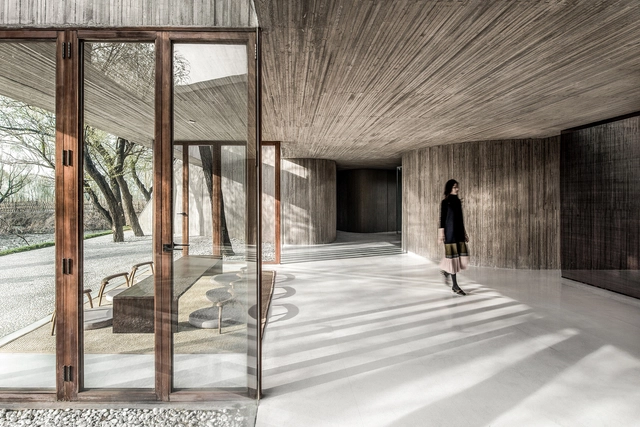
The incorporation of the human figure is one of the most effective tools used in architectural photography: it helps the viewer decipher the scale of work and assess its amplitude. While it successfully communicates a rough idea of the measurements of the elements in the picture, it also helps architecture become more relatable and accessible. People engage better with the built environment when it is populated, mainly because the human sense of society and community is the cornerstone of our civilization. With this in mind, we are showcasing a selection of our favorite photographs where the human figure takes center stage, enhancing our reading of architecture.

_highlite_Images_01.jpg?1603138047&format=webp&width=640&height=580)
Vladimir Belogolovsky speaks with architects Yingfan Zhang and Xiaojun Bu, co-founders of Atelier Alter, about architecture in motion, their faith in tabula rasa, and the widespread rapid urbanization process in China.
.jpg?1601377821&format=webp&width=640&height=580)
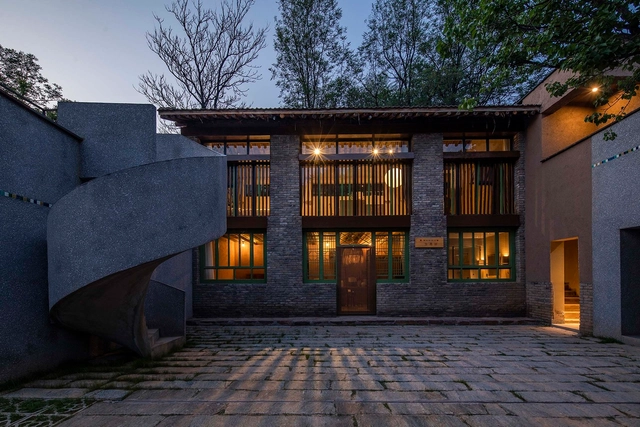
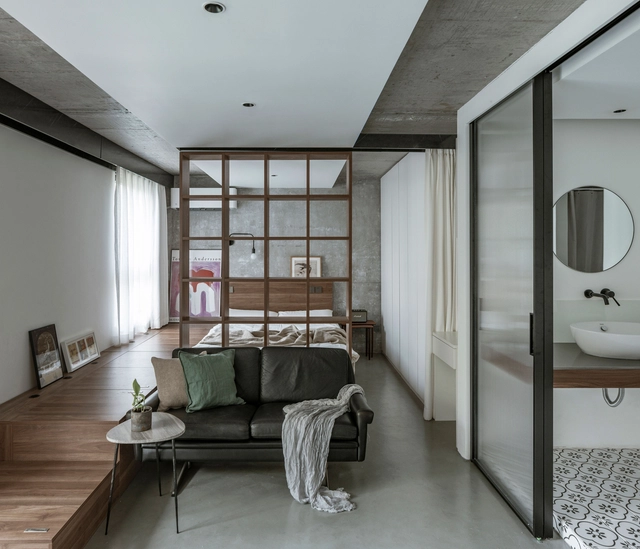
According to the United Nation’s “The World’s Cities in 2018”, it is estimated that, “by 2030, urban areas are projected to house 60 percent of people globally and one in every three people will live in cities with at least half a million inhabitants.” Also, between 2018 and 2030, it is estimated that the number of cities with 500,000 inhabitants or more is expected to grow by 23 percent in Asia. China, as the largest economy in Asia, with a GDP (PPP) of $25.27 trillion, is expanding rapidly, both economically and demographically.
With more and more migrant workers coming into the bigger cities in China, it has become increasingly difficult for workers to find an affordable place to live. Some people decide to move away from urban centers and bear with the lengthy commute time, while others are seeking creative design solutions to transform their home into a tiny, functional space to meet their daily needs.
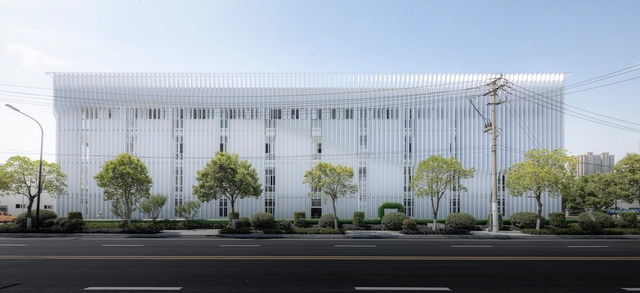
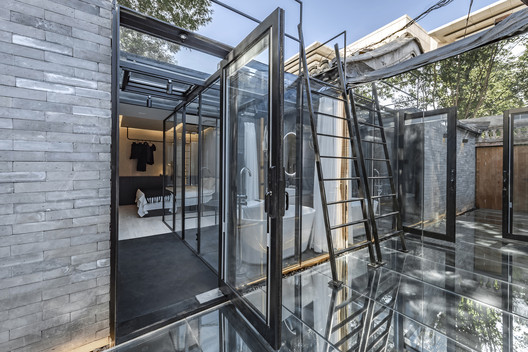

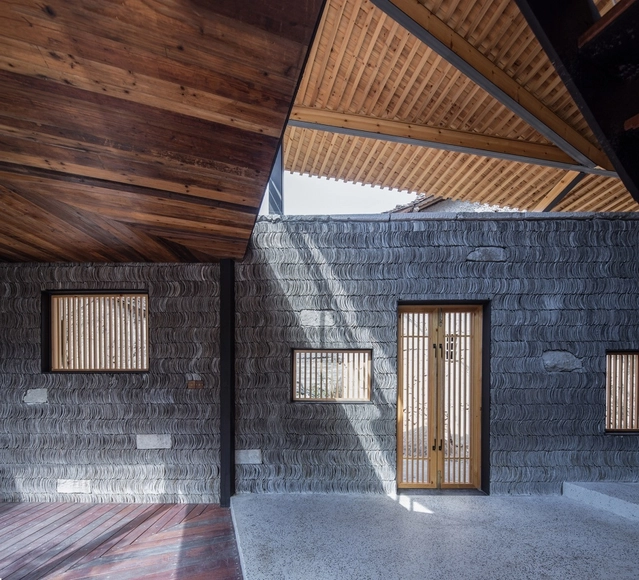
Constrained by a lack of transportation and resources, vernacular architecture has started adapting the distinct strategy of utilizing local materials. By analyzing projects which have successfully incorporated these features into their design, this article gives an overview of how traditional materials, such as tiles, metal, rocks, bamboo, wooden sticks, timber, rammed earth and bricks are being transformed through vernacular architecture in China.
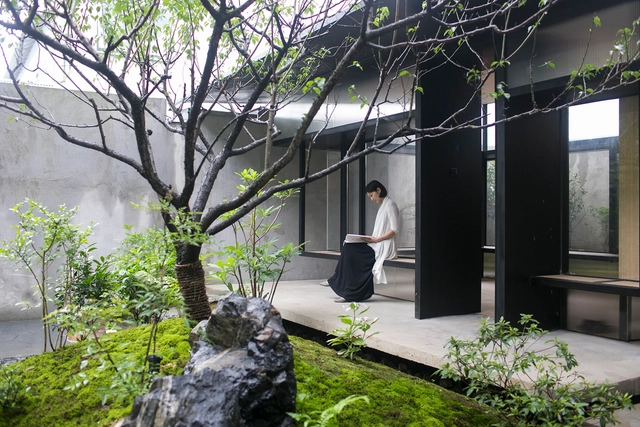
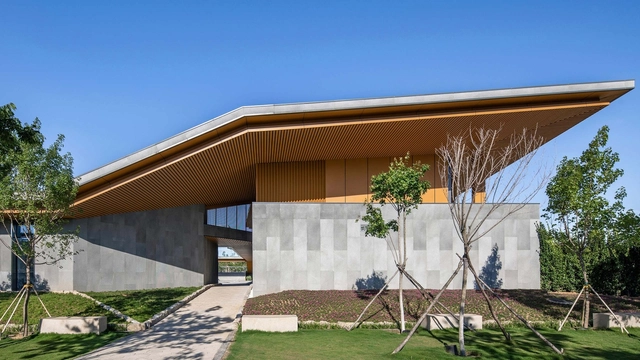
Chinese courtyard houses are one of the most common housing typologies spanning all the way from the northern capital of Beijing to the poetic southern cities Hangzhou and back to the picturesque regions of Yunnan. Typically referred as heyuan, these courtyards homes are simply a “yard enclosed on four sides."
.jpg?1584142131&format=webp&width=640&height=580)


_Weiqi_Jin_01.jpg?1603138177&format=webp&width=230&height=230&crop=true)
_Atelier_Alter_Architects_04.jpg?1603139827&format=webp&width=230&height=230&crop=true)
)Highlite_Images_01.jpg?1603139213&format=webp&width=230&height=230&crop=true)
_highlite_Images_01.jpg?1603138047)


.jpg?1601377805&format=webp&width=230&height=230&crop=true)
.jpg?1601377750&format=webp&width=230&height=230&crop=true)
.jpg?1601377972&format=webp&width=230&height=230&crop=true)
.jpg?1601377831&format=webp&width=230&height=230&crop=true)
.jpg?1601377821)




.jpg?1517237056&format=webp&width=230&height=230&crop=true)


.jpg?1584142300&format=webp&width=230&height=230&crop=true)
.jpg?1584142148&format=webp&width=230&height=230&crop=true)
.jpg?1584142096&format=webp&width=230&height=230&crop=true)
.jpg?1584142263&format=webp&width=230&height=230&crop=true)
.jpg?1584142131)