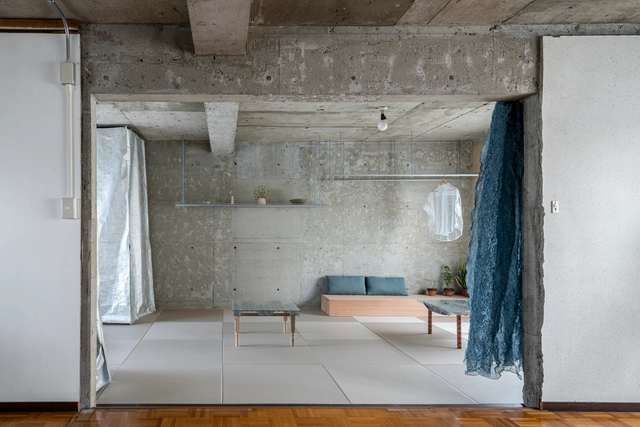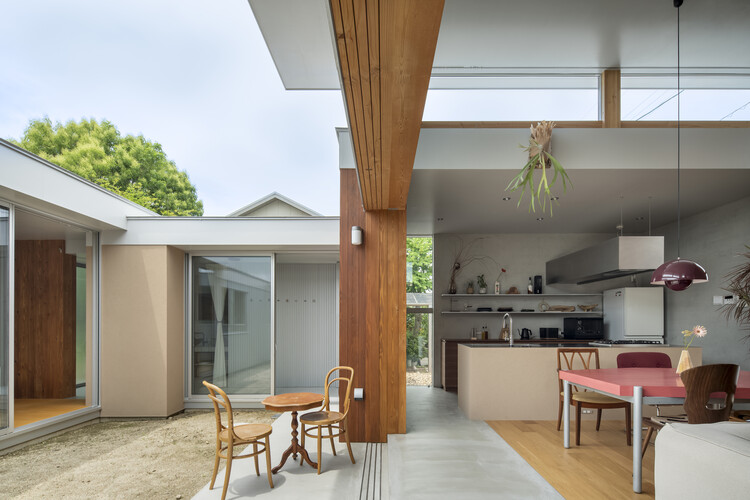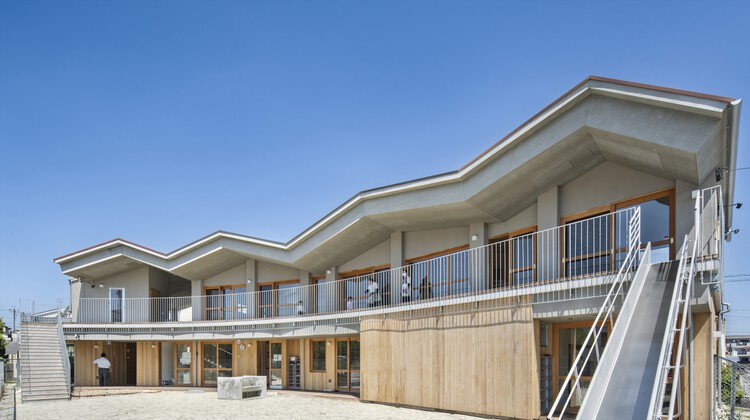
-
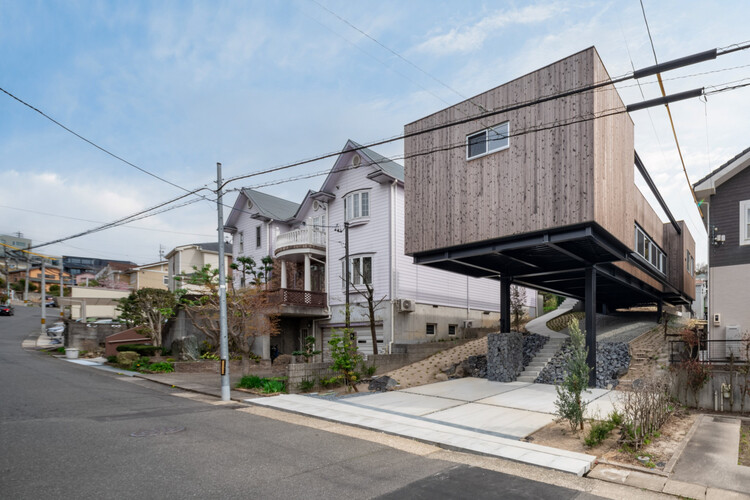
Architects: nanometer architecture
- Area: 103 m²
- Year: 2024

The A' Design Award was established to highlight the best in design worldwide. The international award serves as a platform for designers, architects, and innovators from all design disciplines to present their work to a global audience. The 2024-2025 edition is now accepting entries.
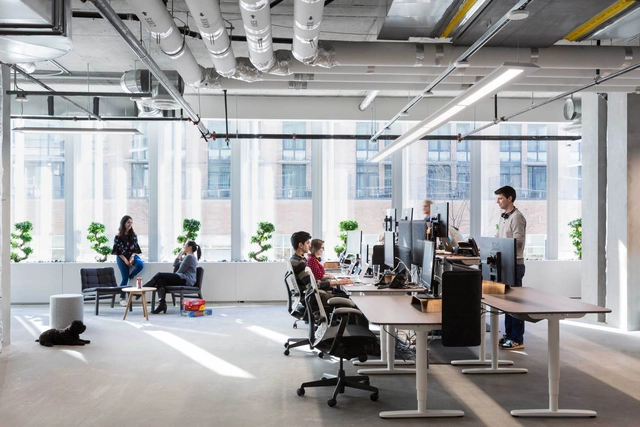
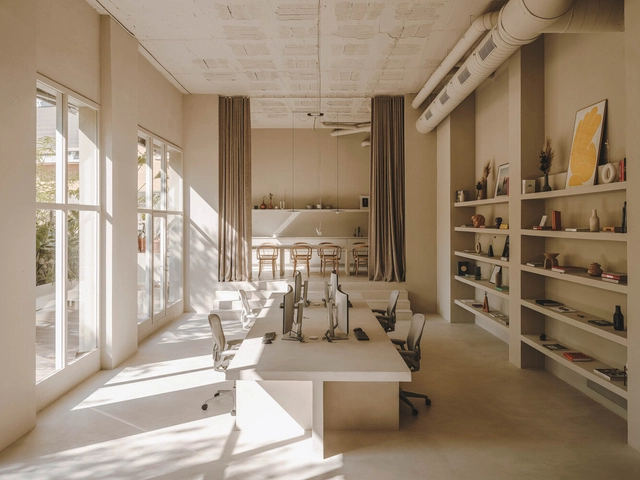
Vibrant colors, ping-pong tables, video games, free food and extravagant decorations. Photographs of the Silicon Valley offices of the early 2000s became the model for ideal, disruptive work environments, meticulously designed to attract and retain new talent in a highly competitive job market. Most importantly, they were the extreme opposite of the famous cubicles of previous decades. Over time, these same companies have invested in creating healthier and more dynamic working environments, giving special consideration to providing contact with nature and better ergonomics for employees. Among the innovations of the past years, the so-called “standing desks” have been gaining popularity, as they offer flexibility and promote a culture of health and well-being. Having the flexibility to work either standing up or sitting down encourages more movement throughout the day and has been proven to improve health and stretching, burn more calories and even increase concentration.
The early stages of practicing architecture are often met with what many explain as "the slippery slope of being an architect", where expectations do not at all meet reality of the profession and gets worse as the experience progresses. With constant burnouts as a result of working overtime and on weekends on the account of “gaining experience”, extraordinary expectations, low wages, and physical and mental strains, the prestige of being an architect has evidently vanished with modern-day work conditions. So how can architects fight for their labor rights after years of exploitation and what is currently being done to ensure them?