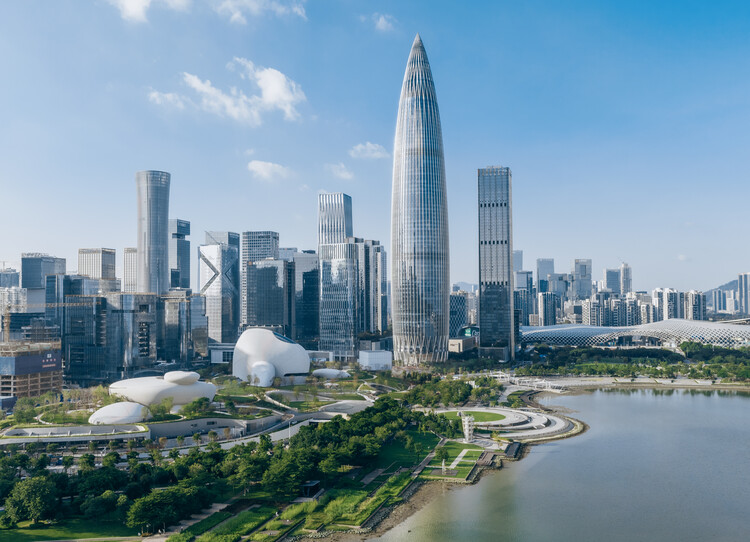
Shenzhen is China's first Special Economic Zone(SEZ), serving as a window for China's Reform and Opening-up and an emerging immigrant city. It has evolved into an influential, modern, and international metropolis, creating the world-renowned "Shenzhen Speed" and earning the reputation of the "City of Design." Architectural design stands as the most intuitive expression of Shenzhen's spirit of integration and innovation. Over the past decade (2015-2025), the development of urban architecture in Shenzhen has closely integrated with its open and inclusive urban character, ecological advantages of being nestled between mountains and the sea, and the local spirit of blending traditional culture with innovative technology, showcasing Shenzhen's unique charm and robust vitality across multiple dimensions.
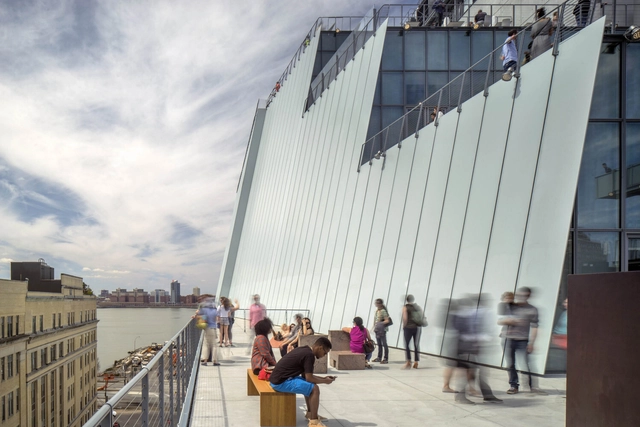
It's no exaggeration to say that Renzo Piano is one of the most unanimously respected architects in the world of architecture. With an oeuvre that blends respect for context, lightness and technology to create environmentally conscious and aesthetically pleasing structures, his approach combines advanced materials with traditional techniques. In projects of various scales, the Genoese architect maintains an essential thread: the implementation of passive architectural strategies, highlighting the importance of these methods for sustainability and energy efficiency. This is often made explicit in his sketches, as an initial concern, and clearly comes through in the finished works. Here are some examples of iconic projects developed by his office in recent decades.
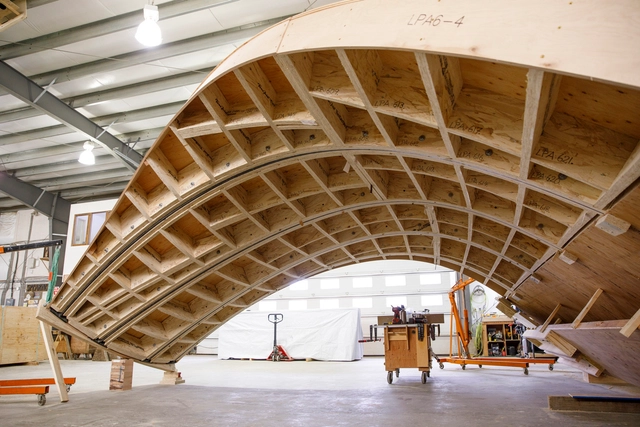
From new delivery methods for adaptive re-use and mass timber structures to digital fabrication, new research aims to provide guidance on emerging construction methods and technologies.. Image Courtesy of Perkins&Will
Innovation comes in many shapes and forms. 2025 is poised to witness continued advancements in the areas of artificial intelligence, sustainability, and biotechnology. These breakthroughs often arise from experimentation in industries like technology and healthcare, where companies have strong research and development teams and significant budgets. This enables them to produce new products and services that address society's evolving needs.
In a world confronting complex challenges, innovation in architecture plays a distinctive role. Unlike industries driven by rapid innovation cycles, architecture must balance creativity with practical solutions that are deeply rooted in human experience. What will it take for the architecture industry to fully harness its potential in shaping the future of our built environment?
Deutsches Architekturmuseum (DAM) has announced the International High-Rise Award 2024/25. Selected from more than 1,000 new high-rises worldwide dating from the past two years, the nominated projects are located in 13 counties from 5 continents. In autumn, the five finalists will be announced, followed by the winner announcement scheduled for November 12, 2024. The main objective of the award is to highlight good practices in the ongoing trend of mixed-use high-rises.
With the increase in the construction of high-rises, special features such as the introduction of greenery in the design, unusual shapes, or the construction of clusters of towers, have become the new normal. DAM’s research this year also shows a growing eco-awareness, as the focus in high-rise construction is increasingly on the use of existing buildings. While the majority of tall buildings continue to be erected in China, followed by the USA, Australia, and Singapore have emerged as new hubs of high-rise architecture.
As we step into the new year, we take a moment to reflect on the lasting impact of celebrated architects, designers, and curators who passed away in 2023. This past year witnessed the departure of influential figures who, through their talent and dedication, left an indelible mark on the built environment. Some embarked on their careers with bold gestures that reshaped architectural paradigms, while others worked quietly, placing a profound focus on the human experience or the invisible figures of out profession.
Architect William (Bill) Hellmuth, the chairman and CEO of HOK, passed away on April 6, 2023, after a long illness. Hellmuth was elected president of HOK in 2005, then CEO in 2016. He accepted the new role on the condition of remaining design principal for HOK’s Washington D.C. studio, as he enjoyed having a hands-on approach and working directly with clients and HOK project teams. One year later he was also named chairman of the firm, helping the office to raise its profile as an innovative and influential company within the design community.
A. Eugene (Gene) Kohn, co-founder of the internationally renowned architecture office Kohn Pedersen Fox Associates, has passed away aged 92, after a year-long fight with cancer. Gene Kohn co-founded Kohn Pedersen Fox Associates (KPF) in 1976, along with partners William Pedersen and Sheldon Fox, helping to shape it into one of the most impactful architectural practices worldwide. He was recognized for his ability to find creative solutions and to build consensus between designers and developers through his understanding of the relationship between architecture and commerce. He also taught at Harvard, Columbia, and his alma mater University of Pennsylvania.
The 24 shortlisted international projects for airports, university campuses, stations, and sports facilities competing for the Prix Versailles 2022 Awards have been announced. The global finalists in the Shops, Shopping Centres, Hotels, and Restaurants category will also be announced shortly.
Machine learning and generative design are profoundly shaping modern life. A central critique to the value and advancement of artificial intelligence, especially in the context of architecture, is the ability for a machine to design, as well as the resulting fear that professional services may be limited. As cities continue to develop, new tools emerge to help envision and create the built environment. How can architects embrace generative design to reimagine models of sustainability, inclusive practice, and new aesthetics?
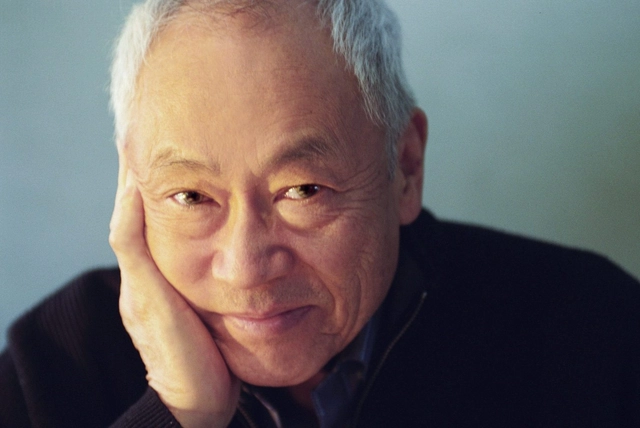
American architect Gyo Obata, FAIA, co-founder of renowned architecture firm HOK, has passed away on March 8 at the age of 99. The news was announced by the office through a statement, honoring the architect's legacy and highlighting his holistic approach which "helped drive HOK’s ongoing expansion into new specialty practices, market sectors and geographic regions".
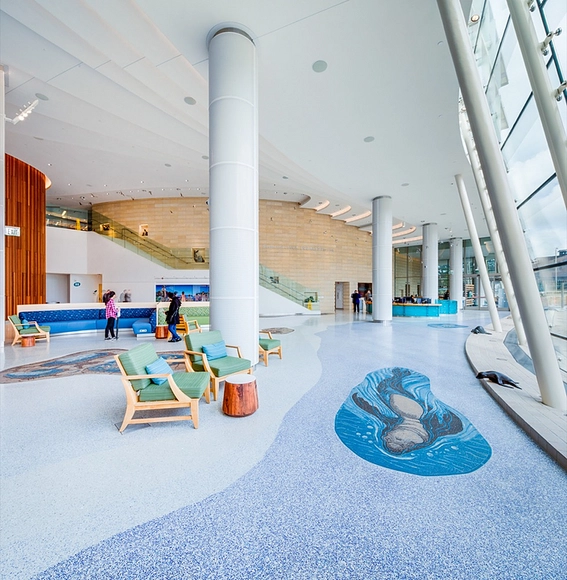
Since its inauguration in the 1960s, every year more than 10 million tourists visit the Hollywood Walk of Fame in hopes of experiencing the glitz and glamour of Los Angeles’ most famous attraction. To this day, its 18 blocks of terrazzo floors remain in a good state, revealing the longevity and durability of a material able to withstand heavy foot traffic over the course of the century.
Globalization and its pension for both virtual and physical connectivity has led to the linking of the world's economies, territories, and cultures and nowhere is this more evident than in the field of architecture.




























TimGriffith.jpg?1611838290&format=webp&width=640&height=580)
TimGriffith.jpg?1611838314&format=webp&width=230&height=230&crop=true)
TimGriffith.jpg?1611838451&format=webp&width=230&height=230&crop=true)
TimGriffith.jpg?1611838894&format=webp&width=230&height=230&crop=true)
TimGriffith.jpg?1611838355&format=webp&width=230&height=230&crop=true)
TimGriffith.jpg?1611838290)