


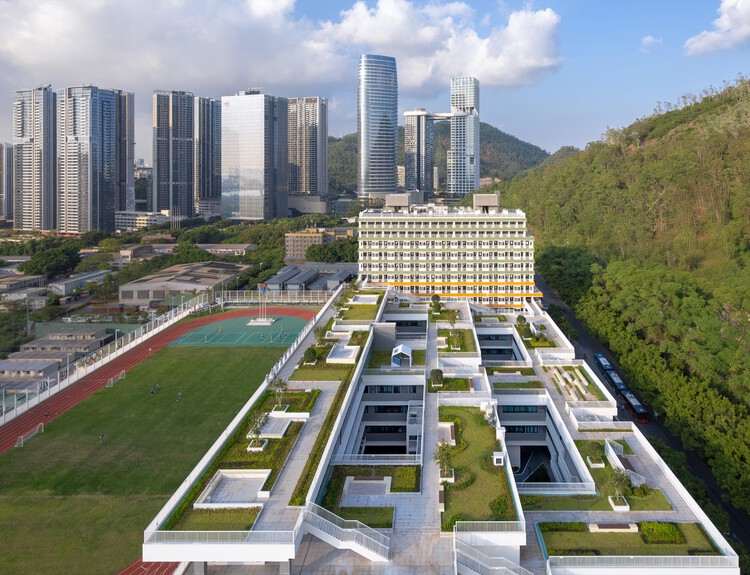
-
Architects: Z&Z STUDIO
- Area: 46447 m²
- Year: 2025


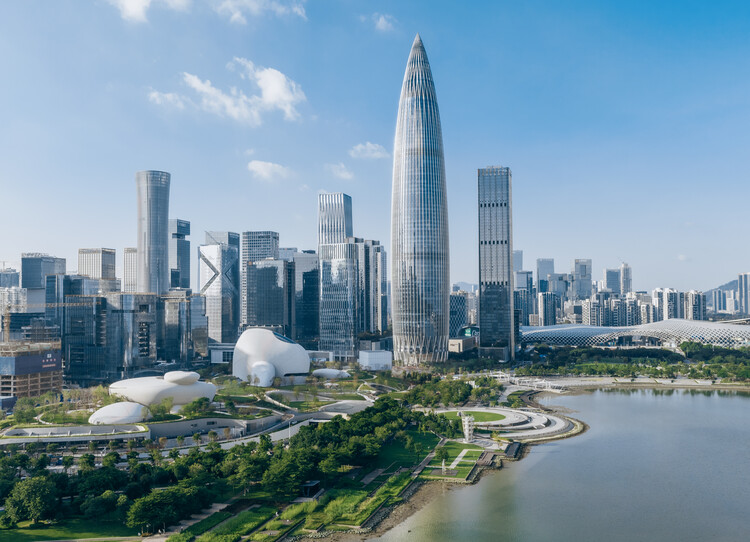
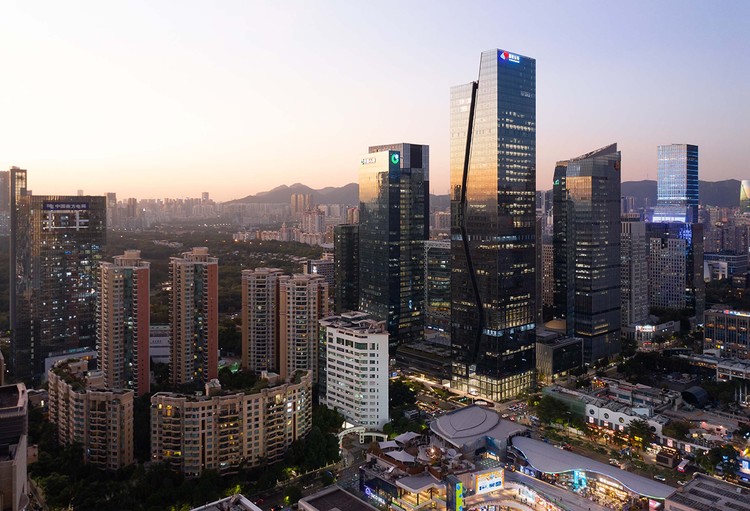
Shenzhen is China's first Special Economic Zone(SEZ), serving as a window for China's Reform and Opening-up and an emerging immigrant city. It has evolved into an influential, modern, and international metropolis, creating the world-renowned "Shenzhen Speed" and earning the reputation of the "City of Design." Architectural design stands as the most intuitive expression of Shenzhen's spirit of integration and innovation. Over the past decade (2015-2025), the development of urban architecture in Shenzhen has closely integrated with its open and inclusive urban character, ecological advantages of being nestled between mountains and the sea, and the local spirit of blending traditional culture with innovative technology, showcasing Shenzhen's unique charm and robust vitality across multiple dimensions.
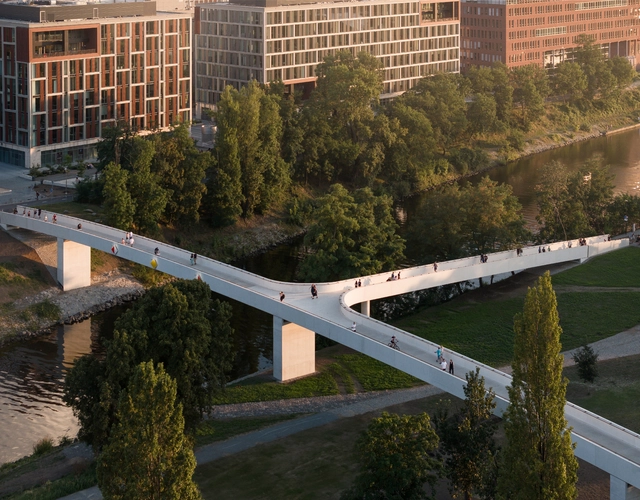
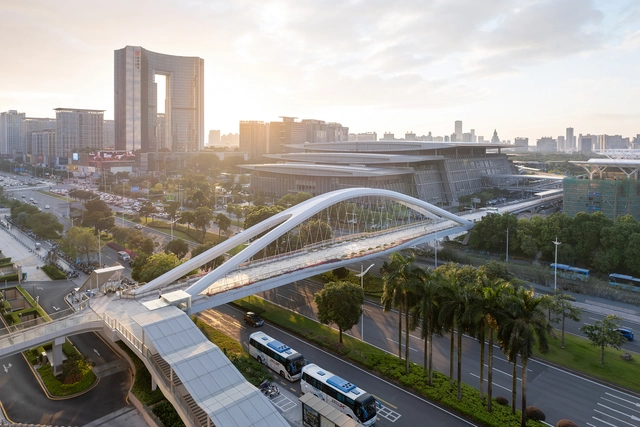
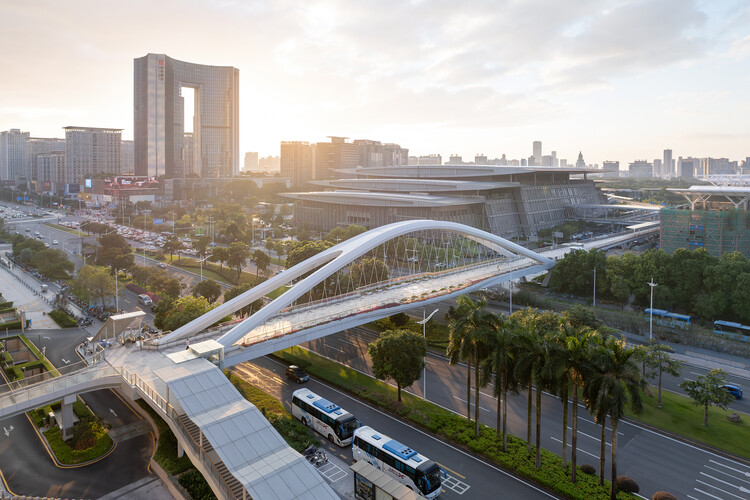
There is growing awareness of the importance of developing pedestrian infrastructure. Bridges and elevated structures enhance the quality of cities by connecting spaces and reducing distances. Their use benefits pedestrians and the thousands of cyclists seeking a more sustainable mode of transportation.
Pedestrian infrastructures, such as bridges, walkways, and widened sidewalks, not only promote sustainable mobility but also contribute to the revitalization of urban areas. Their design can transform underused spaces into active, safe, and accessible places for everyone, enhancing social cohesion and fostering community. By incorporating elements such as greenery, smart lighting, and urban furniture, these structures become more than just thoroughfares: they transform into meeting points and spaces for social interaction.
Evolving urban conditions call for an evolving builtscape, and retrofits have been a key mechanism to allow buildings to adapt and respond to new needs. Amidst global environmental concerns, climate retrofits have become a popular strategy to upgrade buildings based on improved operational efficiency. Global decarbonization plans have even called for city-wide retrofits, such as in the case of London, to meet civic goals. While such upgrades significantly reduce energy consumption, they often come with a hidden cost - embodied carbon in retrofit materials and the potential for future waste.
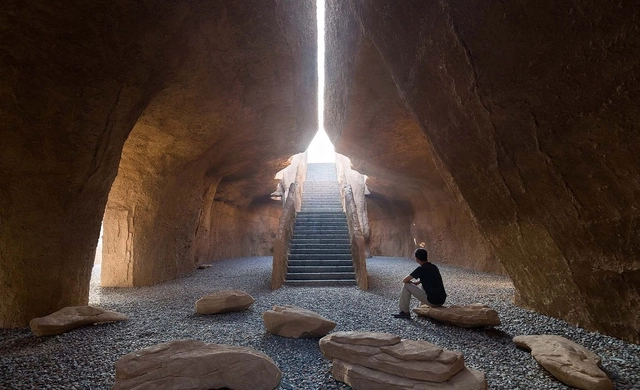
Few countries showcase living history like China. From the iconic Forbidden City to diverse landscapes and building styles, China has a rich cultural and architectural legacy. As the world’s largest construction market, the country continues to invest in new projects. At the same time, this rapid urbanization and accelerated development is juxtaposed with ancient building sites intertwined with layers of history and collective memory.
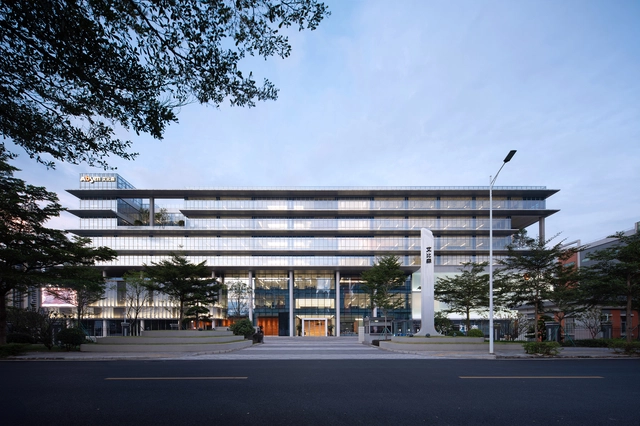
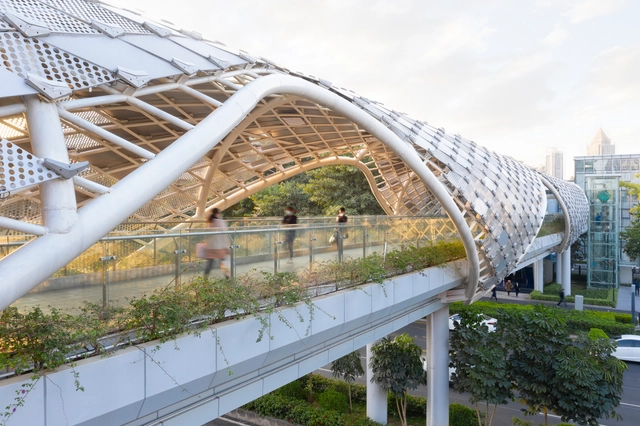
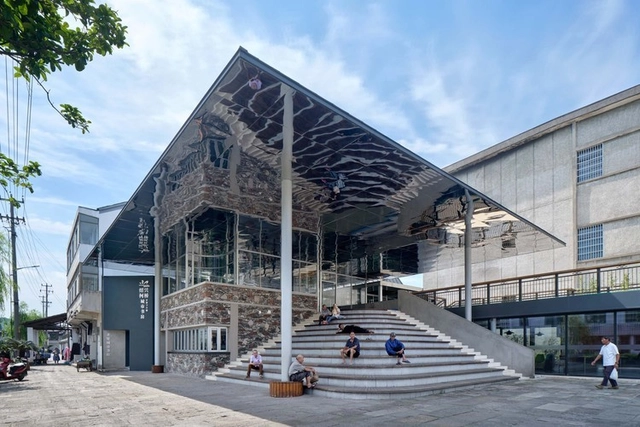
Democracy’s essence is the people's self-government and autonomy based on their own rights, and its characteristics are demonstrated through equality and participation. If democracy means a more equitable way of public life in architecture, then, this way of life is dependent on the homogenization of the building's spatial structure, with open, transparent, and functionally diverse public spaces. It is also possible to argue that the birth, maintenance, and demise of democracy all occurred in public space.
The democratic regime of Athens began in the sixth century B.C. The square became a meeting place, a symbol of architecture's democratic politics. Although people's access to assembly has become more widespread and convenient as technology has advanced, the existence of public space in the city remains critical, representing the spatial demands of citizens' public rights beyond the basic conditions of survival and serving an important spiritual function of expressing democracy. So, how architecture be democratic? How can we realize the public nature of architecture?
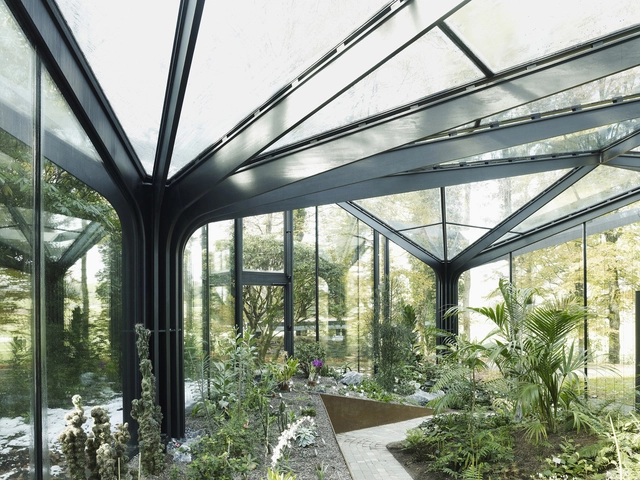
Few structures are as elegant and ingenious as greenhouses. Largely built with simple and straightforward designs, these minimalist shelters create airy and light-filled spaces that shape indoor climate. Dedicated to the cultivation of plants and crops, they are diverse projects combining programs and systems to emphasize sustainability, education and conservation. At their heart, greenhouses are about experience and discovery.
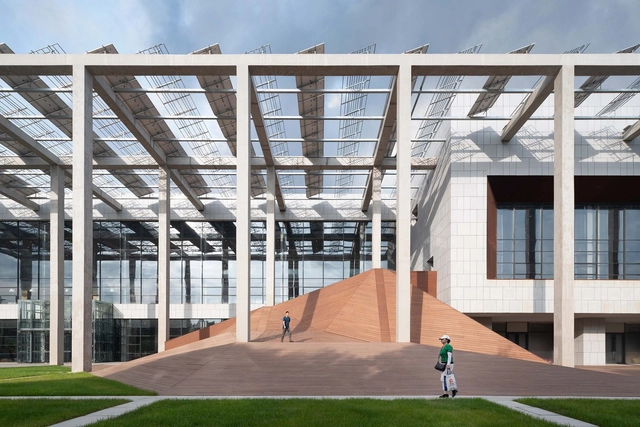


Biodiversity has become ubiquitous in project descriptions as yet another mark of the design's environmental accomplishments. The increasing focus on sustainability, the standard inspired by the UN Sustainable Development Goals, prompts a deeper understanding of what biodiversity in urban environments means and how can architecture and urban design actively contribute to it. With species extinction rates soaring and urbanization over natural land continuing, cities become an essential factor in sustaining biodiversity, and the following explores how the built environment can foster multi-species habitats.


More than 5000 new projects published throughout 2021 make ArchDaily the largest online architecture library in the world. ArchDaily Curatorial Team researches, contacts offices, prepares, and delivers the built projects in the world on a daily basis, with the objective of providing inspiration, knowledge, and tools to our users who take part in the creation of better built environments.
.jpg?1639814054&format=webp&width=640&height=580)
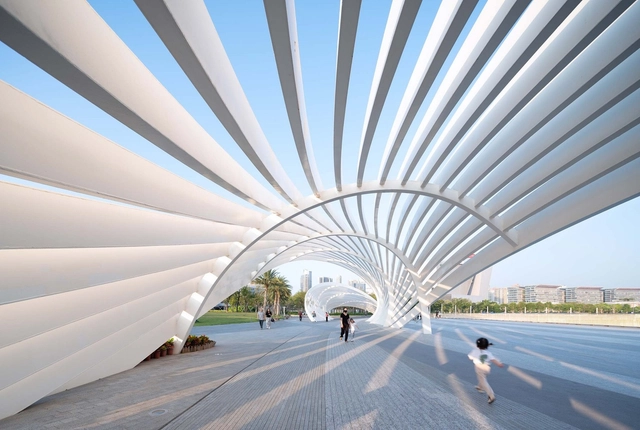
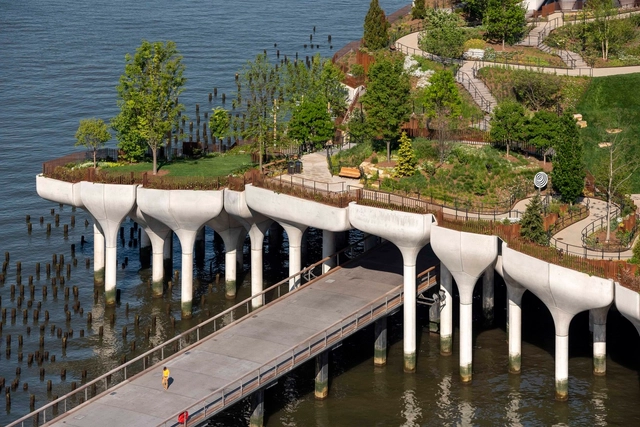
Between rising water levels and global migration to cities, architects and designers need to critically reimagine the relationship between coastal landscapes and public space. Cities are facing entirely new risks and environmental conditions. Resiliency, infrastructure, and ecology are increasingly common terms, reflecting the growing demand to address the spatial and formal challenges faced by cities worldwide. Rethinking boundaries and edges, designers have unique opportunities to help shape public understanding of these conditions through waterfront parks.











.jpg?1646134669&format=webp&width=230&height=230&crop=true)
.jpg?1646134591&format=webp&width=230&height=230&crop=true)
.jpg?1646134583&format=webp&width=230&height=230&crop=true)
.jpg?1646134597&format=webp&width=230&height=230&crop=true)




.jpg?1639807362&format=webp&width=230&height=230&crop=true)
.jpg?1639814513&format=webp&width=230&height=230&crop=true)

.jpg?1639814054)


