

-
Architects: Openideas Architects
- Area: 22000 ft²
- Year: 2023
-
Professionals: Studio 2+2, Bhoomi Consultants, Zion Dzine
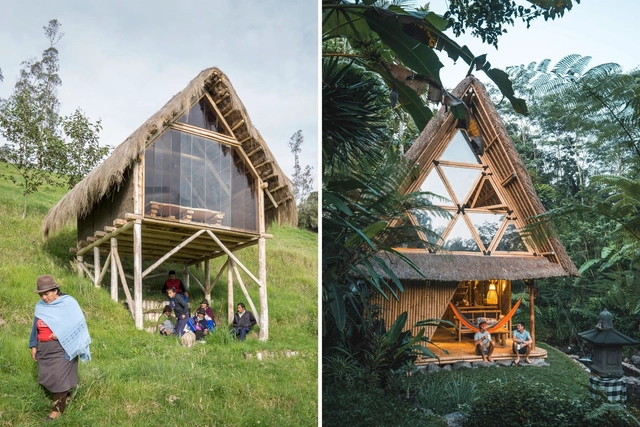
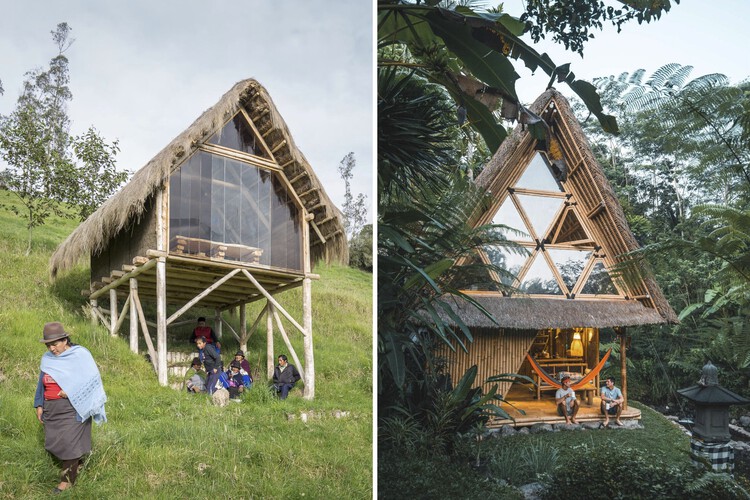
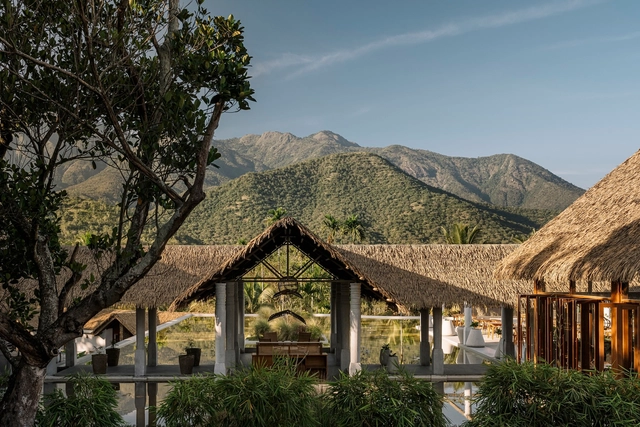
Thatching is a traditional building technique that has been reinterpreted in different ways in contemporary projects, allowing its value to continue to endure over time. As well as being a culturally and historically valuable technique, given its presence in humanity for centuries, it also has a number of other constructive advantages, such as its great environmental value, as it is an accessible renewable material.
The technique consists of grouping, intertwining, and overlapping dry vegetation, creating light surfaces with excellent thermal and sound insulation and which are cheap and relatively simple to build. In addition, flexibility is one of the technique's most prominent features, and it is particularly popular in roofing applications.
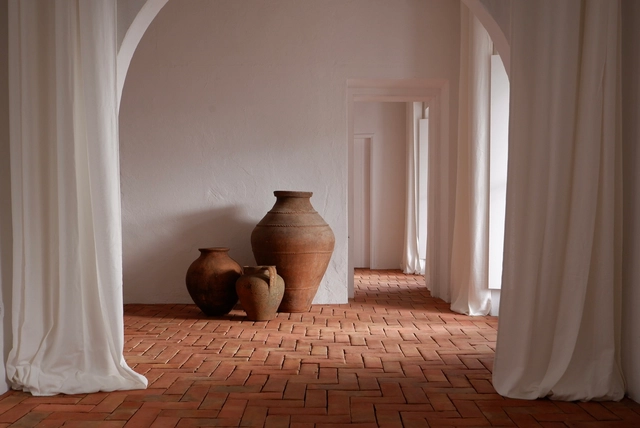
Earth-based flooring materials comprise natural elements such as clay, sand, silt, lime, and organic fibres. They offer both structural performance and sensory engagement when used in both outdoor and interior spaces. Due to their thermal properties, durability, and sustainable qualities, these materials have evolved from vernacular construction techniques into high-value architectural elements that are always being reinvented and optimized. There are several types of earthen floorings, each offering unique benefits, and they are increasingly used in interior settings.

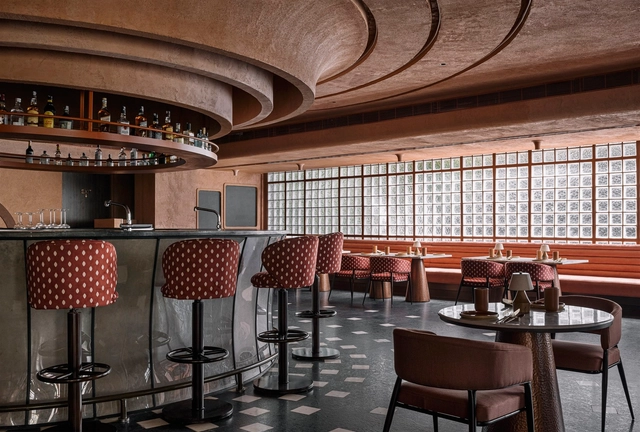
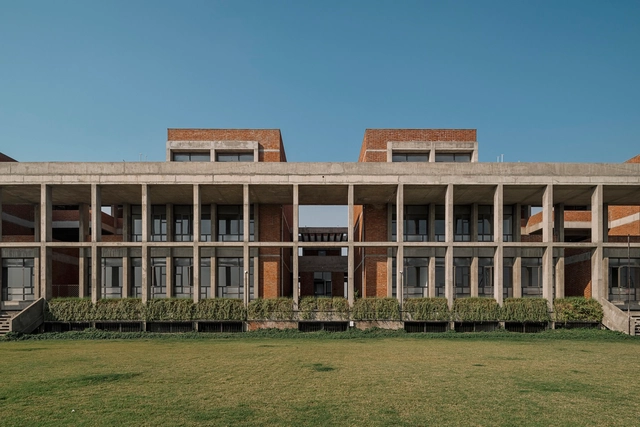
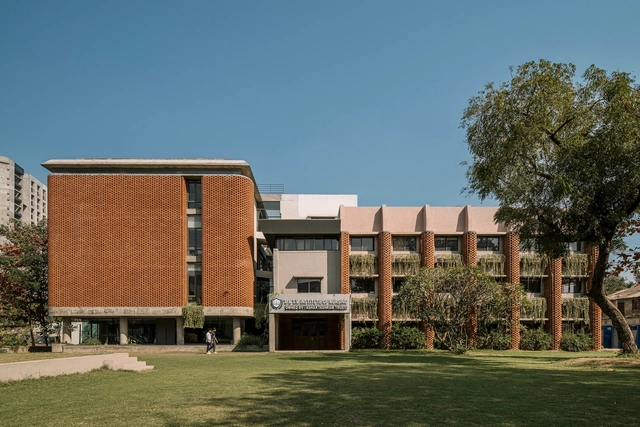
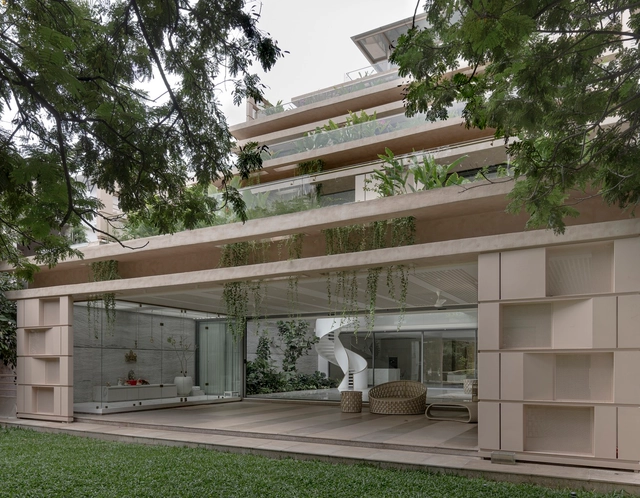
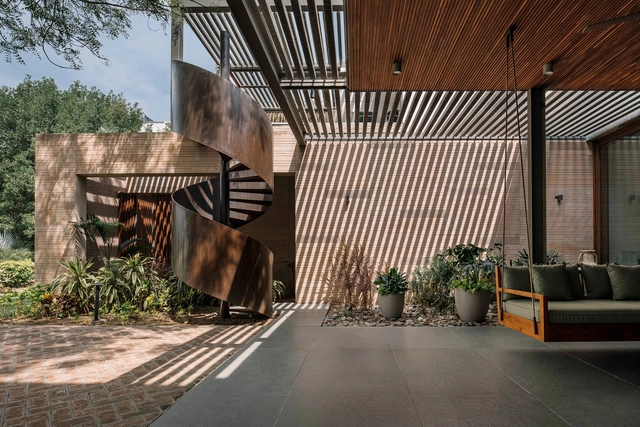
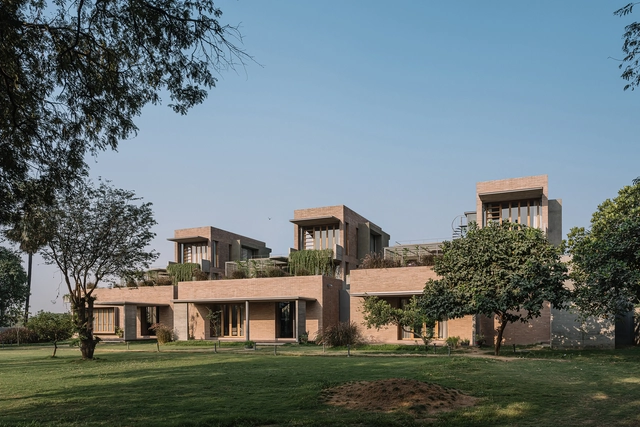
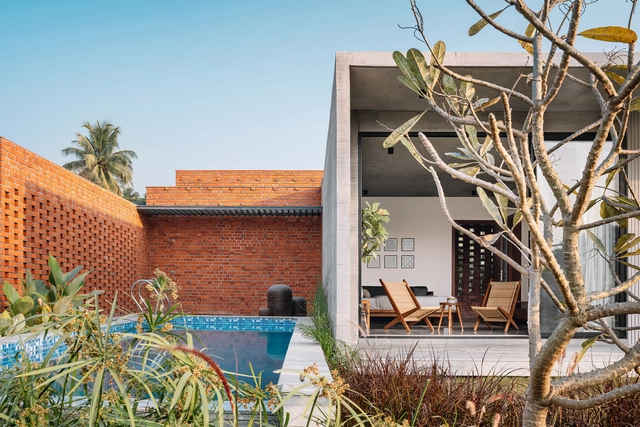
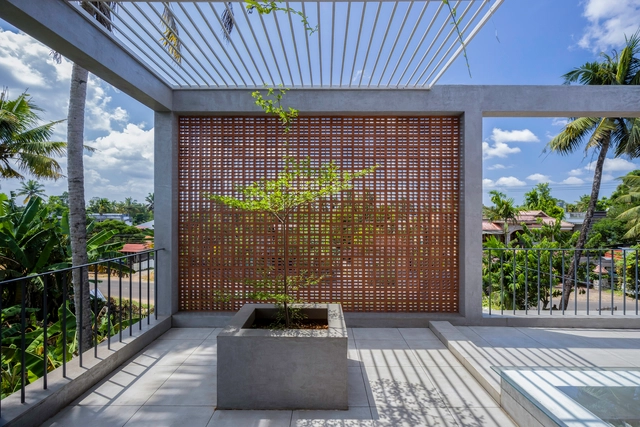
The backyards, outdoor areas usually located at the back of the lot, are spaces dedicated to rest, entertainment and family interaction. Its setting is essential to guarantee the warmth and comfort we seek in our homes. At the same time, as they are areas exposed to rain, sun and, sometimes, snow, they also need to have resistant, durable and easy-to-maintain materials.