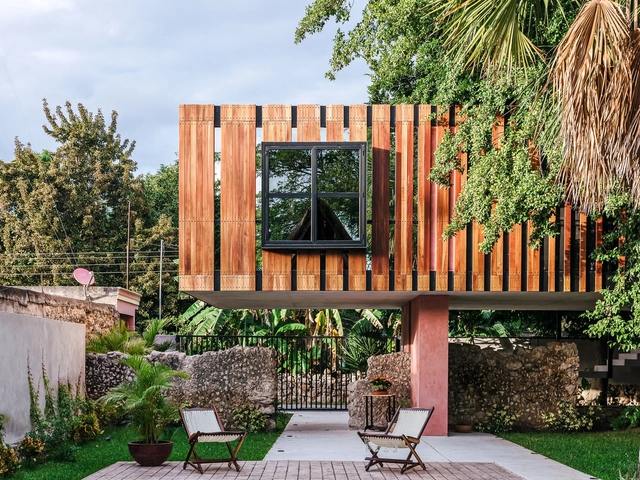
Life on the Tree House / LAAR


https://www.archdaily.com/961700/life-on-the-tree-house-laarPilar Caballero


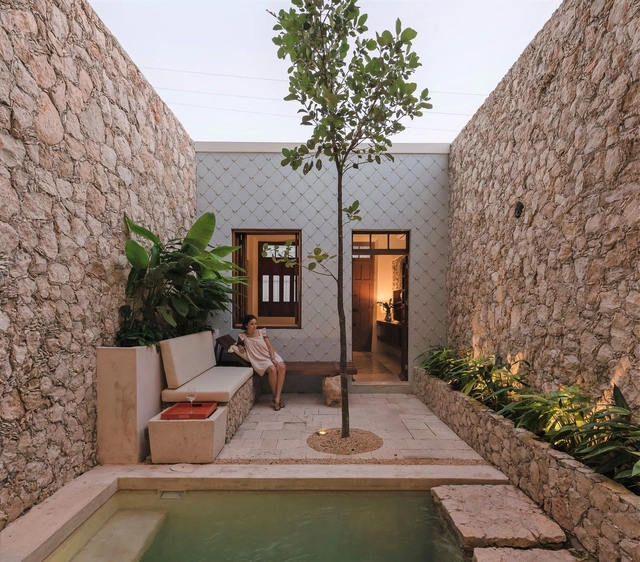
El Nido House / Taller Estilo Arquitectura


-
Architects: Taller Estilo Arquitectura
- Area: 144 m²
- Year: 2020
https://www.archdaily.com/960659/el-nido-house-taller-estilo-arquitecturaValeria Silva


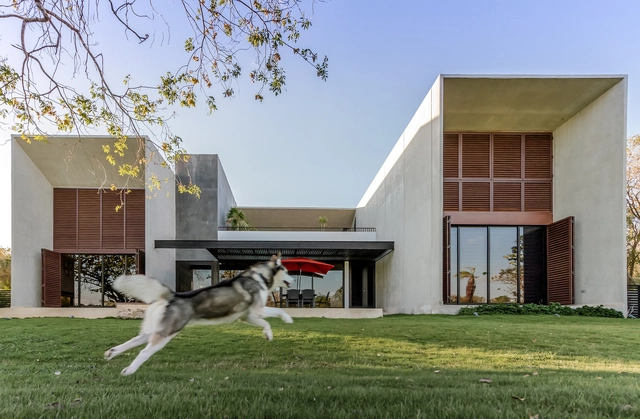
Zapote House / EURK
.jpg?1610401567&format=webp&width=640&height=580)
.jpg?1610401652&format=webp&width=230&height=230&crop=true)
.jpg?1610401645&format=webp&width=230&height=230&crop=true)
.jpg?1610401805&format=webp&width=230&height=230&crop=true)
.jpg?1610401715&format=webp&width=230&height=230&crop=true)
.jpg?1610401567)
https://www.archdaily.com/954851/zapote-house-eurk-buildesignValeria Silva
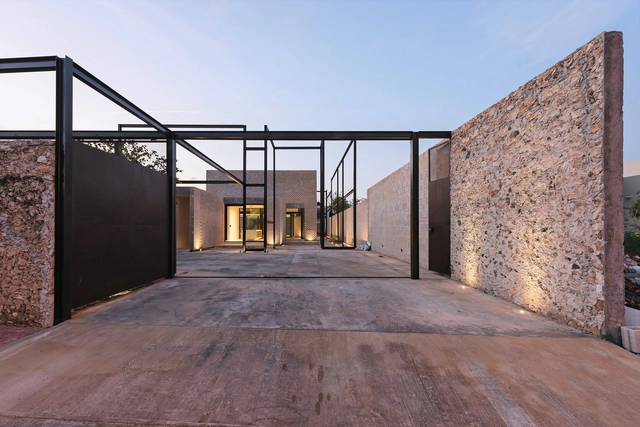
Suncho House / EURK
.jpg?1610382288&format=webp&width=230&height=230&crop=true)
.jpg?1610382349&format=webp&width=230&height=230&crop=true)
.jpg?1610382719&format=webp&width=230&height=230&crop=true)
.jpg?1610382371&format=webp&width=230&height=230&crop=true)

https://www.archdaily.com/954821/suncho-house-eurk-buildesignPilar Caballero
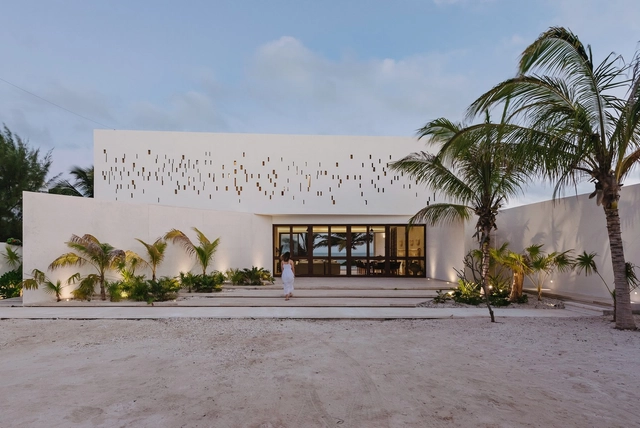
Rana House / EURK
.jpg?1610393479&format=webp&width=230&height=230&crop=true)
.jpg?1610394293&format=webp&width=230&height=230&crop=true)
.jpg?1610393415&format=webp&width=230&height=230&crop=true)
.jpg?1610393763&format=webp&width=230&height=230&crop=true)

https://www.archdaily.com/954834/rana-house-eurk-buildesignPilar Caballero
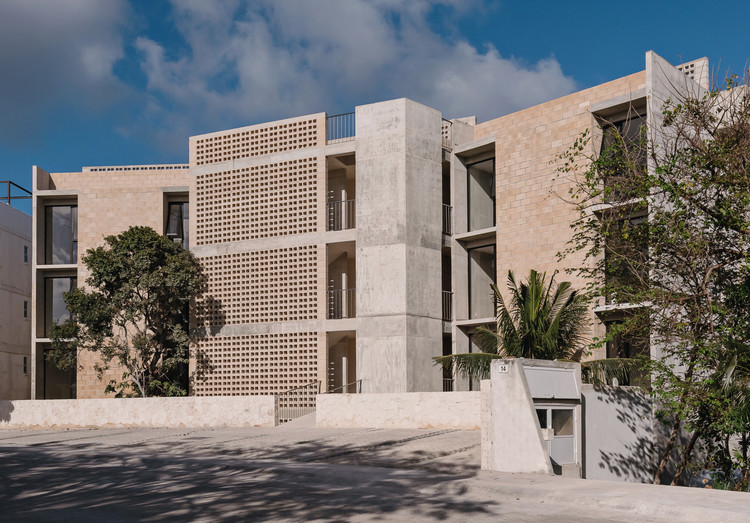
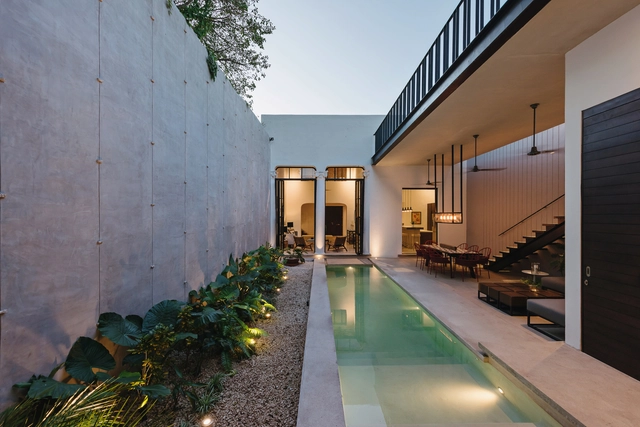
Lupita House / Binomio Taller


-
Architects: Binomio Taller
- Area: 320 m²
- Year: 2019
https://www.archdaily.com/951993/lupita-house-binomio-tallerValeria Silva
Underground Architecture in Ibero-America: 9 Projects That Relate to Their Surroundings

While some works serve as monuments to the egos of those who practice this profession, other architectural approaches propose the exact opposite. These practices deliver projects that—almost poetically—harmonize built elements with the surrounding natural environment. There are also designs that adapt to the morphological order of nature, resulting in an organic language that generates highly unique and singular interior spaces.
https://www.archdaily.com/1123411/underground-architecture-in-ibero-america-9-projects-that-relate-to-their-surroundingsSantiago Baraya
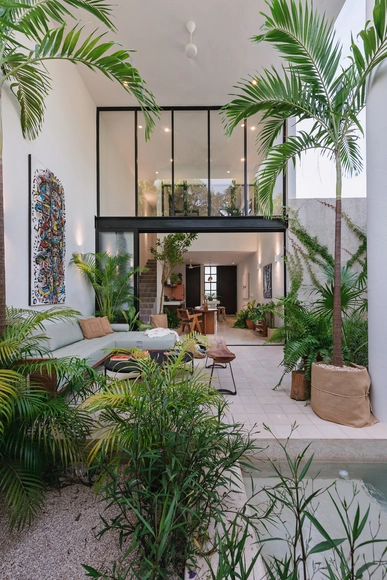
Hannah House / Workshop, Diseño y Construcción


https://www.archdaily.com/949918/hannah-house-workshop-diseno-y-construccionPilar Caballero
Stairs as a Key Design Element in 15 Works of Mexican Architecture

_copy.jpg?1596150637&format=webp&width=230&height=230&crop=true)


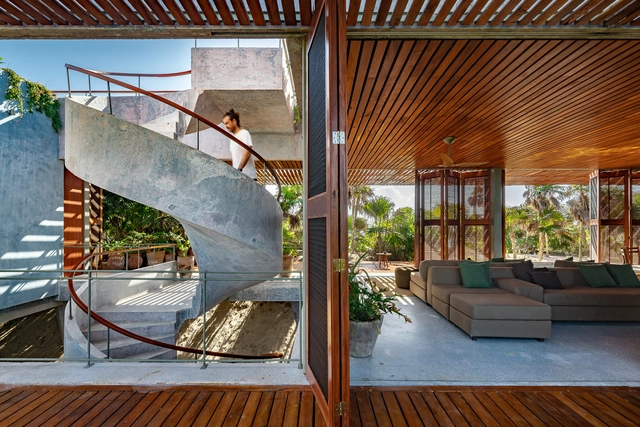
Stairways are central to access and mobility within a space, and yet, they often take a backseat to other elements of design within a work of architecture. However, Mexican firm PRODUCTORA has put them at the forefront of many of their projects, notably the Teopanzolco Cultural Center.
https://www.archdaily.com/947990/stairs-as-a-key-design-element-in-15-works-of-mexican-architectureMónica Arellano
Strategies to Improve Study Spaces at Home
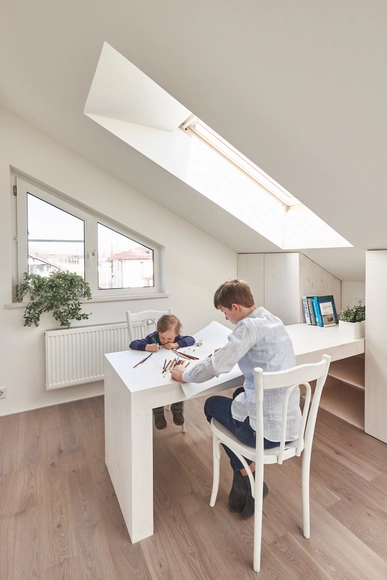


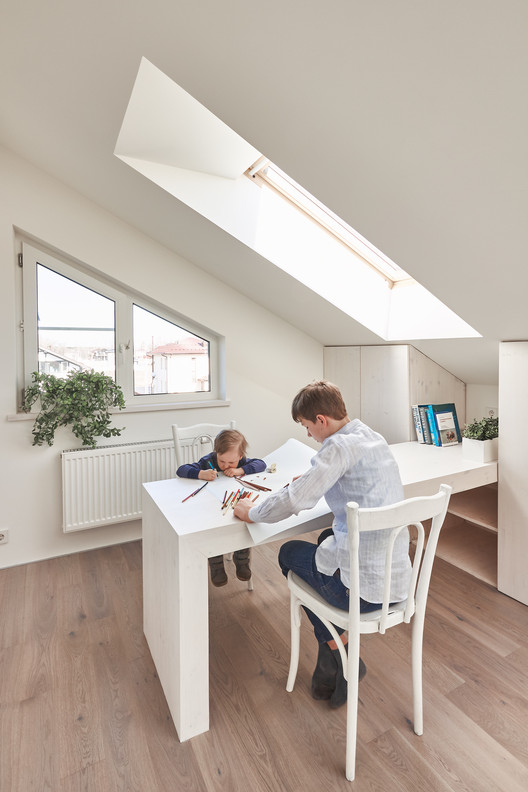
In early 2020, along with the implementation of worldwide social isolation measures, we published several articles in order to help our readers increase productivity and comfort in their home offices. After months of continued isolation, surveys show that more than 80% of professionals want to continue working from home even after quarantine ends. In addition, a good number of companies are similarly satisfied with current work practices, showing a high tendency to adopt this practice indefinitely, since the majority of companies observed that remote work was as or more productive than face-to-face work.
However, with respect to children and home studying during the pandemic, the result was not as positive. One of the main reasons for this difference is that it can be difficult to get students to concentrate and motivate themselves for a long time in front of screens. Lack of physical interaction with other children is also a contributing factor. Yet until the global situation improves, it is likely that the return to schools will continue to be postponed. With this situation in mind, we decided to share in this article a series of efficient strategies to transform study spaces at home into better spaces for learning.
https://www.archdaily.com/947532/strategies-to-improve-study-spaces-at-homeAudrey Migliani
Architecture in Mexico: Houses and Apartments in Cancún, Quintana Roo
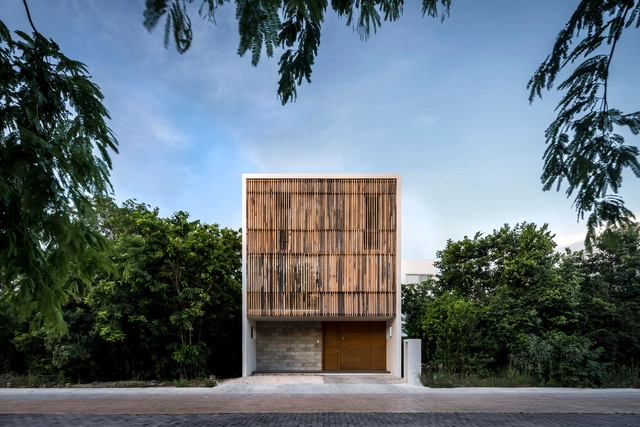


As one of Mexico's most internationally renowned tourist destinations, Cancun is a city founded just 50 years ago. Since then, it has woven a unique narrative, both in its urban layout and in the culture and heritage that residents actively seek to elevate to foster a shared historical consciousness. While primarily known for its massive resort complexes and nightlife, Cancun is much more than that. Several emerging practices, such as Warm Architects and TAFF Arquitectos, are constantly striving to promote a regional architecture that responds to the unique ways of living in this tourism-driven area.
https://www.archdaily.com/1123483/architecture-in-mexico-houses-and-apartments-in-cancun-quintana-rooMónica Arellano
Architecture in Mexico: Exploring Houses to Understand the Territory of Mérida
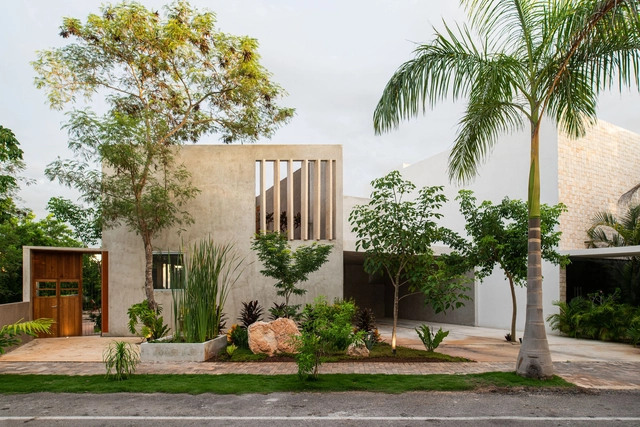


The city of Merida –capital of the Yucatan state in Mexico– is a region that has experienced a rise in architectural development in recent years due to the emerging talent that has made a name for itself with national awards and biennial proposals throughout the country. Due to Merida's tropical climate, the architecture on this site corresponds to specific geographical conditions that make it one of the most visited destinations in the world.
https://www.archdaily.com/935255/architecture-in-mexico-exploring-houses-to-understand-the-territory-of-meridaMónica Arellano
Restaurant Hermana República / Taller Mexicano de Arquitectura


-
Architects: Taller Mexicano de Arquitectura
- Area: 257 m²
- Year: 2019
-
Manufacturers: Alianza Concretos, Interceramic, Lightstyle&co, MS Cercas, Metaltec, +3
https://www.archdaily.com/935167/restaurant-hermana-republica-taller-mexicano-de-arquitecturaClara Ott
Architecture in Mexico: Residential, Hospitality, Cultural, and Public Space Projects with Pools
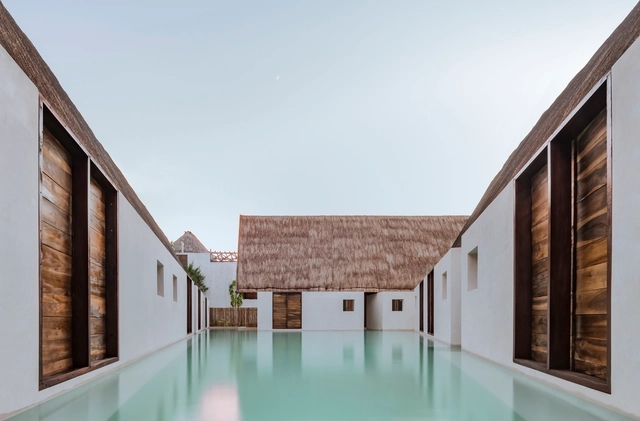


One of the most important factors in design is the site's specific climate. This can pose a challenge in extreme weather, where insulating materials are required to adapt to changing conditions. However, in the case of Mexico and its privileged climate, this factor works to the architects' advantage, allowing them to create microclimates and spaces that blur the transition between indoors and outdoors.
https://www.archdaily.com/1123667/architecture-in-mexico-residential-hospitality-cultural-and-public-space-projects-with-poolsMónica Arellano
The Most Inspiring Architecture Photographs of 2019
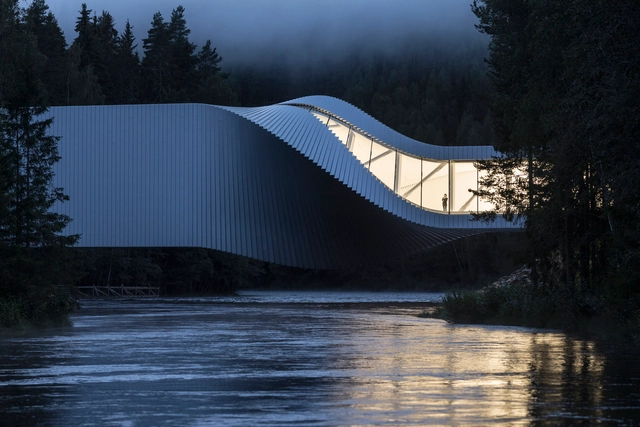


Because, for all the inspirational works across the world, we would be lost without the photographers dedicated to sharing this inspiration with us. Here we present to you the most influential architectural photographs of the year.
https://www.archdaily.com/930154/the-most-inspiring-architecture-photographs-of-2019María Francisca González
These are the winning projects of the 3rd Young Architects Biennial in Mexico

.jpg?1575054978&format=webp&width=230&height=230&crop=true)


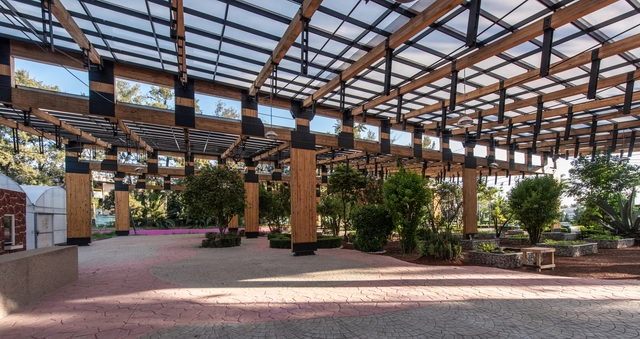
Just over six months ago, the Federation of Architects' Associations of the Republic of Mexico invited young Mexican architects to participate in the Third Young Architects Biennial, aiming to identify, recognize, and promote their best works. Through analysis and critique, the biennial fostered reflection on responsible contemporary architecture with sustainable solutions.
https://www.archdaily.com/1121033/these-are-the-winning-projects-of-the-3rd-young-architects-biennial-in-mexicoMónica Arellano