For most people, modern living requires spending most of the day in interior spaces - in fact, according to a report by the Environmental Protection Agency, the average person spends around 90% of their life indoors. As a result, this implies missing out on health benefits associated with sunlight exposure, such as vitamin D absorption, regulation of circadian rhythms, higher energy levels and even improved mood. Thus, one option is to increase the amount of time we spend outdoors. But because most daily functions are carried out inside buildings, it is crucial to incorporate and prioritize natural lighting in interiors.
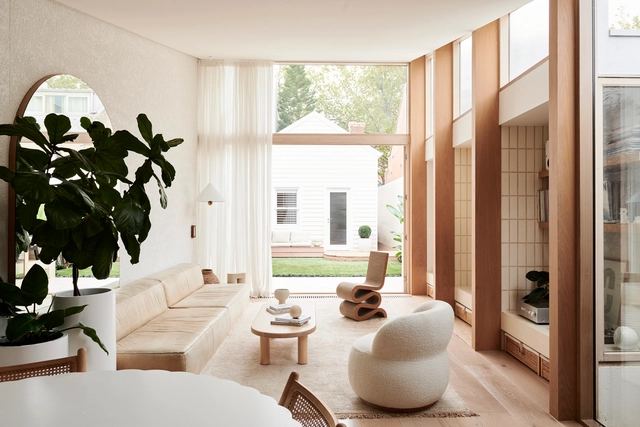
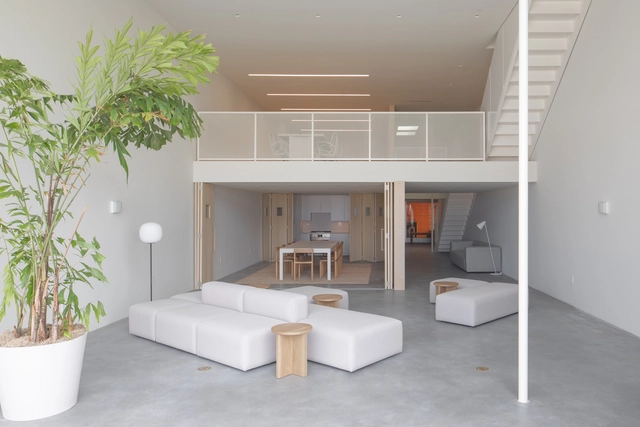
Today, architecture has become - or is in the process of becoming - more flexible and individualistic to accommodate people's diverse lifestyles and spatial needs. With this adaptation, the residential typology has changed and living rooms have become endangered. Many insist on the need of having a space dedicated to relaxation and leisure, while others claim it is simply a waste of space and money. This debate raised an important question: do we still need living/sitting rooms? In this interior focus, we will look at how living rooms evolved through the years, and how architects readapted and integrated the concept of “gathering space” in contemporary residential architecture.
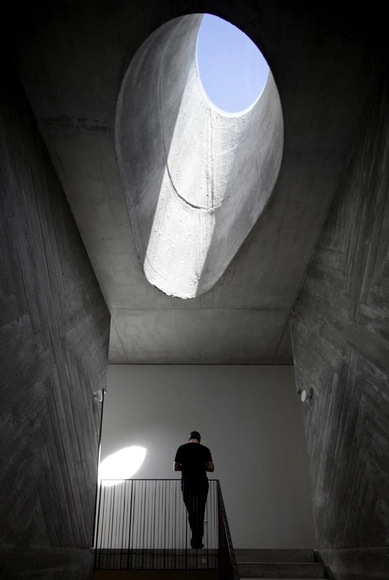
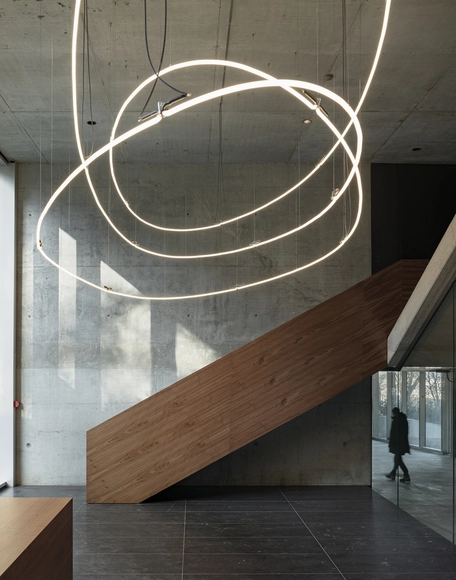
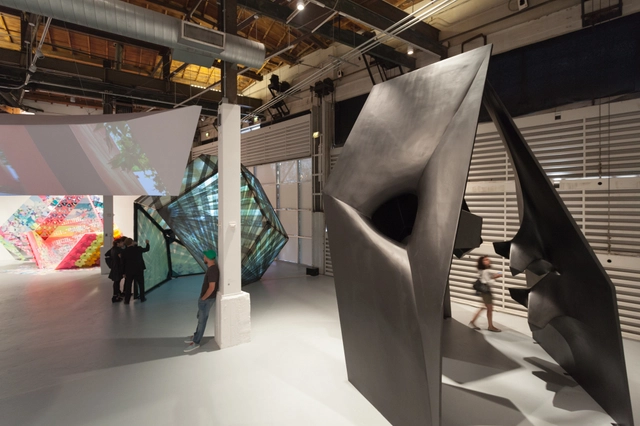
Light serves an essential purpose in architecture: to help us see. Whether it be through natural or artificial methods, rooms must be illuminated accordingly so occupants can safely inhabit them and fulfill their daily functions. When the right system is selected, light can also contribute to energy efficiency and sustainability within the building as a whole. However, apart from its evident functional and environmental value, lighting design can vastly impact the visual comfort and aesthetic tone of interiors by drawing attention to textures, enhancing colors and defining volumes. Therefore, of the many pieces involved in interior design, lighting is certainly one that can enhance or destroy a space and even affect users’ well-being, which is why it should be considered a crucial design element by itself.
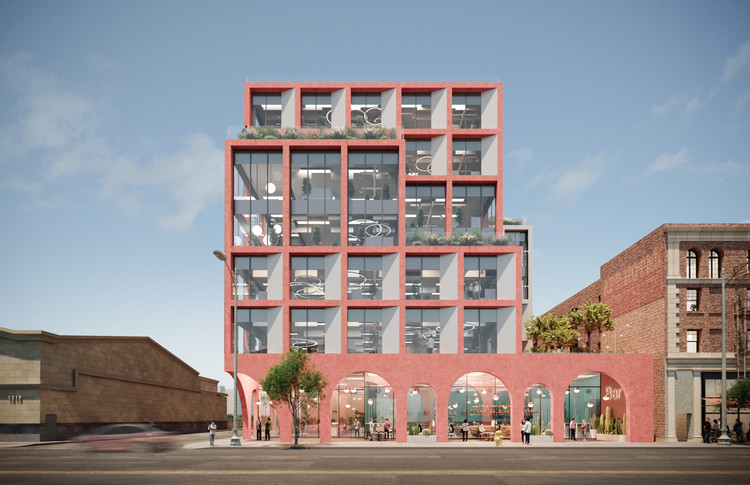
Architecture is defined by the ways people bring spaces to life. For Matthew Ollier, Partner and architect at Hawkins\Brown, the best buildings encourage interaction, collaboration and exchange. Currently, Ollier is leading the development of the firm's expansion into the North American market in Los Angeles. In an interview with ArchDaily, Ollier shares the team's approach to community engagement and building social value.
To celebrate World Photography Day, we've gathered a list of 10 BIPOC architectural photographers from around the world who are worth knowing - and following on Instagram.
The following names have also been recognized in two open lists that are constantly being updated in order to promote diversity in the photography industry: Diversify Photo and BIPOC STUDIOS. The idea behind these platforms is to allow Architects, Designers, Creative Directors, and art consumers in general, to discover photographers that identify themselves as Black, Indigenous, People of Color, available for assignments and commissions.
Located in the western region of the United States, the state of California is the most populous state and the third-largest — it includes some of the most populated cities of the country such as Los Angeles, San Diego, San Francisco, Long Beach and Oakland.
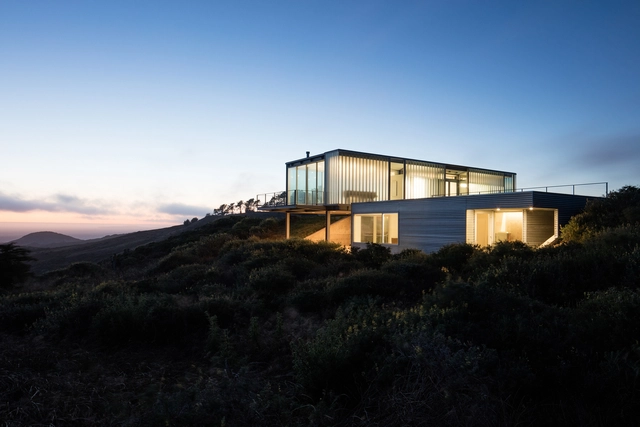
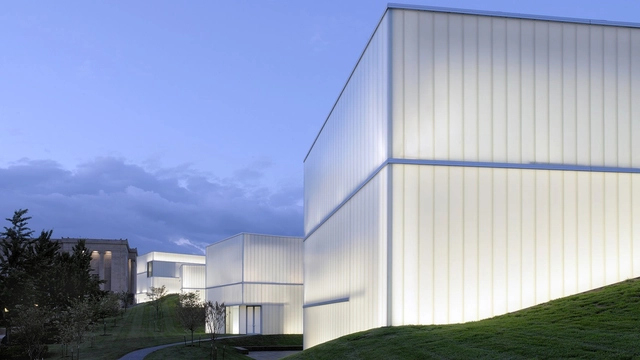
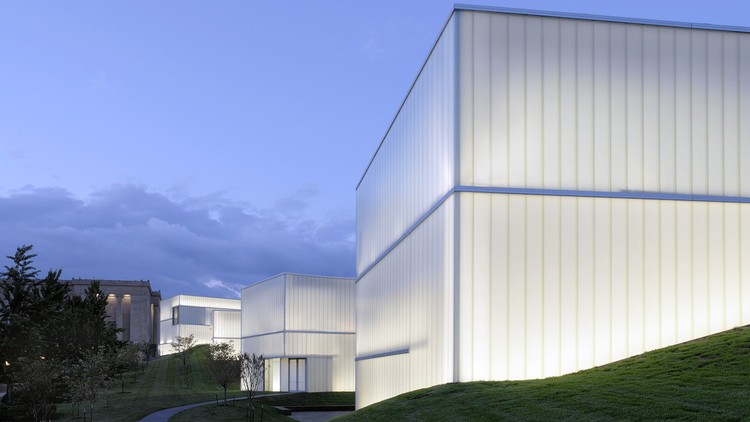
Recurrently we see how architects opt for translucent facades to create the envelopes of their buildings, promoting the entry of a large amount of natural light, while simultaneously controlling it during the day. Illuminated during the night, many of these projects can be seen in the dark, appearing as lanterns or lighthouses for their neighbors and community. Being exposed to changing conditions – day or night – to choose the right material, it's necessary to study in detail the orientation and location of the building, the pre-existing context, and the configuration of the interior spaces.
We present a system of glass panels that allow buildings with this type of façade –spanning from floor to ceiling without interruptions – with minimal frames and different colors, textures, thermal and acoustic performances.