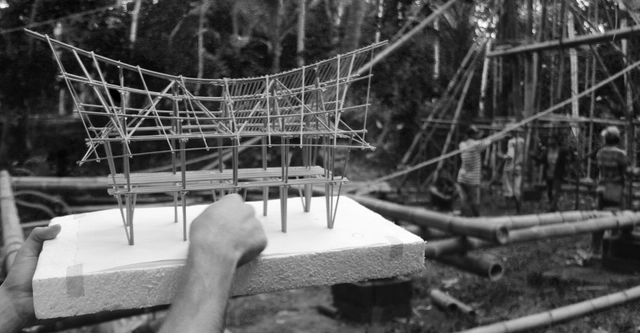
It's not easy to find theory in the implementation of architectural models: a practical model that allows you to analyze and showcase the organization of material elements according to a particular process. They also allow you to detect and modify the key elements of a project while also addressing the project's executive procedures.
Together with architectonic construction details, the development of the constructive facets is pushed to the background up until the ultimate steps of the design process, but this is also when we identify what is appropriate for a certain stage in the process in order to facilitate a seamless execution.
In the search to bring ourselves closer to the presentation and utility of architectural models, we invite you to take a look at a series of examples:
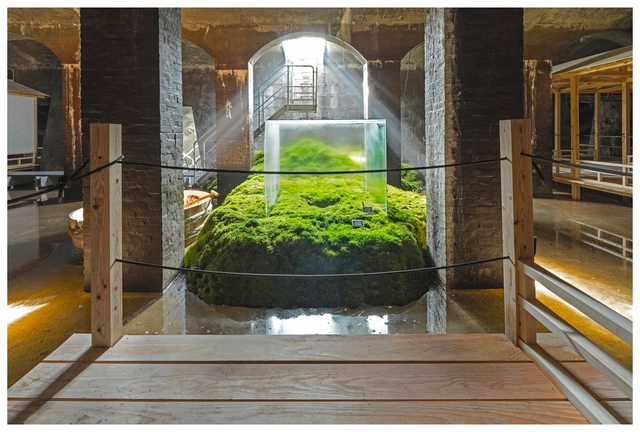
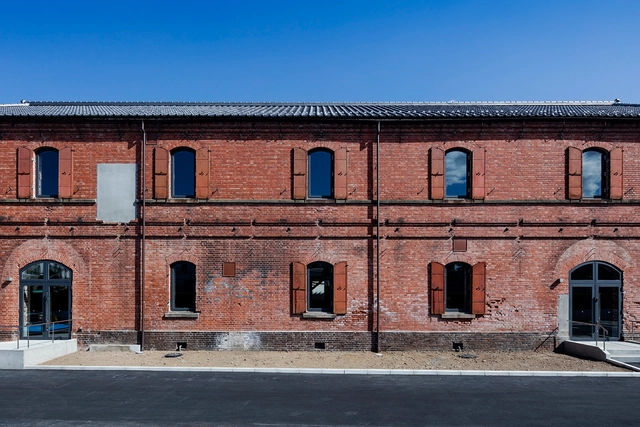
Hiroshi Sambuichi's approach to a site entails long-term study and reflection upon the qualities and forces of nature embedded within. His understanding is “deeper and with a finer grain,” explains American architect and member of The Daylight Award jury James Carpenter as one of several reasons why Sambuichi was recently announced as the latest laureate of the nearly 50-year-old Daylight Award in 2018. In Sambuichi's hands, “light becomes timeless, fluid and rich.”
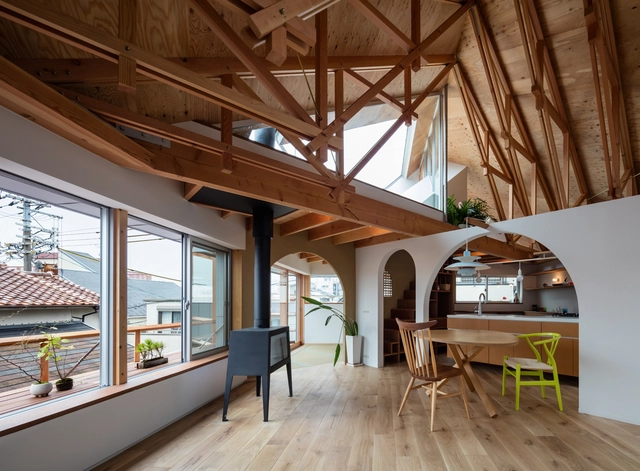
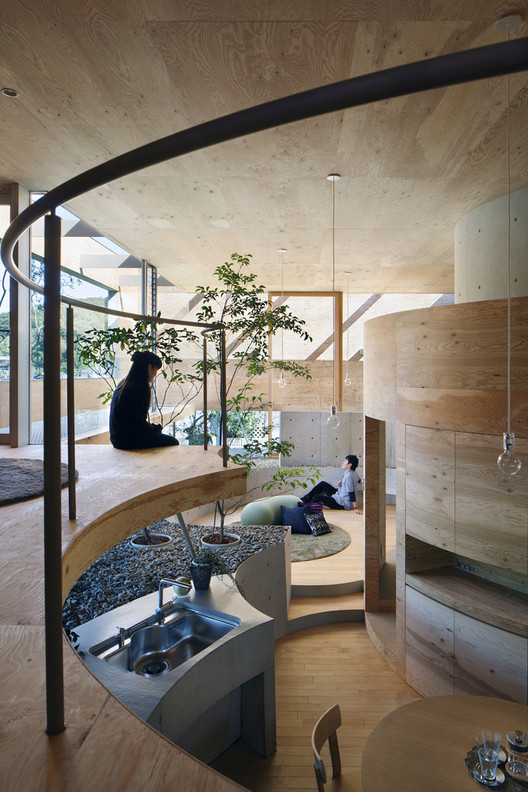
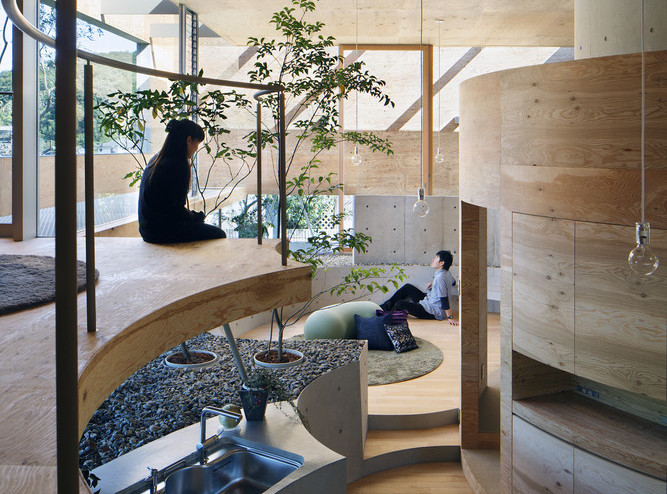
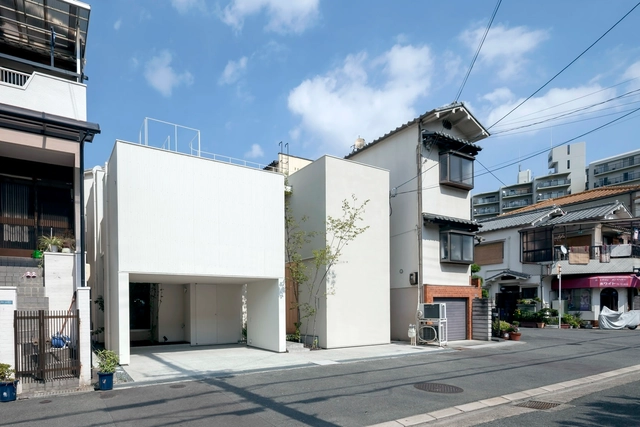
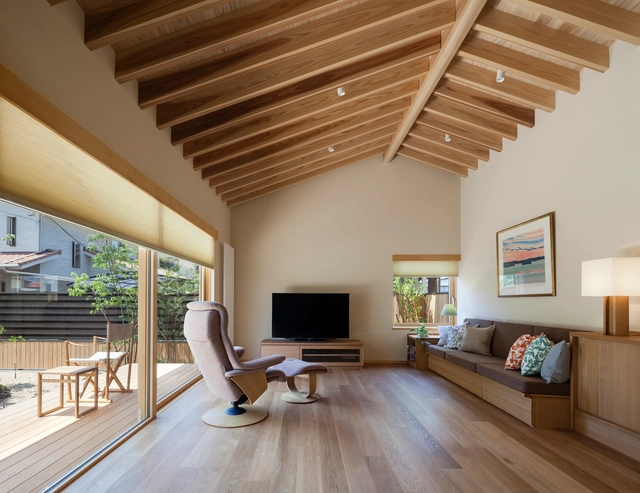
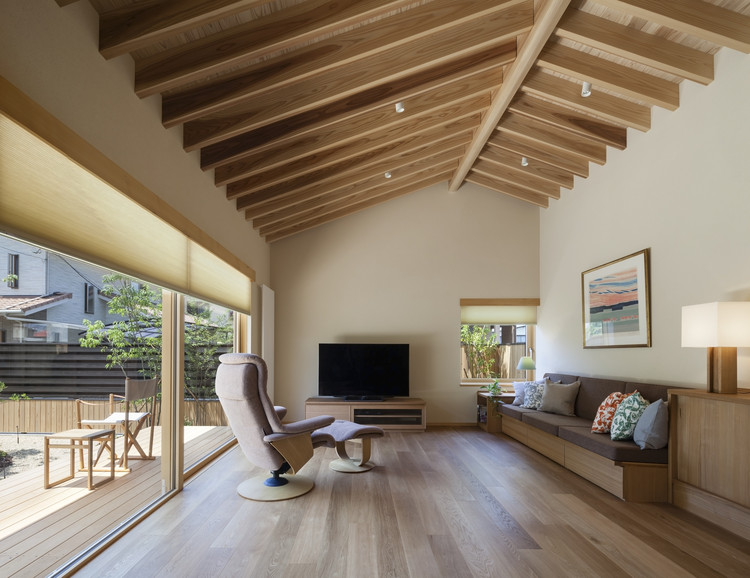
The private dwelling is a particularly favorable place in which to enjoy double-height spaces. This design strategy not only allows vertical spaces to be connected, but also enriches the functional and aesthetic possibilities of a building; often used in living rooms and kitchens, these spaces are designed to generate encounters between occupants. In this Photos of the Week selection, we present images by renowned photographers such as Kim Zwarts, Rena Lorenz, and Shigeo Ogawa.