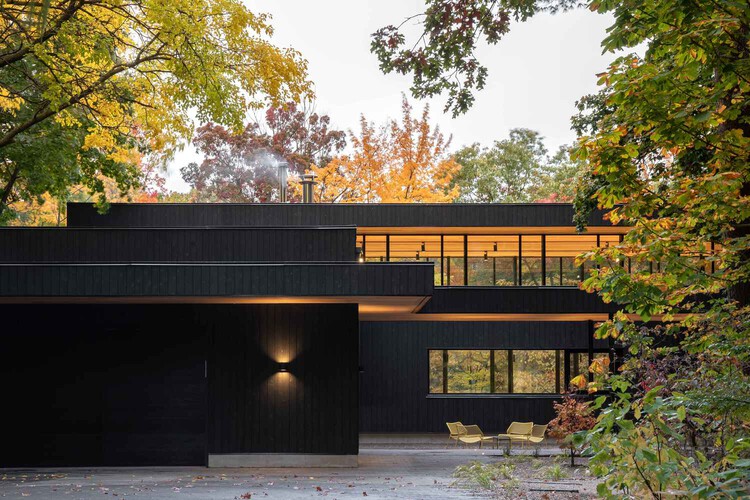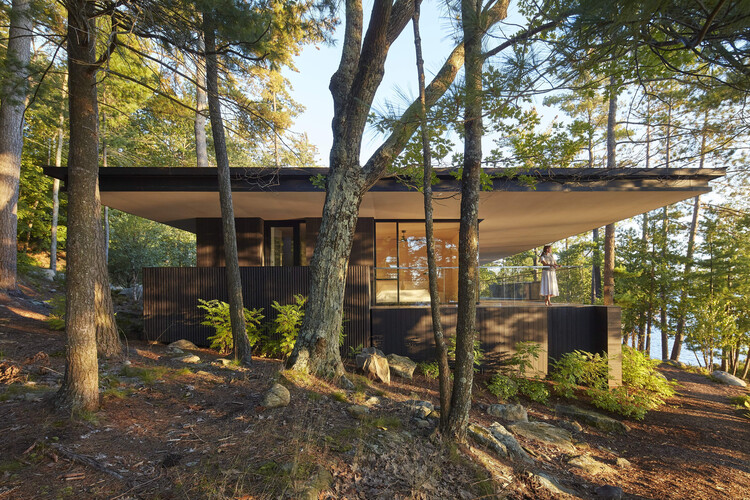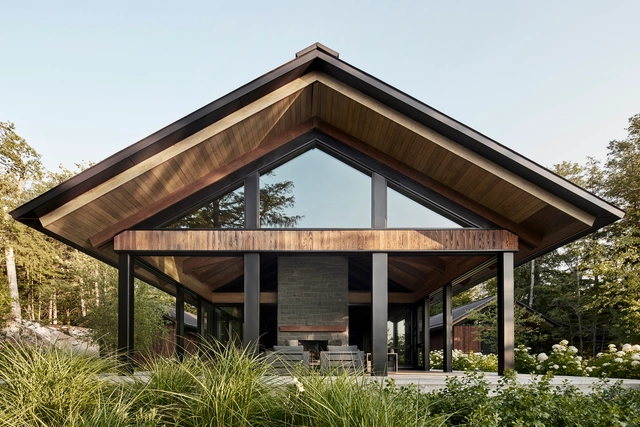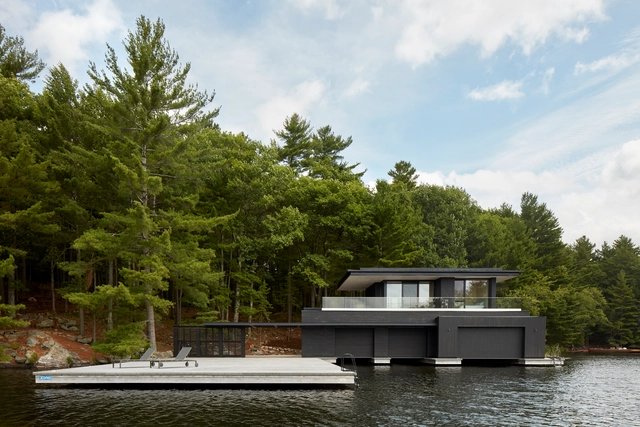
Shou Sugi Ban is a traditional Japanese technique for wood preservation that involves charring the surface of timber to create a protective layer. While its origins are rooted in practical durability, the method has been widely adapted into the modern built environment and shapes a unique and distinctive aesthetic. It is a material of contradiction: it remains bold in its visual language due to its dark tones, yet it simultaneously borrows from and complements its natural surroundings, allowing houses to settle quietly into their sites.
The charred finish among the 22 residences featured here across Canada and the United States serves as a common thread for navigating extreme climates. From humid lakefronts to dense forests, the carbonized skin acts as a resilient shield against diverse conditions. Beyond mere protection, these houses demonstrate how the material's texture changes with exposure to light, transforming from a flat matte in the shade to a silver-flecked, shimmering surface in direct sun. These projects also showcase the technique's ability to define architectural volumes, using the dark cladding to create sharp, monolithic silhouettes or to highlight the voids in a building's mass, such as recessed entryways and sheltered terraces.
A healthy environment that is also visually appealing in our homes has become increasingly sought when it comes to designing houses and residential spaces, especially during the world’s current context. One of the most successful ways of achieving this is through a thoughtful design of the landscape that complements the built project. The art of landscaping is the arrangement of nature’s raw material elements, like vegetation and planting, combined with nonliving elements, such as exterior structures, paving, and decking, in order to create site-specific solutions that enhance the exterior spaces of a project.
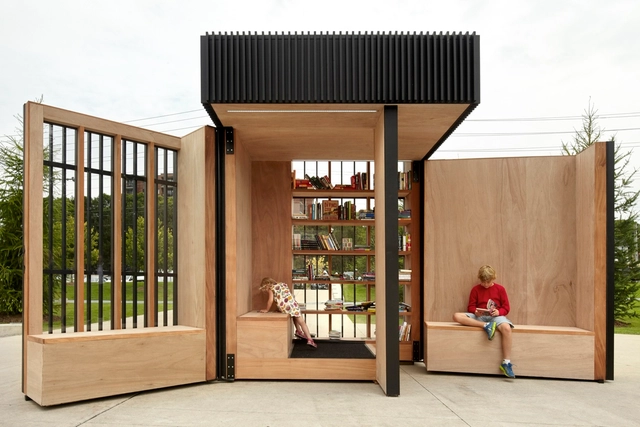
Through shapes, colors, and the elements on their facades, many architects have sought to bring a sense of movement to works that are otherwise physically static. Santiago Calatrava, Jean Nouvel, and Frank Gehry are only a few of the masters who managed to provide a dynamic effect to motionless structures, highlighting the work in context using formal strategies borrowed from the plastic arts. In other cases, however, architects have also opted for physically kinetic structures that could bring a unique aesthetic or functional dimension to the work.
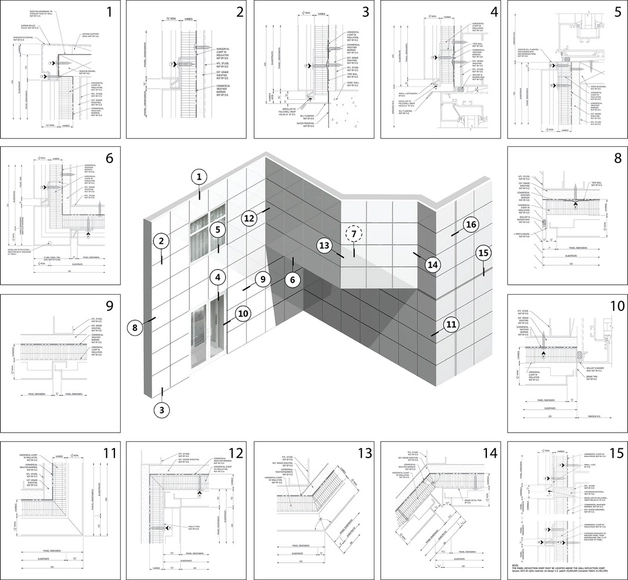
The façade is one of the most important elements in an architectural project. In addition to being the building's first barrier against heat, rain, snow, or wind, it also largely determines the appearance of a building. It can make the project stand out, blend into urban context, or even manifest, at first glance, values of transparency, lightness, or simplicity that the architect seeks to convey. Accordingly, the façade also constitutes a significant portion of the total cost of the work and, therefore, must be specified very carefully, taking into account aesthetics, functionality, maintenance, and long-term behavior.
https://www.archdaily.com/948461/single-skin-metal-panels-construction-tips-and-details-for-building-envelopesSponsored Post
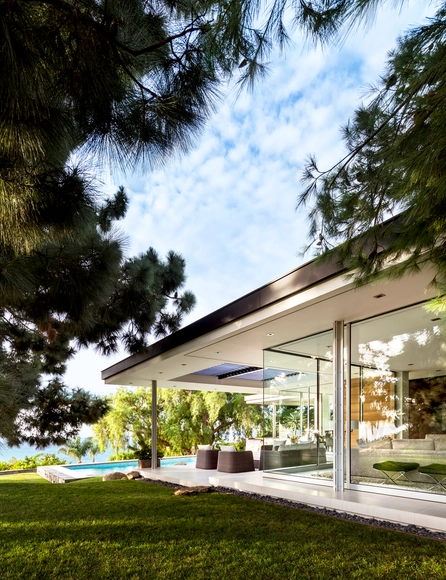
Malibu Crest, a 2019 remodeling of a 1949 International Style home, was a vital undertaking by the architecture firm Studio Bracket that aimed to expand the structure’s square footage and panoramic views of Malibu while retaining over 50% of the home’s original walls. The project was ultimately successful, not only in its refurbishment of the interior rooms and reconfiguration of the space, but in its enlargement of the windows to truly capture views of the surrounding lagoon and mountains. This expansion of the view was done in part through an open corner window scheme and floor-to-ceiling glass, manufactured by Western Window Systems. The uninterrupted glass walls afforded by this open corner technology is one of the most effective ways that architects can open an interior space to the stunning vistas of a natural environment. Yet an even more striking configuration increasingly being employed by residential architects is that of the open corner sliding glass door – a system that can even more completely open an interior space to the unobstructed outdoors. Below, we discuss this technology in more detail, alongside several examples of projects using the open corner glass door.
https://www.archdaily.com/944057/open-corner-sliding-glass-doors-towards-a-light-and-wide-architectureLilly Cao
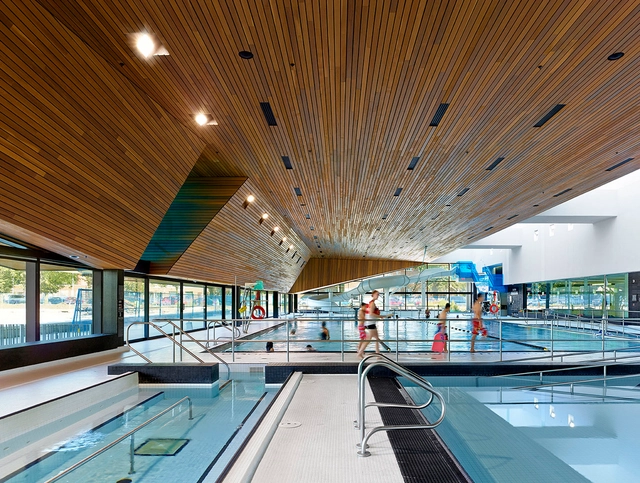
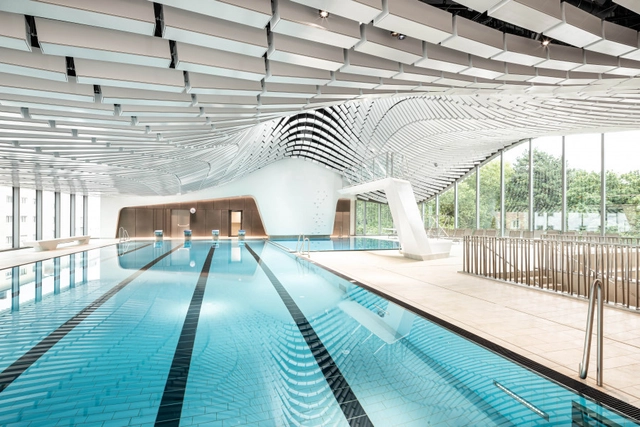
Aquatic centers are defined by activity. Making space for focused exercise and leisure alike, they are designed to support different scales of movement. At their core, they center on swimming pools. These structures explore ideas of light and space spanning millennia, from Pakistan's "Great Bath" at the site of Mohenjo-Daro and Ancient Greek palaestras to contemporary swimming complexes.
Walking into an electrical store can be intimidating. At first glance, all the lights are on, and the thousands of chandeliers and lamps are blinding. When you walk toward the shelves, you see dozens of options, shapes, colors, prices, and uses. On each package, informational tables display numbers that can seem confusing at first. Lumens, color temperature, wattage—there are many unfamiliar terms. Before defaulting to the cheapest option, only to find that it creates an uncomfortable or poorly balanced atmosphere, understanding a few key concepts can make a significant difference.
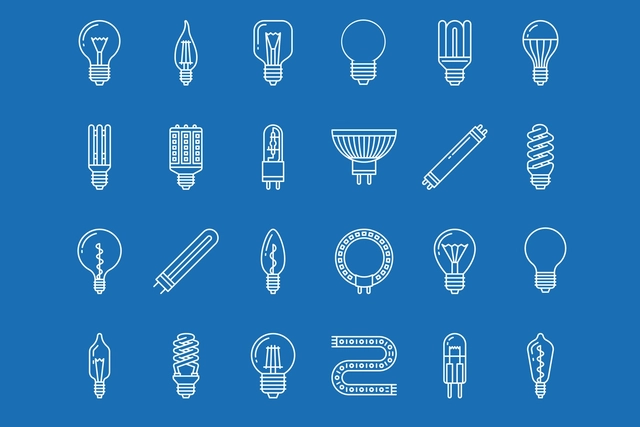
Lighting design plays a fundamental role in shaping how spaces are perceived and used, influencing comfort, atmosphere, and even productivity. Poorly designed lighting, on the other hand, can compromise these qualities. Rather than approaching lighting as a purely technical decision, it can be understood as an integral part of architectural design. To help clarify these choices, the following overview introduces the most common types of light sources and key concepts associated with them.
The functional distribution plays a fundamental role in the contemporary design of offices and places for work. The study of the architecture plan shows an interesting form of approach; not only allows for proper logistics and circulation but find efficient variations and innovations that will enable better workspaces that adapt to the current needs.
We have selected more than 50 plans of projects that will inspire you, recognizing the different ways in which architects have faced the challenge to design offices, in all different scale ranges.
Zinc is a natural element extracted from ores. Its symbol, which appears in the dreaded Periodic Table, is Zn. Through a metallurgical process of burning its impurities (reducing zinc oxide and refining), it assumes a much more friendly appearance, and later becomes the sheets, coils, and rollers used in construction. The main characteristic of this material is its malleability, which allows it to be worked easily, allowing to cover complex forms in facades and roofs of buildings.