Rizvi Hassan

BROWSE ALL FROM THIS PHOTOGRAPHER HERE

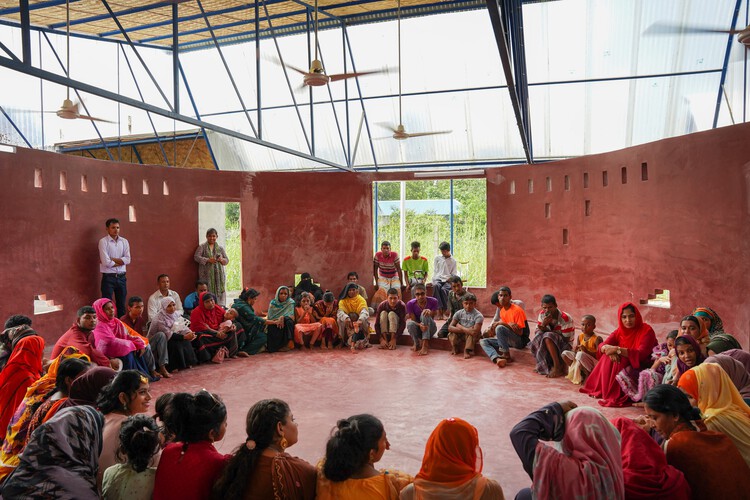
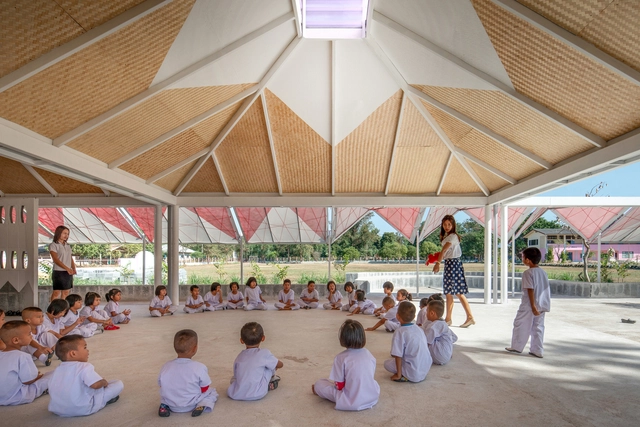
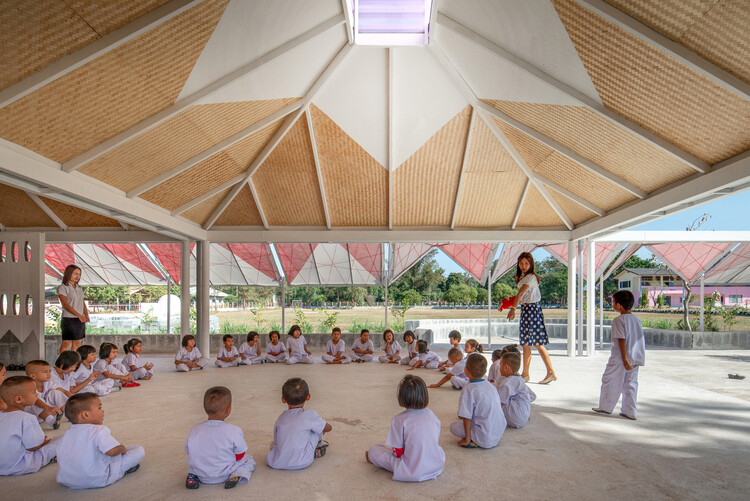
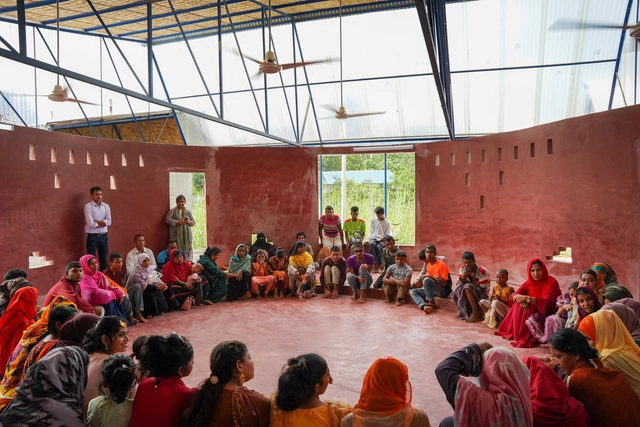
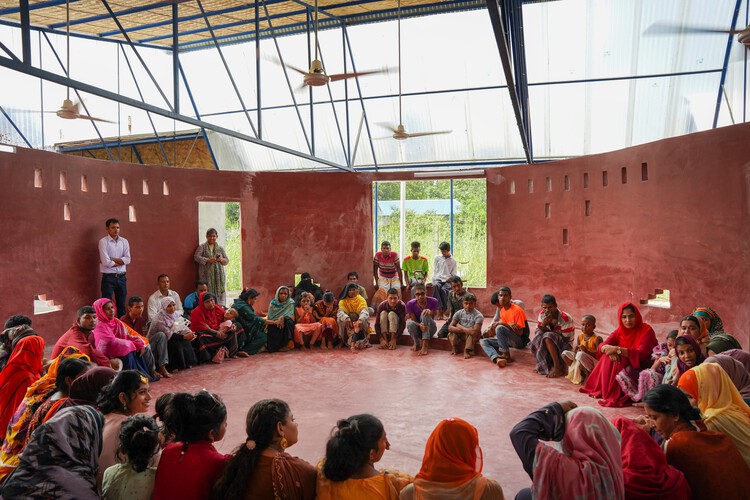
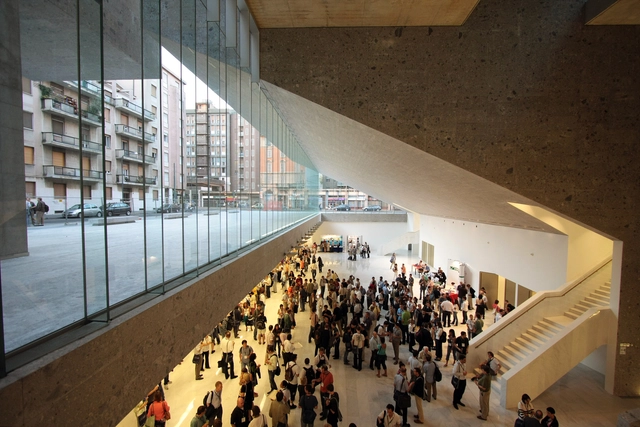
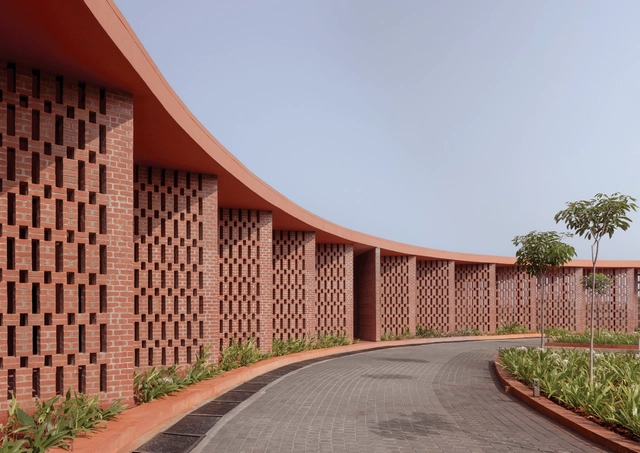
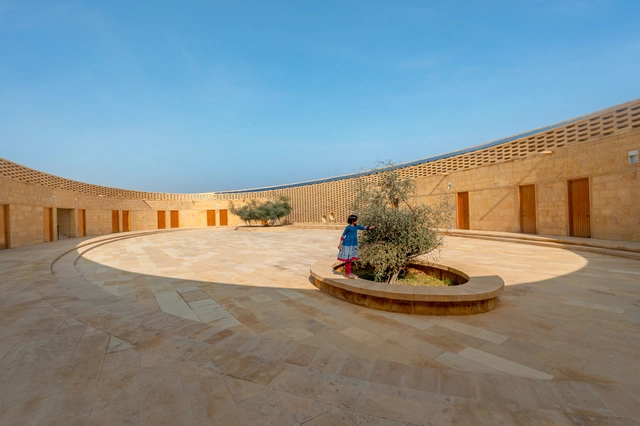
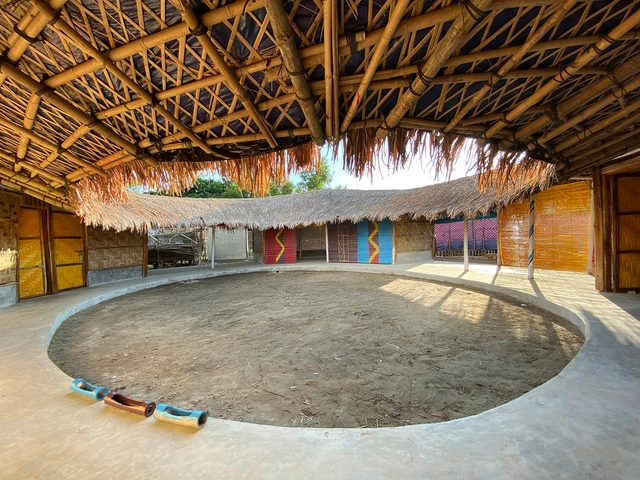
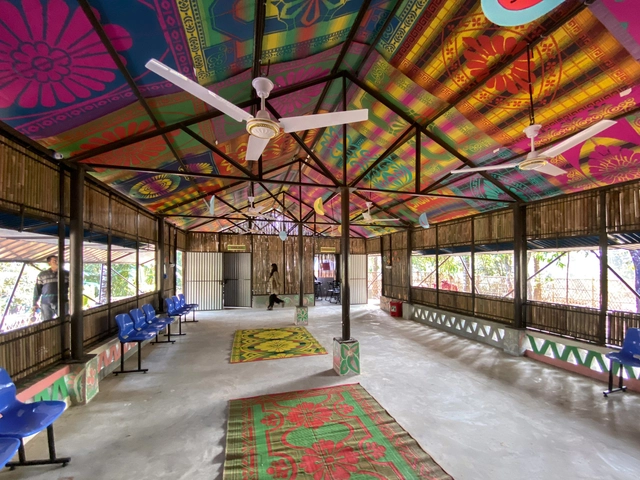
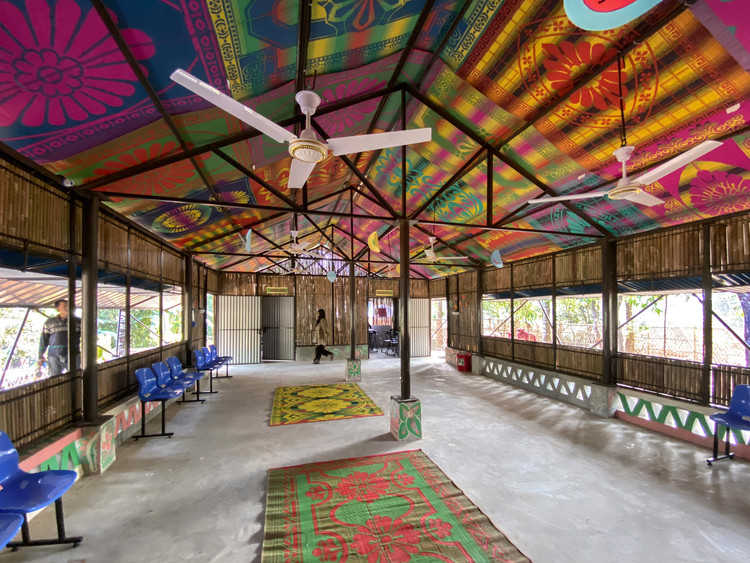
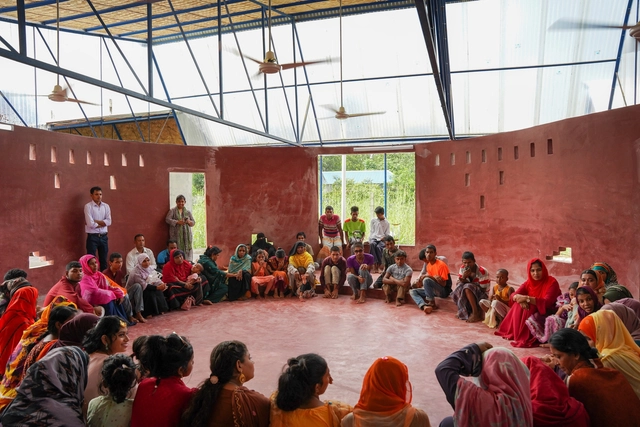
Architecture and Agency: Rethinking Authorship Through Participatory Design

Subscriber Access | 

Architecture has historically produced many iconic buildings shaped by singular visions—often designed unilaterally for users, communities, and cities. While this top-down approach has enabled strong formal coherence and conceptual clarity, it has also prioritized authorship over engagement. The result: projects that may be celebrated as visionary, yet often feel disconnected from the everyday realities of those who inhabit them.

Designing for others is inherently complex. As architects, we are frequently tasked with creating environments for communities with whom we may have no personal or cultural familiarity. This distance, however, can offer valuable objectivity. It allows us to engage diverse perspectives with fresh eyes, critically analyzing the needs and constraints of multiple stakeholders. Through this process, the discipline of architecture has advanced—pushing boundaries in spatial thinking, material innovation, and structural experimentation.

Architecture and Agency: Rethinking Authorship Through Participatory Design - Image 1 of 4Architecture and Agency: Rethinking Authorship Through Participatory Design - Image 2 of 4Architecture and Agency: Rethinking Authorship Through Participatory Design - Image 3 of 4Architecture and Agency: Rethinking Authorship Through Participatory Design - Image 4 of 4Architecture and Agency: Rethinking Authorship Through Participatory Design - More Images+ 29

Designing with Kids: 5 Participatory Projects that Empower Young Users

A good design should be adapted to the user's needs, and participatory design aims to reduce the distance between architects and those for whom the project is made. In this sense, projects for children that welcome them as central actors in the design process demonstrate how the potential of active listening and co-designing is reflected in spaces adapted to a smaller scale and to an audience in a phase of intense learning.

Whether they are kindergartens, schools, community centers, or public spaces, participatory projects with children show how the design process can be an enriching exchange for both sides. On the one hand, children can learn about materials, scales, decision-making, and develop spatial awareness. On the other hand, the architects responsible for making the desires and needs of the young users concrete can learn to exercise sensitivity and imagination and recognize a different worldview focused on discovery. All of this is possible through listening and open dialogue between different age groups.

Designing with Kids: 5 Participatory Projects that Empower Young Users - More Images+ 6

CSF Center for People With Disabilities / Rizvi Hassan

CSF Center for People With Disabilities / Rizvi Hassan - More Images+ 39

  • Architects: Rizvi Hassan
  • Area Area of this architecture project Area:  1115
  • Year Completion year of this architecture project Year:  2024

Aga Khan Award for Architecture Announces Master Jury for the 2025 Edition

The Aga Khan Award for Architecture has announced the Master Jury for the 16th award cycle. The independent panel includes Pritzker Prize laureate Yvonne Farrell, ArchDaily founder David Basulto, and Lucia Allais, director of the Buell Center. Established in 1977 by Aga Khan IV, this competition set out to highlight architectural projects that have a significant positive impact on Islamic communities worldwide. The Award is presented in three-year cycles and has a monetary prize totaling US$1 million.
Aga Khan Award for Architecture Announces Master Jury for the 2025 Edition - More Images+ 2

Rohingya Cultural Memory Centre / Rizvi Hassan

Rohingya Cultural Memory Centre / Rizvi Hassan - More Images+ 32

  • Architects: Rizvi Hassan
  • Area Area of this architecture project Area:  501
  • Year Completion year of this architecture project Year:  2022

Contested Territory: The Climate Crisis and Land Ownership

Subscriber Access | 

Architecture, by its very definition, involves the construction of structures. Structures that are meant to serve as spaces for work, living, religious devotion, amongst many other purposes. Architectural projects and interventions, however, need land – and it is this intrinsic relationship, between land and architecture, that has massive ramifications not only regarding reducing carbon emissions but more importantly in forming an equitable future rooted in climate justice.

Beyond Survival - A Safe Space for Rohingya Women & Girls / Rizvi Hassan

Beyond Survival - A Safe Space for Rohingya Women & Girls / Rizvi Hassan - More Images+ 9

  • Architects: Rizvi Hassan
  • Area Area of this architecture project Area:  2200 ft²
  • Year Completion year of this architecture project Year:  2019

Community Centers for Displaced Populations

Community Centers for Displaced Populations  - Image 1 of 4Community Centers for Displaced Populations  - Image 2 of 4Community Centers for Displaced Populations  - Image 3 of 4Community Centers for Displaced Populations  - Image 4 of 4Community Centers for Displaced Populations  - More Images+ 11

Through the past few months, the importance of community interaction and mental well-being has been felt by all. Yet, the need for a support system and constant reassurance has been a recurrent issue for much longer for forcibly displaced populations. Adding to the current health fears these communities, estimated at nearly 70.8 million ( 25.9 refugees only) around the world, struggle with traumas, mental health issues and have much difficulty in adapting to temporary or permanent foreign settings.

Integrated Community Center in Hindu-paraRohingya Refugee Camp / Rizvi Hassan

Integrated Community Center in Hindu-paraRohingya Refugee Camp / Rizvi Hassan - More Images+ 25

  • Architects: Rizvi Hassan
  • Area Area of this architecture project Area:  221
  • Year Completion year of this architecture project Year:  2019
  • Manufacturers Brands with products used in this architecture project
    Manufacturers:  SketchUp, AutoCAD, BSRM, Ma, Motaleb Steels, +1