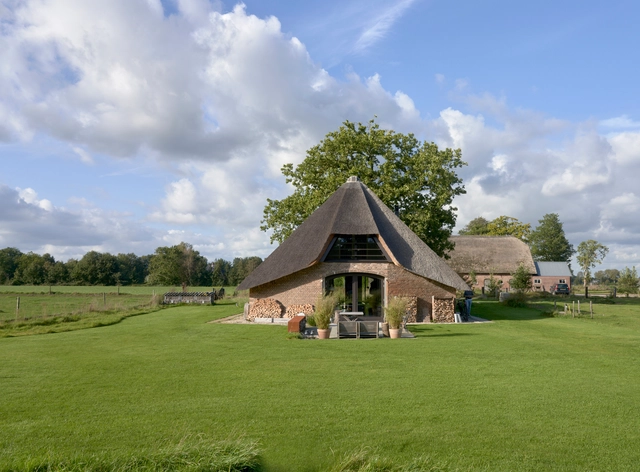


-
Architects: Hilberinkbosch Architecten
- Area: 102 m²
- Year: 2023
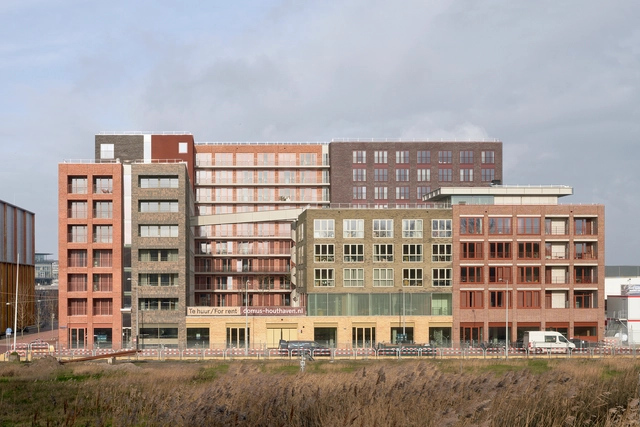
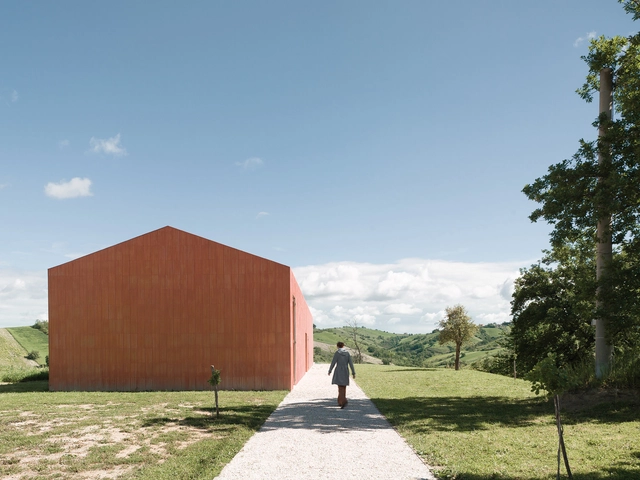
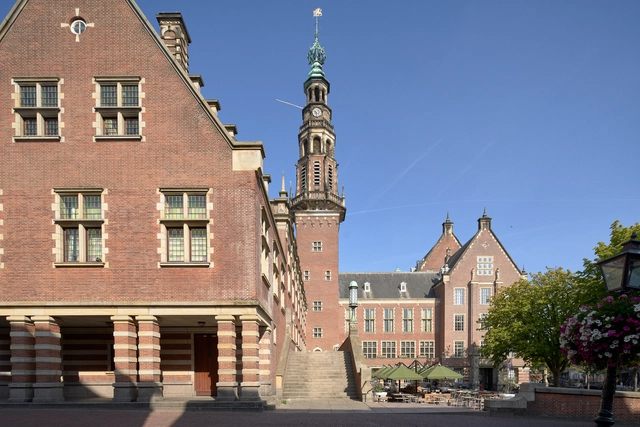
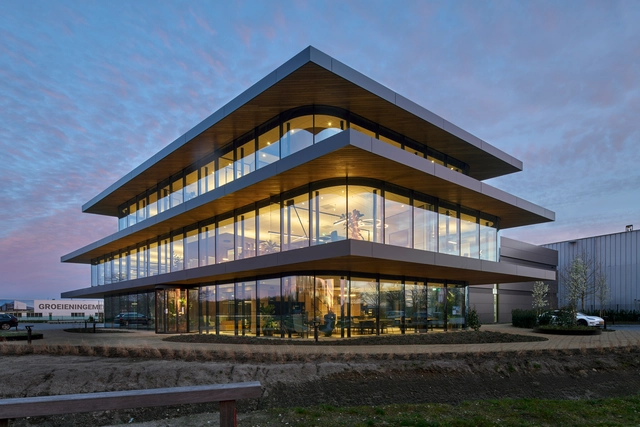
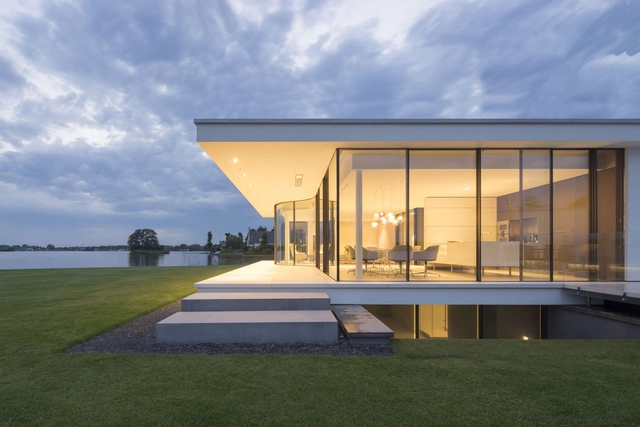
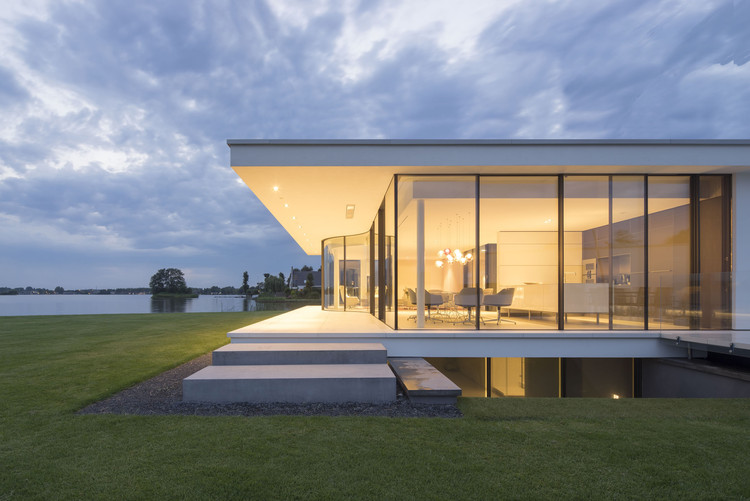
In his Robie House, Frank Lloyd Wright created an ingenious arrangement of public and private spaces that slowly moving away from the street through a series of horizontal planes. Pronounced eaves made the interior space expand toward the outside. Considered the first phase of the American architect's career, the so-called Prairie Houses had marked horizontality, mainly due to the enormous plans created by slightly inclined eaves. Eaves are ubiquitous in most traditional architecture, and in addition to their aesthetic role, they serve several important functions, the primary one being to keep rainwater away from the building's walls and structure. But for some time now, we have seen plenty of projects with sloping roofs without eaves, forming pure and unornamented volumes. This brings us to the question: in these projects, how are practical issues such as draining rainwater?
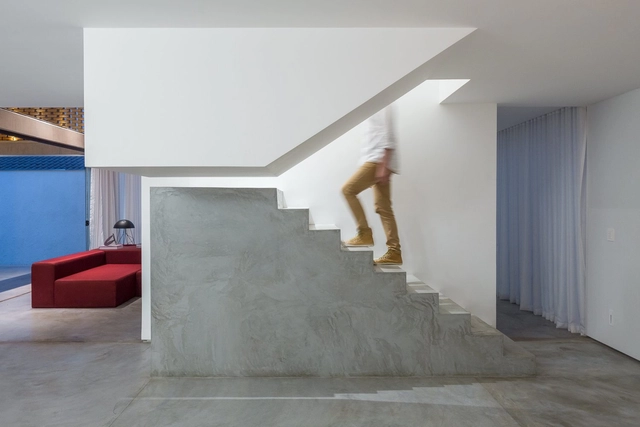
Whether to mark a change of direction, to highlight its first steps or its own presence in a room, stairs that combine two or more materials tend to draw attention by establishing dialogs between particular characteristics of each material. Concrete, steel and wood are some of the most common choices to compose the structure of stairs due to their high strength and versatility. But, when combined, these different materials expand their individual possibilities and reveal how the design can be tailored to their peculiarities and connections.
The combination of textures, colors, and finishes among materials can provide a number of creative solutions for these elements used for vertical circulation, as shown in LÂM’s Home, by AD+studio and House 9A, by 23o5Studio, characterized by stairs with a sturdy and rough base that meets a light and sleek structure of steps. The opposite composition order, a lighter base that meets a robust set of steps, thrives ingeniously in Luis Carbonell's Casa Chulavista and messina | rivas' Angatuba House, where the light wooden stairs' base is followed by raw concrete steps.
.jpg?1588809498&format=webp&width=640&height=580)


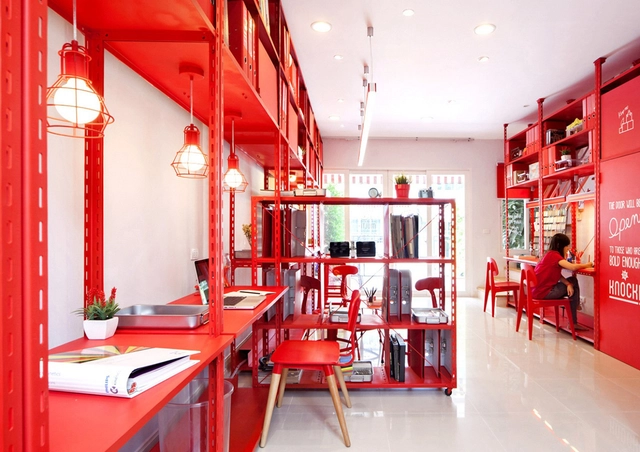
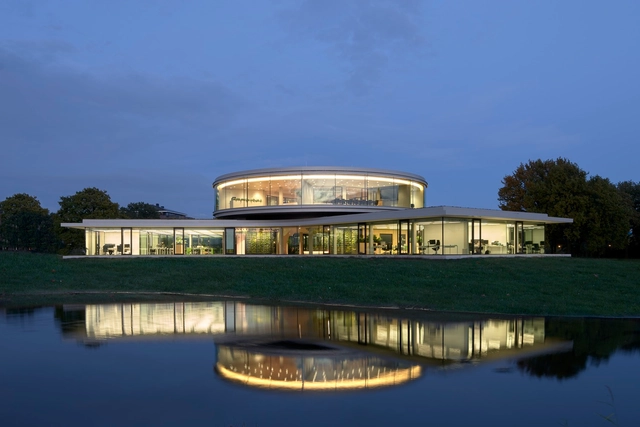
The functional distribution plays a fundamental role in the contemporary design of offices and places for work. The study of the architecture plan shows an interesting form of approach; not only allows for proper logistics and circulation but find efficient variations and innovations that will enable better workspaces that adapt to the current needs.
We have selected more than 50 plans of projects that will inspire you, recognizing the different ways in which architects have faced the challenge to design offices, in all different scale ranges.

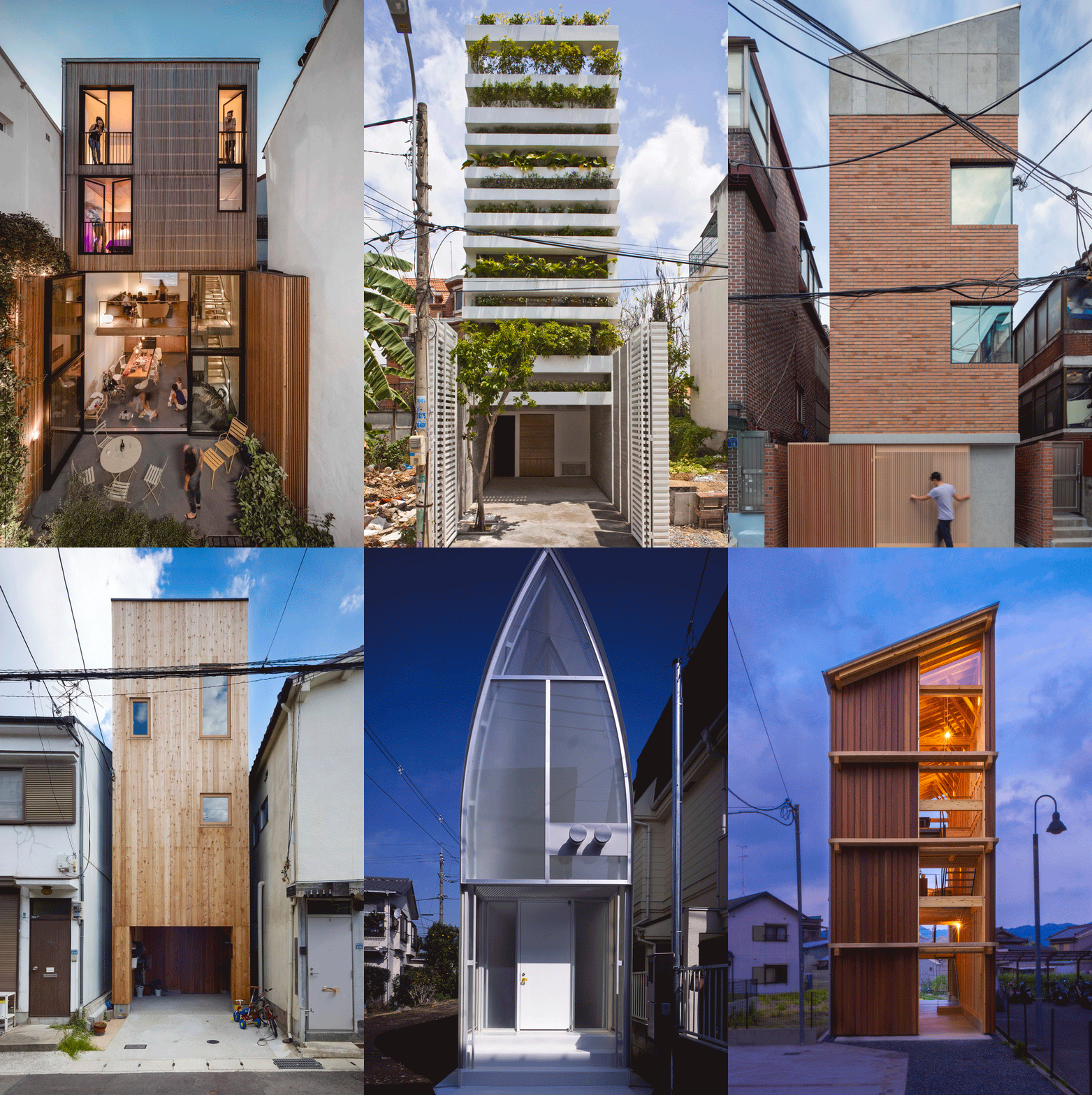
Skinny houses have a wider appeal than their footprint would suggest. With cities becoming denser, and land becoming rare and expensive, architects are increasingly challenged to design in urban infill spaces previously overlooked. Although designing within these unusual parameters can be difficult, they often require an individual, sensitive response, which can often lead to innovative, playful, even inspiring results. With that in mind, here are 22 houses with a narrow footprint, and a broad impact.


.jpg?1588808703&format=webp&width=230&height=230&crop=true)
.jpg?1588808840&format=webp&width=230&height=230&crop=true)
.jpg?1588809324&format=webp&width=230&height=230&crop=true)
.jpg?1588809037&format=webp&width=230&height=230&crop=true)
.jpg?1588809498)





.jpg?1449108948&format=webp&width=230&height=230&crop=true)


