-
Architects: Estúdio Chão
- Area: 1800 m²
- Year: 2025

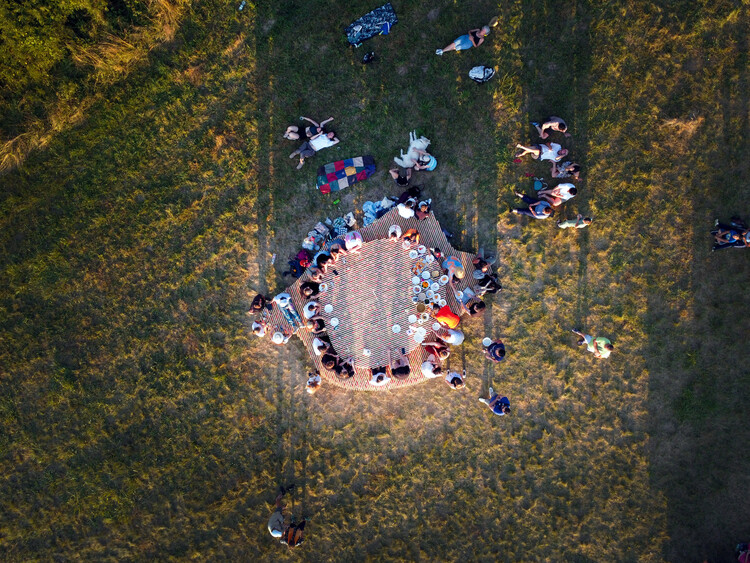
In recent years, food has taken on a renewed role within architecture, not simply as a program or typology, but as a shared spatial practice. Beyond restaurants or dining design, communal eating spaces are increasingly understood as environments where presence, ritual, and time intersect, allowing people to gather, stay, and coexist. In these settings, eating does not just happen within space; it actively shapes it, temporarily transforming ordinary, borrowed, or improvised environments into places of exchange.
This shift is visible across a wide range of built projects, installations, and community spaces that use shared meals as a way of bringing people together. Initiatives such as Fondo Supper Club frame dining as a social platform, using food to connect artists, designers, and local communities through conversation and collaboration. Similarly, sit.feast, presented during Milan Design Week 2024, approached the table as a spatial installation, one where sitting and eating together became the primary means of collectively producing space.
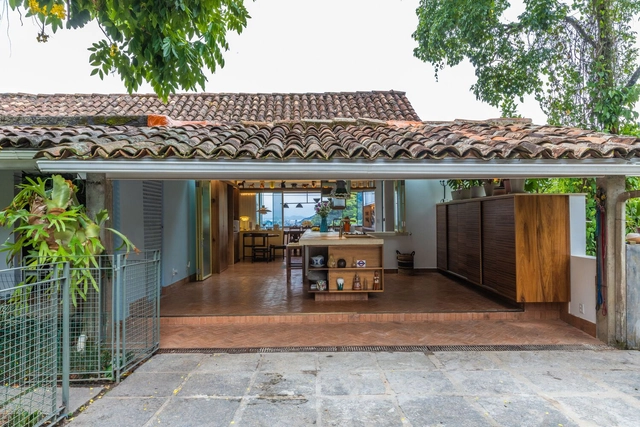
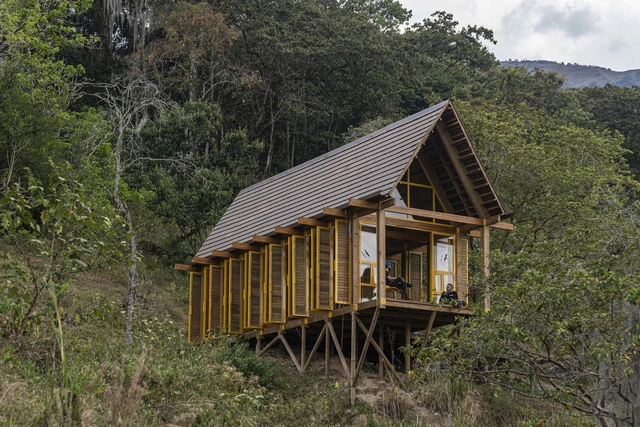
Each year, the ArchDaily Curatorial team reviews the projects that resonated most with our readers, identifying the architectural trends and design approaches that captured the greatest attention throughout the year. Across our local sites – ArchDaily Brasil and ArchDaily en Español – residential architecture remains the most popular category, with projects built in Latin America standing out year after year.
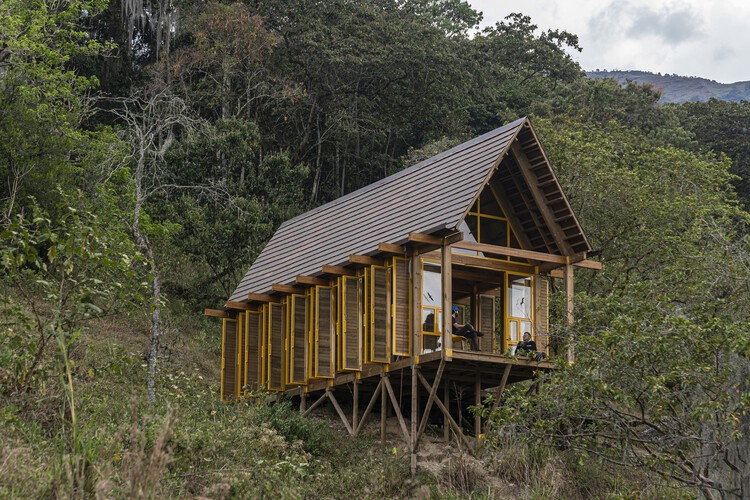
This year's selection of Best Latin American Houses brings together both renovations and ground-up projects, covering reinterpretations of local construction techniques and innovative architectural responses. The works are set in a wide range of contexts, from dense urban environments to rural and coastal landscapes.

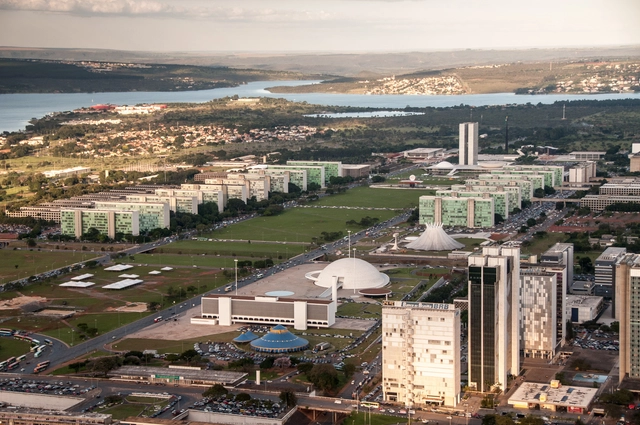
The city of Brasília, inaugurated in April 1960, is perhaps one of the greatest milestones of how architecture, urbanism, and national politics intertwine. The result of Juscelino Kubitschek's government program, which promised "50 years of progress in 5," the city stands as a testament to modernism, revealing political strategies of the era such as heavy investment in the automotive industry and the widespread use of reinforced concrete. While Brasília is a milestone in global architecture, its very existence stems from political and economic strategies implemented by the government in the late 1950s. With the 2022 elections fast approaching, it is crucial for us, as a professional field, to understand how our profession is impacted by the presidency and what we can demand from the executive branch.
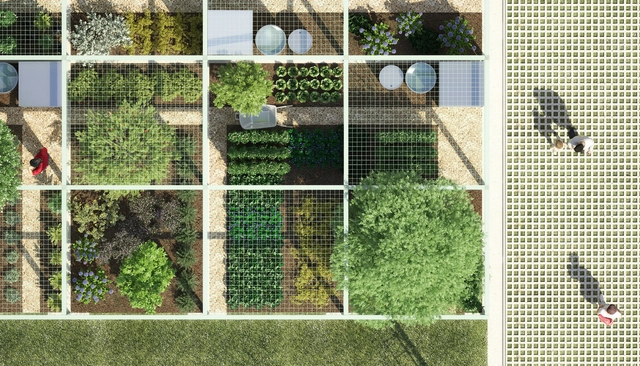
On March 31st, the Health and Nutrition Day is celebrated in Brazil, factors that are gaining more and more notoriety in the society in which we live. After more than two years living through the ups and downs of the Covid-19 pandemic and facing the evident need for a healthier, more active and community reality, it is important to reflect on how architecture and urbanism can become tools for accessing healthier daily lives.
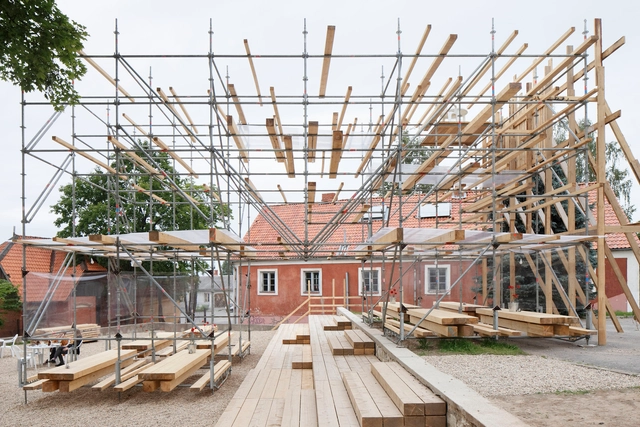
When facing emergencies such as natural disasters, warfare or pandemics, architecture must offer immediate and effective solutions. In these unfortunate circumstances, the priority is usually to solve problems around housing, however, once the emergency is under control, the focus starts to slowly move towards meeting places such as community centers, neighborhood councils and public spaces.
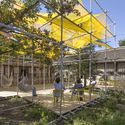
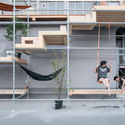
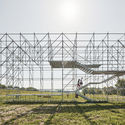
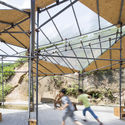
To create new meeting places in emergency situations, scaffolding is a good alternative regarding construction speed and tight budgets. Although they are usually used as temporary structures, they also allow creating a quickly composed space playing with horizontal, vertical and diagonal lines, and the combination with other materials such as textile, wood, polycarbonate and metal.