


-
Architects: Block Architects
- Area: 261 m²
- Year: 2016
-
Manufacturers: Schneider Electric, LG Electronics, Phuoc Thanh Dat Glass



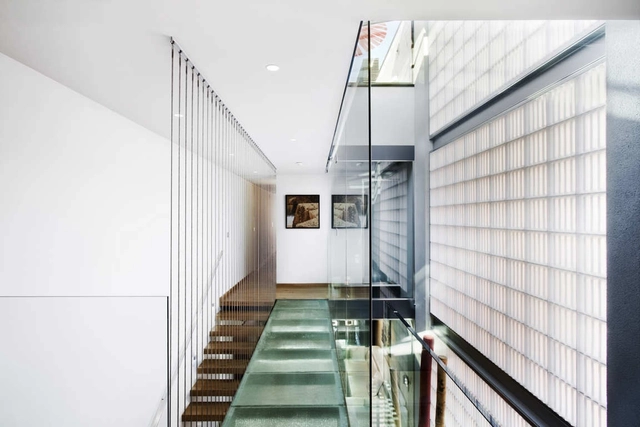
In 1977, a New York Times article by Carter B. Horsley proclaimed that “Glamorous Glass Bricks Are Booming:” once a “less than first-class” material, it was beginning to gain acceptance among architects in residential and restaurant projects for its translucence, privacy, visual interest, and sense of order. However, following the industry’s brief but widespread use of glass bricks, many now associate the material with outdated 80’s architectural styles, an aesthetic that few seem interested in reviving. Yet pioneering contemporary architects have begun using this unique material in new and distinctly modern ways, whether for sleek and minimalist bathrooms, industrial bars and restaurants, vintage residential windows, or even experimental urban facades. As Horsley stated, it appears that glamorous glass bricks are booming – again.
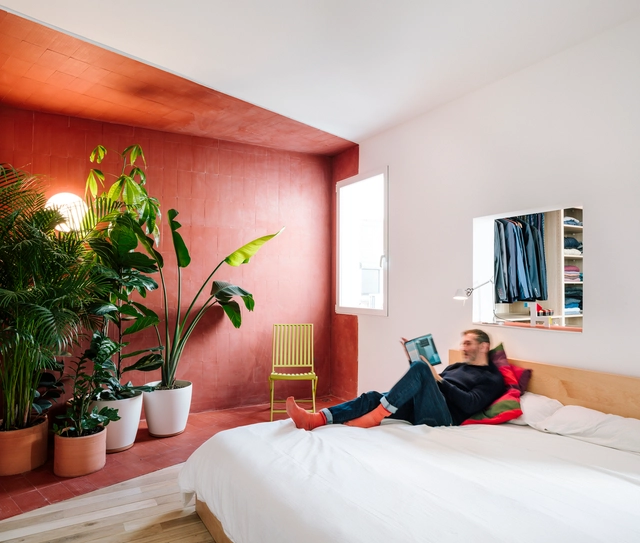
As cities around the world go on lockdown in response to the COVID-19 outbreak, most individuals have been asked to stay at home, leaving only essential workers - EMTs and other healthcare professionals, grocery workers, bus drivers, deliverymen, and more - continuing to go out to keep the world running. Other families and individuals have found themselves spending most of their time at home, permitted to leave only to buy groceries or exercise for limited periods of time. With many no doubt searching for ways to pass the time in replacement of social interaction, we suggest several ways to brighten up your home while practicing social distancing, both improving the space you’re in and giving possible activities to pass the time.



_Thibaut_Dini.jpg?1584106340&format=webp&width=640&height=580)
Interior design within architecture has become extremely relevant as architects and designers are responsible for creating pleasant spaces for people. Have you ever wondered why there are spaces in which we could stay for hours and others that generate instant rejection? These sensations are achieved through the correct management of various parameters that guarantee comfort in interior spaces.
Comfort in interior design, explained in a simple way, is provided in spaces that produce well-being. This, undoubtedly, can be a somewhat subjective and personal concept for each individual, but there are several parameters and building regulations to follow in design projects.
.jpg?1580981659&format=webp&width=640&height=580)

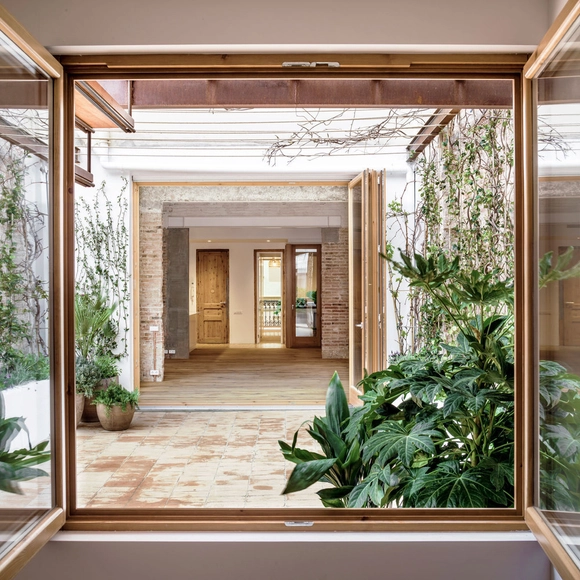
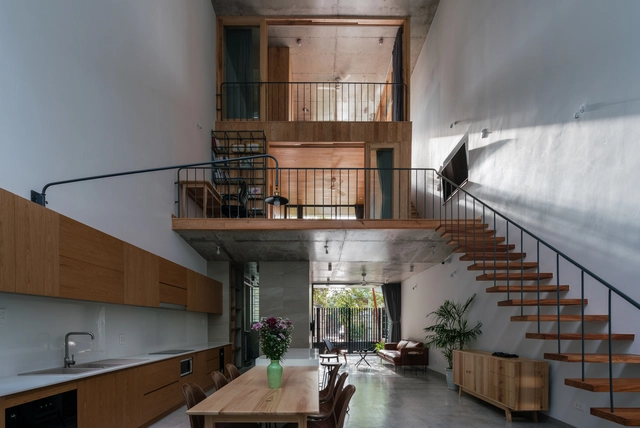
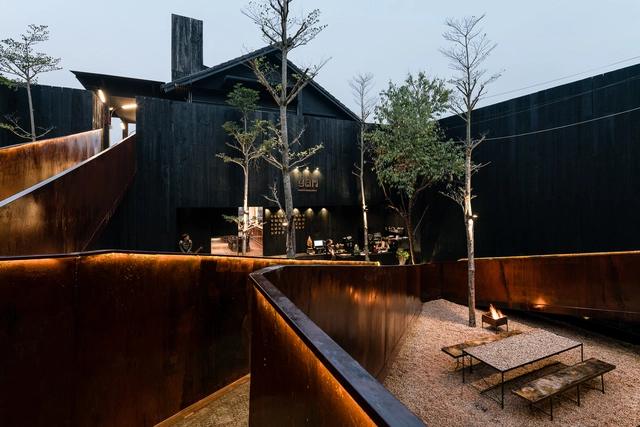
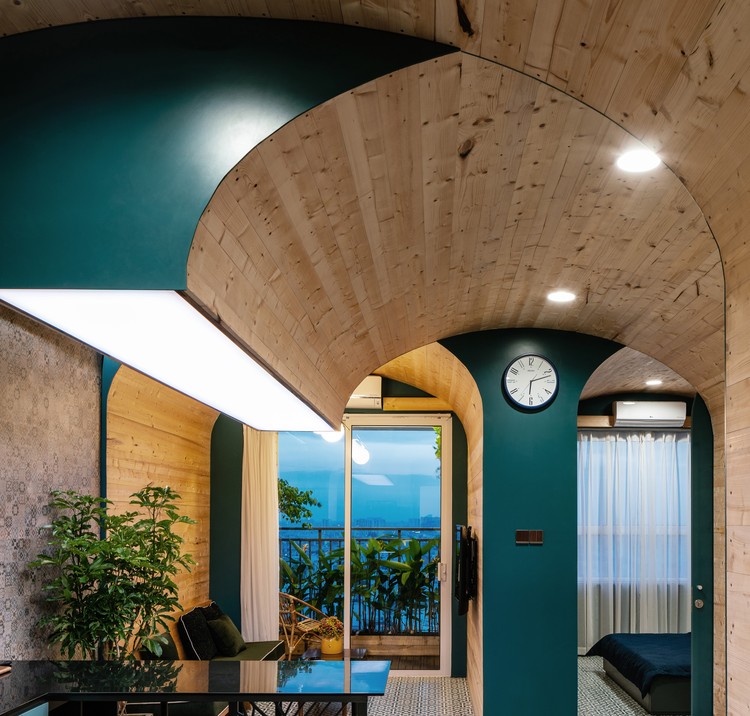
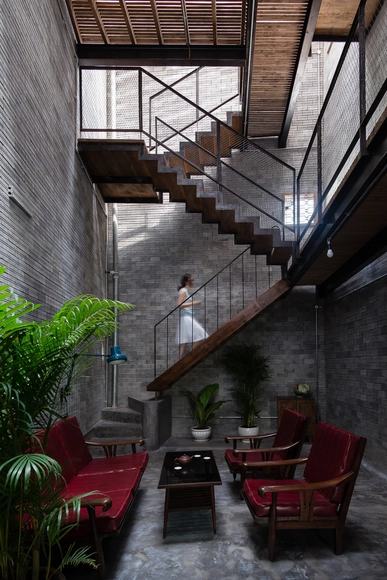
Indoor gardens can contribute important benefits to home living, ranging from aesthetic beauty to improved health and productivity. Research has shown that indoor plants help eliminate indoor air pollutants called Volatile Organic Compounds (VOCs) that emanate from adhesives, furnishings, clothing, and solvents, and are known to cause illnesses. They also increase subjective perceptions of concentration and satisfaction, as well as objective measures of productivity. Indoor gardens may even reduce energy use and costs because of the reduced need for air circulation. These benefits complement the obvious aesthetic advantages of a well-designed garden, making the indoor garden an attractive residential feature on several fronts.









_Norihito_Yamauchi.jpg?1584103338&format=webp&width=230&height=230&crop=true)
_Jan_Vranovsky.jpg?1584097164&format=webp&width=230&height=230&crop=true)
_Tess_Kelly.jpg?1584097178&format=webp&width=230&height=230&crop=true)
_.jpg?1584104381&format=webp&width=230&height=230&crop=true)
_Thibaut_Dini.jpg?1584106340)





.jpg?1580981869&format=webp&width=230&height=230&crop=true)
.jpg?1580982117&format=webp&width=230&height=230&crop=true)
.jpg?1580982612&format=webp&width=230&height=230&crop=true)
.jpg?1580981790&format=webp&width=230&height=230&crop=true)
.jpg?1580981659)