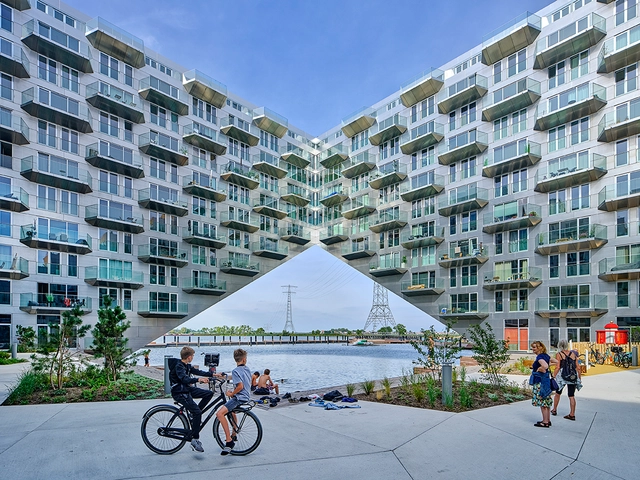
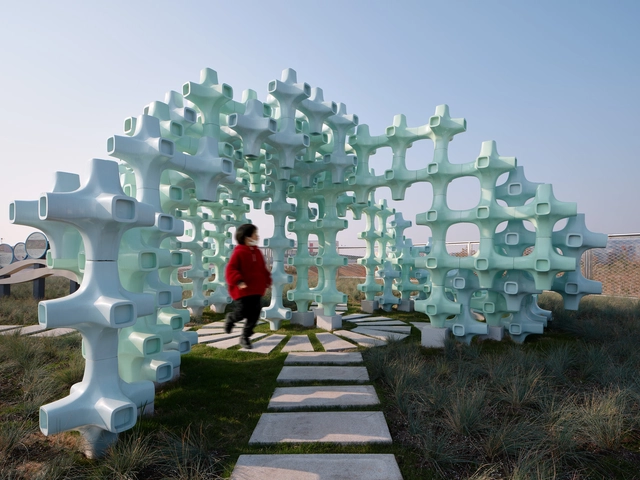
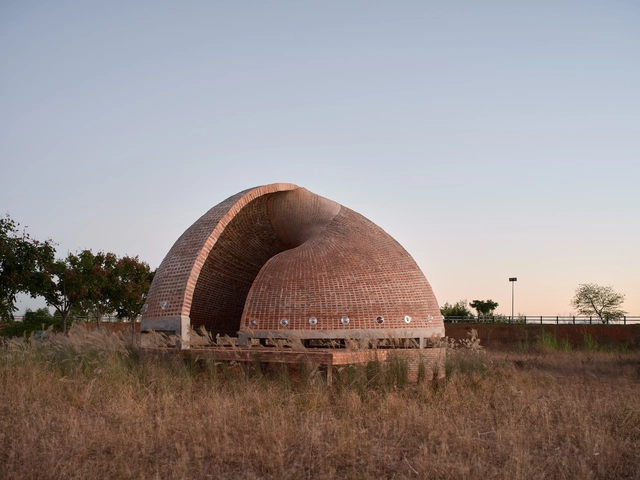
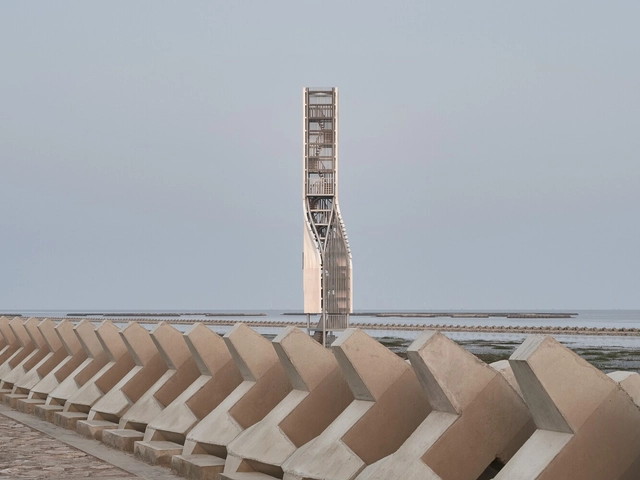
Architecture is, above all, a material reality. The materials that surround us are the result of a chain of constructive, economic, aesthetic and, in more contemporary examples, environmental considerations. Decisions are shaped by available technology, manageable technique, time-related expectations and regulatory frameworks. To face the pressures on our built environment, those multidimensional conditions must change through what we call innovation: the tangible creation of new products and strategies with problem-solving capabilities. Matter is the general term for physical substance that has mass and takes up space. When matter is given a specific type, form, or useful application, it becomes material. Material transformation therefore requires going beyond recycling and reuse: combining existing matter to create new materials that open up new possibilities for construction. The research presented below suggests that demonizing existing materials is unnecessary as long as this capacity for innovation exists.