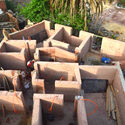
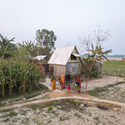
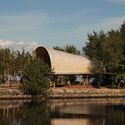
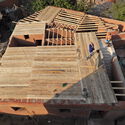
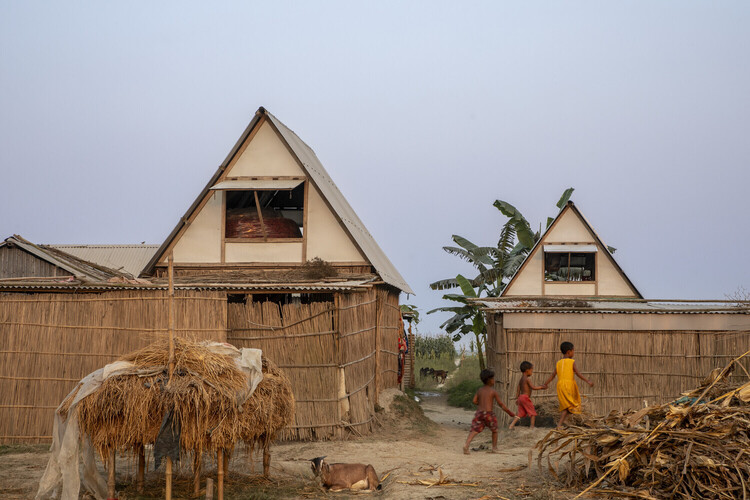
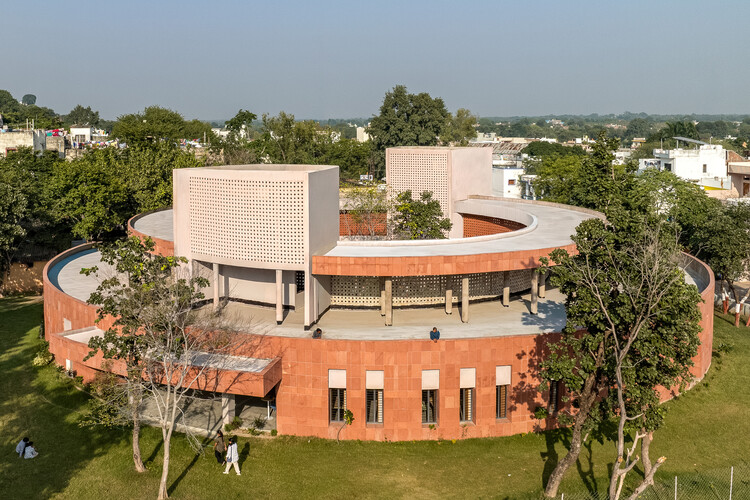
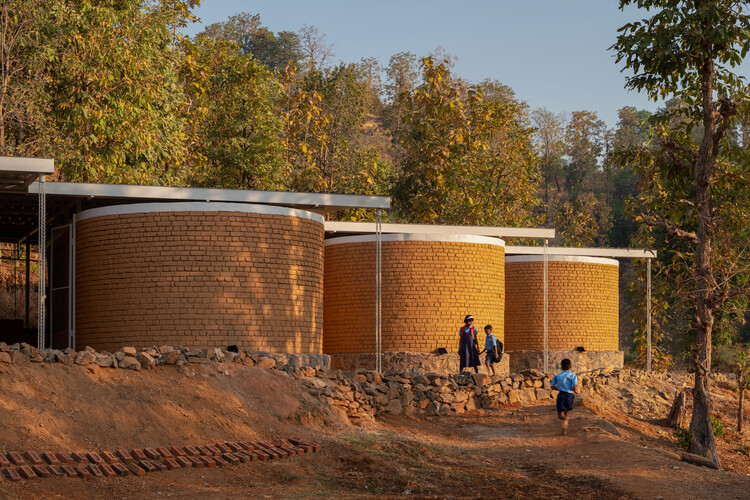
Across different climates and building cultures, many contemporary projects are working with local ways of building in new ways. Earth walls, bamboo structures, shaded thresholds, and collective construction processes are being reconsidered not as references, but as tools for the conditions architecture is facing now and will continue to face.
In these projects, vernacular knowledge appears through practical decisions: how to cool a building without machines, how to build with what is nearby, how to make a structure easier to repair, and how to keep construction knowledge within the community that will use it. The conditions making this knowledge necessary are not coming. They are already here.
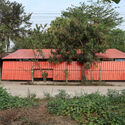
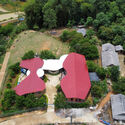
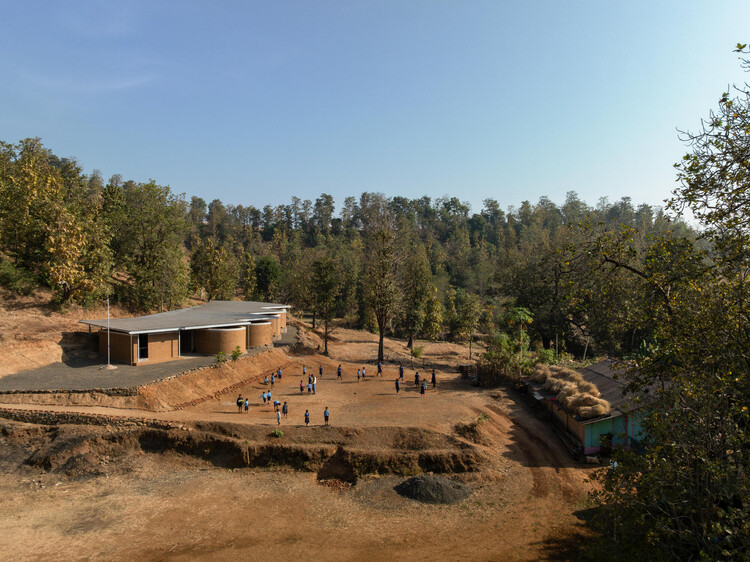
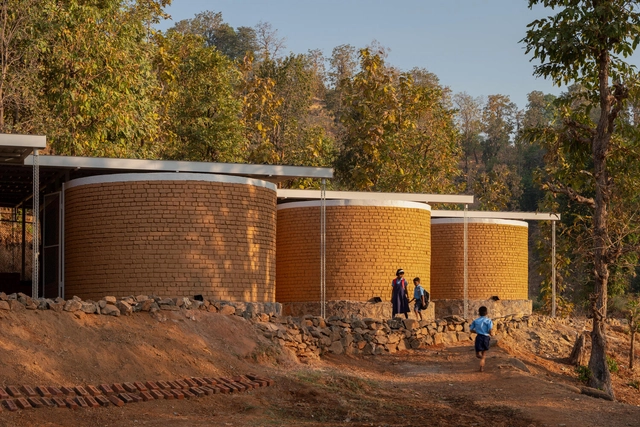
In the mountainous regions of Vietnam, the borderlands of Thailand, and the rugged Western Ghats of India, building school projects remains a challenge defined by logistics. In areas where infrastructure and industrial supply chains are limited or distant, transporting each kilogram of material can significantly increase costs and logistical complexity. During 2025, several school projects in rural contexts in Asia showed how the architect's role often shifted from a designer of form to a strategist of procurement. The primary challenge was not merely aesthetic but a matter of durability: using locally available materials and protecting them from monsoon rains, high-velocity winds, and sometimes seismic instability.
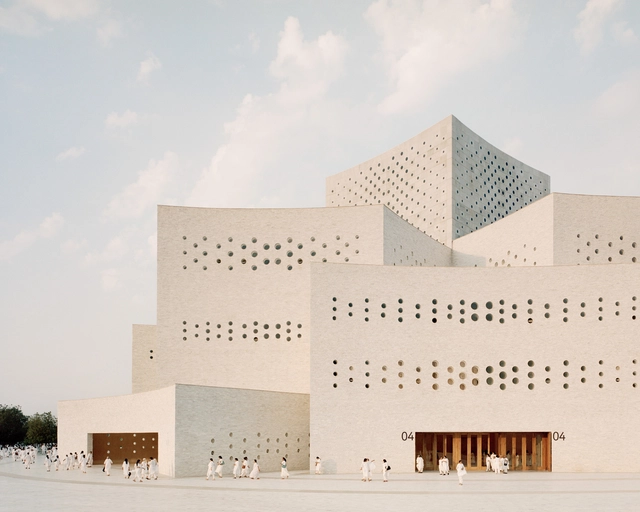
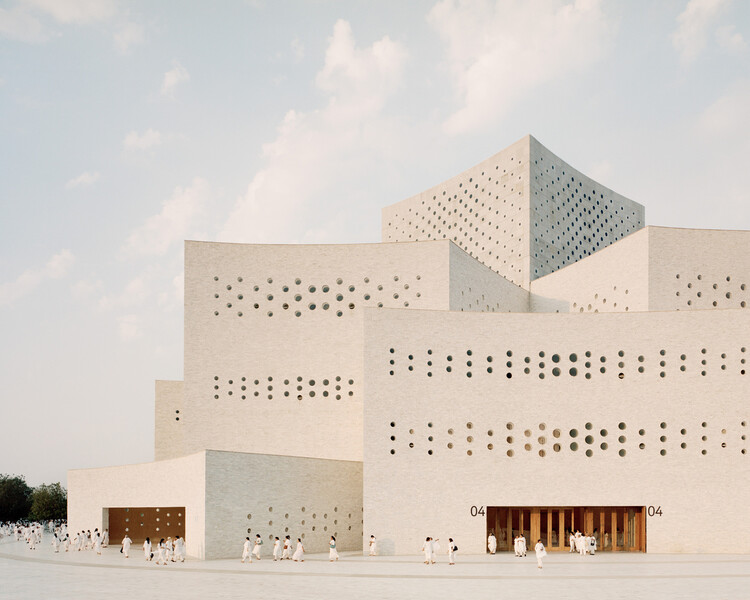
As the year culminates, it's once again time for the ArchDaily team of curators to reflect on the best-performing projects of 2025 and consider what readers were most interested in. Through this diverse overview, we assess the cross-continental similarities and differences in trends and construction development. This year brought us many grand cultural and public spaces by Lina Ghotmeh, BIG, Zaha Hadid Architects, DnA, and Serie Architects, who populated events like Expo Osaka and the Venice Biennale, as well as a surprising number of museums and public or landscape works in China and the rest of the Asian continent. However, while these were sought-after projects, the leading works remained, unsurprisingly, residential projects.
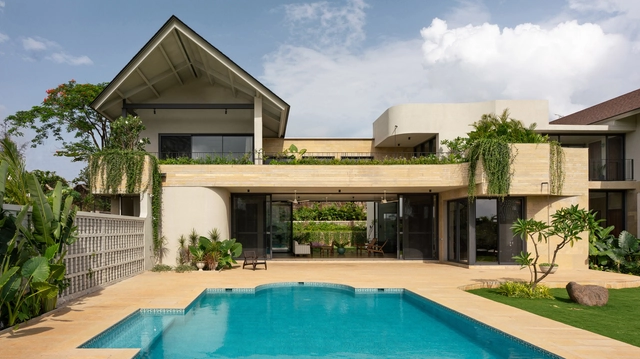
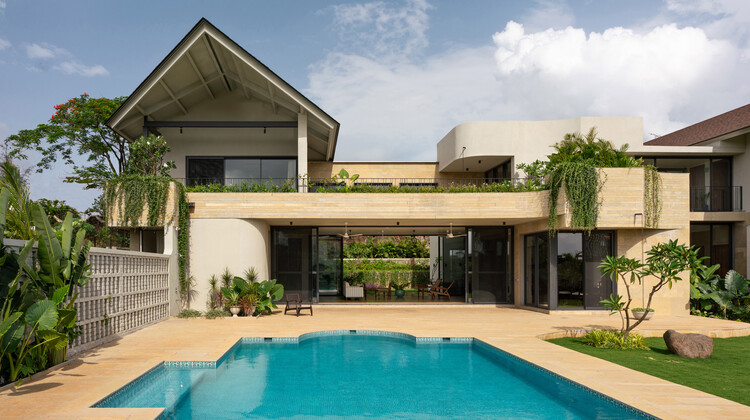
More specifically, the houses that were most viewed on the ArchDaily global site were concrete houses that bore considerable injections of greenery and landscape focus. They propose layouts highlighting voids and double heights, as well as inner courtyards or large openings to the exterior. While some references did suggest traditional or vernacular elements, modernist revivals were still predominant. Material trends are much more tame, with a recurrence of raw concrete use, as wood and stone were common accent elements. Still, the more interesting thing about the works this year is the efforts brought by architects in situating and setting the projects within their surroundings, bringing special attention to landscape and how projects merged with nature.