


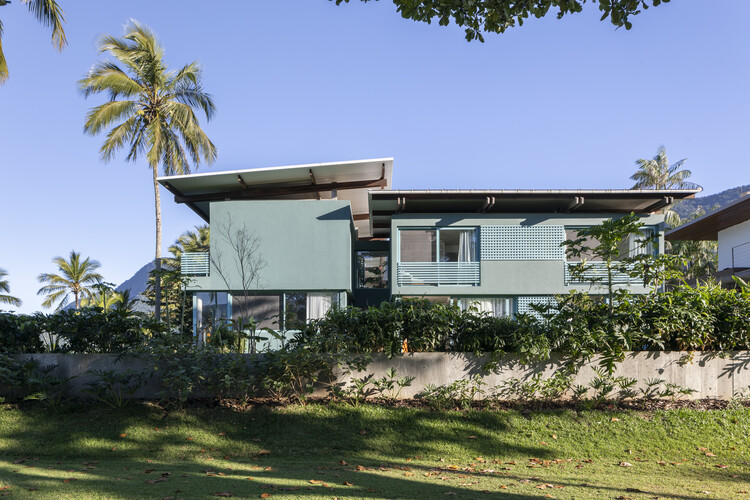
-
Architects: André Vainer Arquitetos
- Area: 505 m²
- Year: 2023
-
Manufacturers: Coral, Deca, FÓRMICA BRASIL, REKA

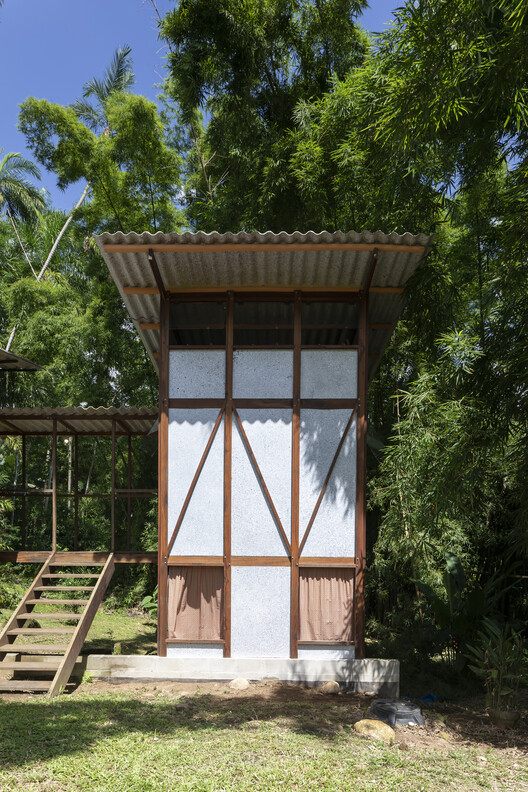
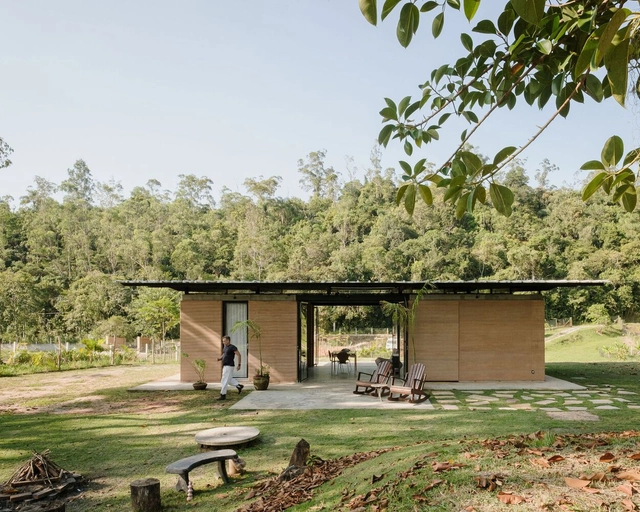
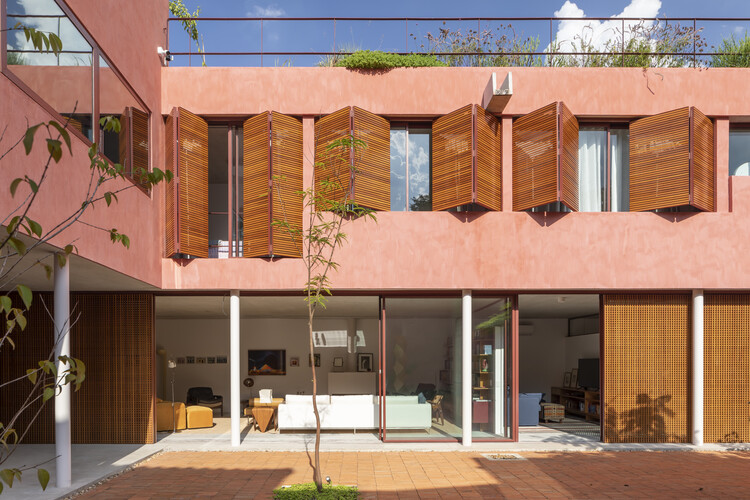
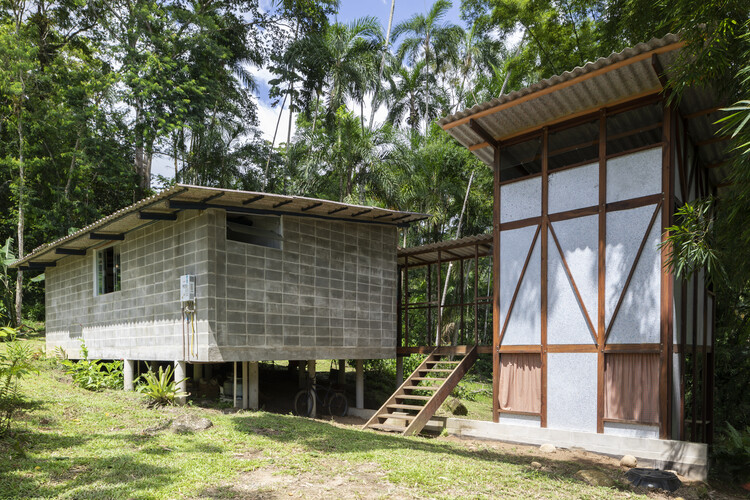
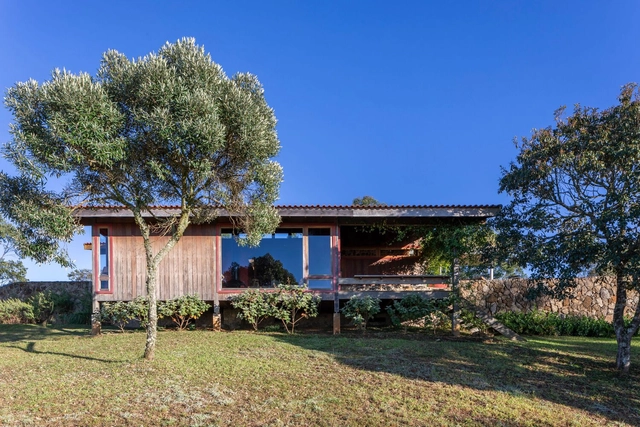
As another year comes to a close, the ArchDaily team gathers the highlights of architecture in a series of retrospectives reflecting on the content featured over the past twelve months. As part of this effort, our curation team turns its attention to one of the most popular categories among our readers, residential architecture, selecting the projects that represent the best of a vast global architectural production, as seen through the eyes of our audience.
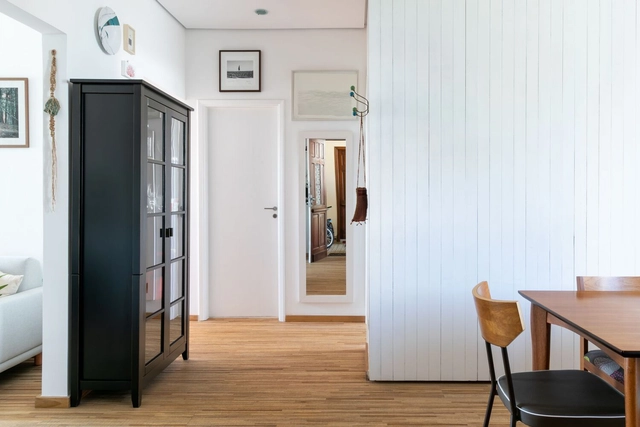

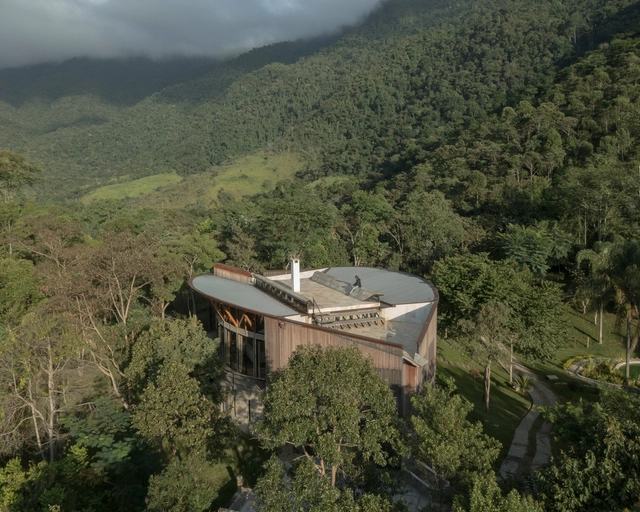
ArchDaily's curation team strives daily to present our readers with the most significant, inspiring, and innovative projects, expanding the knowledge and repertoire of students and architects worldwide. From small renovations to projects designed from scratch, residential architecture is a constant in the daily practice of most firms. Year after year, we see the deep interest this typology sparks: it remains the most popular category among our audience.
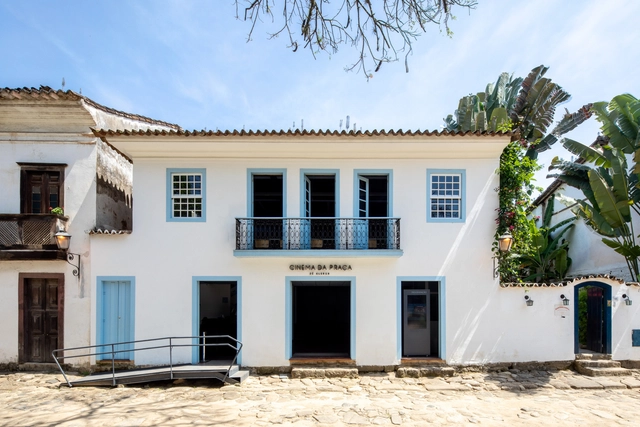
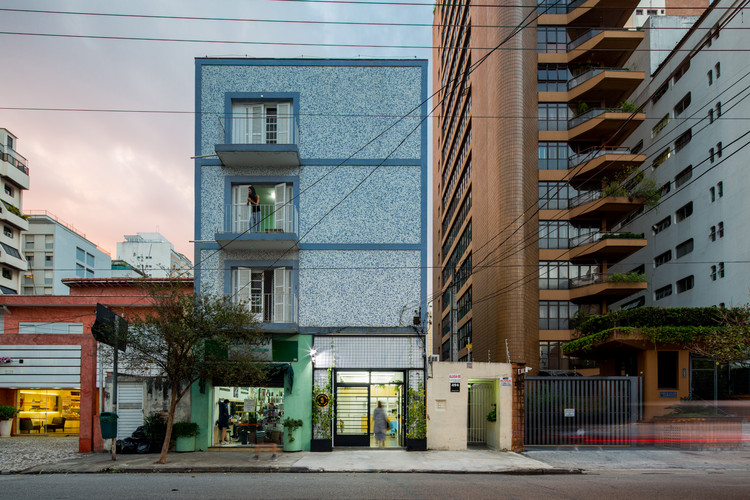
Territorial occupation responds to a series of factors; indeed, it is through economic development and the distribution of income, labor, and services across the territory that we see cities grow and expand. Neighborhoods and regions are gradually transformed in response to current economic models. This logic creates urban voids in the form of fully completed buildings, equipped with complete infrastructure, yet remaining vacant or underutilized. The trajectory of historic centers and street cinemas illustrates this logic, prompting us to reflect on how to address these challenges in the contemporary city.
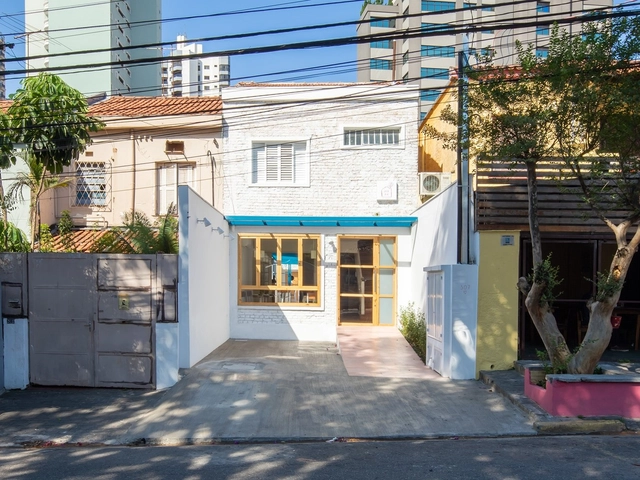

![From the object to the city, in search of possible poetics: interview with [entre escalas] - Featured Image](https://snoopy.archdaily.com/images/archdaily/media/images/686d/58dd/c677/407c/837f/55e8/slideshow/do-objeto-a-cidade-em-busca-de-poeticas-possiveis-entrevista-com-entre-escalas_1.jpg?1751996647&format=webp&width=640&height=580)
Founded by architect Marina Canhadas in 2018, the practice [entre escalas] emerged from the intersection of professional practice, academic research, and international experience. With a career shaped by competitions, collaborations, and tenures at firms in Brazil and Mexico, Marina has consolidated an approach that values context and building history, particularly in projects dealing with pre-existing structures—one of the firm's primary areas of focus.
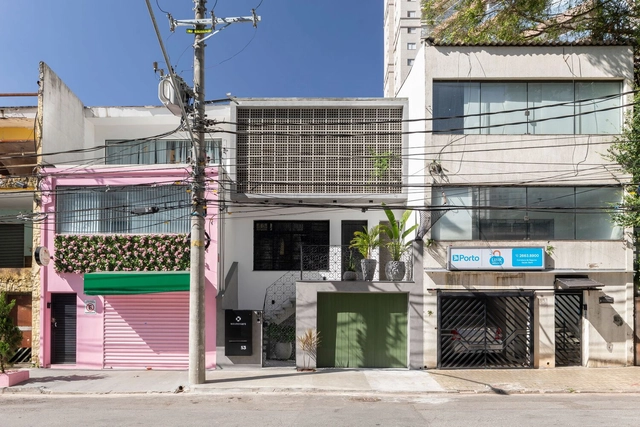
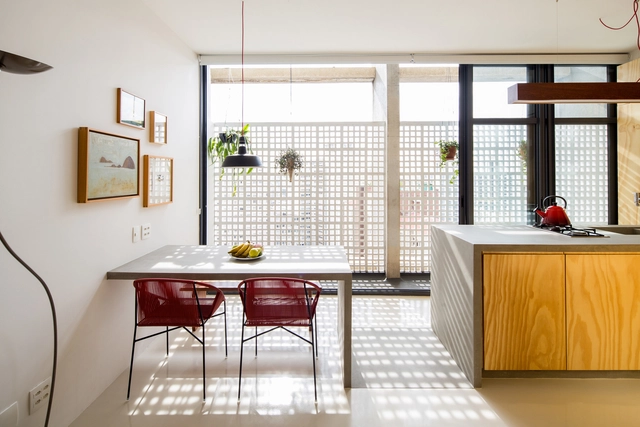
[entre escalas]' work stands out for its sensitivity to time and building memory. Renovations of historic townhouses, such as Casa Saracura and Casa Apiacás, reveal a kind of architectural archaeology that seeks to recover original techniques, materials, and even natural flows, reinterpreting these elements to foster new possibilities of use and connection with the surroundings. The act of removing layers—both physical and symbolic—is seen as a way to reveal hidden histories, connecting past and future.
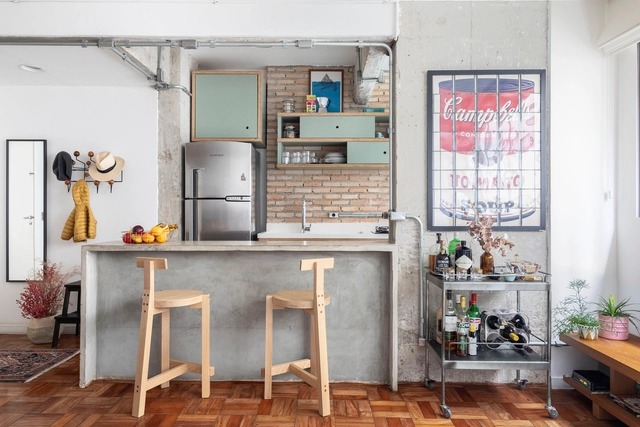








![From the object to the city, in search of possible poetics: interview with [entre escalas] - More Images](https://images.adsttc.com/media/images/686d/58dd/c677/407c/837f/55e8/newsletter/do-objeto-a-cidade-em-busca-de-poeticas-possiveis-entrevista-com-entre-escalas_1.jpg?1751996647)


.jpg?1545887068&format=webp&width=230&height=230&crop=true)
.jpg?1545886986&format=webp&width=230&height=230&crop=true)
.jpg?1545887109&format=webp&width=230&height=230&crop=true)
.jpg?1545886555&format=webp&width=230&height=230&crop=true)


