BROWSE ALL FROM THIS PHOTOGRAPHER HERE

Local Colors in Rammed Earth Construction: 50 Projects Revealing Earth's Vibrant Palette

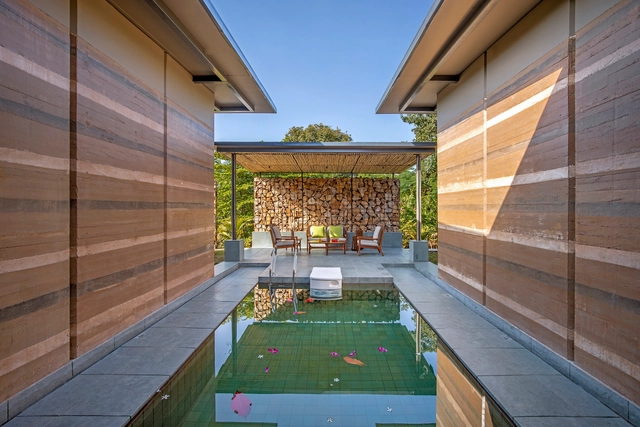
With the proper know-how, readily available earth, sand, chalk, lime, or gravel can yield a versatile, strong, and durable construction material. Its colorful results vary from region to region, depending on the natural soil component, climate, and treatment. While some prefer to minimize any added processing, others relish the exploration of rammed earth surfaces. Different textures and mesmerizing layers of multitoned or multicolored earth can be used to create a solid surface that enriches the visual quality of a space and carries a sense of warmth to any project. 

Local Colors in Rammed Earth Construction: 50 Projects Revealing Earth's Vibrant Palette - More Images+ 46

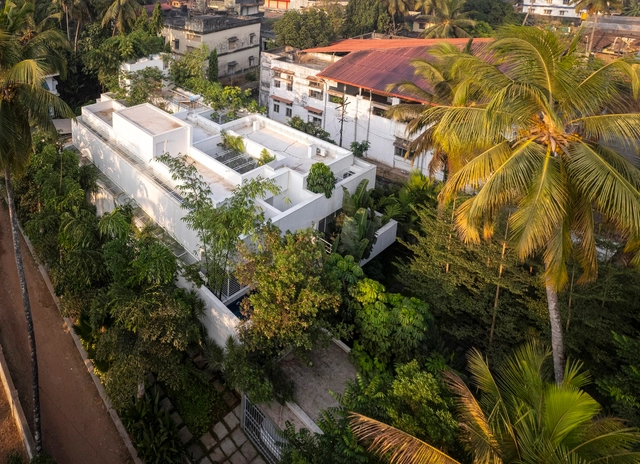
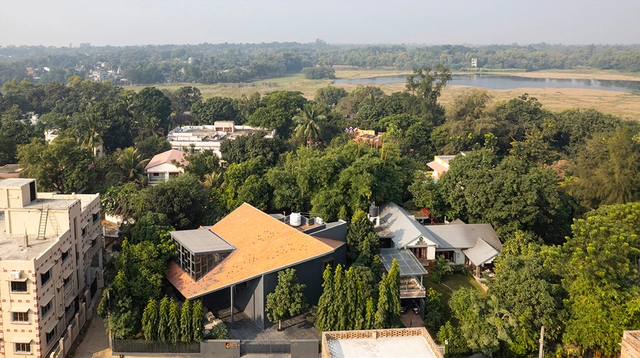
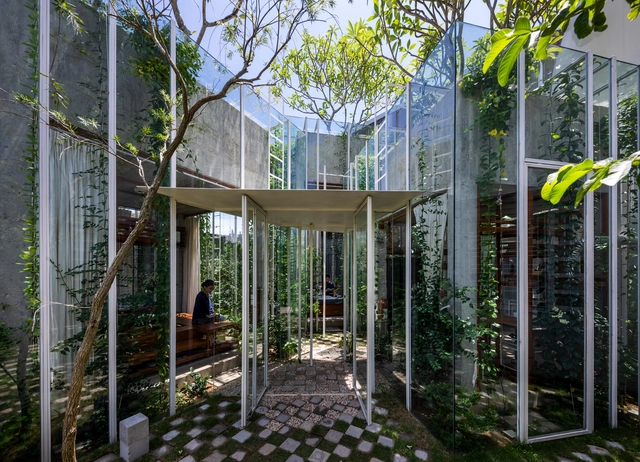
Veiled House / Gaurav Roy Choudhury Architects GRCA

Veiled House / Gaurav Roy Choudhury Architects GRCA - More Images+ 27

Kundapura, India

Color in Hospitality Design: 20 Restaurant Interiors that Set the Right Tone

In the competitive world of restaurants – particularly at a time when influencers are gaining more and more control over the sphere of fine dining –, creating a memorable meal experience is crucial for attracting and retaining customers. While factors like food quality and service certainly play pivotal roles in making diners return to their eatery of choice, the impact that restaurant interiors can have on an establishment's longevity should not be overlooked. Among the various elements contributing to a memorable ambiance, color takes center stage. We delve into the significance of striking the right tone in restaurant design through 20 projects from our ArchDaily database.

Color in Hospitality Design: 20 Restaurant Interiors that Set the Right Tone - More Images+ 21

Perforated Architecture: 20 Projects that Bring Back the Historic Musharrabiya

Subscriber Access | 

There is often an intricate relationship between architecture and the environment. Each part of the world has defined its own architectural techniques based on its unique climatic conditions. However, environmental concerns in the 21st century provoked new techniques, implementing solutions to preserve natural resources and provide thermal comfort. While some opted for a futuristic approach with mechanical and technologically-advanced solutions, others decided to go back in time and explore how civilizations protected their people, architecture, and environment when they had nothing else to resort to but the environment itself. In this article, we look at how Musharrabiyas found their way back into modern-day architecture as significant vernacular features.

Perforated Architecture: 20 Projects that Bring Back the Historic Musharrabiya - More Images+ 23

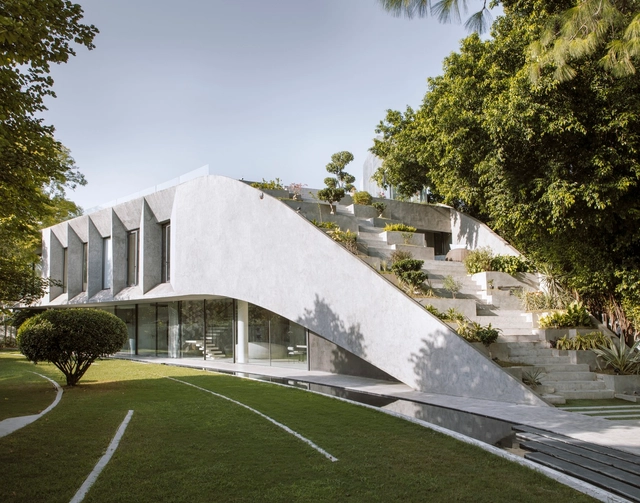
Arthshila – Cultural Adaptation Re-using Private Infrastructure / Abin Design Studio

Arthshila – Cultural Adaptation Re-using Private Infrastructure / Abin Design Studio - More Images+ 20

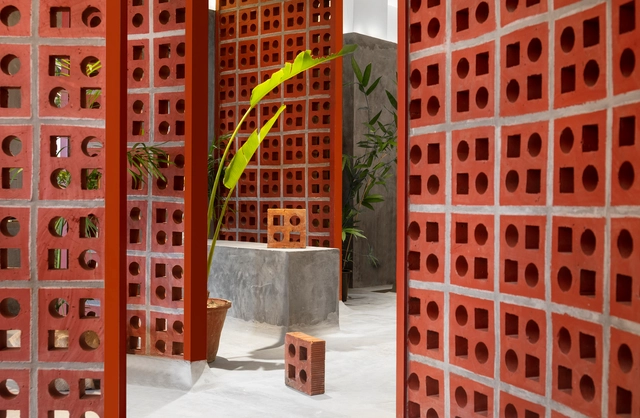
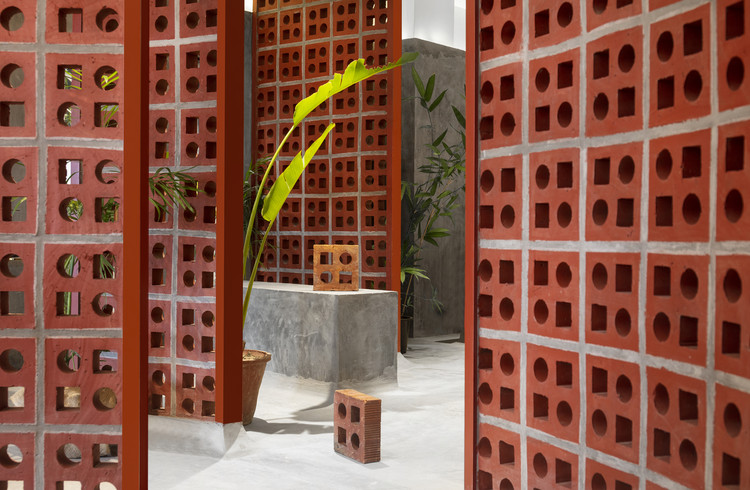
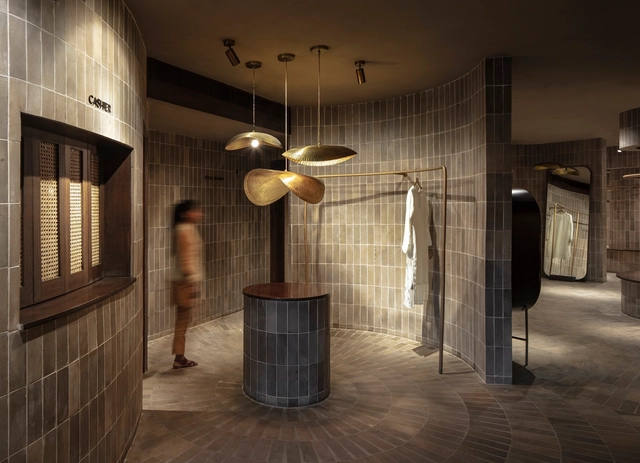
MUD MATRIX Store / RENESA Architecture Design Interiors Studio

MUD MATRIX Store / RENESA Architecture Design Interiors Studio - More Images+ 16

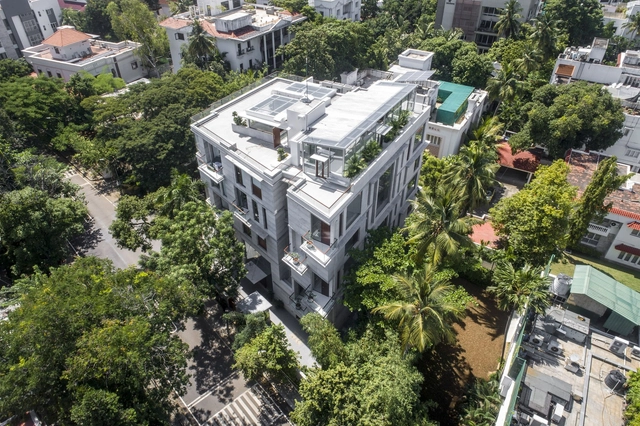
Boat Club Apartments / SJK Architects

Boat Club Apartments / SJK Architects - More Images+ 29

Chennai, India

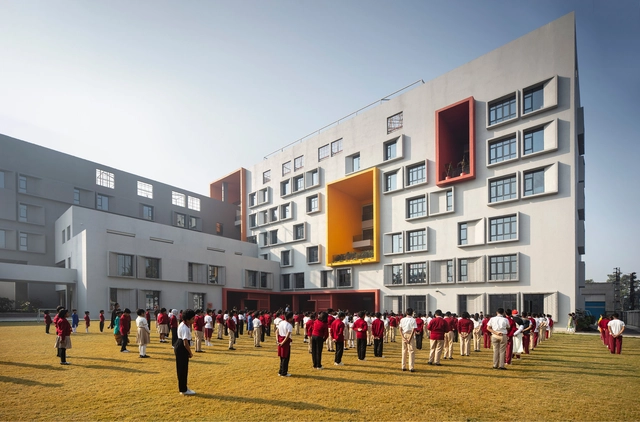
Swarnim International School / Abin Design Studio

Swarnim International School / Abin Design Studio - More Images+ 19

Kolkata, India

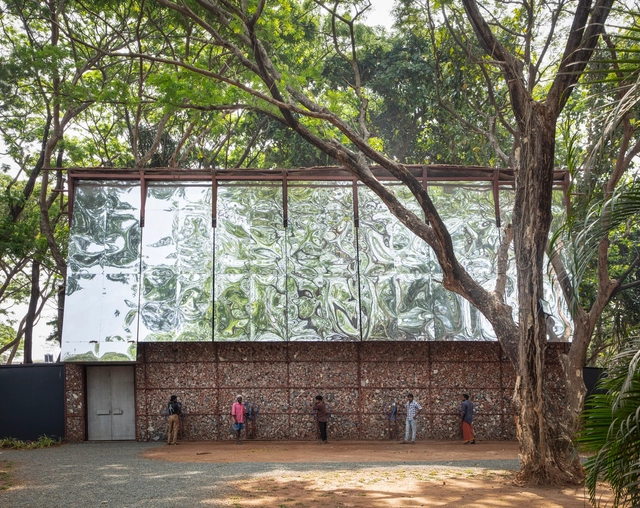
The Container, Kochi Muziris Biennale 2023 / Samira Rathod Design Atelier

The Container, Kochi Muziris Biennale 2023 / Samira Rathod Design Atelier - More Images+ 48

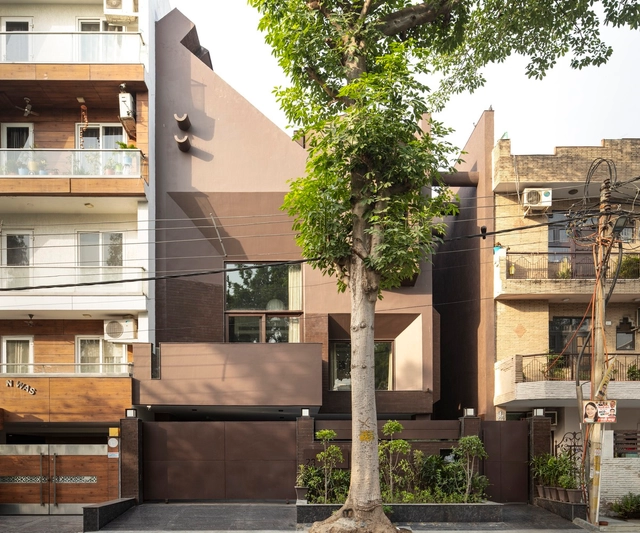
Casa Brut / RENESA Architecture Design Interiors Studio

Casa Brut / RENESA Architecture Design Interiors Studio - More Images+ 16

New Delhi, India

Best Houses of 2022

As 2022 winds down, ArchDaily brings together the highlights of architecture in a series of retrospectives. As part of this effort, the Projects Team turns to one of the most popular categories among readers—residential architecture—with the objective of gathering the houses that represent the best of a vast world of architectural production according to our worldwide audience.

Best Houses of 2022 - More Images+ 46

Sustainability, A.I., and the Future of Construction in India: An Interview with Amit Gupta

Subscriber Access | 

Currently working on 45 simultaneous projects, including India’s largest bio-diversity park in India and the second largest in the world, Amit Gupta has been leading Studio Simbiosis for the past 12 years with a special focus on sustainability where performance follows experience more than form following function.

In this 2022 version of the World Architecture Festival, in Lisbon, ArchDaily had the opportunity to talk with Amit Gupta and discuss the main philosophy behind Studio Simbiosis, the challenges of building in India’s low-tech context, and the future of artificial intelligence and the metaverse in architectural design.

Sustainability, A.I., and the Future of Construction in India: An Interview with Amit Gupta - More Images+ 2

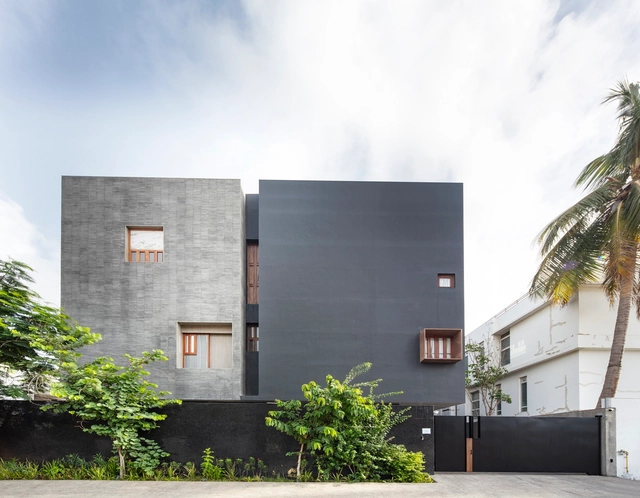
Cool House / Samira Rathod Design Atelier

Cool House / Samira Rathod Design Atelier - More Images+ 40

Bharuch, India

The Hem House / Portal 92

The Hem House / Portal 92 - More Images+ 15

Muzaffarnagar, India

Villa KD45 Residence / Studio Symbiosis

Villa KD45 Residence / Studio Symbiosis - More Images+ 32

Ghaziabad, India

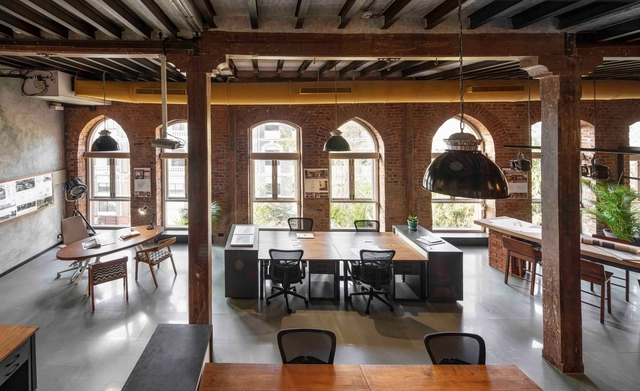
The Loft | Redefined Office / Studio PKA

The Loft | Redefined Office / Studio PKA - More Images+ 21

  • Architects: Studio PKA
  • Area Area of this architecture project Area:  2100 ft²
  • Year Completion year of this architecture project Year:  2022

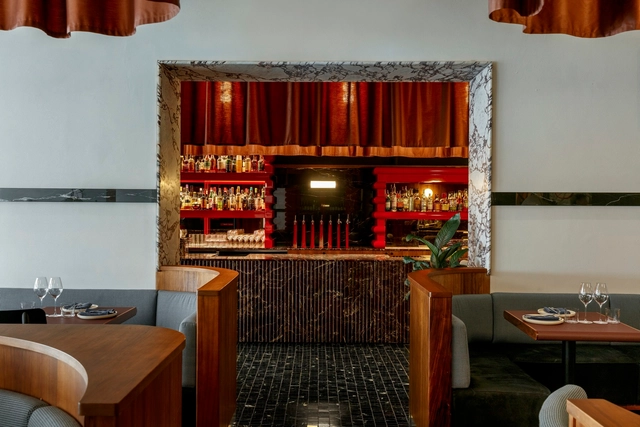
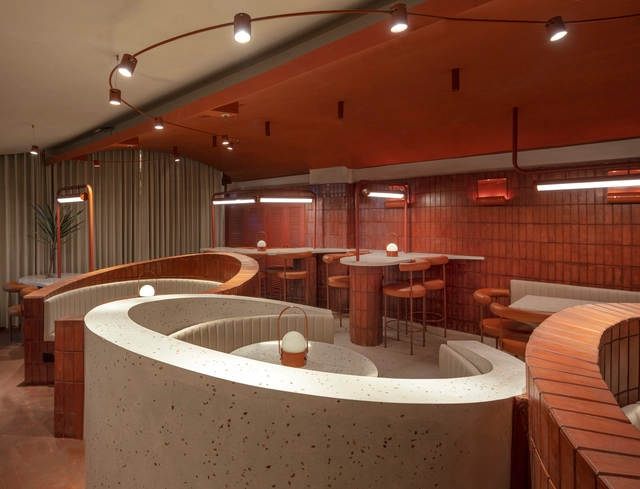
Rosie and Tillie Restaurant and Bar / RENESA Architecture Design Interiors Studio

Rosie and Tillie Restaurant and Bar / RENESA Architecture Design Interiors Studio - More Images+ 23

Materials to Build India's Identity

Subscriber Access | 
Materials to Build India's Identity  - Featured Image
© Andre J Fanthome

Upon becoming a sovereign country, free from British Rule, the people of India found themselves faced with questions they had never needed to answer before. Coming from different cultures and origins, the citizens began to wonder what post-independence India would stand for. The nation-builders now had the choice to carve out their own future, along with the responsibility to reclaim its identity - but what was India's identity? Was it the temples and huts of the indigenous folk, the lofty palaces of the Mughal era, or the debris of British rule? There began a search for a contemporary Indian sensibility that would carry the collective histories of citizens towards a future of hope.

Materials to Build India's Identity  - More Images+ 26