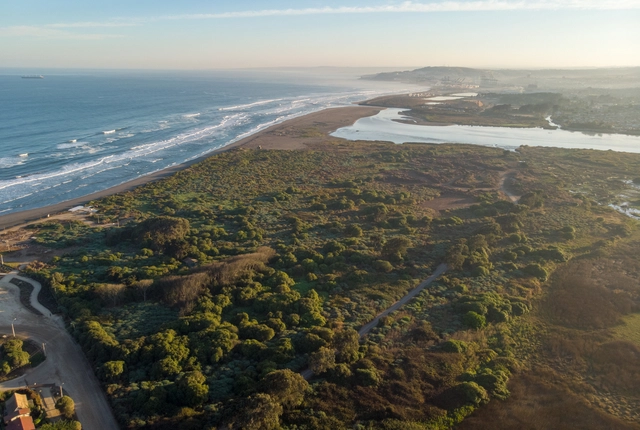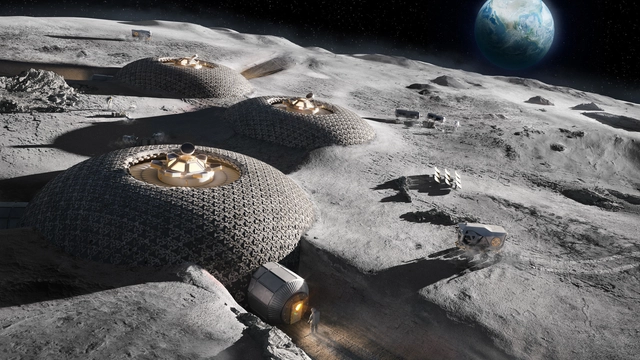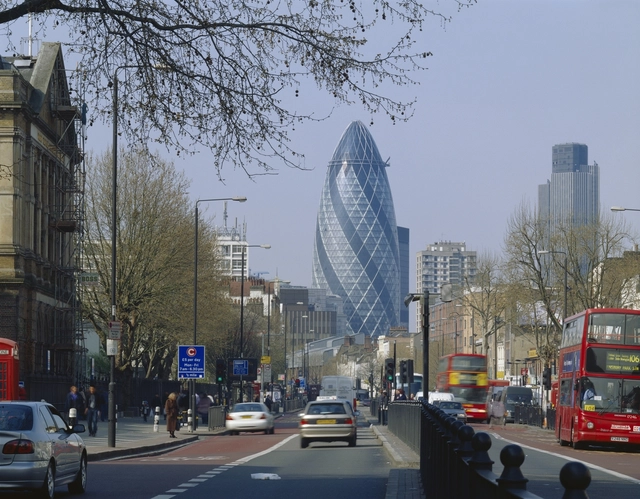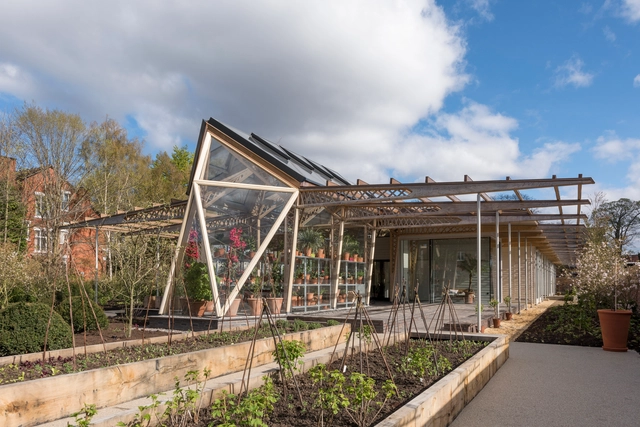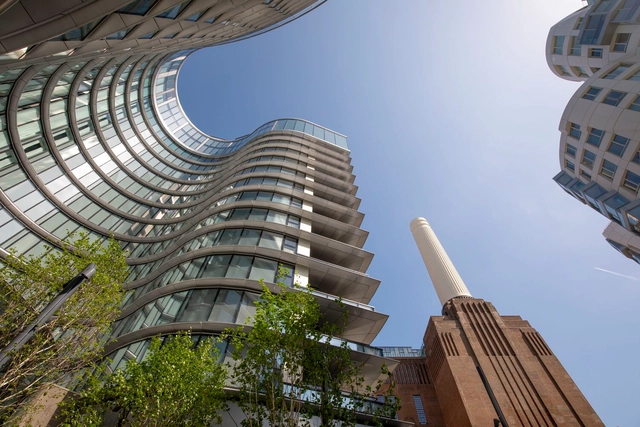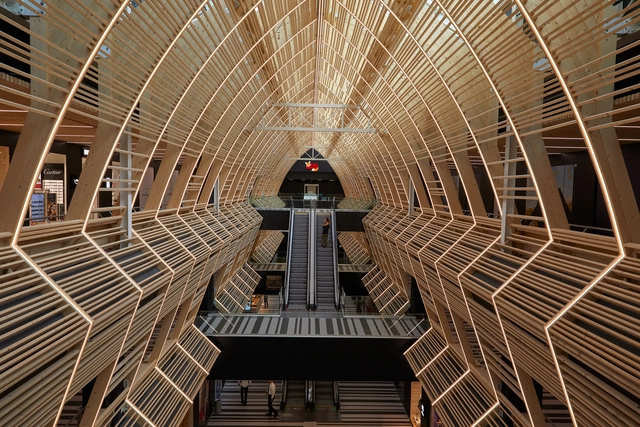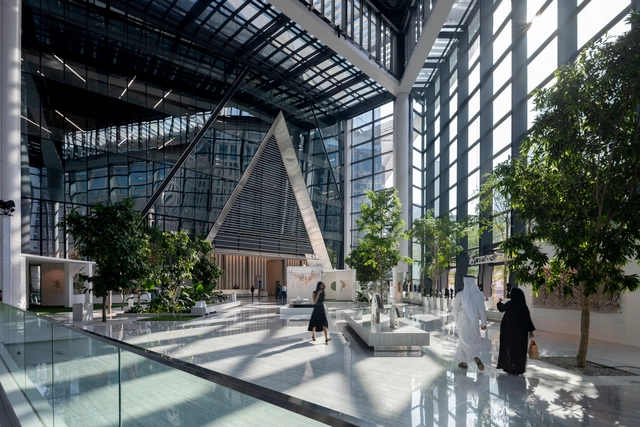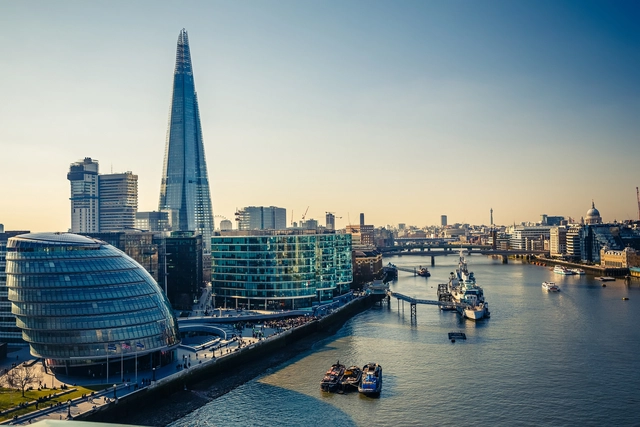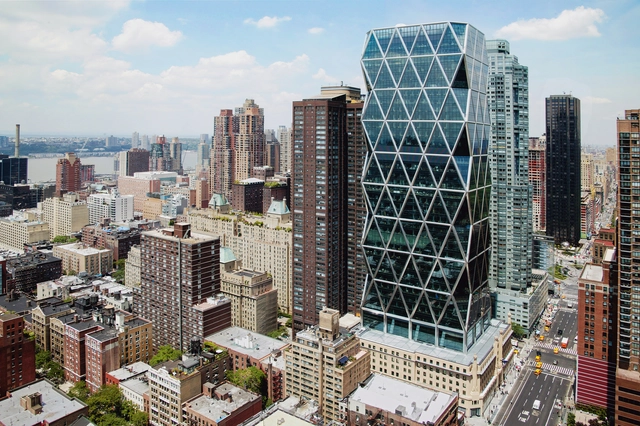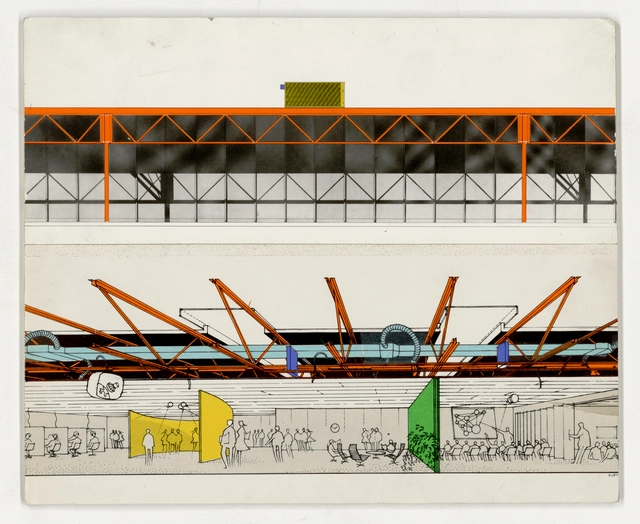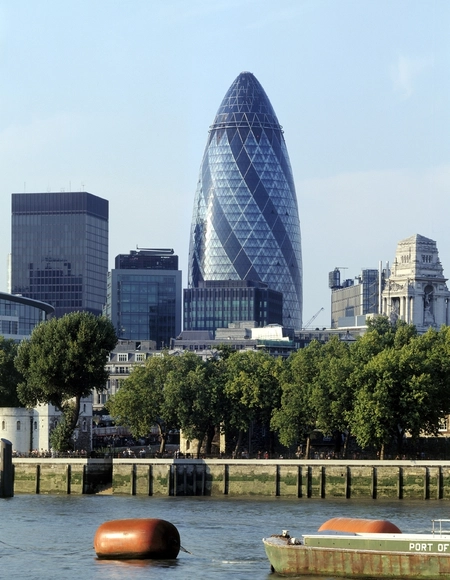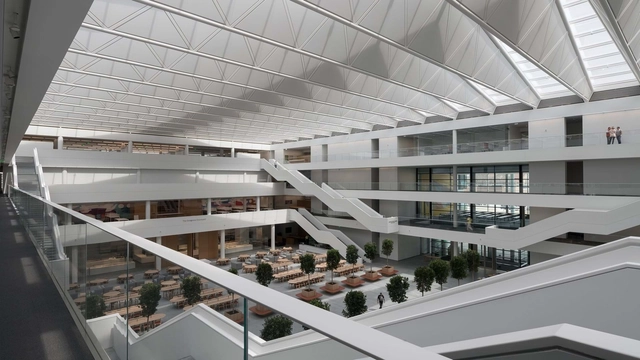
Lord Norman Foster has been announced as the recipient of the 2025 Andrée Putman Lifetime Achievement Award by the Créateurs Design Awards. The award, now it its fifth edition, recognizes Foster's significant contributions to urban design and the environmental movement within architecture. This recognition highlights his longstanding influence and contributions to the field since founding Foster + Partners in 1967. The award ceremony will take place in Paris on January 18th, 2025.
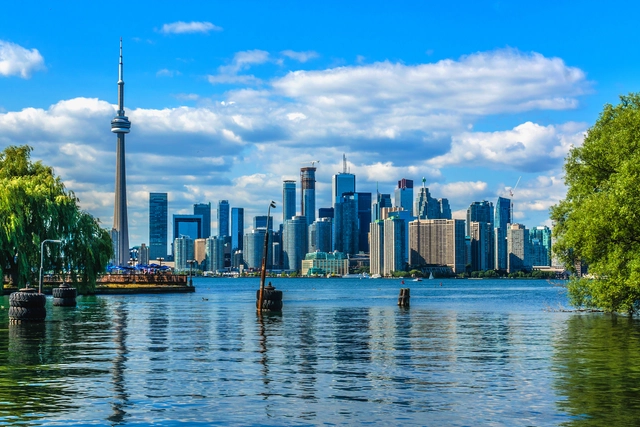
Whether rain or shine, Toronto is a yearlong bustling city, the largest in Canada and the fourth largest in North America. It’s become a cosmopolitan center with its renowned business district and cultural venues/ events that come alive during the summer and early fall nights. Toronto suggests a beautifully diverse urban setting between shimmering high rises and smaller brick houses, intertwining residential and vibrant commercial areas, public parks, and even beaches. All become part of the city's striking skyline, crowned by the iconic CN tower.
Toronto’s ongoing sprawl and constant urban development are noticeable as new projects spread through the city, weaving themselves into the existing buildings, from 19th-century landmarks such as the Gooderham Building to modern and contemporary major works like the Aga Khan Museum. These new constructions include increasing adaptive reuse and retrofitted projects throughout the city as more efforts and incentives are provided to reduce carbon emissions.
There is often an intricate relationship between architecture and the environment. Each part of the world has defined its own architectural techniques based on its unique climatic conditions. However, environmental concerns in the 21st century provoked new techniques, implementing solutions to preserve natural resources and provide thermal comfort. While some opted for a futuristic approach with mechanical and technologically-advanced solutions, others decided to go back in time and explore how civilizations protected their people, architecture, and environment when they had nothing else to resort to but the environment itself. In this article, we look at how Musharrabiyas found their way back into modern-day architecture as significant vernacular features.
Time Magazine’s list of the World’s Greatest Places 2018 celebrates 100 destinations to visit, stay, eat, and drink from around the world. Chosen by Time’s global team of editors and correspondents, the contenders have been evaluated on quality, originality, innovation, sustainability, and influence.
The list features many architectural delights young and old, designed by famous architects past and present. Ranging from a treehouse in Sweden to a soaring art museum in South Africa, the projects are united by their architectural excellence, worthy of exploration by both architects and the general public.
https://www.archdaily.com/901009/22-of-the-worlds-greatest-architecture-projects-selected-by-time-magazineNiall Patrick Walsh
Seniority is infamously important in the field of architecture. Despite occasionally being on the butt end of wage jokes, the field can actually pay relatively well—assuming that you’ve been working for a couple of decades. Even Bjarke Ingels, the tech-savvy, video-producing, Netflix-documentary-starring provocateur and founder of the ultra-contemporary BIG isn’t a millennial; at 42 the Dane is a full nine years older than Mark Zuckerberg.
As a result of this, it's common to lead a rich and complex life before finding architectural fame, and many of the world’s most successful architects started their careers off in an entirely different field. If you haven't landed your dream job yet, you may find the following list of famous architects' first gigs reassuring.
After two weeks of nominations and voting, last week we announced the 16 winners of the 2017 Building of the Year Awards. In addition to providing inspiration, information, and tools for architecture lovers from around the world, ArchDaily seeks to offer a platform for the many diverse and global voices in the architecture community. In this year's Building of the Year Awards that range of voices was once again on display, with 75,000 voters from around the world offering their selections to ultimately select 16 winners from over 3,000 published projects.
Behind each of those projects are years of research, design, and labor. In the spirit of the world's most democratic architecture award, we share the stories behind the 16 buildings that won over our global readership with their urban interventions, humanitarianism, playfulness, and grandeur.
Courtesy of The Council on Tall Buildings and Urban Habitat
The Council on Tall Building and Urban Habitat have announced the winners of the 15th edition of the CTBUH Tall Building Awards. From over 100 submissions, the best buildings from four regions – the Americas, Asia & Australasia, Europe and Middle East & Africa – were selected, along with recipients of the Urban Habitat Award, the Innovation Award, the Performance Award and the 10 Year Award. The CTBUH will pick a global winner from the regional selections later this year.
The towers were chosen by a panel of architects from world-renowned firms and were judged on every aspect of performance, looking in particular for “those that have the greatest positive impact on the individuals who use these buildings and the cities they inhabit.”
In his new book Landscape as Urbanism, Charles Waldheim, the John E. Irving Professor and Chair of Landscape Architecture at Harvard University’s Graduate School of Design, argues that in order to understand the twenty-first century metropolis, “a traditional understanding of the city as an extrapolation of architectural models and metaphors is no longer viable given the prevalence of larger forces or flows. These include ruptures or breaks in architectonic logic of traditional urban form as compelled by ecological, infrastructural, or economic change.”
In other words, spatial constructions in urban environments should no longer be attached to intractable functions or intent on isolation, but should instead integrate into the fabric of the city. These types of projects must be flexible to the inevitable changes in functionality and purpose that are byproducts of economic change and evolutions in land-use intentions. The dozen projects featured here are exemplary of such practices, both in how they adapt to past interventions and in how they move beyond the notion of a static future for urban conditions that are perpetually in flux.