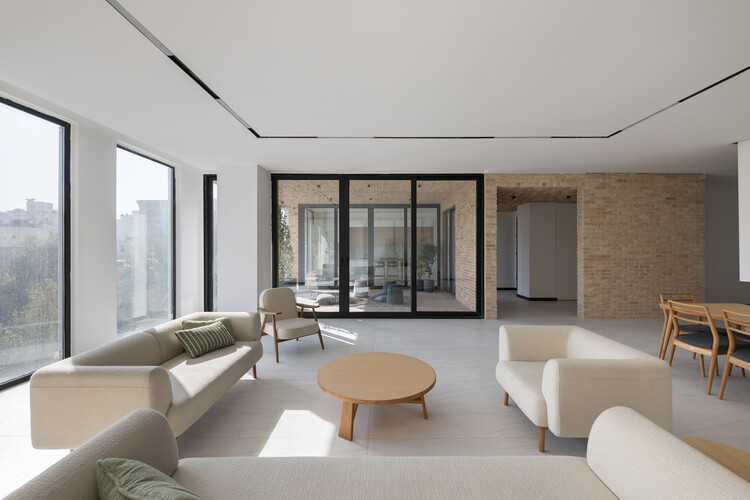
-
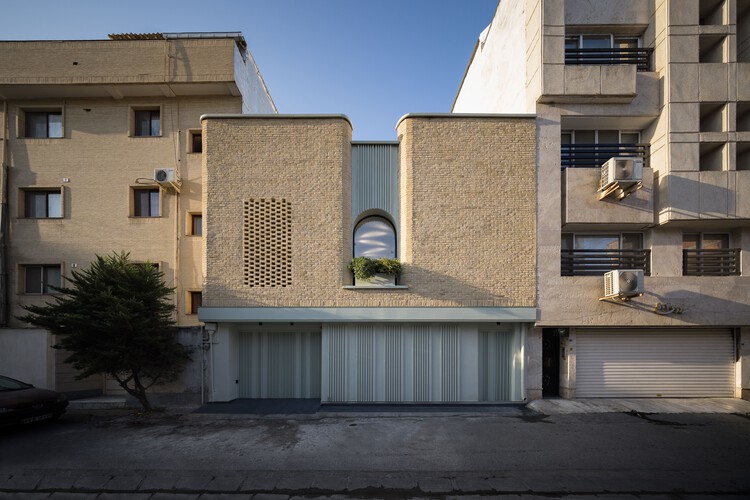
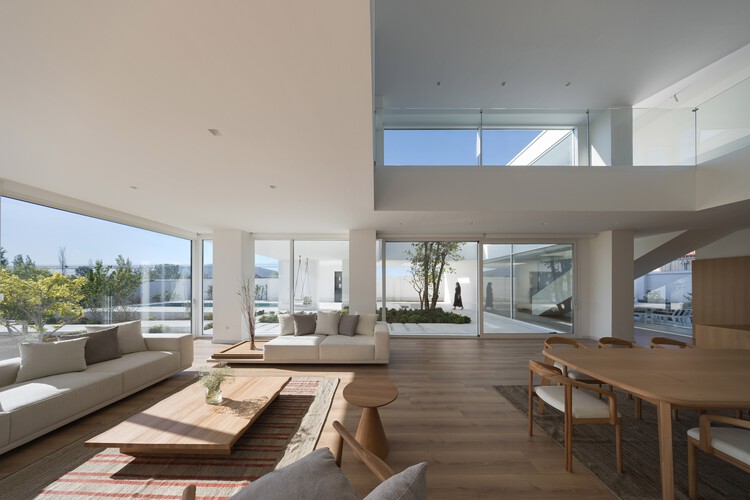
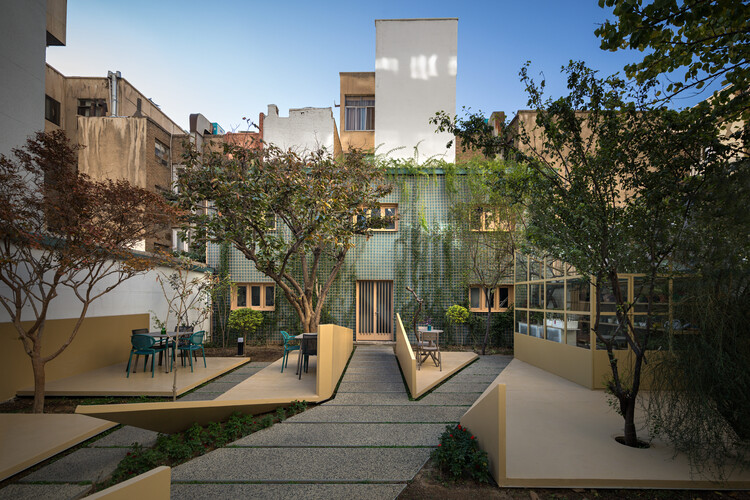
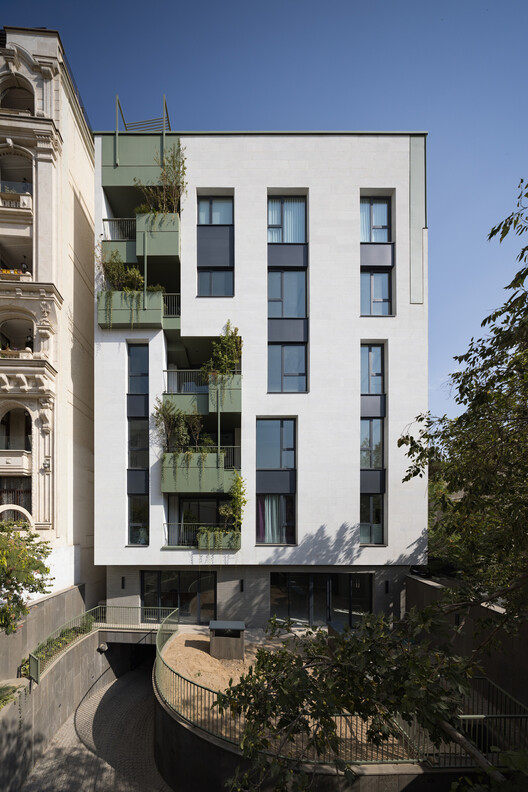
Architects: DIM Architecture Studio
- Area: 2500 m²
- Year: 2025
-
Manufacturers: Rost Furniture


Two weeks and over 85,000 nominations later, the finalists of this year's Building of the Year Awards are in. The selection is much like the ArchDaily audience that chose it: diverse in geography, generous in ideas, and precise in intent. With projects from 46 countries, in a variety of typologies and scales, they present a beautiful snapshot of the current architectural moment.
We invite you to sit back, browse, and vote for your ultimate favorites. Below, you will find all of the 75 finalists in their respective categories. Voting is open until February 18th at 18:00 EST. Thank you—your participation is key to making this the world's largest community-driven architecture award.


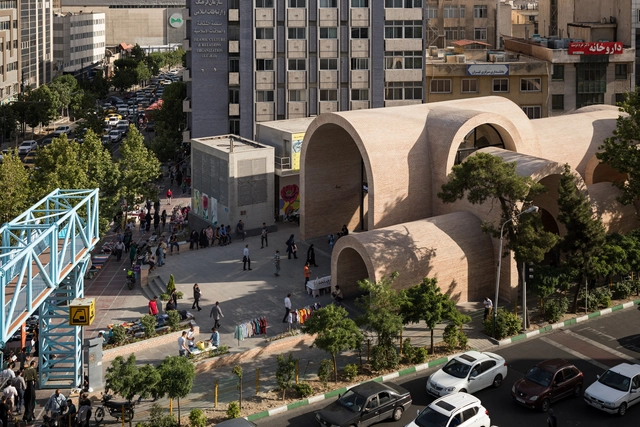
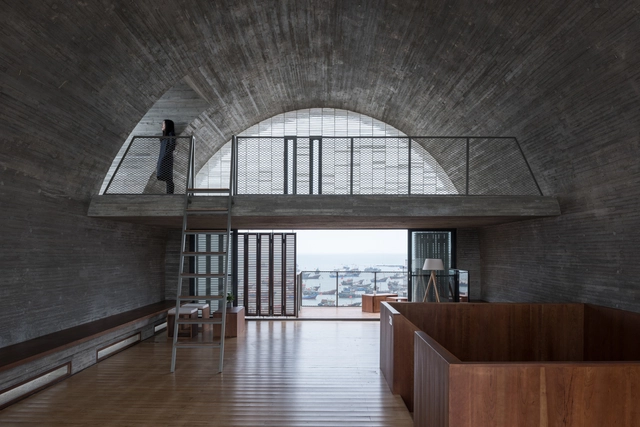
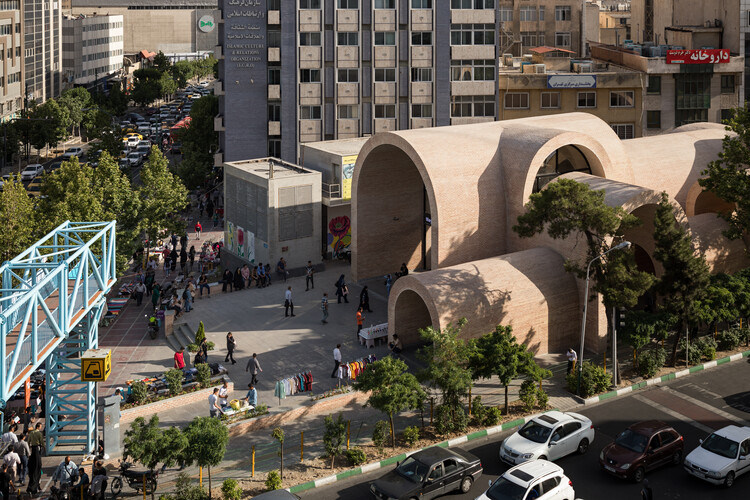
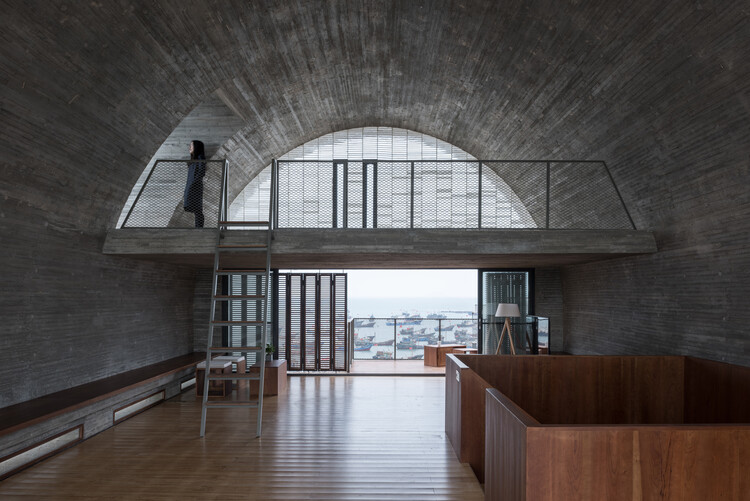
The term vault in architecture refers to a self-supporting arched structure that forms a ceiling or roof, which can effectively create a wide, column-free space. While traditional masonry vaults transfer loads to walls and buttresses, contemporary versions are more broadly defined as any ceiling that follows the roofline, creating a high, curved interior. These modern ceilings are typically framed using materials like concrete, timber, or steel, which provide the structural flexibility to create the dramatic effect of a vault without its historical constraints. The round arch vault, in particular, seems to have been a recently favored form for its simple, elegant geometry and its ability to adapt to a variety of modern residential styles.

In a world flooded with millions of new products and designs each year, identifying and sharing those that truly stand out isn't just important—it's essential. That's the motivation behind the A' Design Awards, a platform dedicated to recognizing and celebrating outstanding designs and meticulously crafted products. The outcome? Shining a global spotlight on their work, boosting international visibility, and inspiring the next wave of design innovation that not only pushes the boundaries of creativity but also benefits and advances society. Amidst this vast sea of talent, the award elevates extraordinary designs to the surface.
This article was originally published on Common Edge.
The whining of architects is futile. The stick-frame-over-podium building—the so-called 5-over-1—is here to stay. The Box, as I like to refer to it, utilizes the hybrid technology of a concrete-and-steel base below wood-frame construction, and is used predominantly for market-rate housing. Despite the common negative reaction to its banal aesthetics, the appeal to a large segment of apartment consumers is undeniable. It’s an obvious hit with developers, too.