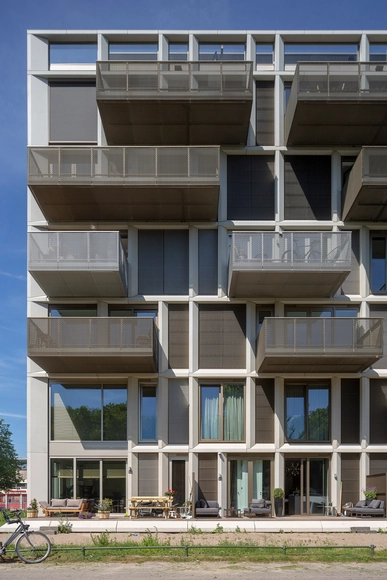
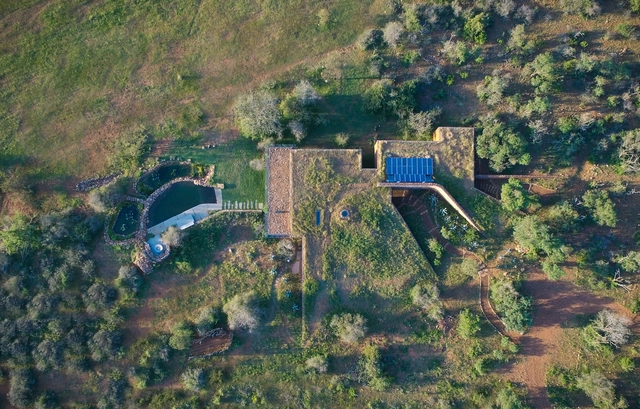
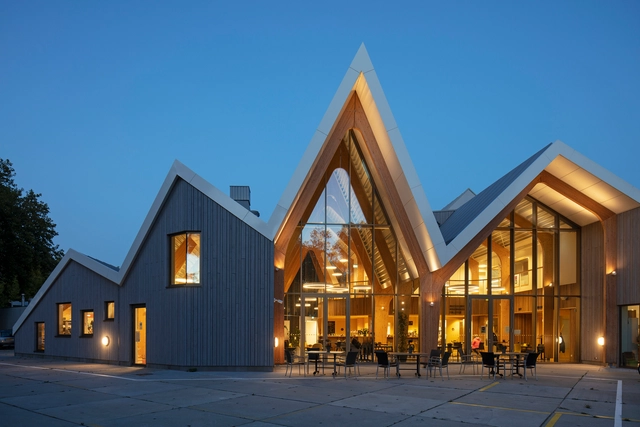
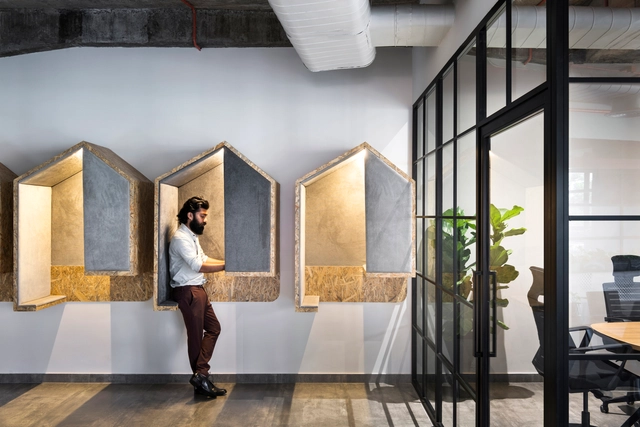
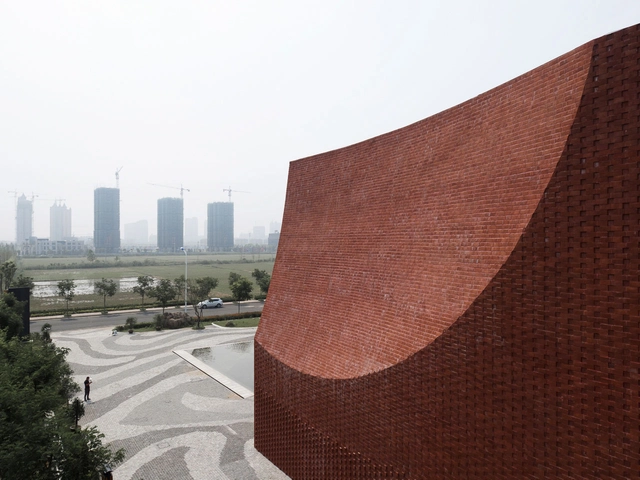
Take a second to imagine a building or a room. Chances are you are envisioning flat rectangular surfaces and straight lines. Whether it be walls, beams or windows, most architectural elements come in standard and extremely practical orthogonal shapes. However, the pandemic has shed light on designs that are not only functional, but also that improve our mood and well-being. In that sense, the power of curved, free-flowing surfaces is unmatched, which explains why they have been making a comeback as a modern design trend. Adopting beautiful nature-inspired shapes, organic curls and bends energize rooms and make users feel good. In fact, neuroscientists have shown that this affection is hard-wired into the brain; in a 2013 study, they found that participants were most likely to consider a space beautiful if it was curvilinear instead of rectilinear. In short, humans love curves.
Between 1950 and 2011, the world's urban population increased fivefold. In 2007, for the first time, the number of people living in cities surpassed the number of people living in the country. In 2019, the urban population had already reached 55% of the total population, and by 2050, it is estimated that just over two thirds of the population will live in urban areas. However, this growth is not constant in all parts of the world: according to the UN World Urbanization Prospects 2018 Report, the global urban population is expected to grow by 2.5 billion inhabitants between 2018 and 2050, with almost 90% of this increase concentrated in Asia and Africa. As populations in these areas increase, so will the demand for energy, food, and water, making resources more scarce. This scarcity will be compounded by the negative impact of urbanization on the climate and the environment.
Brick is one of the most popular materials for architects designing with a vintage or rustic aesthetic: exposed brick walls are often touted as highly desirable for apartments, restaurants, and stores, and exterior brick facades can make a building or home feel warmer and more inviting. However, the color and cut of the brick can greatly influence the atmosphere it emanates, with white brick lending itself to more minimalist design and tan brick tending to feel more rustic and earthy. In this article, we will explore some of the most popular brick colors, ways to artificially color brick, and recent projects that use brick facades or interior brick elements effectively.
https://www.archdaily.com/944493/the-colors-of-brickLilly Cao
The COVID-19 pandemic has transformed how we work around the world. From telecommuting and distance learning to virtual events, designers have quickly rethought traditional workflows to stay connected. With the rise of both self-imposed and mandated social distancing, as well as global turn towards remote work, ArchDaily is exploring the impact of COVID-19 and what it will mean for the future.