

-
Architects: VOA Arquitetura
- Area: 145 m²
- Year: 2021
-
Manufacturers: Colormix, Pau Pau, Tresuno

.jpg?1632418780&format=webp&width=640&height=580)

This article is part of our new Opinion section, a format for argument-driven essays on critical questions shaping our field.
The modern sustainability project is built on the promise that evolving technologies can reconcile urban and economic growth with ecological responsibility. By the metrics developed by the built environment professions and the policies adopted by governments, progress is tangible and accelerating: buildings consume less energy per square foot than they did a generation ago, vehicles emit fewer pollutants per mile, and urban infrastructure is more integrated and measurably cleaner in many cities. And yet total resource consumption continues to rise. Sustainability, as currently practiced across the built environment professions, has become a strategy for optimizing consumption rather than reducing it. Until the profession is willing to question the scale and structure of demand rather than the efficiency with which that demand is met, its most celebrated achievements will continue to fall short of the problem they claim to address.
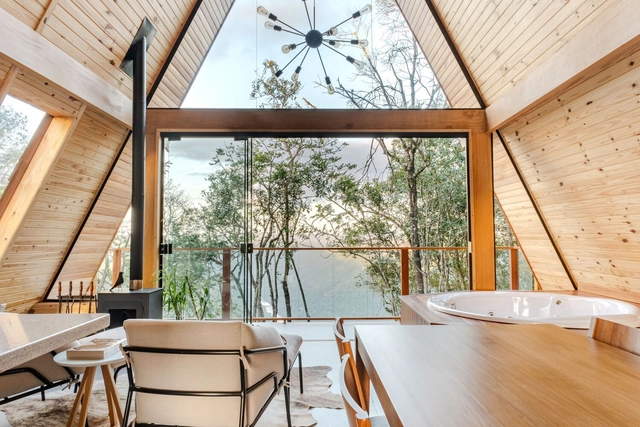
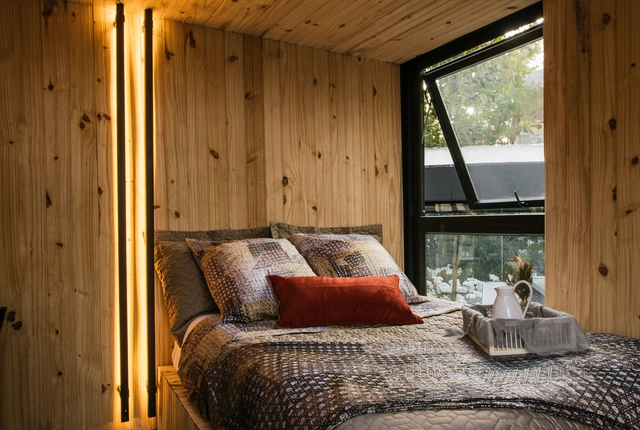
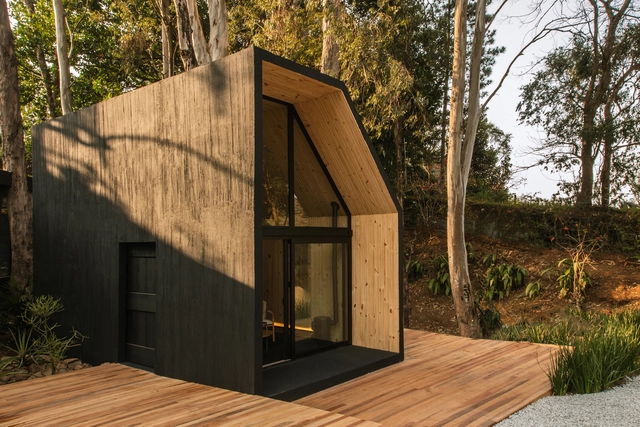
Acquiring diverse expressive possibilities within interior design, the use of wood in regions with a wide range of climates and temperatures such as Mexico, Brazil, Argentina, Uruguay, Chile, Colombia, or Ecuador enables the creation of attractive and captivating spaces that capture the attention of their users by contrasting, blending, or integrating with their surrounding environment. Being a natural element and presenting a negative carbon footprint at the end of its life cycle, wood offers multiple finishes, textures, and tones that can be associated with being outdoors and providing, on some occasions, spaciousness, warmth, and relaxation at the same time.
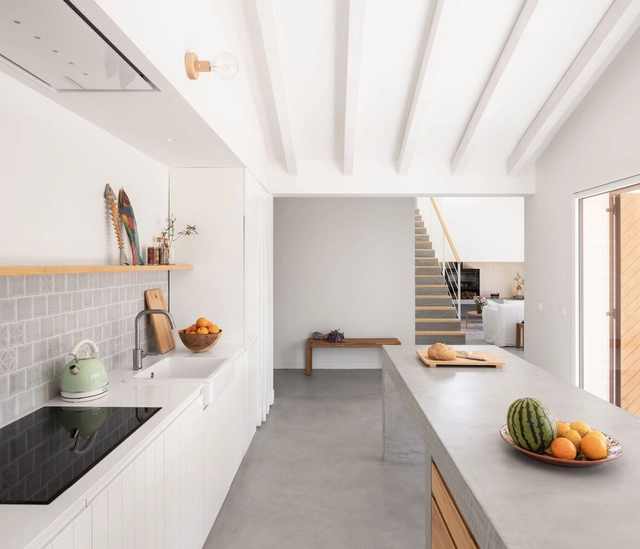
Kitchens as we know them today have functionality as their main feature and for that their space was historically organized from an industrial logic. The development of home appliances and the precise definition of the layout guarantee a functional floor plan and the optimization of work in the kitchen. As part of this layout we find the worktops, horizontal half-height surfaces that have multiple uses and, therefore, many possible configurations.
PVC, as the synthetic material Polyvinyl Chloride is called, or Polyvinyl Chloride, is one of the most produced plastics in the world, reaching 40 million tons per year. Its application is quite varied and in construction it has found different branches, serving both as an input for infrastructure and for finishing.
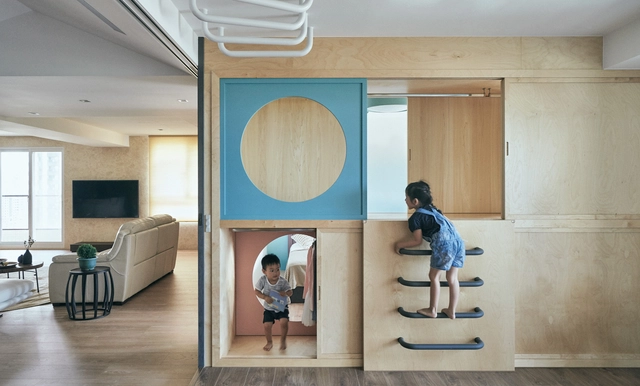
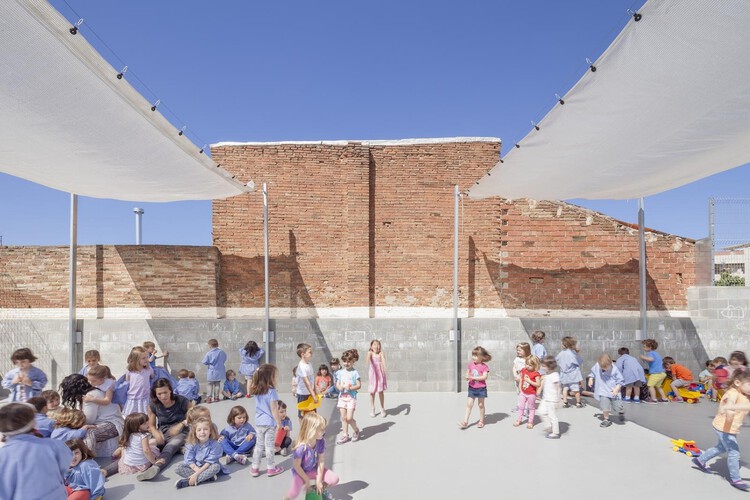
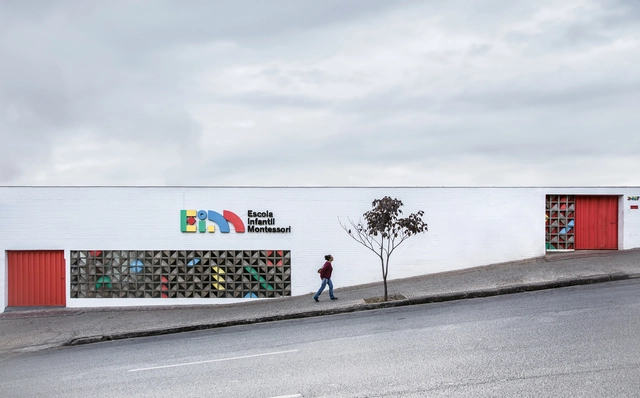
Maria Montessori began to develop her educational method at the beginning of the 20th century. In general terms, the method is a scientific pedagogy that promotes an education that positively contributes to the development of children's brains, respecting their individuality and stimulating their autonomy, self-esteem, and self-confidence.
Although the method was created in the last century, science is currently beginning to test much of the information investigated by Maria Montessori. For this reason, it is increasingly being applied to architecture for children’s educational spaces, improving the quality of children's learning and development and providing them with better tools for their future lives.


.jpg?1632419007&format=webp&width=230&height=230&crop=true)
.jpg?1632418983&format=webp&width=230&height=230&crop=true)
.jpg?1632418838&format=webp&width=230&height=230&crop=true)
.jpg?1632418909&format=webp&width=230&height=230&crop=true)
.jpg?1632418780)