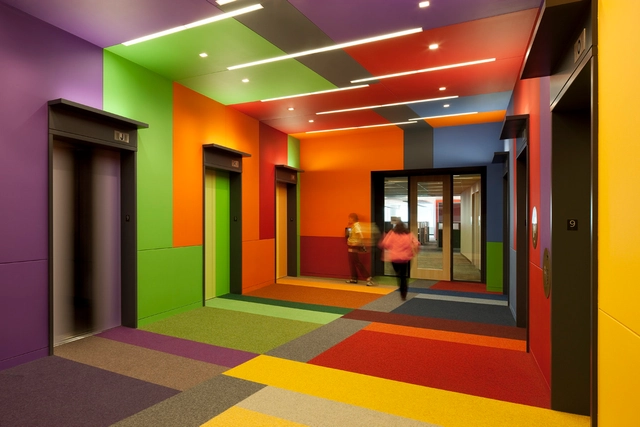
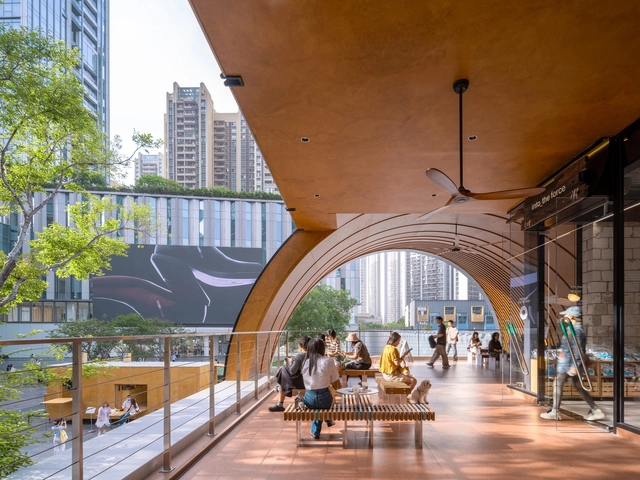
The noise of overlapping conversations, the flashing lights of a billboard, hurried footsteps on the sidewalk, and the constant hammering of a nearby construction site: public spaces are sometimes experienced as environments where stimuli accumulate and often overwhelm us. Each person perceives and responds to these sensory inputs differently, and recognizing neurodiversity means understanding that some individuals require more time to adapt, slower-paced journeys, or more gradual interactions with their surroundings. These encounters raise fundamental questions about contemporary public space: how can it accommodate the diversity of ways people perceive and inhabit it? How can we envision it as a space that embraces all ways of experiencing it?
Architecture draws together influences in art, culture and daily life. When designing for local communities and sourcing regional materials, architects often take inspiration from vernacular traditions. Utilizing traditional materials and resources from the area where a building is located, they draw from local climates and a history of building and ideas. Building sites around the world are diverse locations shaped by new construction technologies, past techniques, and changing conditions of cultural life.
A few weeks ago we published an article on a recent sustainability crisis that often goes unnoticed. The construction industry has been consuming an exorbitant amount of sand, and it's gradually depleting. When used for manufacturing concrete, glass, and other materials, it is a matter that should concern us. Construction is one of the largest producers of solid waste in the world. For instance, Brazil represents about 50% to 70% of the total solid waste produced. But how can we change this situation if most of the materials we use are not renewable, and therefore, finite?
Popularized in Europe and gradually gaining attention in the rest of the world, Cross Laminated Timber (CLT) stands out for its strength, appearance, versatility, and sustainability.
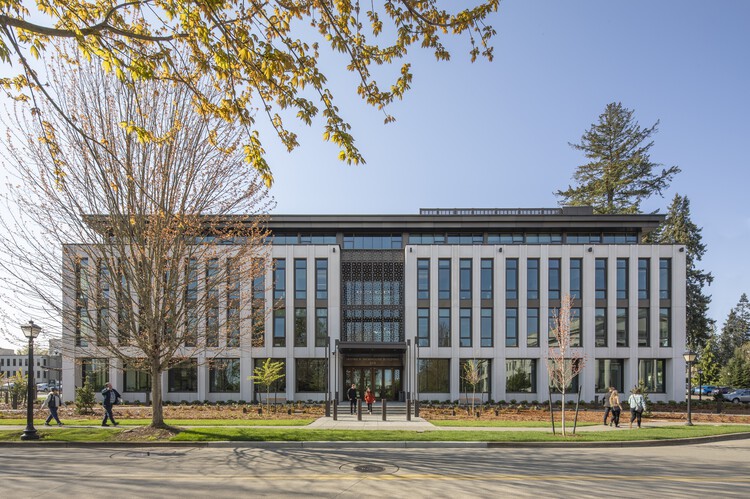
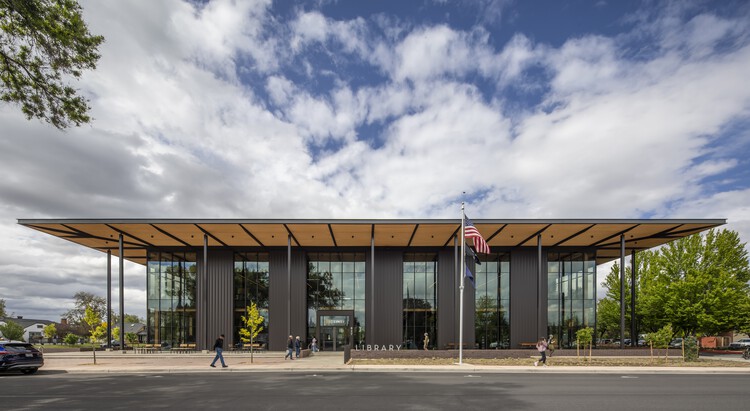
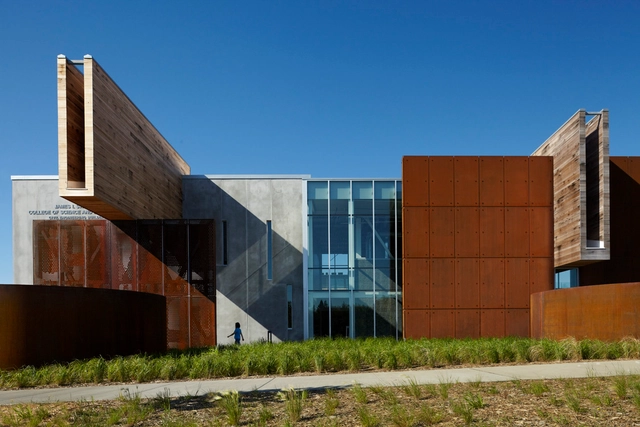
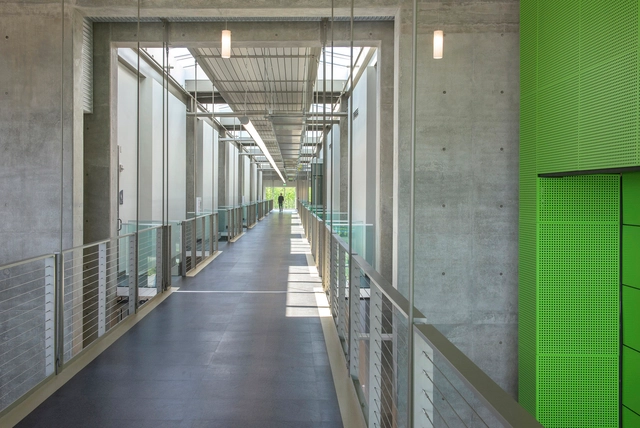
“Education continues to evolve, and the projects from this year’s Education Facility Design Awards program—presented by the AIA and the Committee on Architecture for Education—represent the state-of-the-art learning environments being developed in today's learning spaces,” explain the AIA. “These projects showcase innovation across the entire learning continuum, displaying how today's architects are creating cutting-edge spaces that enhance modern pedagogy.”
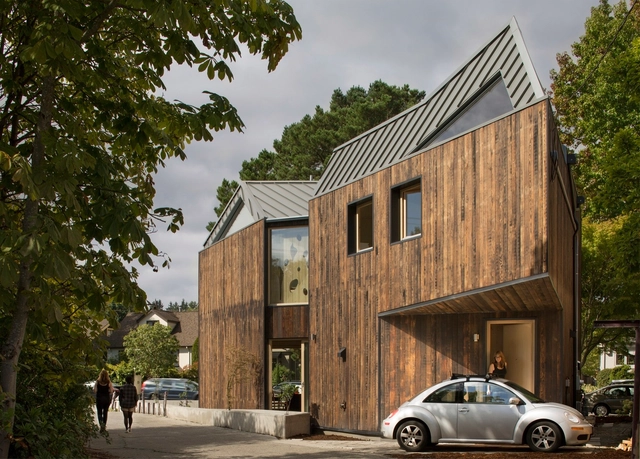
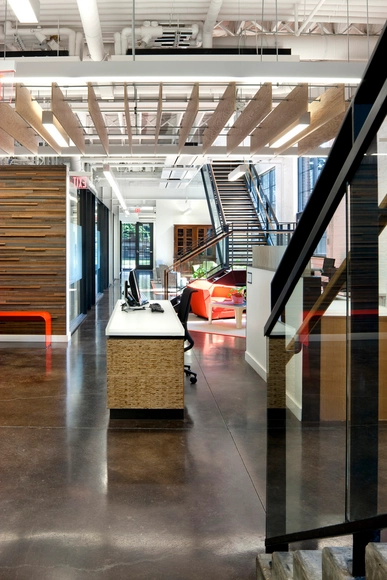
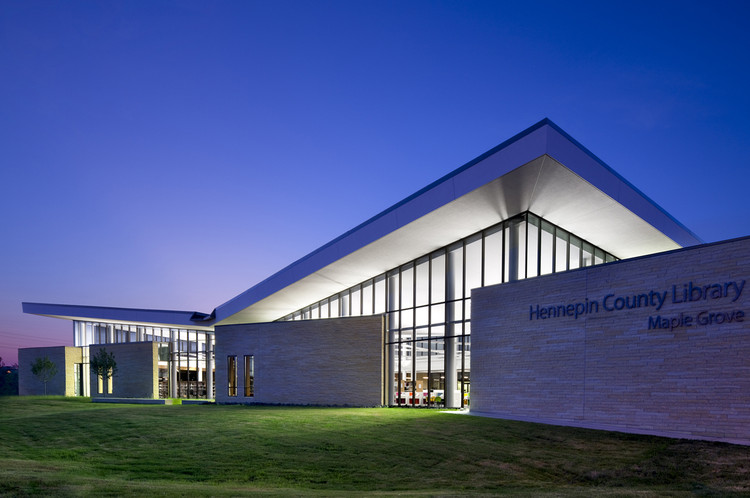
WoodWorks, an initiative of the Wood Products Council, has announced the winners of the 2016 Wood Design Awards. Honoring projects that “showcase the innovative use of wood as both a structural and finish material,” this year’s awards highlight the many uses and attributes of wood, “from structural performance and design versatility to sustainability and cost effectiveness.”
The Wood Design Awards are both National and Regional, with regional awards being presented at Wood Solutions Fairs across the country starting in late March.










_credit_Sergio_Grazia.jpg?1454275551&format=webp&width=640&height=580)