

-
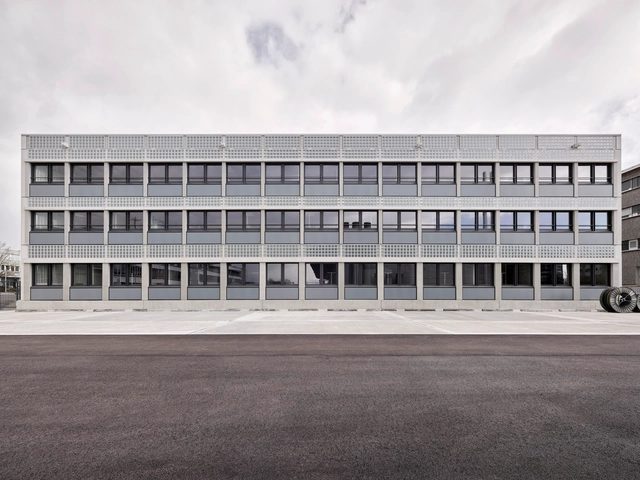
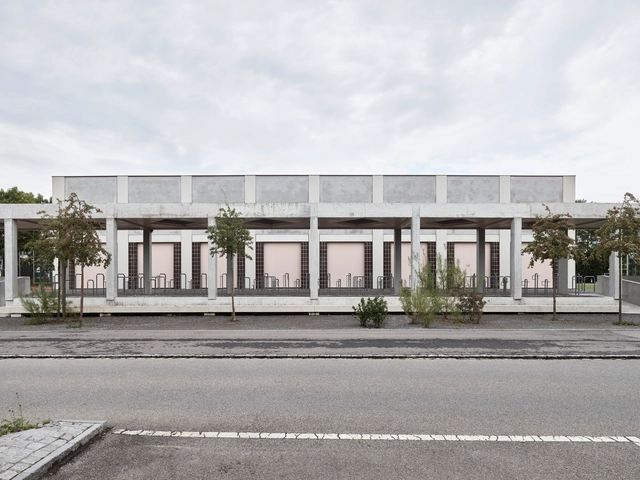
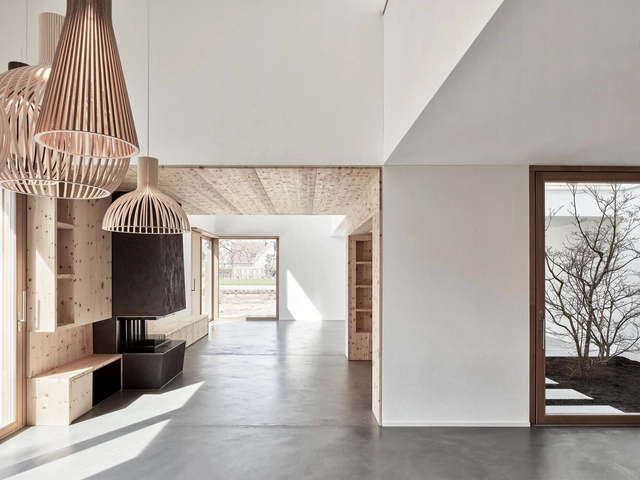
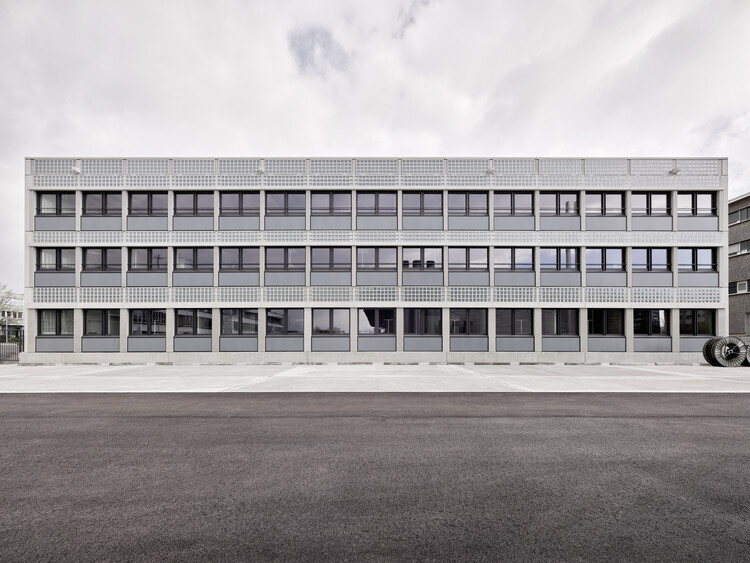
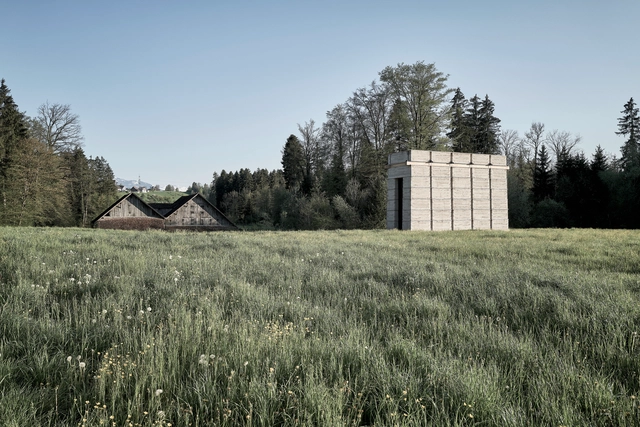
Architects: Boltshauser Architekten
- Area: 60 m²
- Year: 2021
-
Professionals: SEFORB Sarl, Reflexion AG, LEHMAG AG, Kibag

This article was originally published on Common Edge.
The vast majority of practitioners I've known over the years seek well-trained graduates who are ready on Day One to be productive employees. But that's not all an architectural education needs to deliver. Michael Monti—who for the past 20 years has served as executive director of the Association of Collegiate Schools of Architecture (ACSA), which represents 5,000 architecture faculty teaching more than 30,000 students—stresses that architectural education needs to rest on strong foundation of shared values and ethics in order for graduates to make meaningful contributions to what he describes as a "civilized life," promoting the dignity, freedom, health, and well-being of the people who interact with architecture every day.



QS, Quacquarelli Symonds World University Rankings, has announced the annual list of the top universities to study Architecture and the Built Environment in the year 2024. The ranking evaluates over 1,500 institutions from over 100 locations. The evaluation system has been updated this year to include new metrics such as sustainability, employment outcomes, and international research networks.
The top three contenders, the Bartlett School of Architecture, MIT, and Delft UT, have maintained their ranking from 2023, with ETH Zurich showing a slight decrease from an equal third position to the fourth. In the sixth position, Harvard University stands out as the top university for employer reputation in this subject. Among the top 10 universities, Politecnico di Milano had the greatest advancement in rankings, moving from the 10th position last year to the 7th.


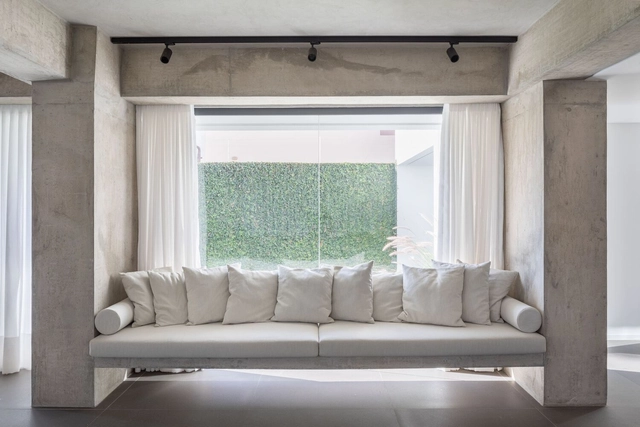
One of the greatest difficulties when studying is understanding how to apply the concepts presented to us. In structural engineering education, it is common to use symbols and abstractions to understand the forces involved in a structure and how they work. Another major challenge is translating this abstract information into something tangible: the actual building elements.
Engineer Matheus Borges has been creating illustrations on his Instagram to help decode this information. Below, we look at what these support types are and how they behave.
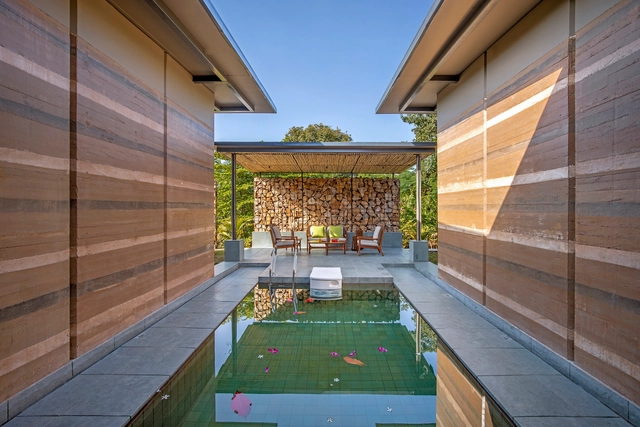
With the proper know-how, readily available earth, sand, chalk, lime, or gravel can yield a versatile, strong, and durable construction material. Its colorful results vary from region to region, depending on the natural soil component, climate, and treatment. While some prefer to minimize any added processing, others relish the exploration of rammed earth surfaces. Different textures and mesmerizing layers of multitoned or multicolored earth can be used to create a solid surface that enriches the visual quality of a space and carries a sense of warmth to any project.