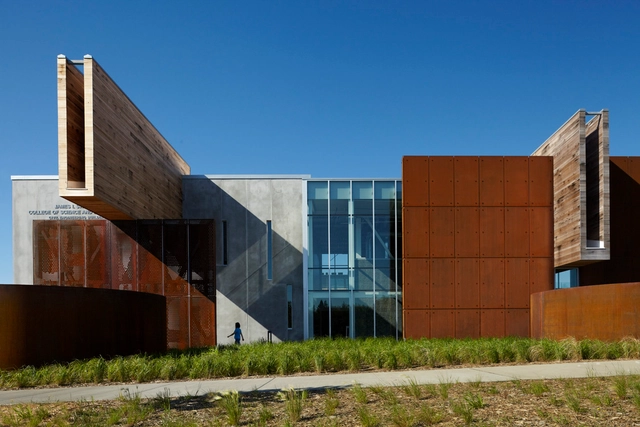
Architecture draws together influences in art, culture and daily life. When designing for local communities and sourcing regional materials, architects often take inspiration from vernacular traditions. Utilizing traditional materials and resources from the area where a building is located, they draw from local climates and a history of building and ideas. Building sites around the world are diverse locations shaped by new construction technologies, past techniques, and changing conditions of cultural life.
In this week's reprint from Metropolis, author AvinashRajagopal "takes a broad look at American Design, digging into the practice of architecture, the resurgence of craft, quintessential building forms, and decaying infrastructure". Asking questions such as "what values do we hold dear? What harm have we caused, and who benefits from the work we do?" architects and designers across the United States explore the contextual consequences of the global challenges.
Architecture is shaped by its environment and natural forces. Inherently, the discipline focuses on the design of objects over systems, on formal morphology over networks or ecologies. However, no building exists outside its context; every structure is sited among ever-changing climates and cultural conditions. How designers respond and connect to these larger systems can radically change the nature and quality of their work. Often, it is the greatest constraints that produce novel solutions.
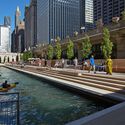
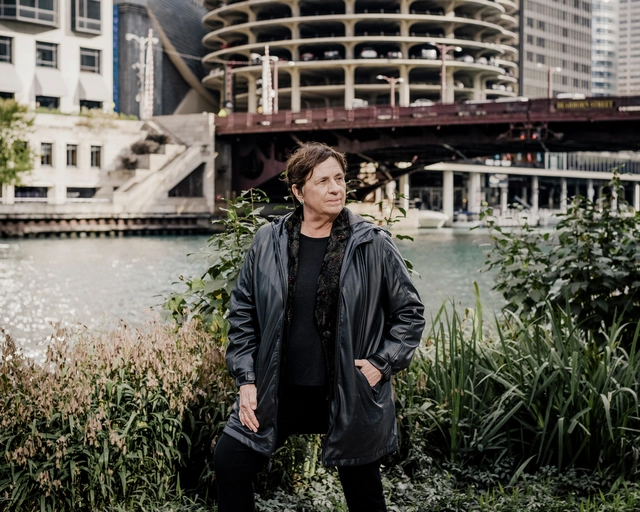
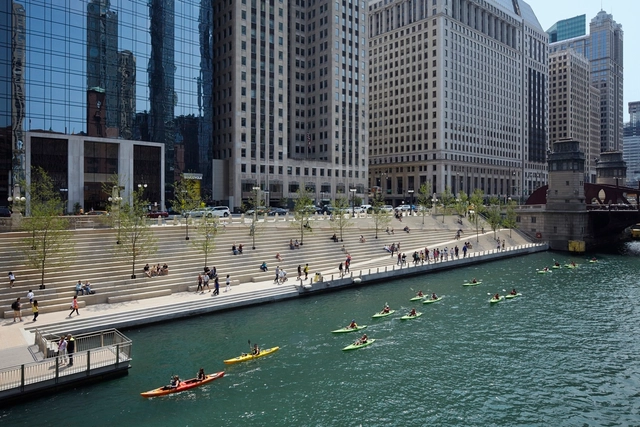
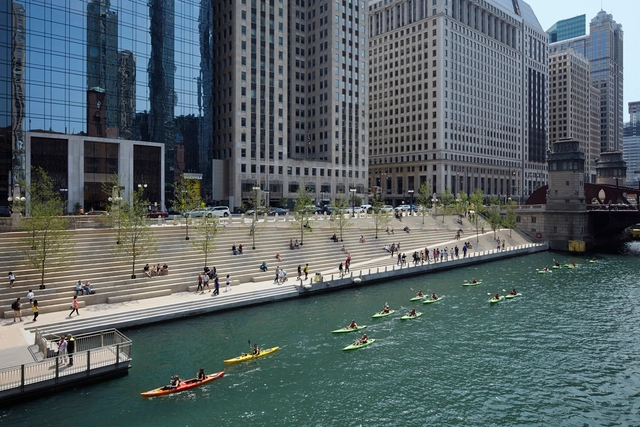
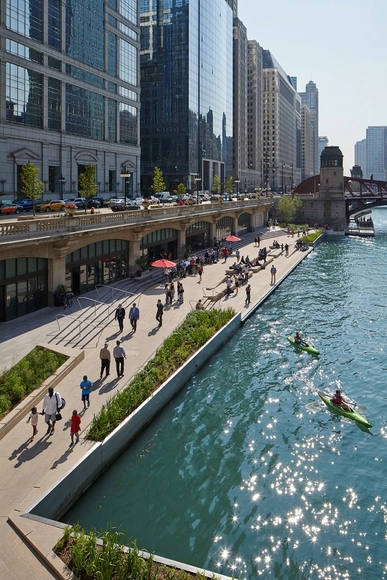
As a lifelong Chicagoan, Carol Ross Barney has seen the Chicago River transition from an effluent-filled cargo highway to a vibrant recreational spot, one where her grandsons go fishing. “They can throw their line in and pull out two- to three-inch fish immediately,” she says. It has even become a habitat for otters. As for people, the river has become an alternative commuting path: Some kayak to work. In many ways, these historically polluted stretches of Chicago now form a corridor offering a rich range of experiences and visitors. This dramatic reversal is thanks in no small part to the Chicago Riverwalk, which might be Ross Barney’s career-defining project. “The attitude of the people toward the river is really changing, and I think that’s the biggest story,” she says.
One year on from the Chicago Riverwalk’s completion, designers Sasaki Associates have released mesmerizing footage of the Riverwalk from a new perspective. Using a drone to give an overview of the project, the video captures the successful integration of the Riverwalk into the urban landscape as it changes shape and form, defining a unique experience for the public. Global design firm Sasaki led the team as prime consultant on the last two phases of the Riverwalk, working in close collaboration with local firm Ross Barney Architects.
The third and final phase of the ChicagoRiverwalk is officially open to the public. Designed by Sasaki and Ross Barney Architects, the 1.5 mile long promenade revitalizes an underutilized industrial area into an active public space featuring restaurants, cultural activities and amenities while reconnecting the Chicago River to the urban fabric of the city.