-
Architects: BBP Arkitekter
- Area: 1100 m²
- Year: 2021
-
Manufacturers: Randers Tegl

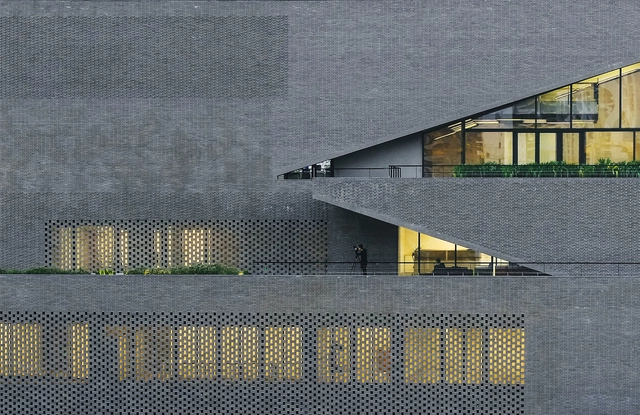
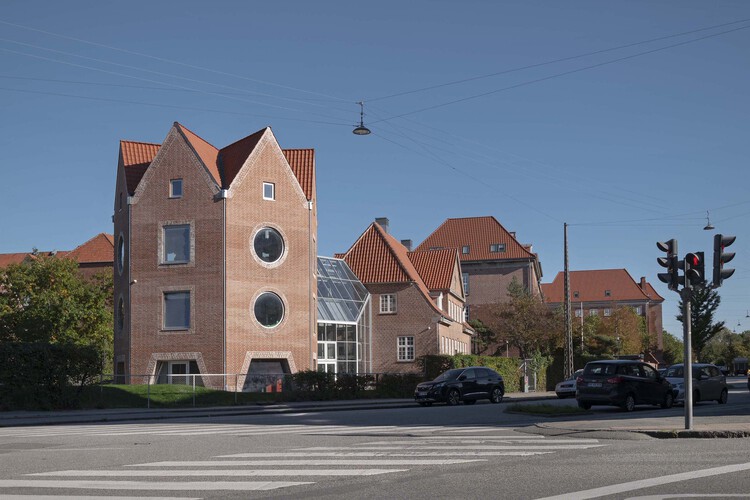
Pink Floyd's song “Another brick in the wall” criticizes an alienating and demotivating educational system. People, or children, are portrayed as bricks due to their homogeneity, whether in the way of living or thinking in a society that is not very fond of opposition. Bricks work very well in this comparison, having changed very little throughout history and around the world in their rectangular shapes. But that's not true of their colors. Although we tend to think of red when we talk about bricks, there are infinite possibilities of shades, depending on the composition and manufacturing process of the pieces.
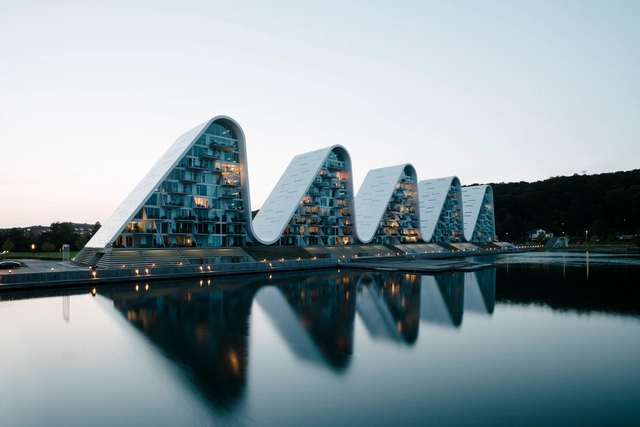
The Danish Architecture Center (DAC) has announced that the first permanent exhibition on Danish Architecture will open on March 24, 2023, in Copenhagen. The exhibition titled “So Danish!” tells the story of the evolution of architecture in the country, starting from the Viking Age and continuing to the present day. By presenting this history, it aims to help visitors understand the role and influence of architecture in the Danish democratic society.
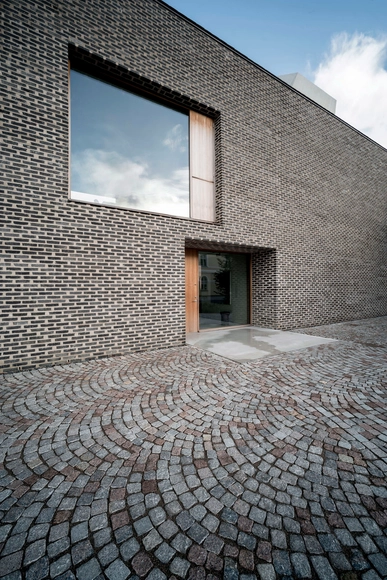
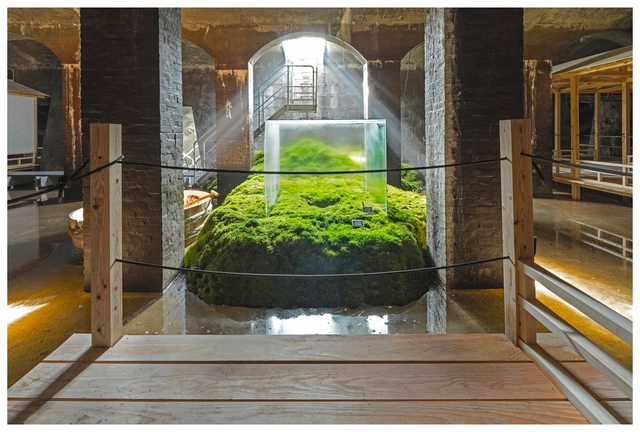
Hiroshi Sambuichi's approach to a site entails long-term study and reflection upon the qualities and forces of nature embedded within. His understanding is “deeper and with a finer grain,” explains American architect and member of The Daylight Award jury James Carpenter as one of several reasons why Sambuichi was recently announced as the latest laureate of the nearly 50-year-old Daylight Award in 2018. In Sambuichi's hands, “light becomes timeless, fluid and rich.”
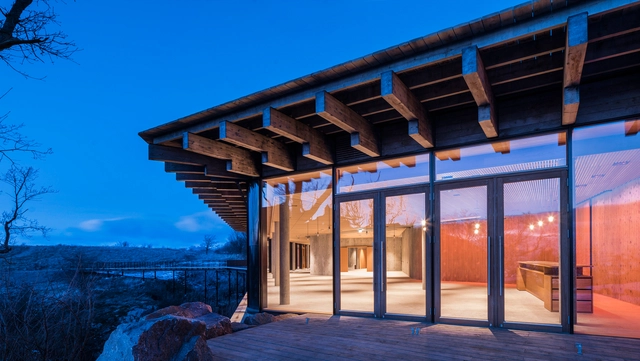
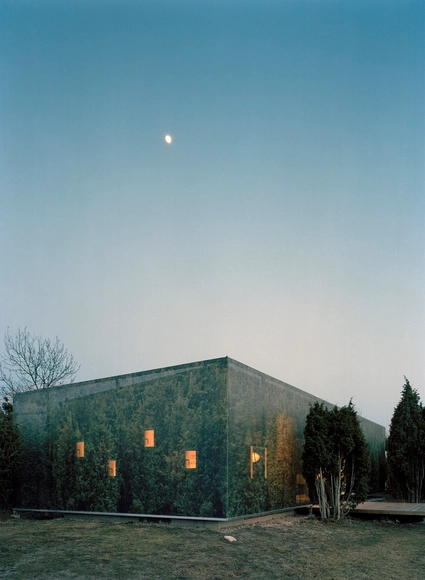
Often informed by its harsh climate and stunning landscapes, Nordic design, specifically architecture, has a unique relationship with nature. Photographers of Nordic architecture have benefitted from studying this close connection in their photos that experiment with capturing light, innovative materials, and landscape to create a compelling composition. Below is a selection of images of both public and private architecture by prominent photographers such as Pasi Aalto, Bert Leandersson, Mika Huisman and Åke E: Lindman.
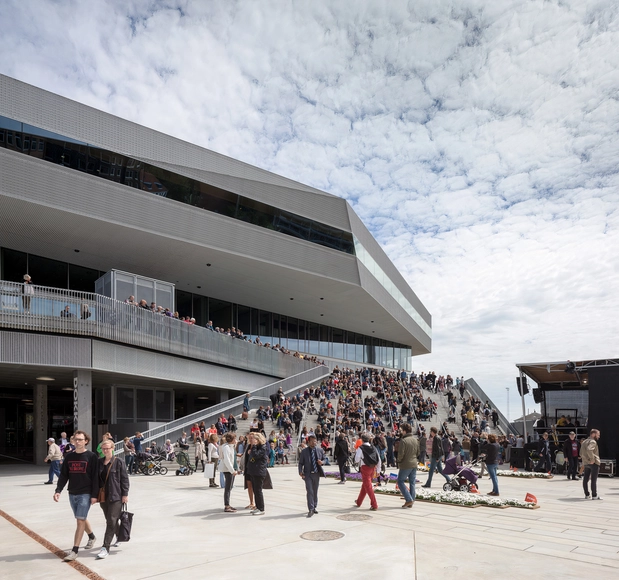
The Architecture Project recently invited us to visit the city of Aarhus, Denmark as part of a press tour related to health and architecture, with the aim of seeing the latest healing projects that are arising in the city.
Overshadowed for years by Copenhagen, Aarhus is a port city that seeks to reinvent itself and shine once again – and it is succeeding. The pleasant surprise is that it is the architects who have driven this change. Architecture has invaded all of the city's spaces, from the forgotten industrial port to the downtown areas full of historical buildings.
This visit has taught us some important lessons: 'healing architecture' isn't only about hospital projects, but rather about encouraging people, about creating friendly spaces to live and coexist, and about getting as connected as possible with users to give them what they really need.
Check out some of the strategies used to achieve these goals after the break.

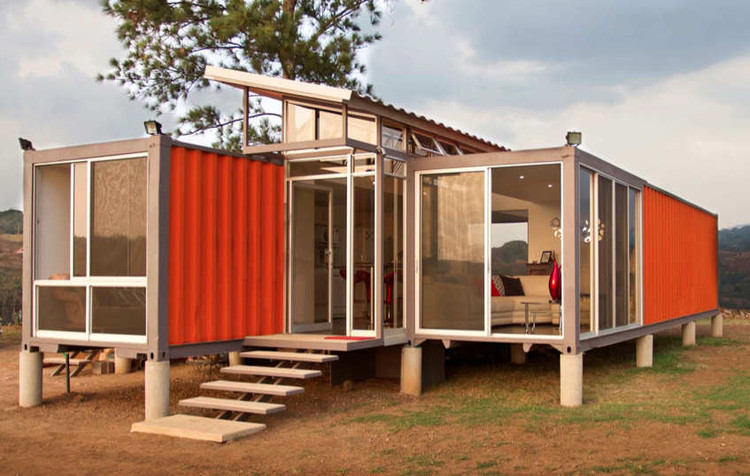
One of the more niche trends in sustainable design of the past few years has been the re-use of shipping containers in order to create the structure of a building. Due to their convenient size, shipping containers are well-suited for use in houses and their appeal lies in their apparent simplicity: you get a room delivered in one piece, and you can stack them together to make multiple rooms or join them up to make larger rooms.
But of course, things are never so simple, and using shipping containers to make a house is still fraught with challenges - particularly as the idea is still relatively new, so there are few people with the expertise required to build one without a hitch. That's why the folks over at Container Home Plans reached out to 23 experts from around the world - designers and owners who have overcome the challenges to build their own container houses - to ask them what they wish they'd known before taking on this challenge. Check out their 11 top tips after the break.