-
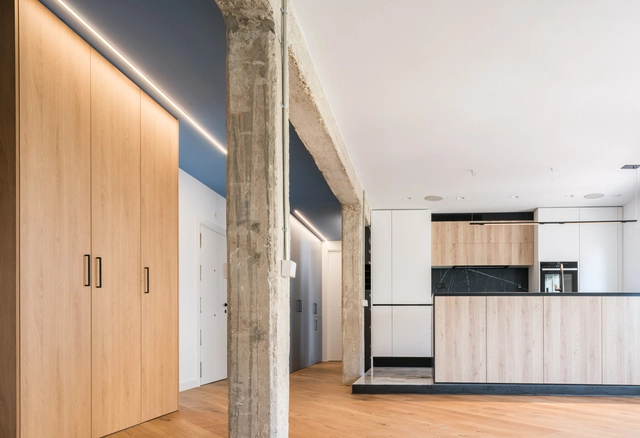
Architects: midori arquitectura
- Year: 2025
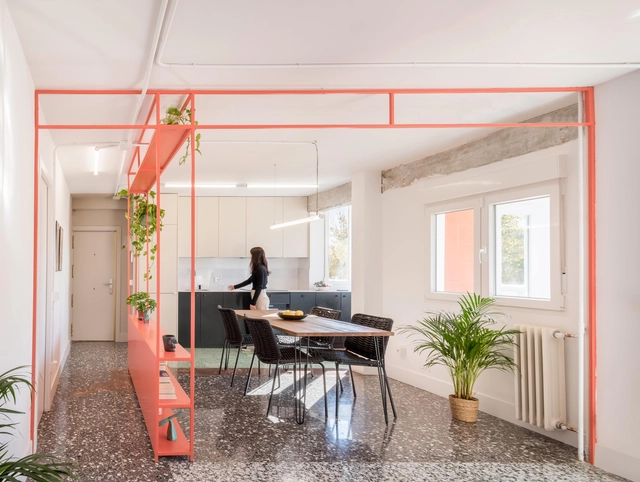
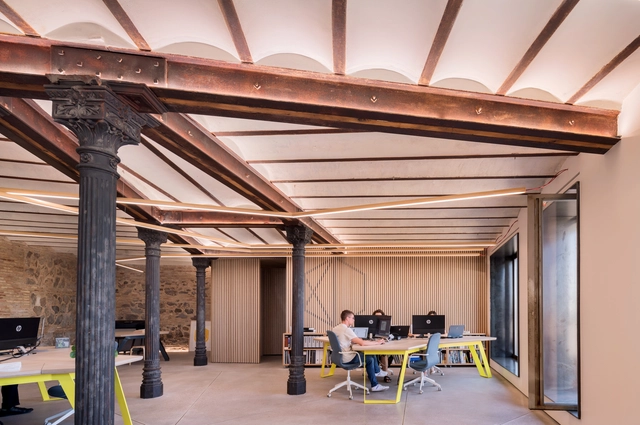
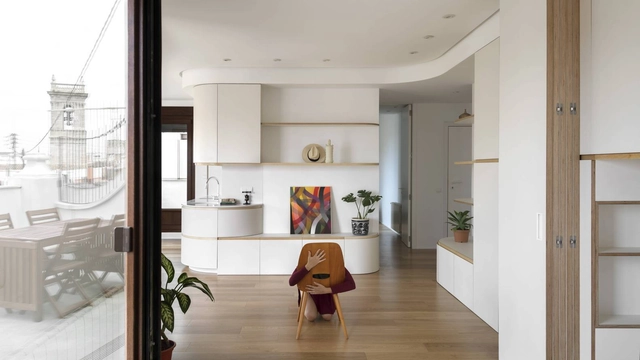
How to design livable spaces, making the most of the available square meters? Currently, the design of housing in major urban centers is often linked to finding ways to optimize interior spaces, integrate environments for better lighting and ventilation, and establish a connection with the outdoors. According to the needs of its inhabitants, project requirements, and often construction costs, architecture professionals seek to provide flexibility, spaciousness, and adaptability to spaces through renovations, transformations, and more, which provide good living conditions and consider the possible changes that future generations may have to face.

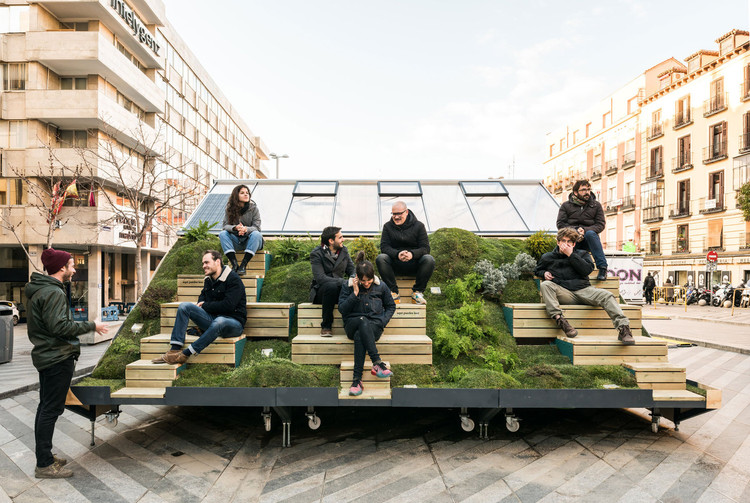
The key to successfully designing or recovering public spaces is to achieve a series of ingredients that enhance their use as meeting places. Regardless of their scale, some important tips are designing for people's needs, the human scale, a mix of uses, multifunctionality and flexibility, comfort and safety, and integration to the urban fabric.
To give you some ideas on how to design urban furniture, bus stops, lookouts, bridges, playgrounds, squares, sports spaces, small parks, and urban parks, check out these 100 notable public spaces.
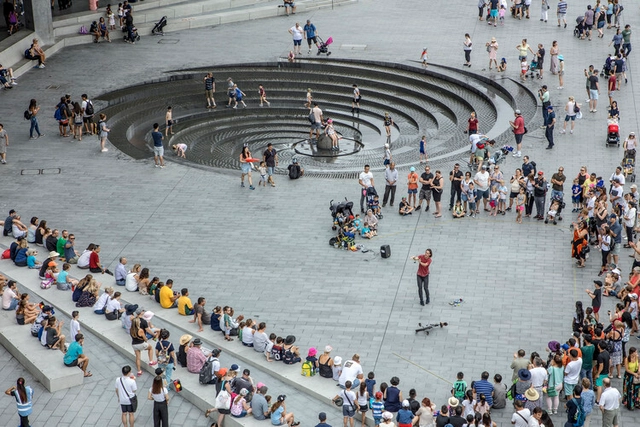
In recent years, the term “co-creation,” a buzzword in the business and management sector, has made its way into the architecture and urban planning discourse. The term is used to define a large concept that describes working intentionally with others to create something jointly. But architecture is already the result of a collaboration between multiple actors, architects, clients, investors, developers, and local administration, to name a few. Can the term still apply to this field, can it bring forth new forms of knowledge, and does it differ from the concept of participatory design?
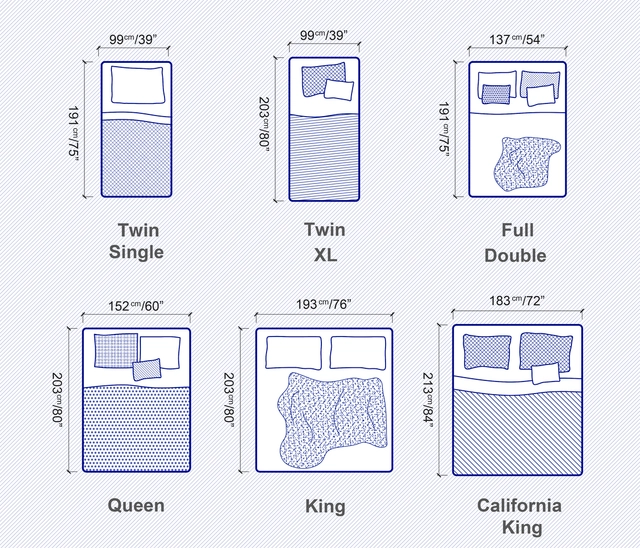
From an early age, we often hear phrases like “you must sleep a minimum of 8 hours a day.” It’s common knowledge that this brings invaluable health benefits, from reducing stress levels and keeping the immune system strong, to improving concentration, memory and decision-making skills. To guarantee a good night’s rest, having a comfortable bed that suits users’ needs is pivotal, especially considering that humans spend one-third of their entire life sleeping. Thus, when architects, designers and homeowners are faced with different bed options available in the market, the decision must be carefully thought-out and take a number of factors into account, whether related to aesthetics or functionality. But before any stylistic or material decision is made, it is crucial to start with the basics: defining the size of the mattress.
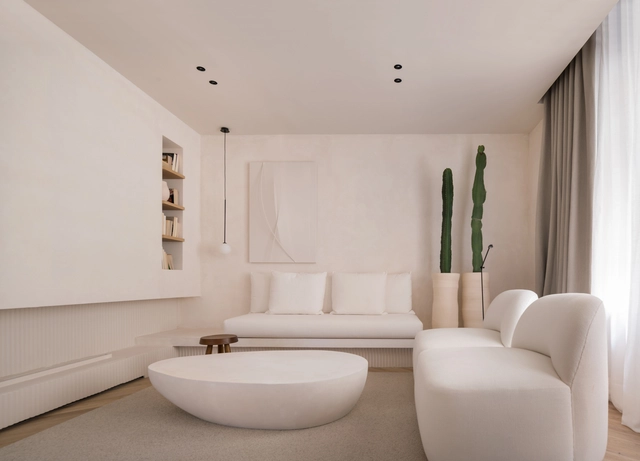
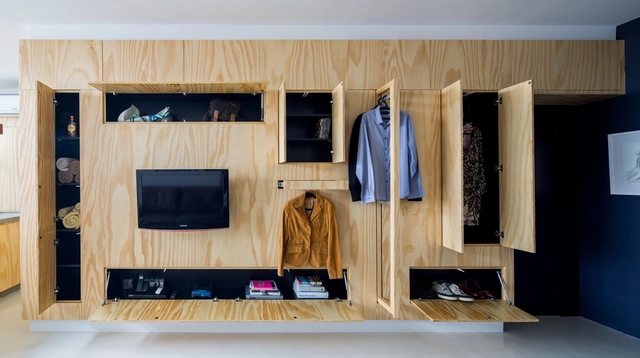
At the 2014 Venice Biennale, celebrated architect and curator Rem Koolhaas chose an unusual curatorial theme. Rather than exploring the major issues that plague modern society or their manifestations in the profession of architecture, the event's theme, "Fundamentals," and its main exhibition, "Elements of Architecture," examined in detail the bare fundamentals of buildings, simple elements used by everyday architects for everyday designs. According to Koolhaas, “Architecture is a profession trained to put things together, not to dismantle them. Only by looking at the elements of architecture under a microscope can we recognize cultural preferences, technological advances, changes triggered by the intensification of global exchange, climatic adaptations, local norms and, somewhere in the mix, the architect's ideas that constitute the practice of architecture today.”
8206_Photo_·_Javier_de_Paz_Garcia-2.jpg?1581686810&format=webp&width=640&height=580)
Are artists connected to the territory and the community?
Todo por la Praxis presents their project Monumento Residencia, an active research initiative addressing the space of artistic residencies and the resident's engagement with their context.
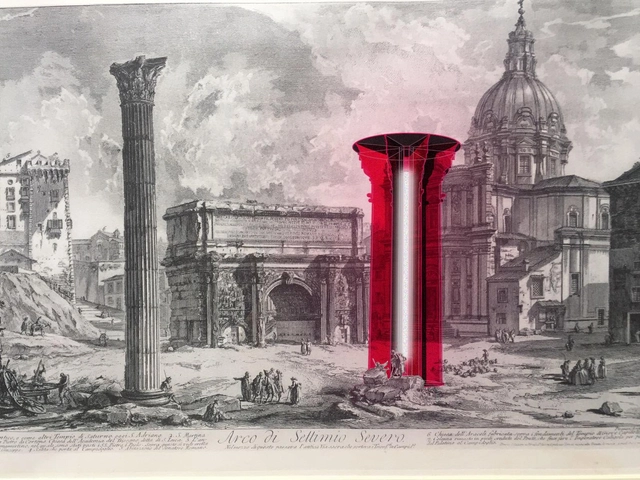
Column [Noun, from Lat. columna] A vertical and elongated support element, generally circular in section, used to decorate and support other structural elements.
In this interview, we speak with Carmelo Rodríguez and Rocío Pina, who, along with David Pérez, founded Enorme Studio. Based in Madrid, the firm is known for its radical, unconventional approach to architecture, the city, and society.
Although they began with a practice focused on architectural competitions, the young firm has since evolved to embrace other formats, including participatory urban dynamics, installations based on industrial systems, typological innovations, exhibitions, and curatorial projects.