-
Architects: Jan Vranovský
- Area: 100 m²
- Year: 2026
-
Manufacturers: BDoors s.r.o., BOCA spol. s.r.o., Maskop 99 spol s.r.o.
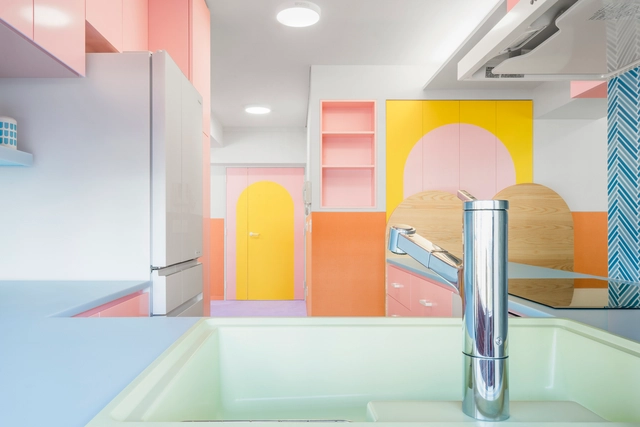
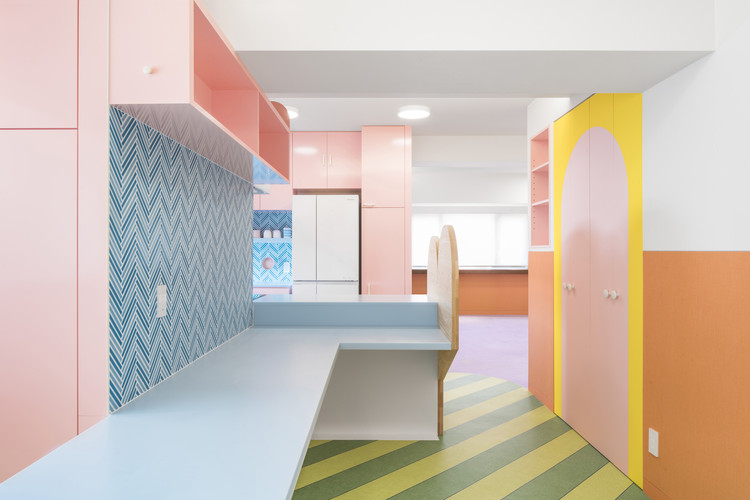
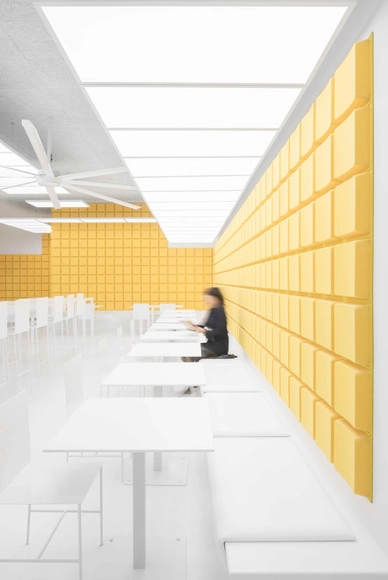
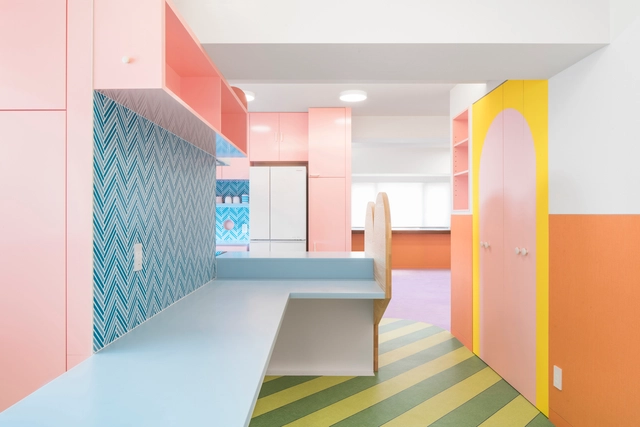
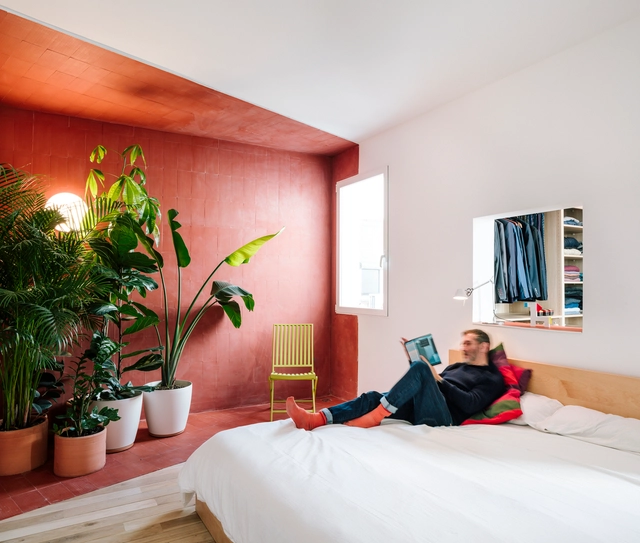
Urban apartments are frequently praised for their clever use of space, but what of their approach to color? Thoughtfully incorporating color is more than an aesthetic decision; it has the potential to shape emotional responses, influence mood, and create spatial illusions. Research in color psychology shows that colors affect our social, cultural, and psychological reactions, making them powerful design tools. Variations of blue, for instance, have been shown to slow melatonin production, keeping people more awake and alert, while shades of green relieve strain on our nervous systems, helping us feel calmer and more grounded. Color in architectural spaces can even alter our perception, creating illusions of depth, movement, and texture that influence how we experience space. Warmer hues like oranges and reds tend to make a room feel more intimate and cozy, while cool whites and blues lend a sense of openness, making spaces appear taller and more expansive.
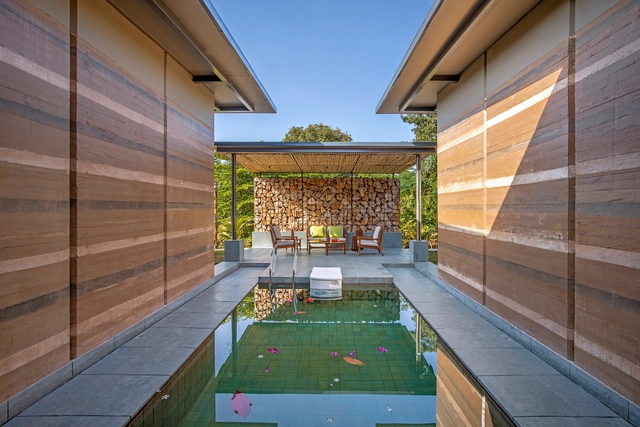
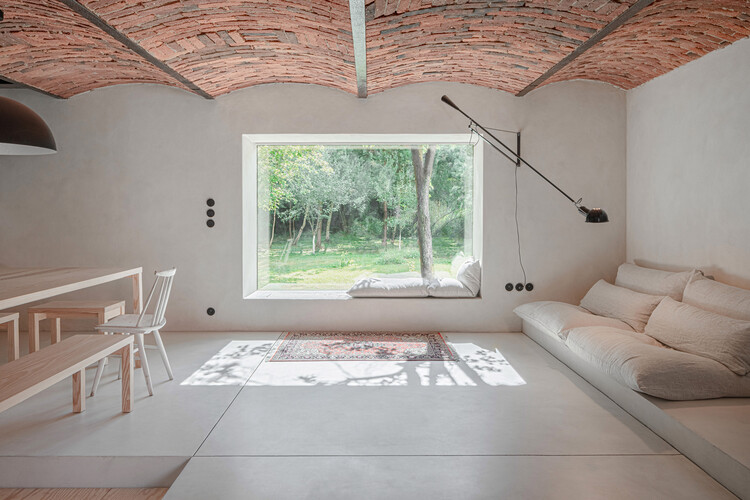
With the proper know-how, readily available earth, sand, chalk, lime, or gravel can yield a versatile, strong, and durable construction material. Its colorful results vary from region to region, depending on the natural soil component, climate, and treatment. While some prefer to minimize any added processing, others relish the exploration of rammed earth surfaces. Different textures and mesmerizing layers of multitoned or multicolored earth can be used to create a solid surface that enriches the visual quality of a space and carries a sense of warmth to any project.
As cities around the world go on lockdown in response to the COVID-19 outbreak, most individuals have been asked to stay at home, leaving only essential workers - EMTs and other healthcare professionals, grocery workers, bus drivers, deliverymen, and more - continuing to go out to keep the world running. Other families and individuals have found themselves spending most of their time at home, permitted to leave only to buy groceries or exercise for limited periods of time. With many no doubt searching for ways to pass the time in replacement of social interaction, we suggest several ways to brighten up your home while practicing social distancing, both improving the space you’re in and giving possible activities to pass the time.
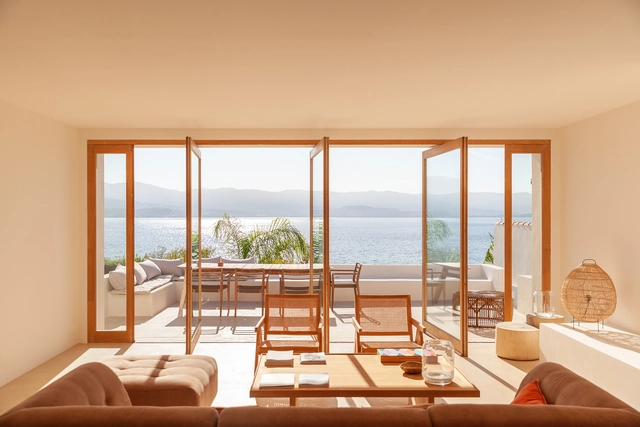
Interior design within architecture has become extremely relevant as architects and designers are responsible for creating pleasant spaces for people. Have you ever wondered why there are spaces in which we could stay for hours and others that generate instant rejection? These sensations are achieved through the correct management of various parameters that guarantee comfort in interior spaces.
Comfort in interior design, explained in a simple way, is provided in spaces that produce well-being. This, undoubtedly, can be a somewhat subjective and personal concept for each individual, but there are several parameters and building regulations to follow in design projects.
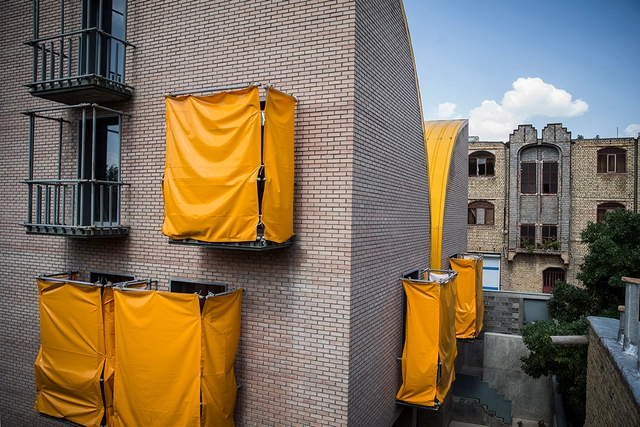
The Architectural Review has chosen a Habitat for Orphan Girls in Iran by ZAV Architects as the 2018 House of the Year. A competition staged by the publication every year, the AR House Awards identify “originality and excellence in the design of dwellings,” recognizing private houses which go beyond the core function of shelter, and become “an object of fantasy, a source of delight, a talisman, and a testing ground.
The ninth edition of the awards saw six projects chosen from a shortlist of 16, which contained schemes from the UK, Ireland, Spain, Scandinavia, Canada, Latin America, Iran, Vietnam, India, Nepal, and Japan. Previous winners have included David Chipperfield’s Fayland House in 2015, UID Architects’ Cosmic House in 2016, and the anti-seismic prototype in 2017 by Edward Ng, Wan Li and Xinan Chi.