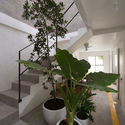
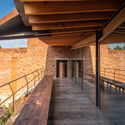
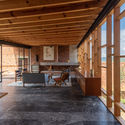
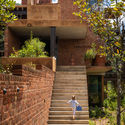
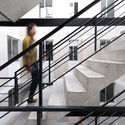
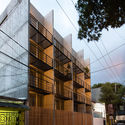
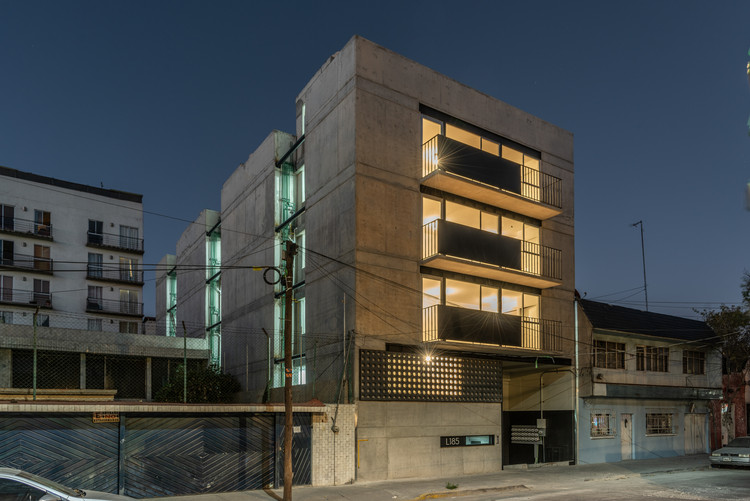
Stairways are central to access and mobility within a space, and yet, they often take a backseat to other elements of design within a work of architecture. However, Mexican firm PRODUCTORA has put them at the forefront of many of their projects, notably the Teopanzolco Cultural Center.
Youth Centers are facilities designed to provide a safe, informal and supervised environment for young people. They accommodate unstructured social interaction among different age groups and provide the space to offer more structured activities. By giving youth the opportunity to take part in recreational and cultural activities or vocational counseling, these centers help them develop their physical, social, emotional, and cognitive abilities and to experience achievement, enjoyment, friendship, and recognition.
https://www.archdaily.com/945582/youth-centers-places-to-develop-physical-social-emotional-and-cognitive-abilitiesClara Ott
The focus of buildings should ultimately be the well-being of the people using them. When we think of our experiences in hospitals, clinics, the dentist's office, and other medical facilities, the feeling is rarely pleasant. Perhaps it's the smells, the dull, monotone colors, or the sound of medical gadgets working away on some unlucky patient.
The Architectural League of New York has announced the winners of the 2020 Architectural League Prize for Young Architects + Designers. Focusing on fresh talent, North America’s most prestigious award encourages the development of distinctive individuals and underlines their work.








.jpg?1563579873)


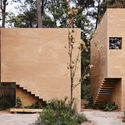
_copy.jpg?1596150637 "Floating House / Talleresque. Image © Studio Chirika")




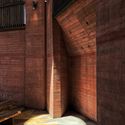




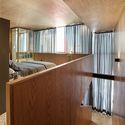
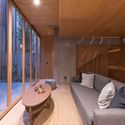




.jpg?1563579979 "© Sandra Pereznieto")
.jpg?1563580234 "© Sandra Pereznieto")
.jpg?1563581527 "© Sandra Pereznieto")
.jpg?1563580832 "© Sandra Pereznieto")
.jpg?1563579873)