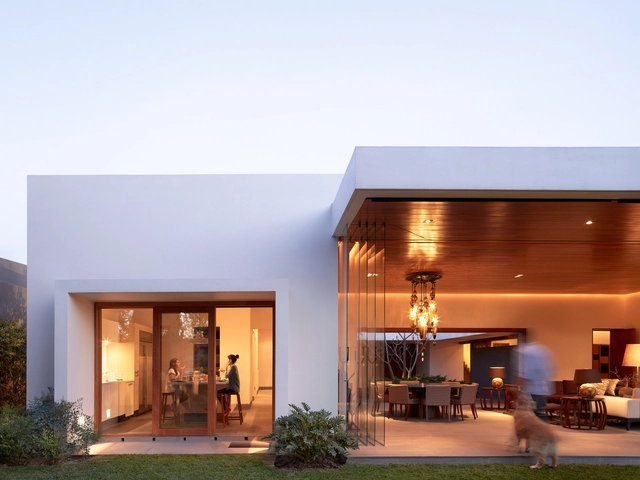
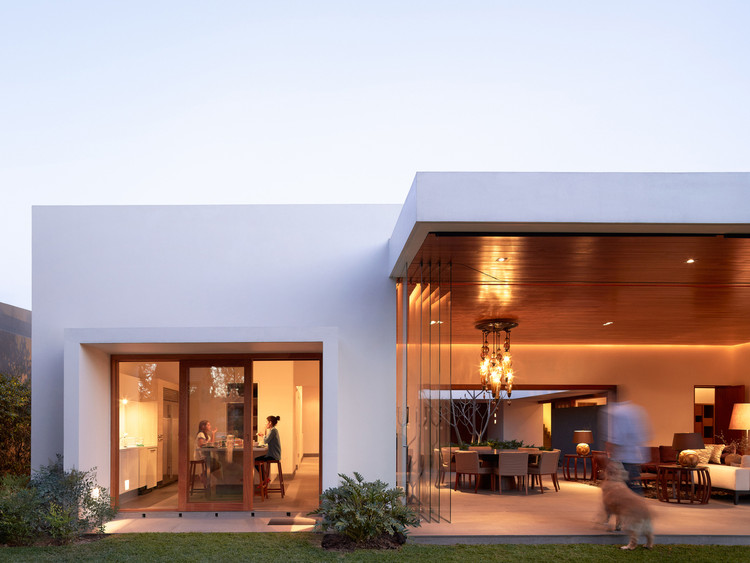
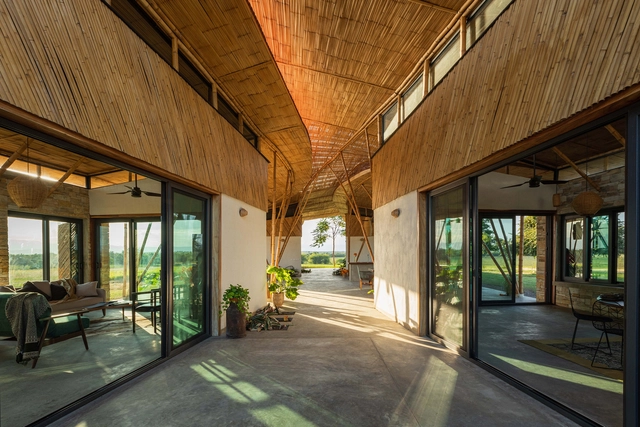
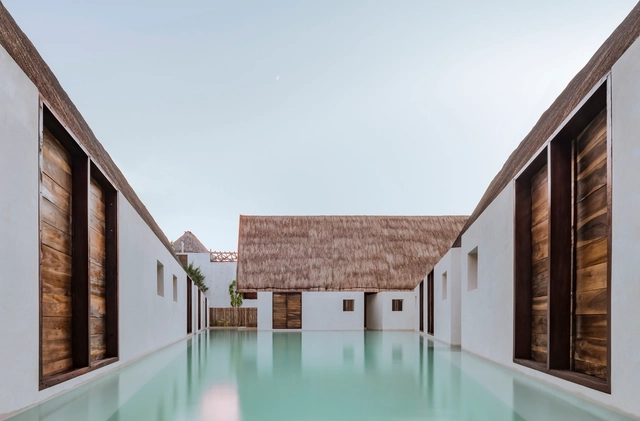
One of the most important factors when designing is the specific climate of the site, this can represent a difficulty when dealing with extreme climates and it is necessary to use insulating materials that adapt to changing conditions. However, when talking about Mexico and its privileged climate, this becomes an advantage for architects, allowing the creation of microclimates and spaces that fade into the transition of what is the inside and the outside.
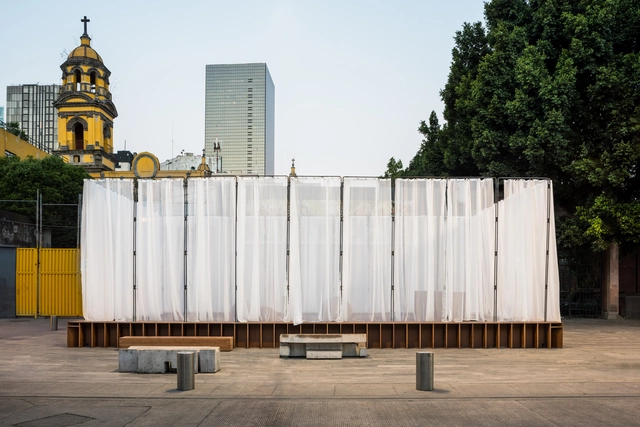
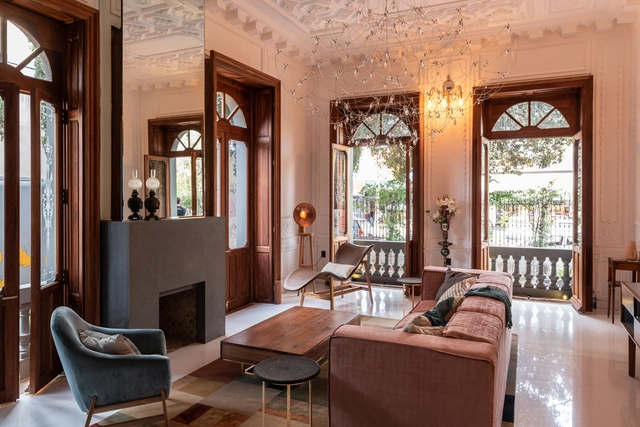
Casa Besign is a temporary project born out of the need to showcase the talent of interior designers, mostly from Puebla, as part of Besign México—a platform created to honor Puebla's 2015 designation as a “Design Capital” by UNESCO, connecting disciplines, key players, and companies in the fields of design, creativity, and innovation.
https://www.archdaily.com/1120575/casa-besign-pays-tribute-to-interior-design-in-the-city-of-puebla-mexicoArchDaily Team
Mexican architect Michel Rojkind has been named the senior vice president of architecture at WeWork. A native of Mexico City, Rojkind founded the Rojkind Arquitectos office in 2002 focusing on design, tactical and experiential innovation, maintaining an architectural vision that will shape integral experiences, connecting the complexities of each project to a deeper level to positively impact society and the environment. This vision was what led him to connect perfectly with the WeWork approach.
https://www.archdaily.com/913711/water-pavilion-apaloosa-estudio-de-arquitectura-y-diseno-plus-simetria-estudio-de-arquitectura-plus-number-localistaClara Ott
Tezontle Ludens is the name of the winning project of the Arquine Competition No. 21 | Mextrópoli Pavilion 2019, which opened on Friday, March 8, in Mexico City's Alameda Central alongside a series of pavilions designed to activate public space. The pavilion, built by Factor Eficiencia and designed by Suma Estudio (Roberto Aguilar, Diego García, Fernando Franco, Diego Aguilar, and Jalil Miguel), was described by the jury as "a simple, well-narrated playful experience, materialized in a lightweight space and a commitment to subtlety. The project communicates with that same clarity, without discursive excess or unnecessary justification."
The Royal Academy has revealed the shortlist for their annual prize recognizing young talent in architecture, the Dorfman Award. The award is given to those "...reimagining the future of architecture and whose work demonstrates a high degree of sensitivity to local and global context." The 2019 shortlist comprises four emerging architects practicing across the globe.
Nestle Application Group / Rojkind Arquitectos . Image
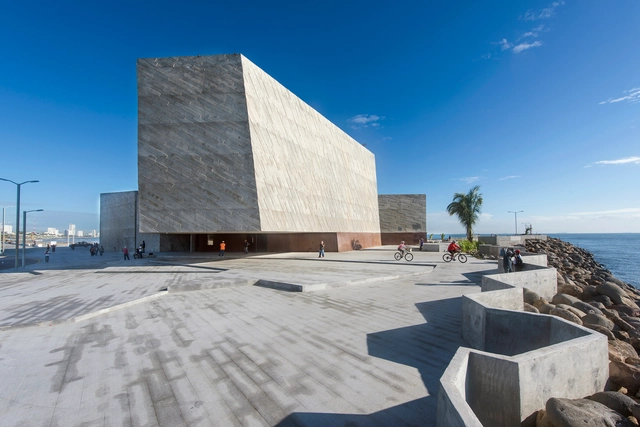
Born in 1969 in Mexico City, Michel Rojkind was educated in the 1990s at the Universidad Iberoamericana, while also performing as a drummer in Aleks Syntek’s popular rock band la Gente Normal. He opened his practice Rojkind Arquitectos in 2002. Among his most representative built works are Foro Boca for the Boca del Rio Philharmonic Orchestra in Veracruz, a newly expanded film complex Cineteca Nacional in Mexico City, a pair of factory additions for the Nestlé Company in Queretaro, and the Nestlé Chocolate Museum in Toluca, all in Mexico. We spoke about how his architecture engages with people, why architects should assume roles that extend beyond architecture, and the importance of generosity and not worrying about designing everything 100%.
The year 2018 has been filled with achievements and surprises for the architectural community. As the year draws to a close, we reflect on the crucial role competitions play in reinforcing the global image of each region or country. Mexico was no exception, securing nearly 18 international recognitions (including grants, competitions, nominations, etc.) that showcased its key interests and goals for the coming years to the rest of the world. This selection highlights the prominent participation of Mexican architects Frida Escobedo and Rozana Montiel—both invited and recognized on multiple occasions at some of the industry's most prestigious events—as well as outstanding projects like the Teopanzolco Cultural Center by Isaac Broid + Productora, which received several national and international awards.
When the time comes to separate or close off spaces, it's important to keep in mind solutions that will adapt and cater to your project. In this step, it's important to define, not only the materials needed to complete the project, but how the final product will interact with the people who will use it. Some of the most highly recommended solutions are foldable, collapsable, stackable, or hanging mechanisms that allow interiors and exteriors to be integrated without completely losing their individual functions.
If you're looking for help or inspiration for this process, take a look at 6 projects that effectively utilize these versatile building systems.
Throughout history, markets have provided an important function in the exchange of foods, books, spices, everyday items, and even ideas. From Mexican Tianguis to North African Souks, they played an essential element in the configuration of urban spaces.
Different architects have approached this challenge, where spatial distribution plays a fundamental role in creating adequate logistics and circulation.
We've selected 20 markets and their plan and section to inspire your next project.
The second edition of Living Places - Simon Architecture Prize is a competition organized in collaboration with prestigious international architecture firms, featuring 145 projects from 12 European countries and Mexico. Although European in scope, this edition of the prize includes Mexico as a special guest. The award is presented in two categories: Personal Places and Collective Places, with a €10,000 prize for the winner of each.
The jury comprised various professionals, including renowned Mexican architect Frida Escobedo, founder of her eponymous studio, the youngest designer of a Serpentine Pavilion and recently awarded a RIBA International Fellowship; Davide Rapp (Milan), an architect and filmmaker who created the film “Elements” for the 2014 Venice Biennale as the introductory video to the central exhibition; Cecilia Tham (Hong Kong, Barcelona), founder of the creative community MOB Makers of Barcelona; and Ricardo Flores (Buenos Aires, Barcelona) of Flores & Prats Arquitectos, one of the winners of the prize's previous edition.
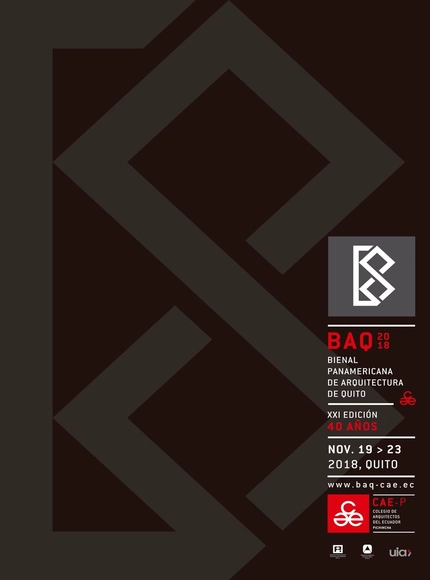
On Wednesday, November 21, the winners of the XXI Pan-American Architecture Biennial of Quito (BAQ2018) were announced in Ecuador.
Divided into six participation categories, the juries selected a series of projects and publications that stand out as meaningful contributions to their respective fields, offering relevant lessons for our discipline. The following are the winners in Category A (Architectural Design), Category B (Urban Design and Landscape Architecture), Category C (Social Habitat and Development), and Category D (Architectural Rehabilitation).
Mexico is a country known globally for its traditional and contemporary architectural elements. The construction techniques characteristic of each region and the use of materials according to thermic, economic, or aesthetic needs result in unique spaces.
CEMEX has announced the Mexican winners of the 2018 CEMEX Building Award across its various categories, including Affordable Housing, Residential Housing, Building, Collective Space, and Infrastructure. This year's winners include projects from across Mexico, with each entry evaluated on comprehensive sustainability, architectural solution, structural solution, and construction process. Read on to discover the winning projects of this edition.







.jpg?1553867953&format=webp&width=230&height=230&crop=true)