-
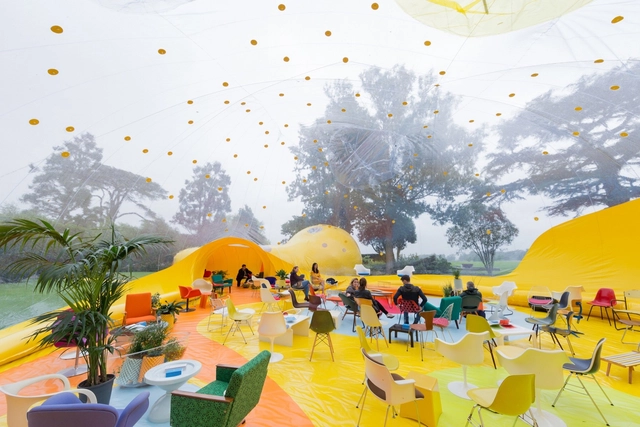
Architects: DOSIS
- Area: 315 m²
- Year: 2016
-
Manufacturers: Lastra y Zorrilla, Expafol, Gustav-Nolting y Master, Serge Ferrari


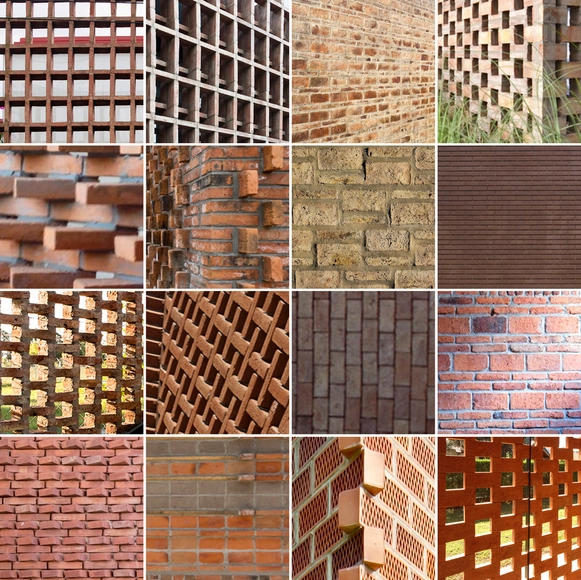
The wide range in which pieces of masonry can be arranged allows for multiple spatial configurations. Born in a furnace, the brick adorns and reinforces, protects and—to various degrees—brings natural light into spaces that need slight, natural illumination.
Throughout history, traditional brick-laying consisted of predetermined arrangement of parts, and lines of rope to guide the consistency and placement of each individual brick. But there are many other ways to exploit this multi-faceted, timeless material, so we've selected 16 projects that demonstrate the potential of the humble brick.
Below find 16 construction details from projects that use bricks in ingenious ways.
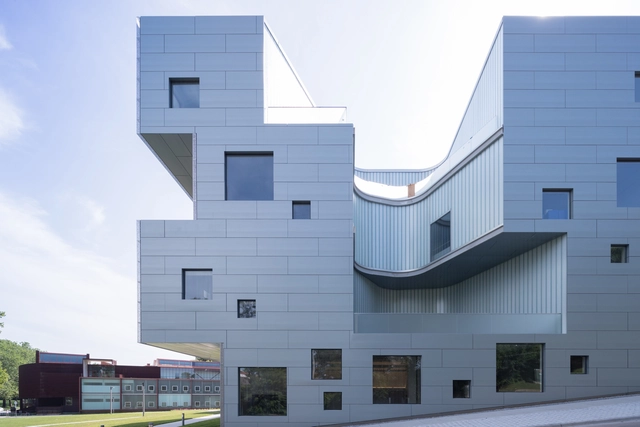
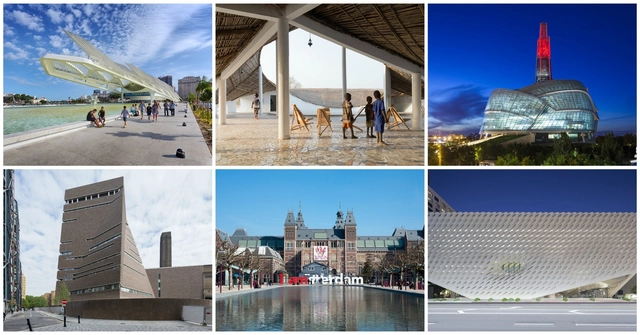
The winners of the 2016 Leading Culture Destinations Awards have been announced. Presented this past weekend at a ceremony in London, the LCD Awards are given annually to recognize the success of “museums, art organizations, and cultural destinations from around the world [that] are investing in iconic architecture, cross-sector collaborations, [and] audacious programming […] to diversify the experiences offered to visitors and establish their global reputations.”
This year, awards were presented in four categories: Leading Cultural Destination of the Year; Best New Museum of the Year (for museums opened in the past 15 months); Best Soft Power Destination of the Year (a new award for 2016, given to destination who exhibit 'excellence, relevance, transparency, accountability and sustainability'); and the Traveller’s Award for Best Place to Visit.
The overall winner for 2016 was Diller, Scofidio + Renfro’s Broad Museum in Los Angeles. Continue reading to see the full list of winners.
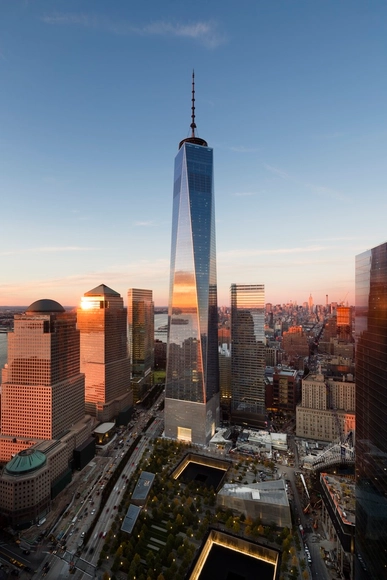
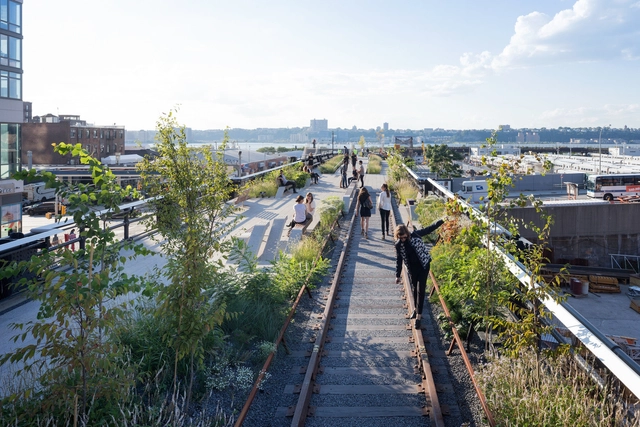
This article was originally published in Metropolis Magazine as "When It Comes to Sustainability, We're Ranking Our Cities Wrong."
A recent article published in Nature makes a bold claim: we're analyzing our cities completely wrong. Professors David Wachsmuth, Aldana Cohen, and Hillary Angelo argue that, for too long, we have defined sustainability too narrowly, only looking at environmental impact on a neighborhood or city scale rather than a regional or global scale. As a result, we have measured our cities in ways that are inherently biased towards wealthy cities, and completely ignored the negative impacts our so-called "sustainable," post-industrial cities have on the rest of the world.Metropolis editor Vanessa Quirk spoke with Professor Wachsmuth to learn more about the unintended knock-on effects of going "green," the importance of consumption-based carbon counting, and why policy-makers should be more attentive to the effects of "environmental gentrification."

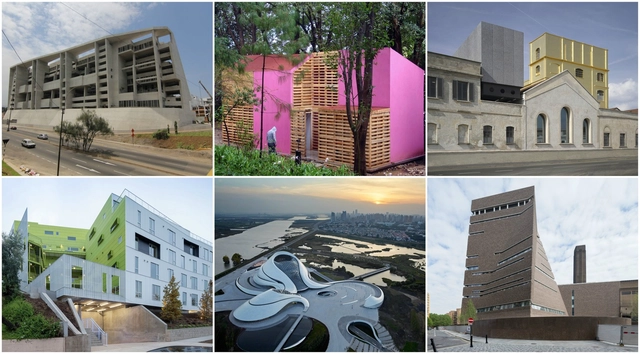
The Design Museum in London has announced the shortlist of 13 architecture projects being considered for the 2016 edition of the prestigious Beazley Design of the Year award. From Tatiana Bilbao’s Sustainable Housing Prototype to MAD Architects’ Harbin Opera House, the list features projects from a wide variety of scales and programs, celebrating some of architecture’s most significant achievements from the past year.
The award, now in its ninth year, “celebrates design that promotes or delivers change, enables access, extends design practice or captures the spirit of the year.” Nominees are selected in six categories, including Architecture, Digital, Fashion, Graphics, Product and Transport. An exhibition on the projects will be on display from 24 November 2016 – 19 February 2017.
Last year, the overall architecture prize was awarded to Alejandro Aravena's UC Innovation Center for the building’s ability to be “permeable – visually, socially and climatically with its environment."
View all of the shortlisted buildings, after the break.
.jpg?1449943376&format=webp&width=640&height=580)
.jpg?1470428172)
This review of "The Archipreneur Concept" by Tobias Maescher was originally published on Archsmarter as "The Archipreneur Concept: A Review."
When I started my business almost four years ago, I read every business book I could get my hands on. Apart from a paper route in grade school, I didn’t have a business background. I hadn’t even taken any business classes in college. But after seeing many hardworking colleagues get laid off during the 2009 recession, I realized I wanted to call my own shots and be my own boss.
Needless to say, I had some catching up to do.
So I went to the library and the book store and got a stack of books on marketing, sales, and business finance. You name it, I read it. The problem was that I couldn’t always put these books into a context that made sense to me. I didn’t want to run a Fortune 500 business. I didn’t have a marketing team. I didn’t even know if I wanted to hire employees. I just wanted work for myself and build something of my own.

In this series by renowned financial institution Goldman Sachs, Talks at GS, some of architecture’s leading minds, including David Adjaye and Maya Lin, talk about how their careers have developed, their secrets to success, and what they are working on right now. The most recent video features Bjarke Ingels discussing his design approach and the development of this year’s Serpentine Pavilion. In addition to the videos, Goldman Sachs has also sat down with two other design leaders to talk about their careers.
Find the rest of the interviews after the break.
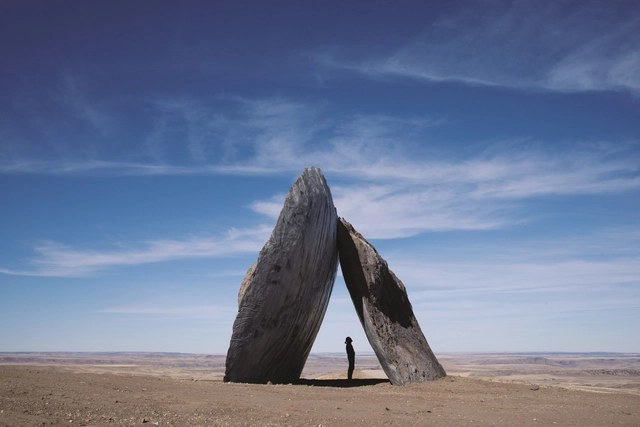
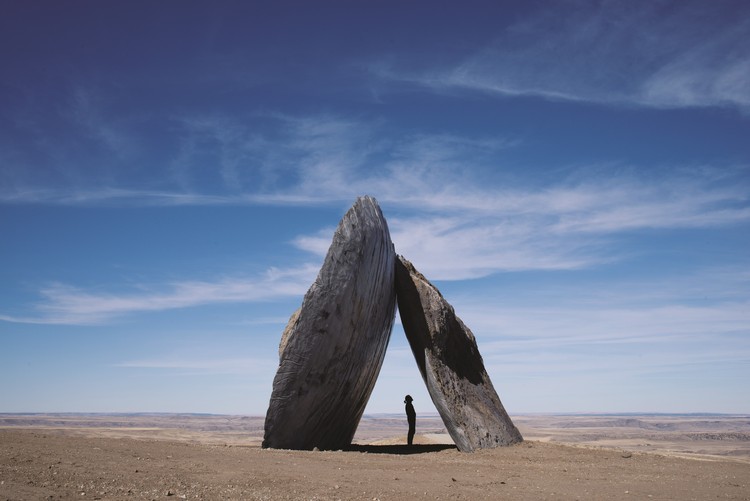
What do Frederic Chopin, Alexander Calder and Montana's Bear Tooth Mountains have in common? A long summer day at Tippet Rise Art Center seeks to make the connections audible, visible, tangible.
Founded by philanthropists and artists Cathy and Peter Halstead and inaugurated in June 2016, Tippet Rise began as—and largely remains—a working ranch. It sprawls across 11,500 acres of rolling hills and alluvial mesas of southwestern. To the west rise the snowy heights of the Bear Tooth Mountains. Off to the east, hills give way to golden prairies that stretch out to the horizon.
Into this privileged landscape, the Halsteads and team have strategically inserted massive outdoor sculptures by Alexander Calder, Mark di Suvero, Stephen Talasnik, plus three specially commissioned works by the Spanish architectural firm Ensamble Studio. And hidden in a small depression near the entrance of the massive ranch, the LEED Platinum-certified Olivier Barn serves as both base camp for visitors and a state-of-the-art concert hall.
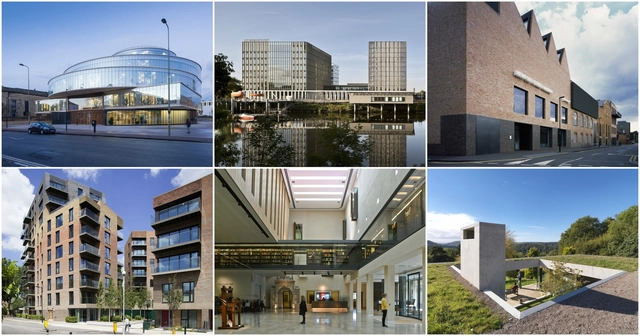
The Royal Institute of British Architects (RIBA) has announced six projects that will compete for the 2016 Stirling Prize, the award for the building that has made the greatest contribution to British architecture in the first year. Selected from the pool of regional winners around the country, the shortlisted buildings range from a small house in the south of England to a new college campus in Glasgow, Scotland. However, in a first for the Stirling Prize, the shortlist features two buildings coming from one client, Oxford University.
"Every one of the six buildings shortlisted today illustrates the huge benefit that well-designed buildings can bring to people’s lives," said RIBA President Jane Duncan. "With the dominance of university and further education buildings on the shortlist, it is clear that quality architecture’s main patrons this year are from the education sector. I commend these enlightened clients and supporters who have bestowed such remarkable education buildings."
The winner of the Stirling Prize will be announced on Thursday 6 October.
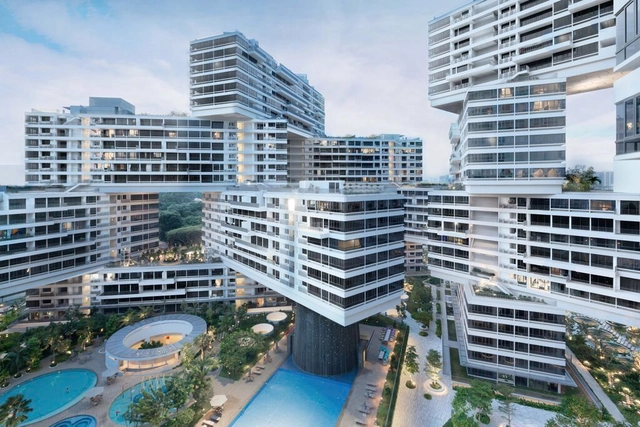
The following is taken from ‘Design Review’, written by Peter Stewart for the Commission for Architecture and the Built Environment (CABE), 2002. In light of the upcoming World Architecture Festival, whose finalists were announced this morning, Stewart gives a few tips on what makes a good project and a successful competition entry.
The Roman architect Vitruvius suggested that the principal qualities of well- designed buildings are ‘commodity, firmness and delight’:
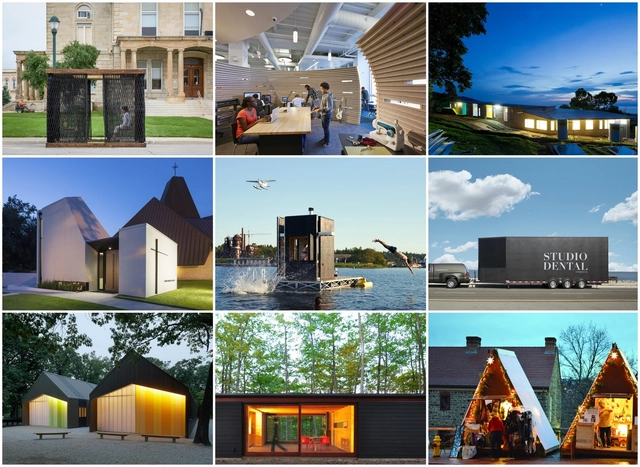
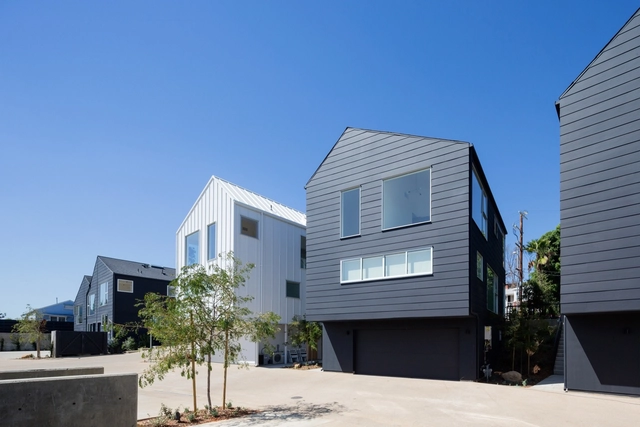
The American Institute of Architects (AIA) has selected seven recipients of the 2016 Small Project Awards. This is the 13th edition of the program, which was established to recognize firms for their excellence in small-project design. This year the winners have been placed into two categories: Category 1, which awards “a small project construction, object, work of environmental art or architectural design element up to $150,000 in construction cost,” and Category 2, given to “A small project construction, up to $1,500,000 in construction cost.”
This year’s winners include a wide variety of program types and sites. Continue after the break for the list and descriptions of the projects.
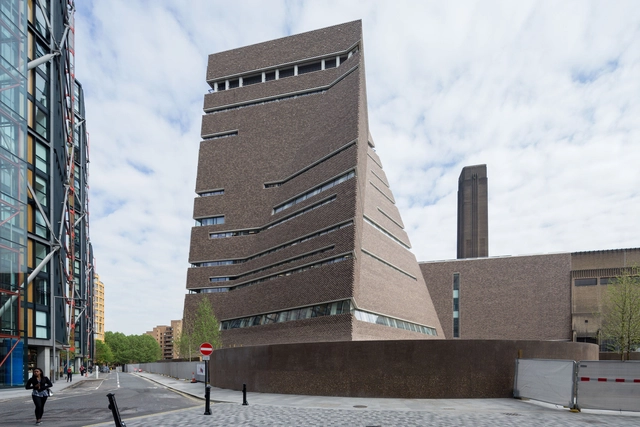
London's Tate Modern just got bigger. Last week, the well-known modern art museum opened its new extension to the public. The so-called “Switch House” was designed by Swiss architects Herzog & de Meuron, the same firm that designed the successful rehabilitation of the original Giles Gilbert Scott’s Bankside Power Station in 2000.
The museum could not be more satisfied: “It’s a dream,” says Tate Modern’s new director Frances Morris, “We’ve never had such an open space before. The possibilities are endless.” While critics generally approved of the design, they expressed mixed feelings for the addition’s materiality and urban character. Read on to find out more about the views of Frieze Magazine’s Douglas Murphy, The Evening Standard’s Robert Bevan, The Guardian’s Rowan Moore, and The Financial Times’ Edwin Heathcote.




.jpg?1449943359&format=webp&width=230&height=230&crop=true)
.jpg?1449943503&format=webp&width=230&height=230&crop=true)
.jpg?1449943456&format=webp&width=230&height=230&crop=true)
.jpg?1449943472&format=webp&width=230&height=230&crop=true)
.jpg?1449943376)