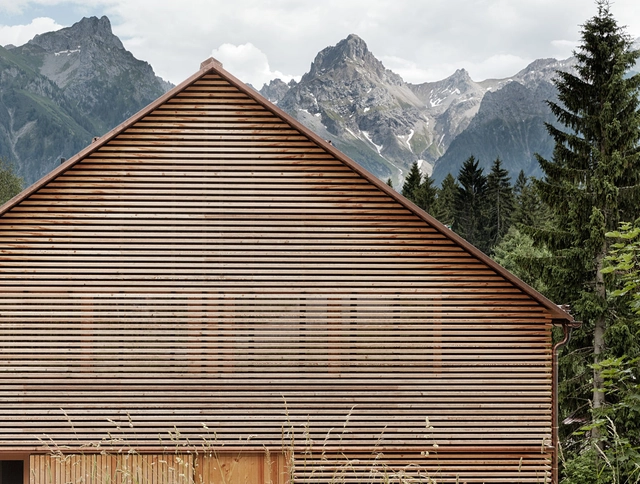
When designing the Nordic Pavilion in Venice, Sverre Fehn incorporated Nordic architectural elements in unusual ways. One of the most attention-grabbing elements of the building is its laminar roof cover of white concrete, which is broken by trees planted inside the building blocking the sun's rays and filtering the light. Depending on the angle, the roof blades allow visitors to see the colors of the sky and the canopy of the trees, bringing dynamism to the pavilion's lighting and movement. In fact, the use of parallel slats on facades, walls, and roofs is a tradition that comes from Nordic architecture and has spread throughout the world. In this article we will cover some examples that use this element, including its variety of possibilities and the best ways to amplify their effect.
In times of quarantine, architects and designers are settling into a new remote working environment. In this process of implementing platforms and workflows to work from home, the risk of social isolation remains real, even for companies used to this environment, such as ArchDaily. As David Basulto, CEO of ArchDaily, wrote last week, the quarantine implies not just working online, but "staying connected and support each other."
Because, for all the inspirational works across the world, we would be lost without the photographers dedicated to sharing this inspiration with us. Here we present to you the most influential architectural photographs of the year.
Once restricted to space stations and satellites, photovoltaics are now gaining popularity and becoming an increasingly viable option. Every day, the sun releases an enormous amount of energy, far more than the entire population consumes. Being that the sun is a sustainable, renewable, and inexhaustible source for generating electricity, not using it seems almost counter-intuitive, especially considering the social and environmental impacts of other forms of energy generation. But the technology to create electricity from the sun is by no means simple and still has some limitations, the most significant being price. The following article attempts to explain some basic concepts about this process, and to highlight important considerations for designing a solar energy system.
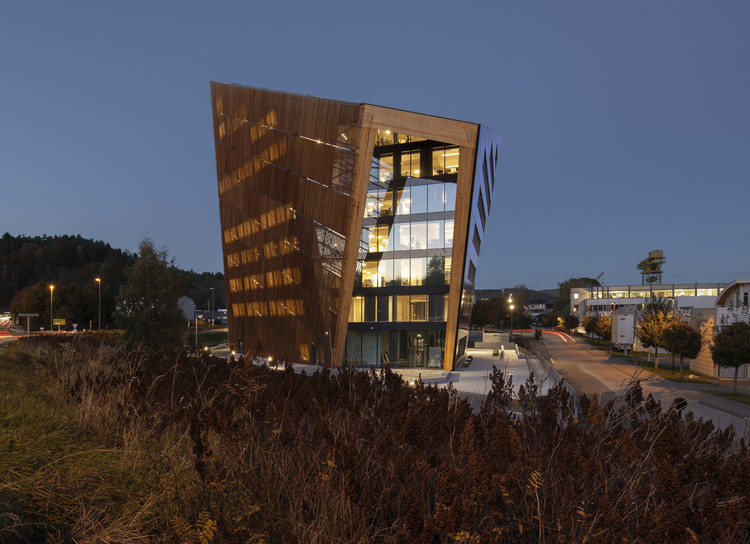
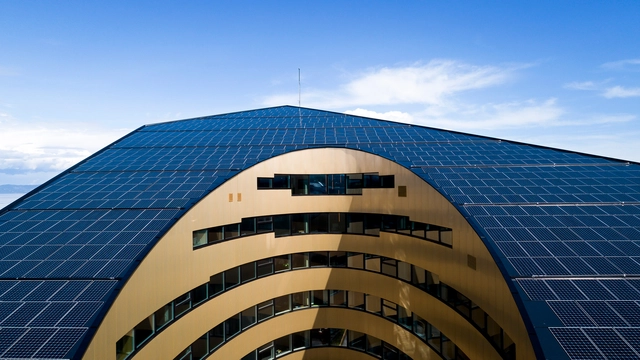
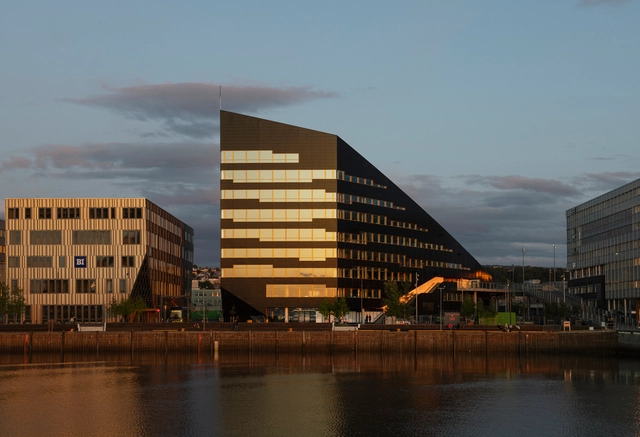
Located in Trondheim, Norway, Powerhouse Brattørkaia, the world’s northernmost energy-positive building, designed by Snøhetta challenges the traditional notions of construction and puts in place new standards for buildings that produce more energy than they consume.
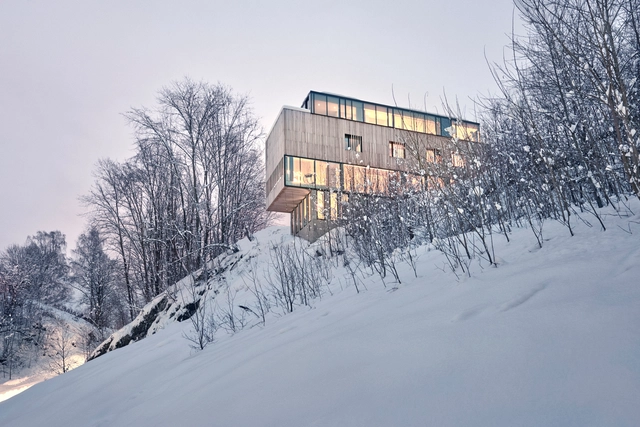
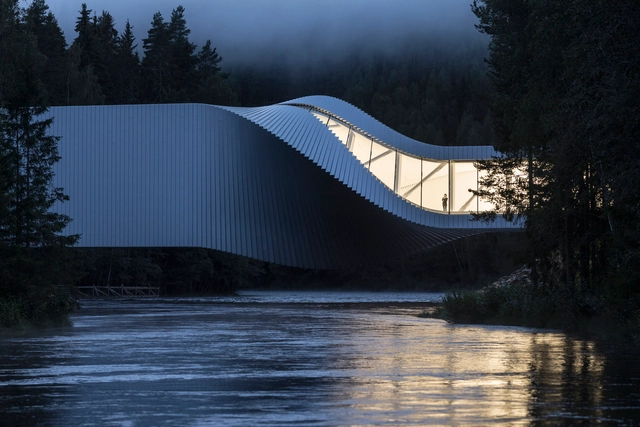
The World's Greatest Places of 2019 list by Time magazine celebrates 100 destinations in the world to visit, stay, eat and drink. Selected by the global team of editors of the publication, the places have been evaluated based on quality, originality, innovation, sustainability and social impact.
We have shortened this list and selected the architectural projects that have previously appeared on ArchDaily. Read on for more details.
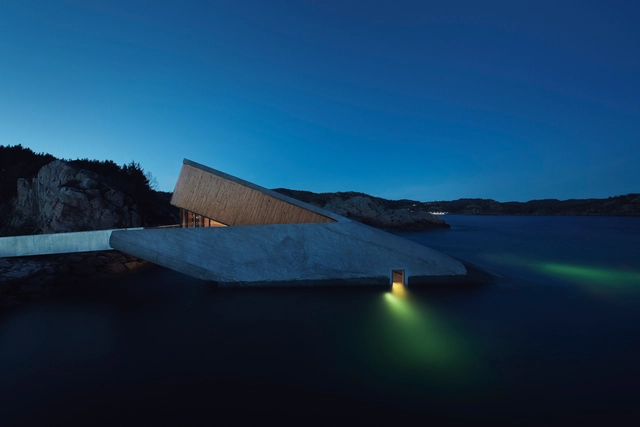
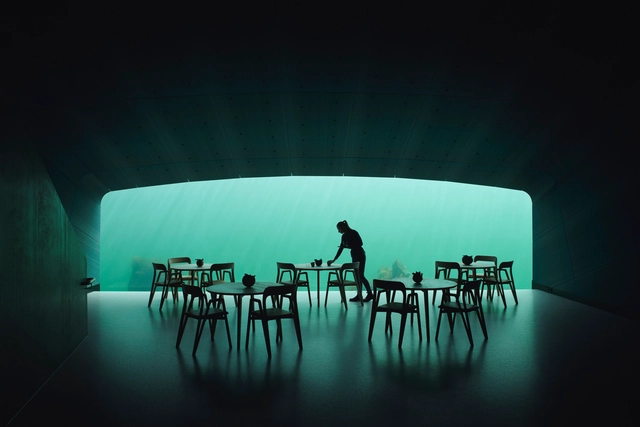
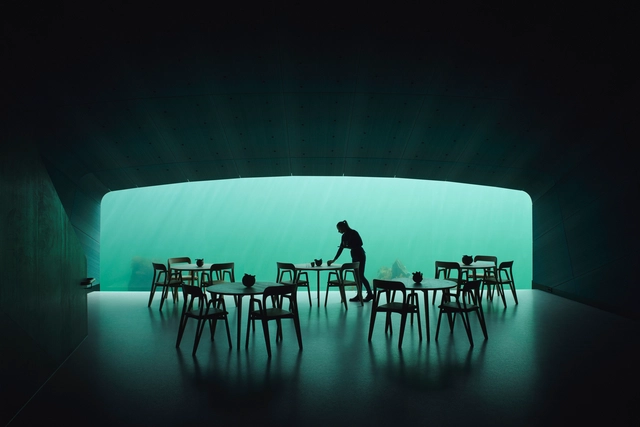
Snøhetta has announced the completion of Europe’s first underwater restaurant. Situated in Lindesness, on the southernmost point of the Norwegian coastline, the “Under” scheme serves as both a restaurant and a research center for marine life. Open to the public on March 20th, the half-sunken scheme forms a 34-meter-long monolithic break in the surface of the water, before resting on the seabed five meters below.
Situated at a point where sea storms from the north and south meet, and where marine species flourish in both briny and brackish waters, the Snøhetta scheme places itself at a unique confluence. Designed to fully integrate its marine environment over time, the scheme’s rough concrete shell will gradually transform into an artificial reef.
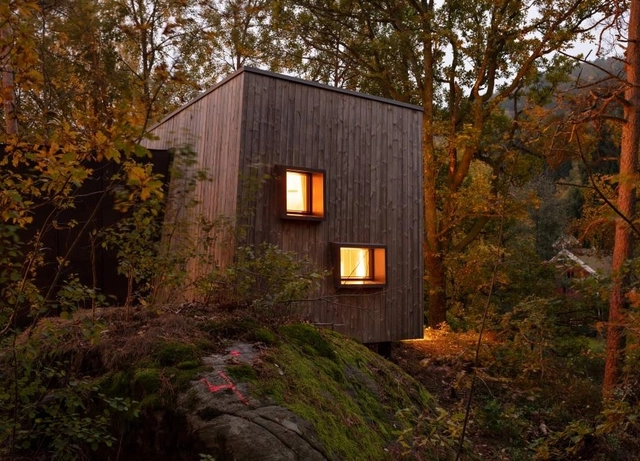
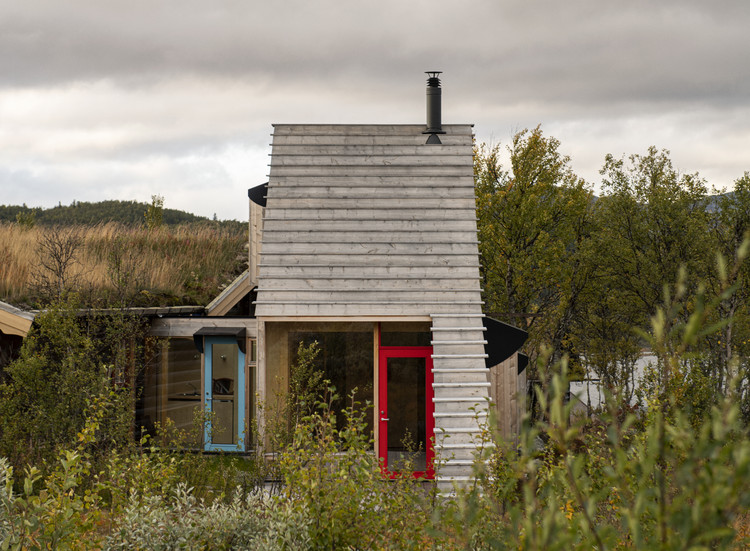
Design practice Snøhetta has created a series of secluded wooden shelters for Norway's largest hospitals. Sited in the forest, the shelters were created on behalf of the Friluftssykehuset Foundation. Designed to make hospitalization easier for patients and their families, the outdoor retreats offer a physical and psychological respite from treatments and the isolation that can follow long-term hospitalization.




©Ivar_Kvaal.jpg?1594333898&format=webp&width=230&height=230&crop=true)
©Ivar_Kvaal.jpg?1594333552&format=webp&width=230&height=230&crop=true)
©Ivar_Kvaal.jpg?1594334217&format=webp&width=230&height=230&crop=true)
©Ivar_Kvaal.jpg?1594334342&format=webp&width=230&height=230&crop=true)







.jpg?1567677328&format=webp&width=230&height=230&crop=true)