.jpg?1607789271&format=webp&width=640&height=580)
.jpg?1607789373&format=webp&width=230&height=230&crop=true)
.jpg?1607789171&format=webp&width=230&height=230&crop=true)
.jpg?1607789184&format=webp&width=230&height=230&crop=true)
.jpg?1607789405&format=webp&width=230&height=230&crop=true)
.jpg?1607789271)
-
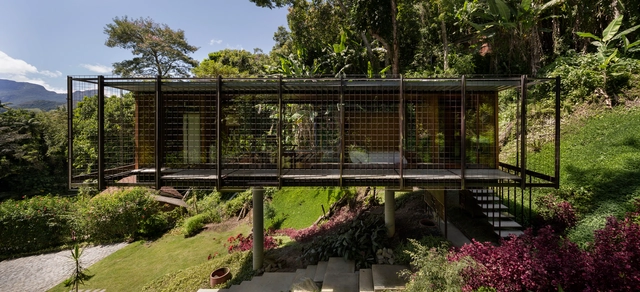
Architects: Mariana Meneguetti, Venta Arquitetos
- Area: 180 m²
- Year: 2018


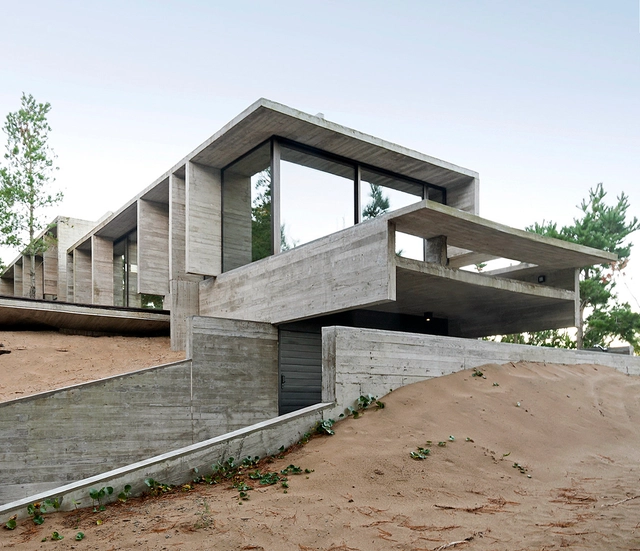
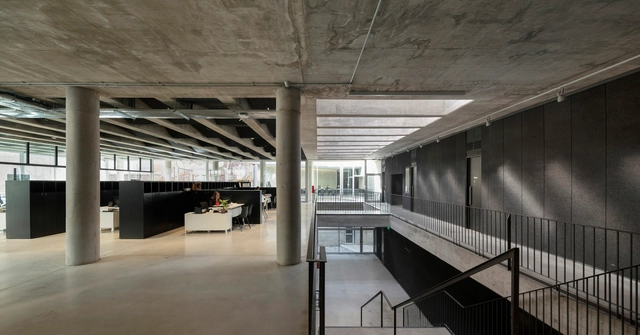
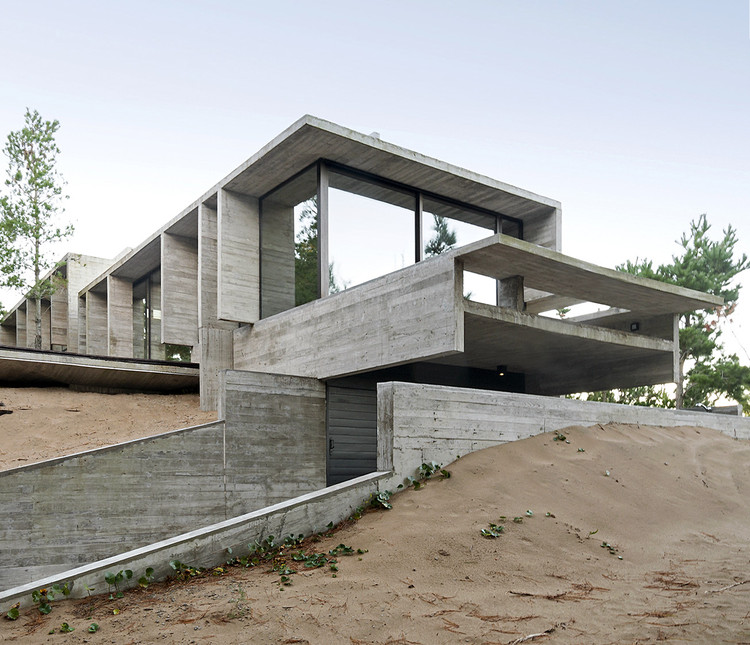
Thanks to its aesthetic qualities and malleability, concrete is the darling of the world's builders and architects. In Argentina in particular, concrete's durability and adaptability to a range of climatic conditions makes it one of the most sought after construction materials, demonstrated by, not only the country's countless museums, hotels, hospitals, but by its residential and smaller-scale buildings as well.
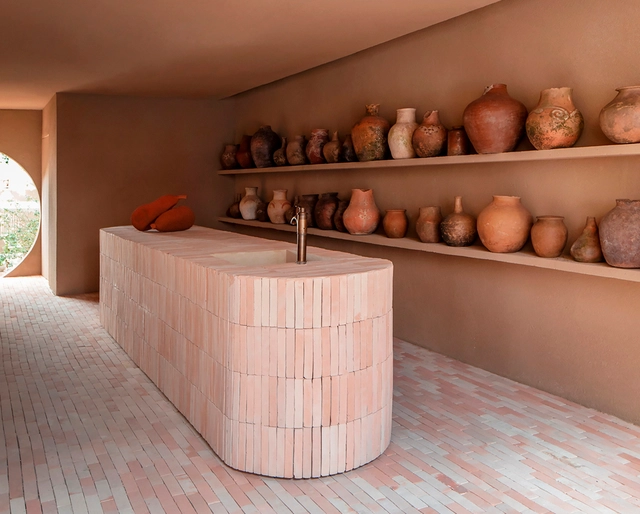
Many architects work in a variety of areas, designing everything from the layout of a city block to the most minute details of a building. A common trend among these projects is that the furnishings, the very things that make a structure usable and livable, are often afterthoughts for the project's creators and only become important when the structure is already built.
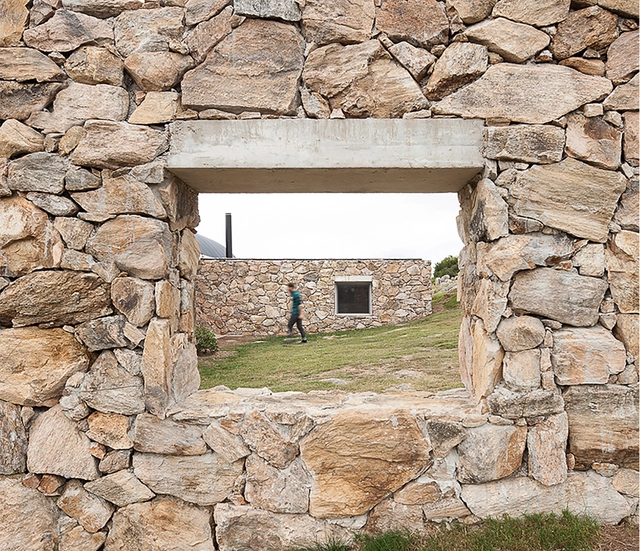
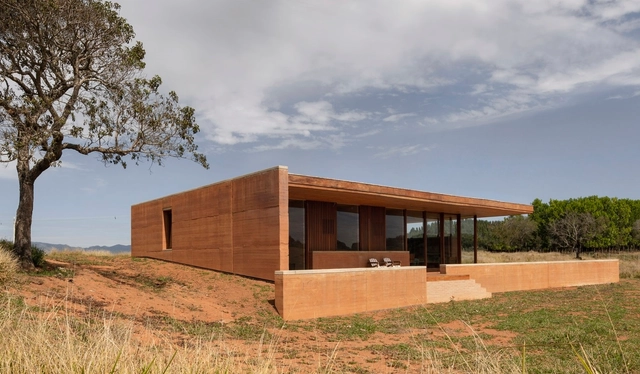
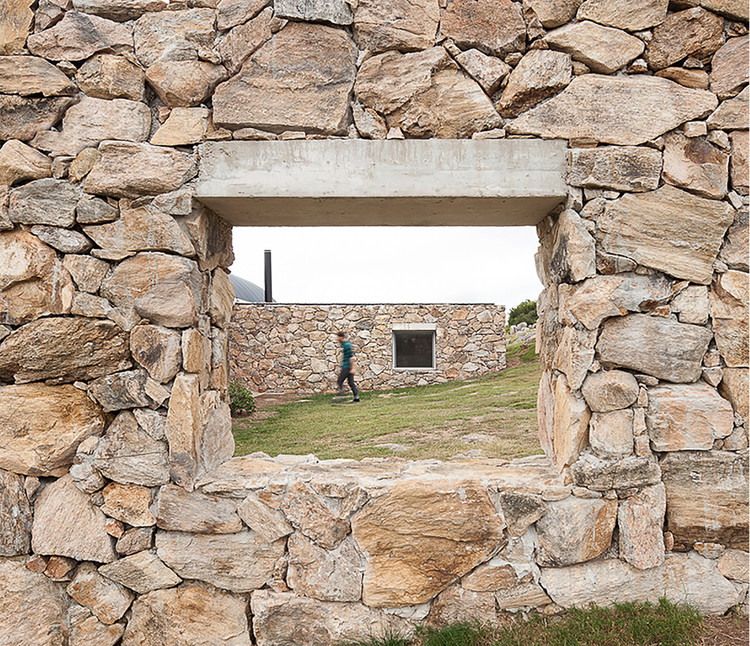
While stone has been used in construction since time immemorial, it's maintained its place in architecture thanks to its design capabilities, durability, and efficiency.
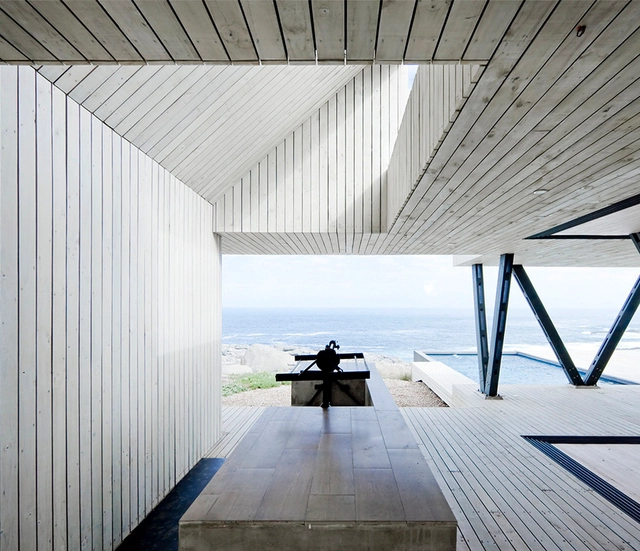
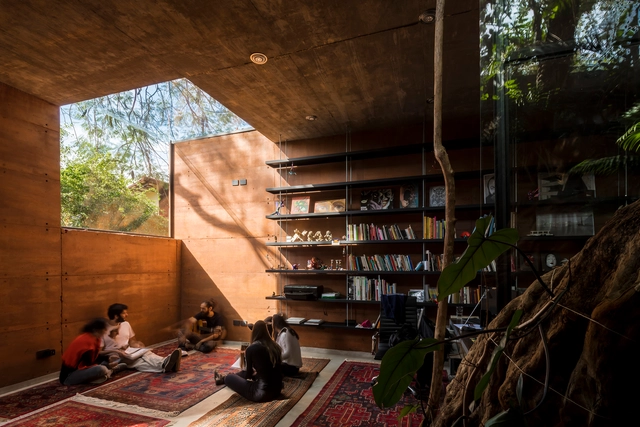
Whether by traditional windows, linear openings in the wall, or skylights, the manipulation and incorporation of natural lighting in architectural projects can render a radical change in interior spaces.
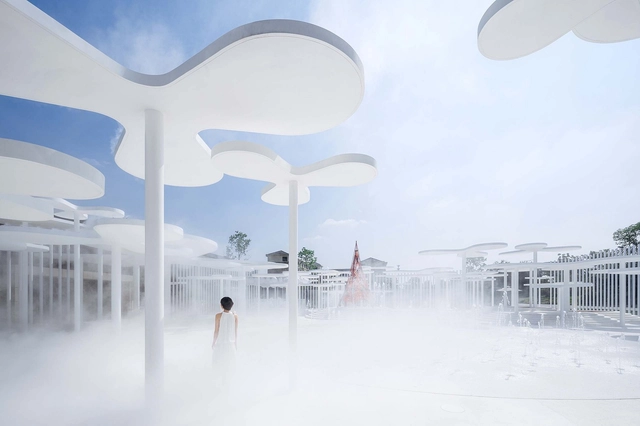
The incorporation of the human figure is one of the most effective tools used in architectural photography: it helps the viewer decipher the scale of work and assess its amplitude. While it successfully communicates a rough idea of the measurements of the elements in the picture, it also helps architecture become more relatable and accessible. People engage better with the built environment when it is populated, mainly because the human sense of society and community is the cornerstone of our civilization. With this in mind, we are showcasing a selection of our favorite photographs where the human figure takes center stage, enhancing our reading of architecture.
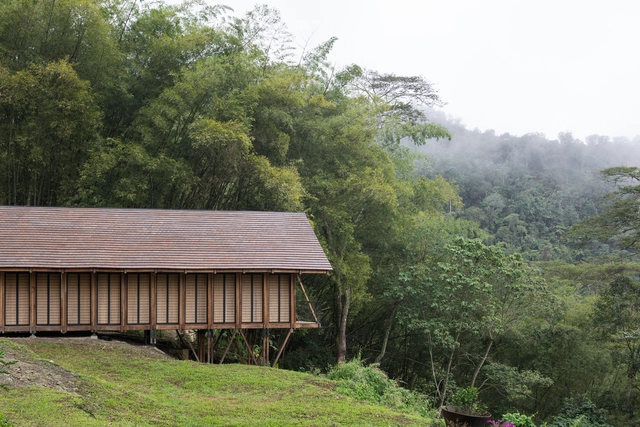
Colombian artist and architect Santiago Pradilla captured my interest through his many passionate pursuits—he has dedicated as much of his life to traveling to and working within small, rural communities and as he has to producing architecture that tells the rich history of Colombian cities.
We discussed the relationship between academia, auto-construction, and rural living as well as the exploration of other artistic disciplines. We even breached the topic of the importance of heritage and projections about the direction of Colombian architecture.
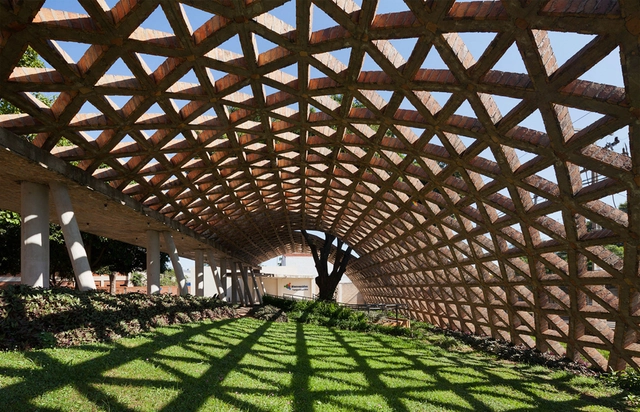
The focus of buildings should ultimately be the well-being of the people using them. When we think of our experiences in hospitals, clinics, the dentist's office, and other medical facilities, the feeling is rarely pleasant. Perhaps it's the smells, the dull, monotone colors, or the sound of medical gadgets working away on some unlucky patient.


.jpg?1569479277)
.jpg?1569478641&format=webp&width=230&height=230&crop=true)
.jpg?1569478391&format=webp&width=230&height=230&crop=true)
.jpg?1569478603&format=webp&width=230&height=230&crop=true)
.jpg?1569478319&format=webp&width=230&height=230&crop=true)


.jpg?1532301546&format=webp&width=230&height=230&crop=true)


.jpg.jpg?1606476850&format=webp&width=230&height=230&crop=true)
.jpg.jpg?1606476459&format=webp&width=230&height=230&crop=true)
.jpg.jpg?1606476502&format=webp&width=230&height=230&crop=true)
.jpg.jpg?1606476616&format=webp&width=230&height=230&crop=true)






.jpg?1586908171&format=webp&width=230&height=230&crop=true)
.jpg?1586907956&format=webp&width=230&height=230&crop=true)
.jpg?1586908151&format=webp&width=230&height=230&crop=true)
.jpg?1586904288&format=webp&width=230&height=230&crop=true)
