-
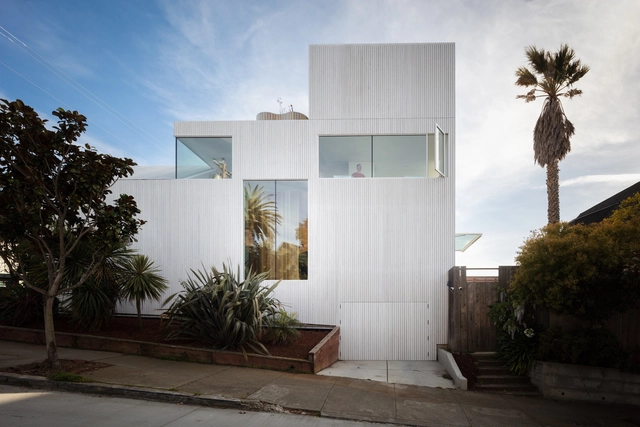
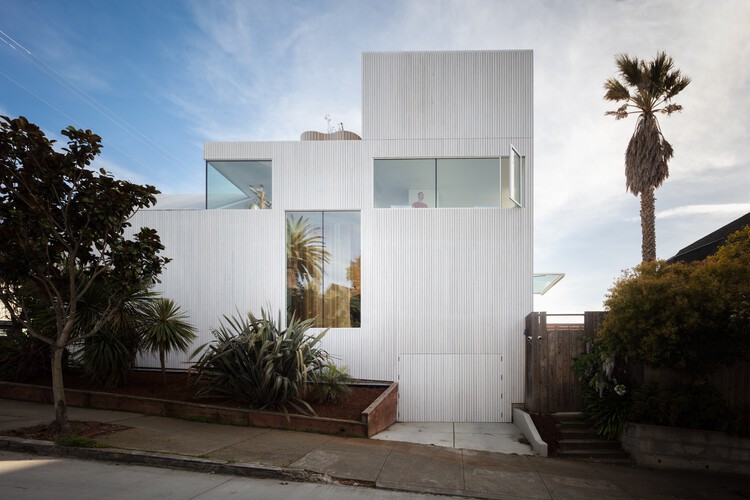
Architects: Craig Steely Architecture
- Year: 2023


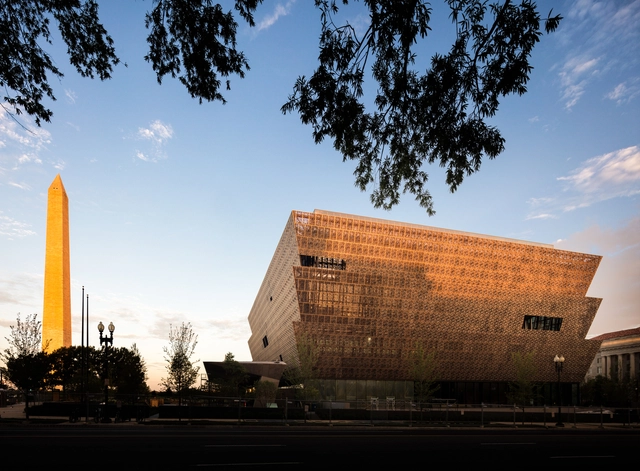
Juneteenth, observed annually on June 19th, commemorates the emancipation of enslaved African Americans in the United States, marking a moment of liberation and reflection on a complex and often overlooked history. Originally celebrated in Texas, Juneteenth has grown to symbolize broader themes of freedom, resilience, and cultural identity, fostering conversations about justice and representation. This day also presents an opportunity to highlight the ways in which architecture can serve as a medium for preserving and presenting African American history and cultural values.
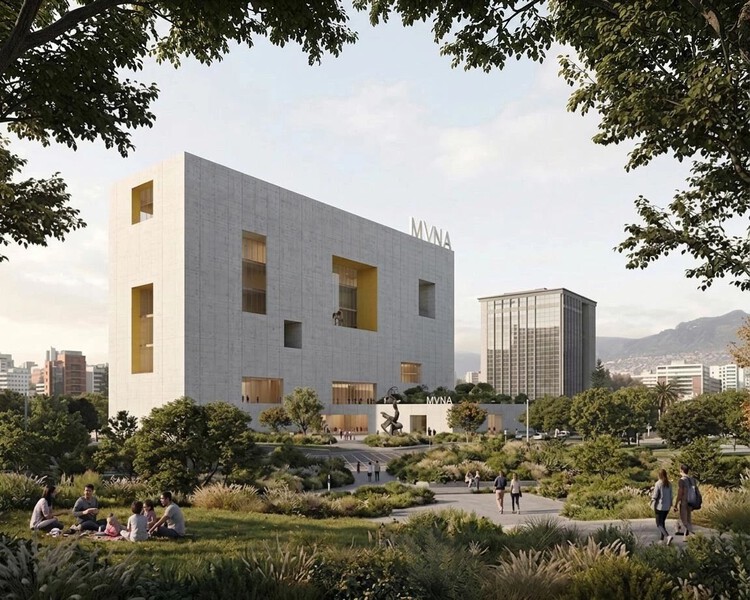
Architecture, beyond its functional and aesthetic qualities, can reflect and collect narratives, values, and hidden histories, giving a tangible and visual presence to communities often underrepresented in cityscapes. Buildings dedicated to African American history and culture become physical landmarks that anchor these stories within the daily life of cities. They serve as places of learning, reflection, and celebration, creating meaningful spaces that engage the public and foster a sense of communal identity.


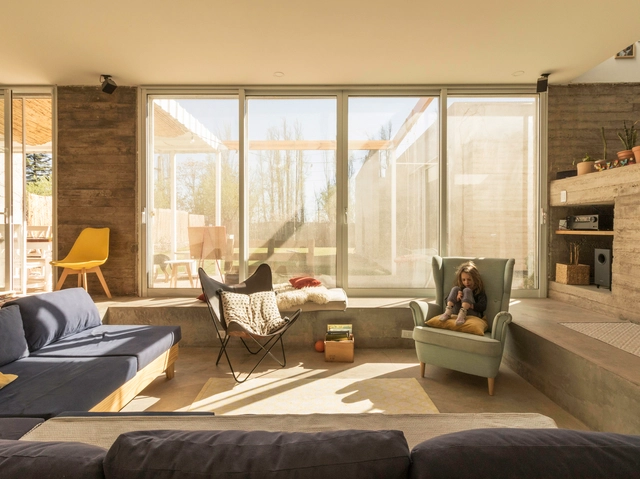
In architecture, split-level houses are typically in response to a plot's uneven or sloping topography. In the case of the houses featured here, their split level interiors are a matter of function, allowing spaces to be virtually separated by dividing them between raised and semi-subterranean floor layouts. For example, adjoining two spaces with a 50cm step up or drop off allows for separation without the use of walls or other physical barriers.

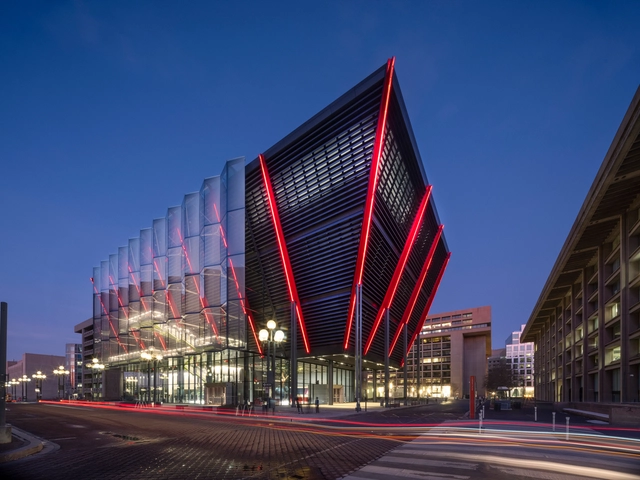
Washington D.C. has earned a reputation for iconic architecture. Emerging from the L'Enfant and McMillan Plans, Washington’s cityscape includes wide streets and low-rise buildings that sprawl out from circles and rectangular plazas. From the White House to Lincoln Memorial, Washington’s architecture was built to symbolize the nation’s values. Today, new projects are designed to rethink the city’s morphology while respecting its identity.


Cities around the world are facing new questions of urban flight. As the COVID-19 pandemic spread, it exacerbated a range of living conditions and housing crises, from telecommuting and construction to global economies. As Fast Company reports, almost 40% of those living in cities have considered moving out since the pandemic started. With the possibility of the pandemic stretching on for years, more urbanites are considering the move to rural areas and small towns.


Winner of the 1942 Acadamy Award for Best Special Effects, William Pereira (April 25, 1909 – November 13, 1985) also designed some of America's most iconic examples of futurist architecture, with his heavy stripped down functionalism becoming the symbol of many US institutions and cities. Working with his more prolific film-maker brother Hal Pereira, William Pereira's talent as an art director translated into a long and prestigious career creating striking and idiosyncratic buildings across the West Coast of America.


The following excerpt from Sam Lubell's Mid-Century Modern Architecture Travel Guide: East Coast USA—with excellent photos by Darren Bradley—provides an introduction to the revelatory and inspiring charm of the East Coast's Mid-Century Modern masterpieces. The book includes over 250 unique projects and serves as record of one of the USA’s most important architectural movements.
Few experiences are as wedged into our psyches as the Great American Road Trip—a rite of passage chronicled by luminaries from Alexis de Tocqueville to Jack Kerouac. The Great American Mid-Century Modern Architecture Road Trip? Not famous. But that’s one of the many reasons it’s so appealing. Discovery, in this global, digital age, when few corners are mysterious, has become a rare commodity. And discovery on the East Coast of America—in the context of one of the finest collections of Modern design in the world—is that much sweeter.

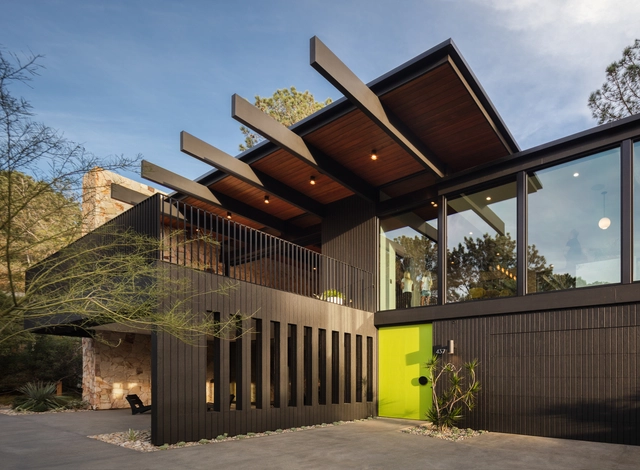
Guardrails and handrails are two elements that are often confused. While the first is used to close a space and prevent a person from falling, the second is a support bar for balance. Normally standard solutions are used for both elements, but with an attractive design, they can become standout details in a project.
For inspiration on materials, structures, and details of guardrails and handrails, here are 17 notable examples.

Faced with the challenge of designing homes on terrains with steep slopes - or in compact urban contexts that do not allow much variation in plan - several architects have experimented and proposed split-level homes to enhance the use of space, allowing, among other things, interesting visual perspectives.
These variations can be seen in numerous examples published on our site. Below, we have selected 50 examples that can help you in your next project.