The COVID-19 crisis has created unforeseen circumstances for people worldwide and is having a significant impact on the global economy. Within this crisis, the architecture and building materials industry are not exceptions. The cancelation of trade fairs and architecture events, for example, are driving manufacturers and building products suppliers away from their traditional physical opportunities to meet prospective clients. Many are now being faced with the question; in this complex scenario, how can you promote your products and materials while respecting social distancing and avoiding physical contact with architects and clients?
https://www.archdaily.com/939023/how-to-strengthen-your-online-presence-and-promote-your-architectural-products-during-lockdownPola Mora
While opting for still images seems to be the most utilized means of presenting a project, some architects choose to invite viewers into the architecture itself, allowing them to experience the building and its surroundings immersively. Since 2006, architecture filmography studio Spirit of Space has engaged viewers with over 200 short films of projects built by world-renowned architects such as Peter Zumthor, Steven Holl, Daniel Libeskind, and Jeanne Gang. The studio’s multidisciplinary team has combined visuals with customized soundtracks, elevating the journey and turning it into a multi-sensory experience.
The world crisis caused by the Coronavirus has called millions of people to quarantine and socially distance in order to stop the contagion curve. This has resulted in companies being confronted with the challenge of continuing to work remotely, with most of their teams working from home.
https://www.archdaily.com/936691/trends-report-how-architects-are-working-from-homePola Mora
As people are spending more and more time inside their homes, offices, and other closed areas, it is important to ensure that these spaces are safe and healthy environments, especially indoor areas designed for children and seniors. In recent years, several of the materials that shape the spaces we inhabit and directly influence the quality of the air we breathe have increasingly used a potentially dangerous chemical compound. This compound is called formaldehyde.
Our jury of experts—meaning you, our readers—have nominated their favorite projects from among nearly 1,000 built works in Latin America and Spain: today, the day has come to meet the finalists of ODA2020!
As we all #slowdown to reduce the impact of the COVID-19 pandemic, I want to share with you how we as a global company have faced this situation, and what we are doing (together with you!) to keep us, the architecture community, informed and connected. It is our responsibility.
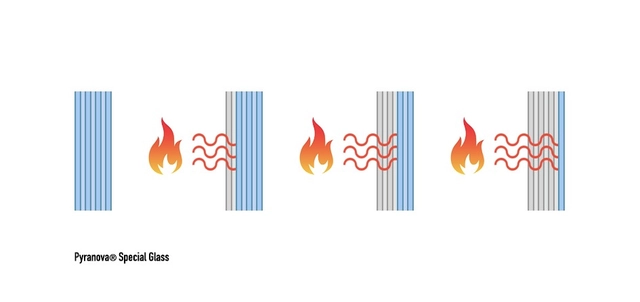
Insufficiently regulated in much of the world, the fire resistance of glass is an important issue that is often poorly resolved, endangering people's lives. What characteristics must a glass have to resist a fire? What options are there to choose from? We talked with the experts of Cristales Dialum to investigate these essential questions.
As part of the feminist demonstrations that took place last weekend in Mexico, a group of Mexican women architects organized to join the march held on Sunday, March 8, in various parts of the country. The march aimed to 'take back the city' to demand direct state action to reverse the wave of violence and historical bias against women in Mexico, where numbers have reached 10 femicides a day.
https://www.archdaily.com/1123477/building-equity-mexican-women-architects-demonstrate-for-a-world-without-violenceArchDaily Team
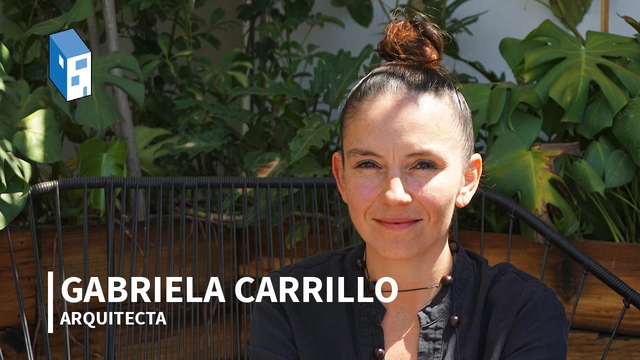
The professional career of Mexican architect Gabriela Carrillo reveals an impeccable and relentless commitment to recognizing the values of the territory in order to provide spaces that dignify their inhabitants. This approach has shaped her practice for 19 years, nine of which she spent as a partner at Taller de Arquitectura Mauricio Rocha + Gabriela Carrillo. Her work has been recognized with numerous awards, including the Gold Medal from the French Academy of Architecture.
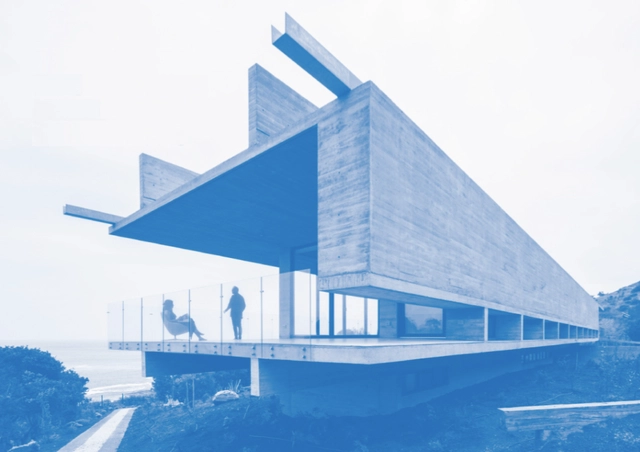
Currently, the volume of projects produced within universities in Mexico is immense, and we believe it is the perfect time to showcase some of their best work. Many undergraduate theses, also known as final graduation projects, address highly interesting and valuable topics for the country; unfortunately, the vast majority end up stored on library shelves or in a computer folder, missing the opportunity to drive real change in our cities and how we inhabit them.
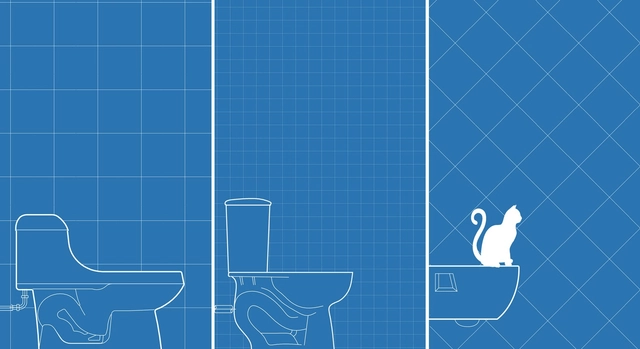
We may not give them the importance they deserve, but toilets are fundamental to our daily lives and our health. There are two "golden rules" that articulate their usefulness: they 'separate' us immediately from our waste, and they transport them for treatment, preventing them from contaminating the environment or making people sick.
In addition to being a good place to think about new ideas, browse Instagram, and answer emails, the toilet helps us stay healthy, an attribute we take for granted until we lose access to it.
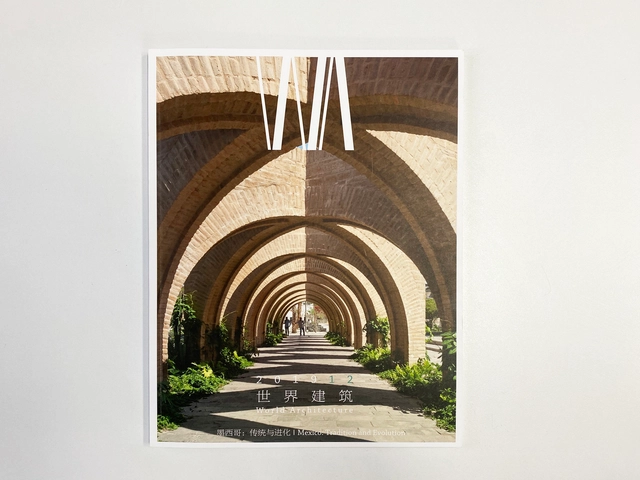
An exclusive issue dedicated to Mexican architecture is the theme of the latest edition of World Architecture (WA) magazine in China, curated by the ArchDaily team. Published by Tsinghua University since its founding in 1980, World Architecture magazine is one of the largest and most prestigious architectural publications in China.
During the presentation of the Obra del Año Awards held earlier this month at the Mirador Pablo Neruda, ArchDaily CEO David Basulto shared a series of data with the audience, providing a quantitative and qualitative overview of Chilean architecture in 2019:
“Based on the data we have collected over nearly 12 years, at ArchDaily we have managed to build a highly representative profile of how architecture is designed and built in Chile. I hope this information is useful for creating more and better cities, and for understanding how the digitization of architecture has influenced how we inhabit our cities.”
https://www.archdaily.com/1123440/archdaily-releases-the-state-of-chilean-architecture-reportPola Mora
On the occasion of the 8th VELUX Daylight Symposium held on October 9 and 10 of 2019 in Paris, we talked with David Briggs, CEO at The Velux Group, to learn about the present and future of the company. We wanted to know how they address innovation and new technologies – especially through the biennial event – to improve quality of life for people who incorporate Velux's products and services into their homes and other spaces in more than 46 countries around the world.
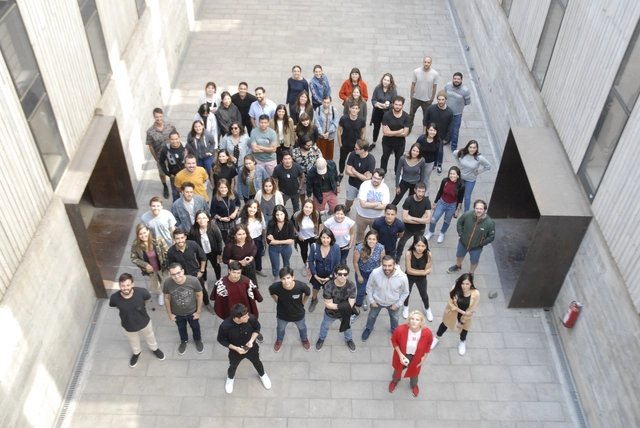
We’re hiring at ArchDaily! Every day, thousands of architects from around the world submit their latest projects and content related to architecture, urbanism, and construction.
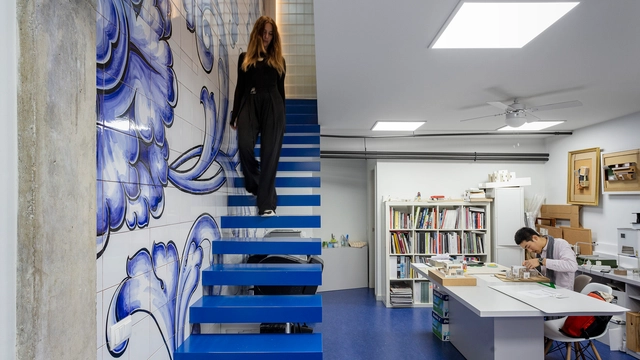
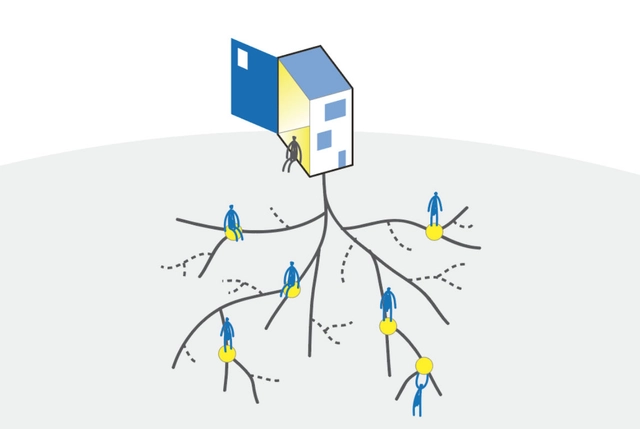
As part of the 2019 Chicago Architecture Biennial, the Graham Foundation hosted Tatiana Bilbao's exhibition, "Unraveling Modern Living," featuring an immersive installation that transforms a former domestic space to explore new forms of collectivity. Through this intervention, Bilbao reconfigures the existing architecture to create a garden, a space for knowledge, a space for dialogue, and a space for gathering, in collaboration with the Sweet Water Foundation, Colectivo 1050°, MAS Context, and Lurie Garden, among others.
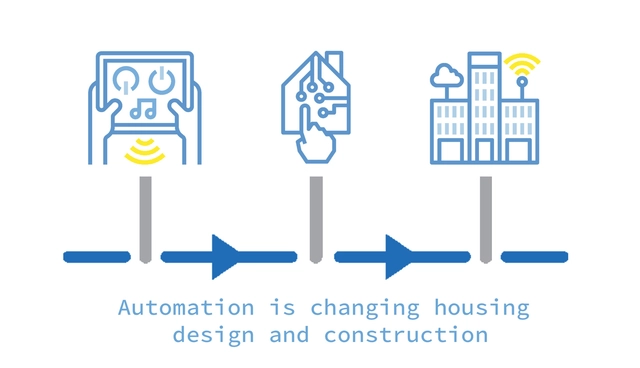
Throughout the past year, the concepts of Smart Homes (+160% YoY) and Domotics (+450% YoY) have been gaining traction as they define the automation and connectivity between devices found within homes, and which constitute the basic units of the growing Smart Cities concept.
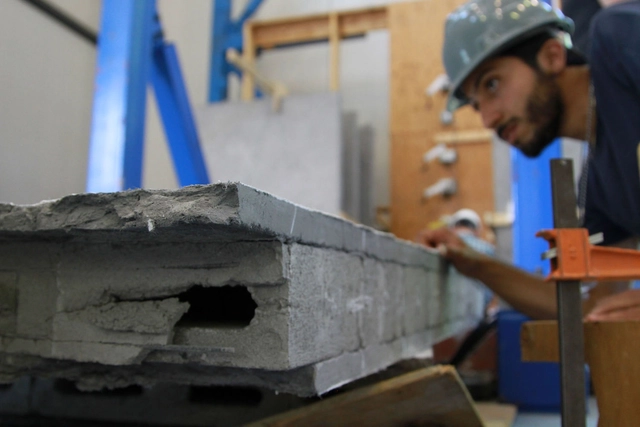
The history of concrete dates back to ancient Rome, approximately 2,000 years ago. The so-called “Roman Concrete” is composed of limestone, volcanic ash, and seawater and it permitted the construction of aqueducts, highways, and temples; many of them still stand to this day. Some time ago, this original mix was discovered to form a mineral called aluminum tobermorite, which gets stronger as time goes by.

.jpg?1584977960&format=webp&width=640&height=580)



_8575.jpg?1568928556&format=webp&width=640&height=580)
_8568.jpg?1568928579&format=webp&width=230&height=230&crop=true)
_8548.jpg?1568928532&format=webp&width=230&height=230&crop=true)
_8569.jpg?1568928567&format=webp&width=230&height=230&crop=true)
_8576.jpg?1568928544&format=webp&width=230&height=230&crop=true)
_8575.jpg?1568928556)