Andrea Ceriani

BROWSE ALL FROM THIS PHOTOGRAPHER HERE

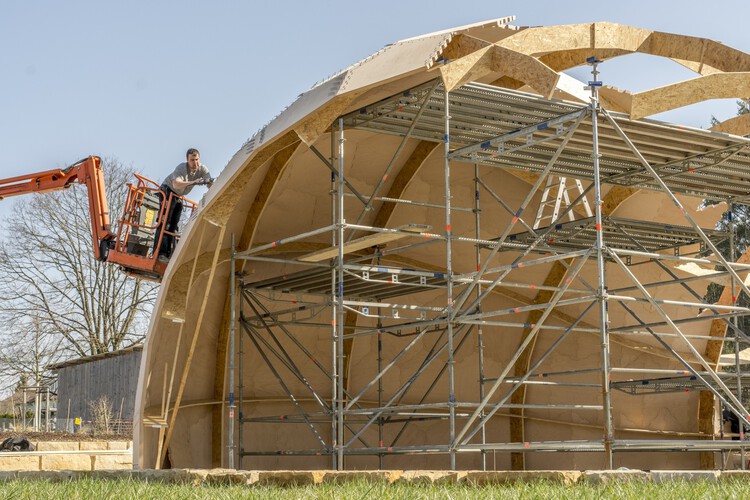
Workmanship and Imperfection: 10 Projects Between Hand and Machine

Audio available

In 1968, the furniture designer and RCA professor David Pye published The Nature and Art of Workmanship, a book built around a distinction between "workmanship of risk" and the "workmanship of certainty." Pye was not writing about architecture, and despite how the phrase gets used today, he was not really writing about hands versus machines either. He pointed out that a printing press, entirely mechanical, still depends on someone judging the ink and the register, while a woodturner working a lathe by hand can follow a template closely enough that almost nothing is left to chance.

Workmanship of risk, in Pye's definition, is any process where the outcome is not fixed in advance but depends on the judgment, dexterity, and attention the maker exercises while the work is still underway. Workmanship of certainty is the opposite condition, as the result is settled before production begins, locked into a jig, a mold, or a program, so that everything downstream is execution. Pye was careful to note that neither mode is inherently superior and that a numerically controlled machine, calibrated to leave room for drift, can sit closer to risk than a hand tool run to a fixed template.

Workmanship and Imperfection: 10 Projects Between Hand and Machine - More Images+ 6

Thick Walls and Deep Openings: When Architecture Rediscovers Mass

Audio available

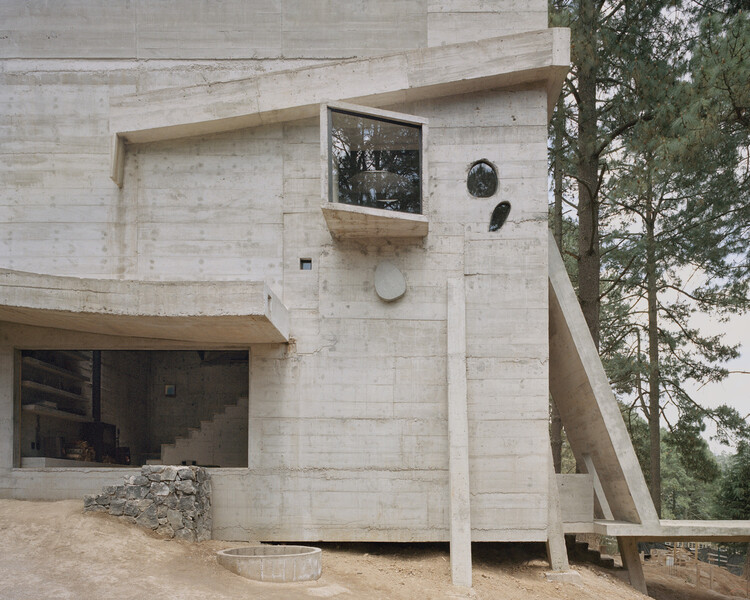
For much of the twentieth century, architectural culture was shaped by the pursuit of lightness. Steel structures and curtain walls reduced the building envelope to a thin layer separating interior from exterior, while façades became smooth, continuous surfaces where windows were cut as precise openings within an abstract plane. But for centuries, buildings were conceived as bodies of mass; walls possessed depth, windows were recessed within thick masonry, and space was often experienced as something carved from the solidity of construction. In recent years, several contemporary projects appear to revisit this older spatial logic, reintroducing thickness as an architectural condition through deep openings, monolithic volumes, and heavy envelopes.

This shift does not imply a rejection of modern construction technologies, nor does it represent a nostalgic return to historical forms. Instead, it reflects a renewed interest in the fundamental relationship between material, mass, and void. By reintroducing thickness into the architectural vocabulary, these buildings reconnect contemporary practice with long-standing traditions in which space was inseparable from the weight and depth of construction.

Thick Walls and Deep Openings: When Architecture Rediscovers Mass - Image 1 of 4Thick Walls and Deep Openings: When Architecture Rediscovers Mass - Image 2 of 4Thick Walls and Deep Openings: When Architecture Rediscovers Mass - Image 3 of 4Thick Walls and Deep Openings: When Architecture Rediscovers Mass - Image 4 of 4Thick Walls and Deep Openings: When Architecture Rediscovers Mass - More Images+ 19

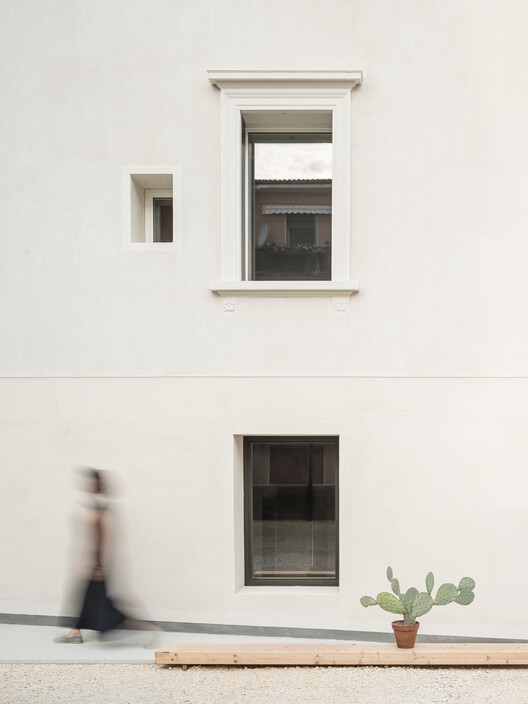
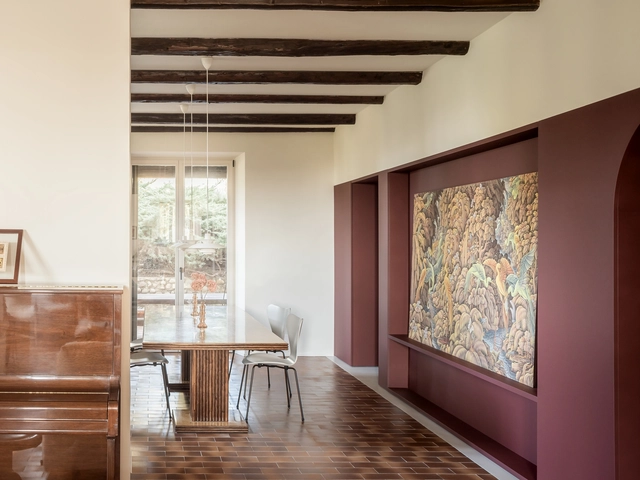
Palazzo Vittoria Building Renovation / CLAB Architettura

Palazzo Vittoria Building Renovation / CLAB Architettura - More Images+ 29

  • Architects: CLAB Architettura
  • Area Area of this architecture project Area:  345
  • Year Completion year of this architecture project Year:  2025

The Project as Argument: What is Architectural Thinking?

Architecture is shaped not only by buildings, but by the ideas that make them possible. Before the constraints of capital, regulation, and procurement, there is a moment when architecture is allowed to think aloud. The first confrontation with this fertile moment usually takes place in academia, in the thesis. It is not merely a requirement for graduation, but a space of speculative freedom where architecture formulates hypotheses, builds arguments, and tests positions.

For many, it is also the first opportunity to think beyond the structure of academic programs — a first chance to explore something more personal, unresolved, or even unreasonable. While often seen as an endpoint, the thesis is better understood as a beginning: the first engagement with architecture as a form of reasoning, where the project is not yet a response, but a question.

The Project as Argument: What is Architectural Thinking? - More Images+ 27

Understanding Eco Brutalism: The Paradox of Structure, Sustainability, and Style

Subscriber Access | 

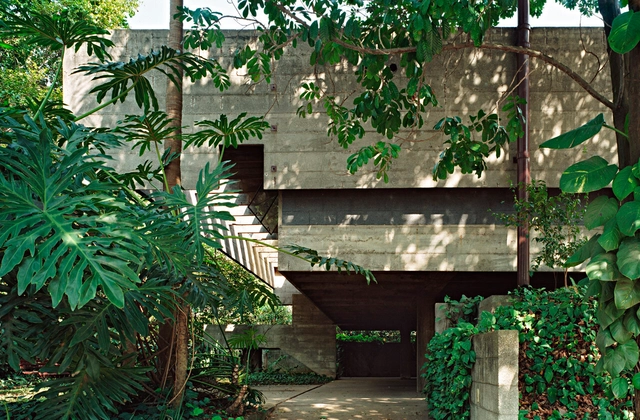
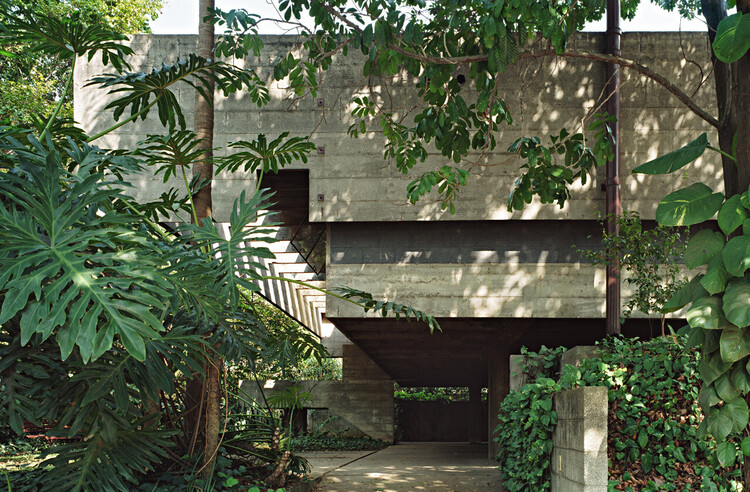
The built environment is expected to reduce carbon emissions, support biodiversity, and respond to changing ecological conditions, all while providing housing for communities and reflecting their cultural values. In this shifting landscape, a once-maligned architectural style emerges in a surprising new form. Brutalism, long associated with institutional gravitas and material austerity, is now being reframed through an ecological lens. This hybrid movement, known as eco-brutalism, combines the power of concrete with greenery and climate-sensitive design strategies. The result is a set of spaces that are visually arresting, conceptually complex, and increasingly popular among designers, urban planners, and the general public. This movement includes not only the direct lineage of 1960s Brutalism but also contemporary projects that, while not strictly Brutalist, share its material honesty, monumental scale, and use of expressive concrete forms.

Understanding Eco Brutalism:  The Paradox of Structure, Sustainability, and Style - More Images+ 39

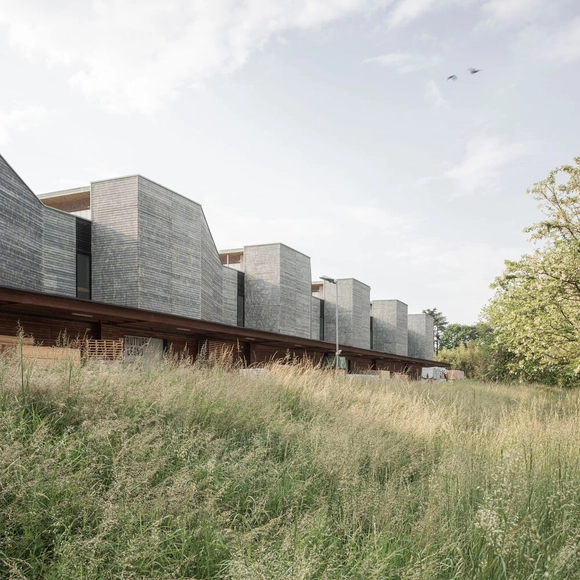
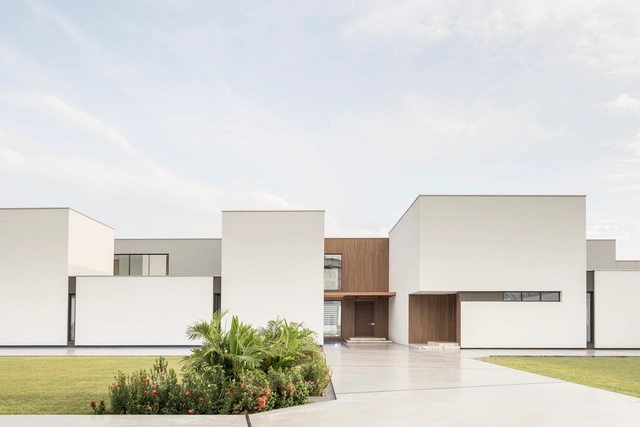
Villa Il Bel Canto / CLAB Architettura

Villa Il Bel Canto / CLAB Architettura - More Images+ 28

Cavaion Veronese, Italy

Dakar Architecture City Guide: 10 Modern and Contemporary Works that Reflect the City's Evolving Identity

Subscriber Access | 

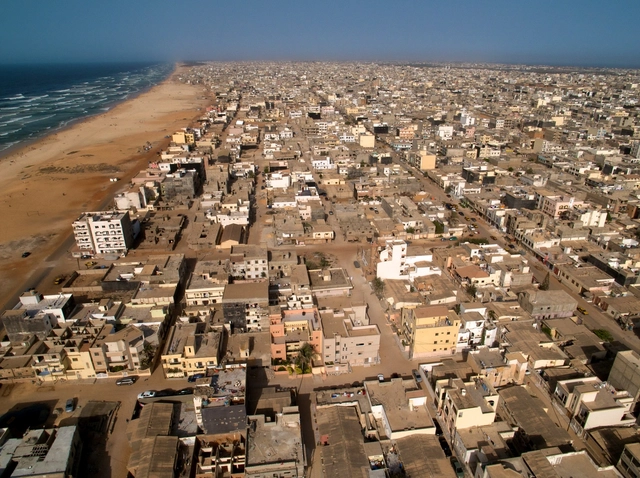
A city that defies expectations, this is what many visitors often express about the Senegalese capital, Dakar. As Africa's most western port city, which gained independence from the French in 1960, Dakar is a regional hub for diversity and culture. While it's often described as an unexpectedly sleek and "modern" city, with its characteristic and sometimes colorful monolithic buildings, Dakar is in fact in constant development and each of its districts tends to reflect a different style and focus, depending on its inhabitants and the dominating functions.

Dakar Architecture City Guide:  10 Modern and Contemporary Works that Reflect the City's Evolving Identity - More Images+ 12

N Building / LCA Architetti / luca compri architetti

N Building / LCA Architetti / luca compri architetti - More Images+ 13

Oggiona con Santo Stefano, Italy

The Seasons House / MOST Monti Studio

The Seasons House / MOST Monti Studio - More Images+ 21

  • Architects: MOST Monti Studio
  • Area Area of this architecture project Area:  7000
  • Year Completion year of this architecture project Year:  2022
  • Manufacturers Brands with products used in this architecture project
    Manufacturers:  Lualdi, Oikos Venezia, Bentley Mills, Cattelan Italia, Ditre Italia, +6
  • Professionals: Hitech / SOHA

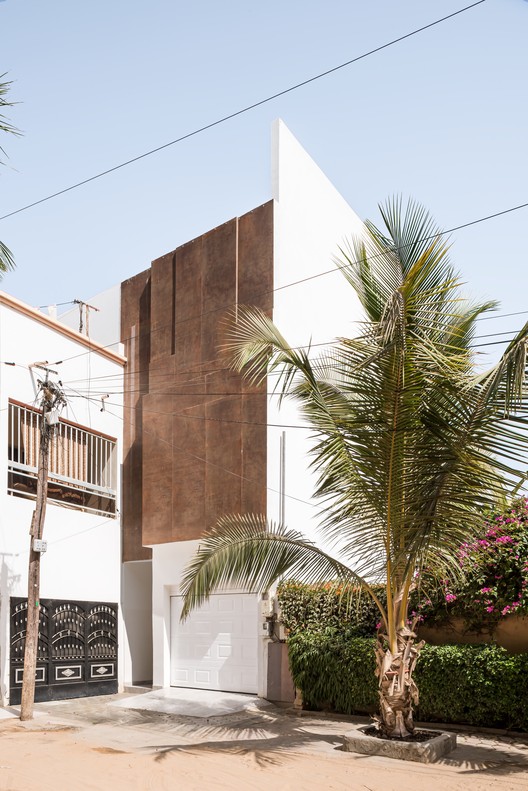
Oikos a - Villa Patio / MOST Monti Studio

Oikos a - Villa Patio / MOST Monti Studio - Exterior Photography, Houses, Facade
© Andrea Ceriani
Dakar, Senegal
  • Architects: MOST Monti Studio
  • Area Area of this architecture project Area:  680
  • Year Completion year of this architecture project Year:  2020
  • Manufacturers Brands with products used in this architecture project
    Manufacturers:  Grespania, XAM DESIGN

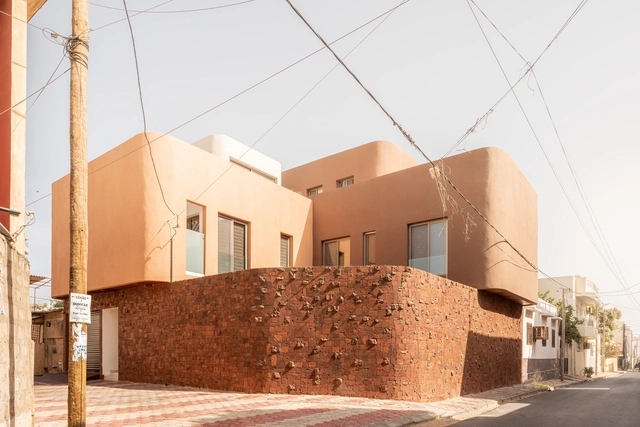
Villa Fann Hock / MOST Monti Studio

Villa Fann Hock / MOST Monti Studio - More Images+ 17

Dakar, Senegal

The Therme Vals / Peter Zumthor

The Therme Vals / Peter Zumthor - More Images+ 16

  • Architects: Peter Zumthor
  • Year Completion year of this architecture project Year:  1996
  • Manufacturers Brands with products used in this architecture project
    Manufacturers:  Vitrocsa, Stonecon, Truffer Natural Stones