Guangzhou Yunxi Botanical Garden / AECOM + Architectural Design & Research Institute of SCUT + Guangzhou Landscape Architectural Design & Research Institute . Image Courtesy of AECOM
Mercado Urbano Tobalaba / Territoria. Image Cortesía de MUT
The Urban Land Institute (ULI), a nonprofit research and education organization dedicated to real estate and land use, announced on June 24 the ten winning projects of its 2025 ULI Americas Awards for Excellence. The awards recognize excellence in the architecture and design of urban projects, with a particular focus on their comprehensive execution, from planning to operation, including their social, environmental, and economic impact.
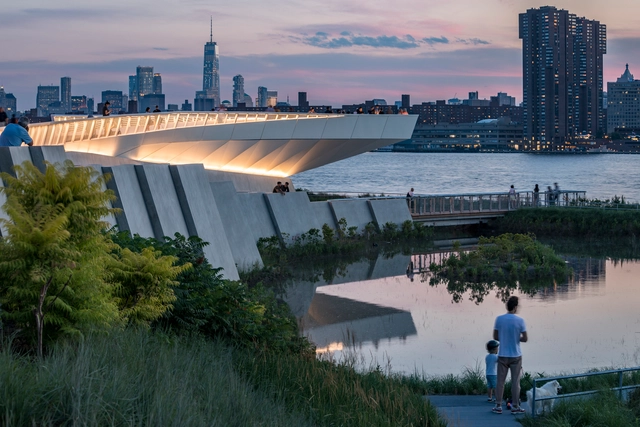
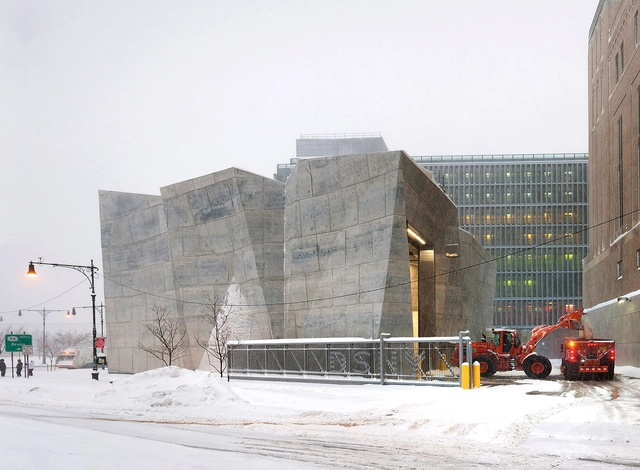
Design practice WEISS/MANFREDI has won the 2020 Thomas Jefferson Foundation Medal in Architecture. Presented by the University of Virginia and the Thomas Jefferson Foundation at Monticello, the award is one of four honors recognizing achievements in architecture, citizen leaderships, global innovation, and law. The Thomas Jefferson Foundation Medals recognize the exemplary contributions of recipients to the endeavors in which Jefferson excelled and held in high regard.
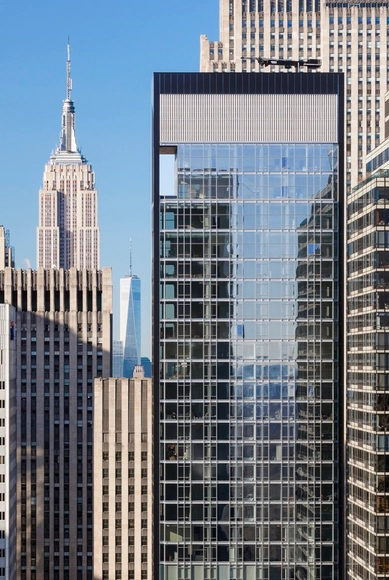
One of the most important cities in the world –and the most populated in the United States of America–, New York is home to a great mix of cultures and history that has been shaped over the years, while art and architecture play a fundamental role in this development.
Once the construction of an architecture project is finished, it's time to install the claddings that will make up the visible faces of the interior spaces. Wallpaper –an efficient way to bring color and design into rooms – is generally specified according to the square meters we want to cover, so we must start by calculating the area of each surface with great precision.
This task can be easy on clear walls with standard dimensions, but it can generate mishaps or unnecessary expenses in more complex designs. We present some tips to make an estimate as accurate and efficient as possible.
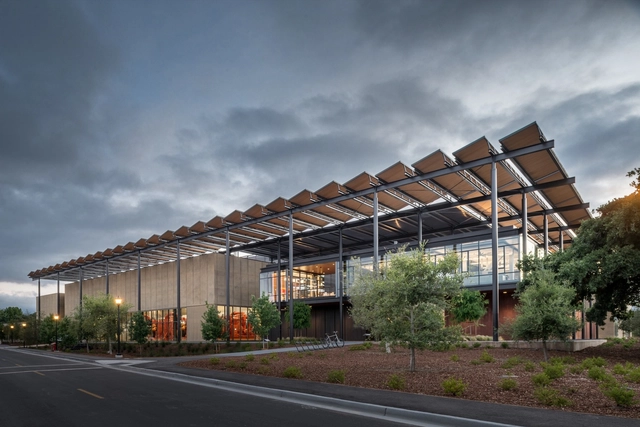
Now in its 21st year, the COTE Top Ten Awards program was established to honor projects that protect and enhance the environment through an integrated approach to architecture, natural systems, and technology.
2013 was a year of stories that were intriguing, exciting, disappointing and - sometimes - downright hilarious.As is traditional at this time of year, many critics are rounding up their highlights of the past 12 months.Perhaps the most entertaining of the roundups is Olly Wainwright's of the Guardian; Wainwright took 10 big stories from this year and twisted them into new year's resolutions - offering up helpful advice such as "don't be afraid of copying", "be nice to skateboarders", and the Walkie-Scorchie inspired "don't melt things". Other critics, though, had more sensible suggestions for what went right and wrong in 2013 - read on after the break to find out more.
To celebrate excellence in architecture and urban design in New York City, the Municipal Art Society has announced the winners of this year’s MASterworks Awards. Starting with “Best New Building,” Steven Holl was awarded for his Campbell Sports Center in Manhattan. See who else was honored, after the break.











.jpg?1585197773&format=webp&width=230&height=230&crop=true)
_Frank_Oudeman_19.jpg?1585198175&format=webp&width=230&height=230&crop=true)


.jpg?1565290135&format=webp&width=230&height=230&crop=true)


.jpg?1538547520&format=webp&width=640&height=580)
.jpg?1538547880&format=webp&width=230&height=230&crop=true)


.jpg?1538547762&format=webp&width=230&height=230&crop=true)
.jpg?1538547520)