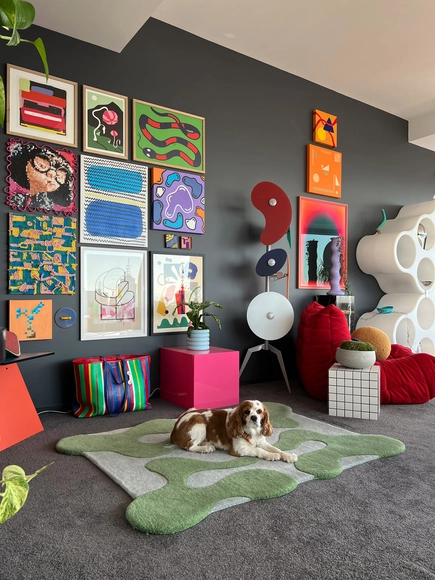
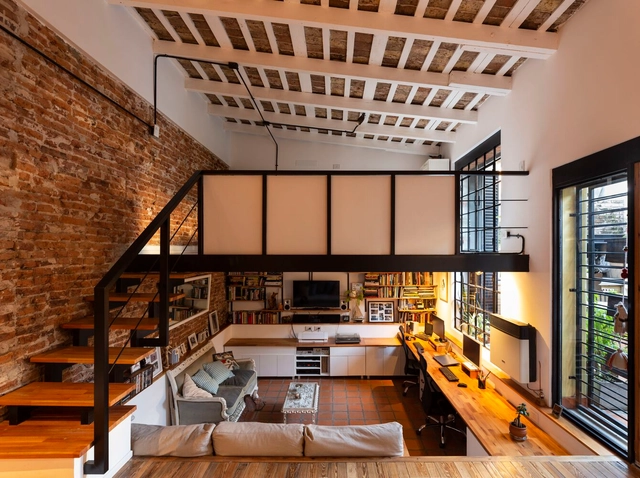
Josh and Matt's apartment embodies their "curated maximalism" style. Image Courtesy of Josh and Matt Design
With the onset of the 2020s, Gen Z is noticeably claiming their place in the world with bold perspectives and even bolder aesthetics. Gen Z proudly experiments with their identities, having grown up on an opinionated internet and through confusing lockdowns. They're bringing in a culture shift with organic shapes, colorful elements, and clashing patterns dominating art, media, fashion, and interior design. The trend is pushing away once-reigning minimalism, shouting Venturi's Less is a Bore.
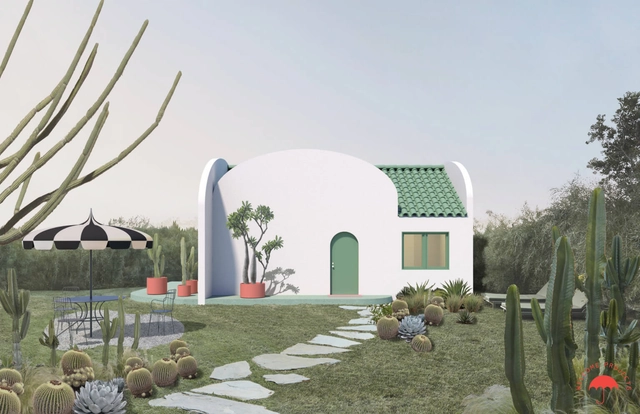
The Breadbox ADU . Image Courtesy of Los Angeles Department of Building and Safety and WELCOME PROJECTS
In a time where housing prices are unattainable and residents are looking to downsize their homes more than ever, enter the concept of Accessory Dwelling Units (ADUs). These small and highly customizable homes are taking backyards across the United States by storm, enabling homeowners to build homes on their land, and rent them out to tenants.
Flexibility within a space emerges as an architectural concept that follows society’s transformations. As the American architect Frank Lloyd Wright said, “Architecture is life, or at least as it was lived in the world yesterday, as it is lived today or ever will be lived.” In that sense, changing a kitchen’s layout goes further than its aesthetic adjustments; it reflects the way people are living. Opening the traditional closed kitchen creates a more flexible space in which different activities share a visual connection without structural barriers.
The withdrawal of kitchen walls allows for increased interaction within areas and gives way to fluidity throughout the space. The design of an open kitchen involves using specific types of products - each with their own material, style and use - that adapt to a home’s dimensions and needs. In this article, we provide a selection of products which can be found in Architonic’s ‘Kitchen’ category.
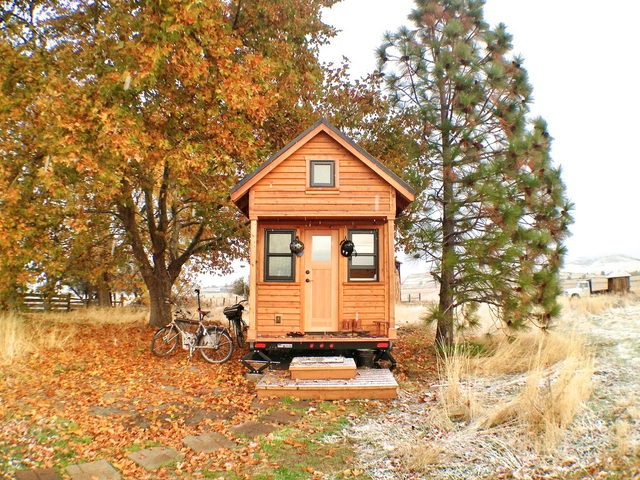
The tiny home trend has been hard to ignore over the last several years. There's an increasingly saturated market of TV shows and Pinterest pictures dedicated to the topic of exploring micro-dwellings where your home is reduced to the size of a walk-in closet and each room takes on a triple-duty programmatic role has only increased its popularity. What looks enticing on reality TV is often much less desirable in real life, and as people continue to long for a lifestyle that frees them of material goods and the ability to travel, what does this mean for the actuality of tiny home construction? Is it just a wanderlust fantasy that no one actually lives and was there ever any promise to its realization in the mainstream world?