

-
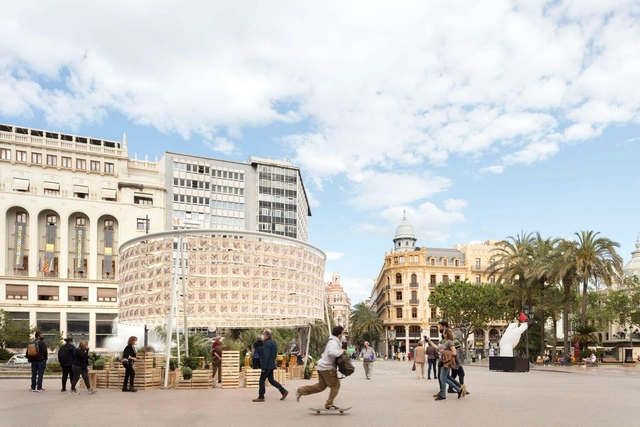
Architects: El fabricante de espheras
- Year: 2021


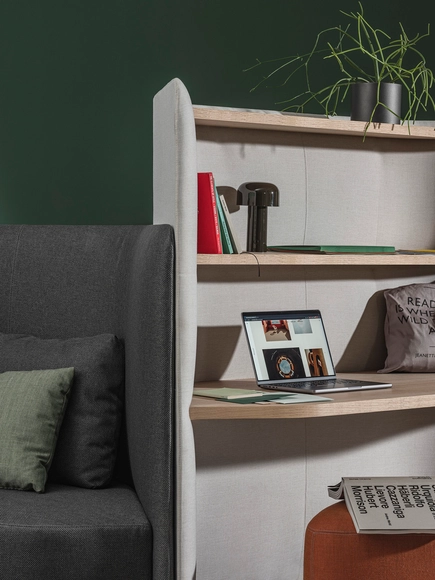
Interior architects and designers have often claimed that a well-designed office space will translate into greater productivity, creativity and worker satisfaction –yet the impact is greater than most tend to imagine. Recent studies suggest that good design positively impacts company culture, fosters a sense of community and creates a healthy, happy and motivating environment. In fact, it directly influences the recruitment and retention of talent: “workplace design significantly increases the attractiveness of employers to potential candidates.” Proper lighting, a flexible layout and biophilic features are all important factors to consider during the planning stage. But to fully address user comfort and well-being, these must be combined with excellent furniture design. After all, integrating high-quality ergonomic pieces is a simple way to boost mood and enhance functionality and aesthetics when creating or redecorating the workspace.

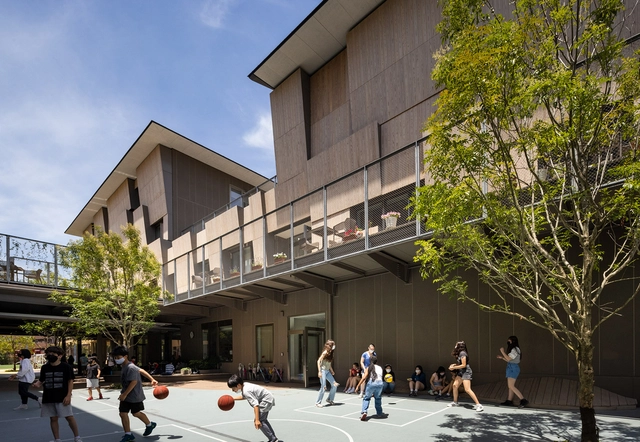
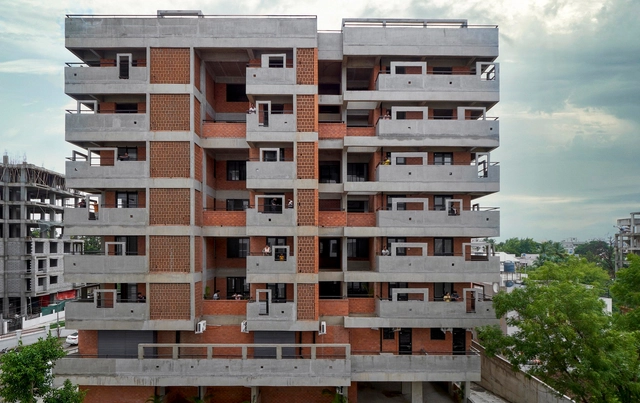
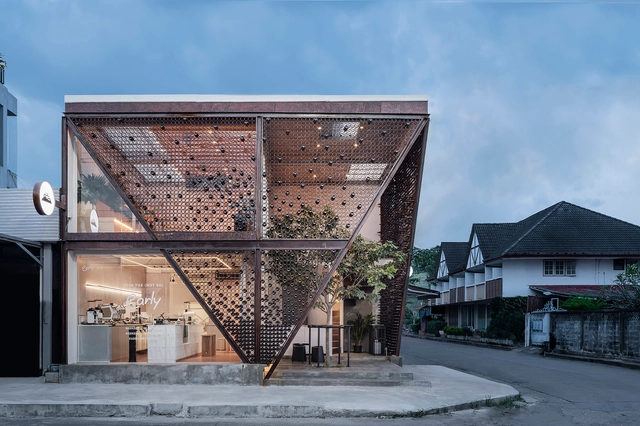
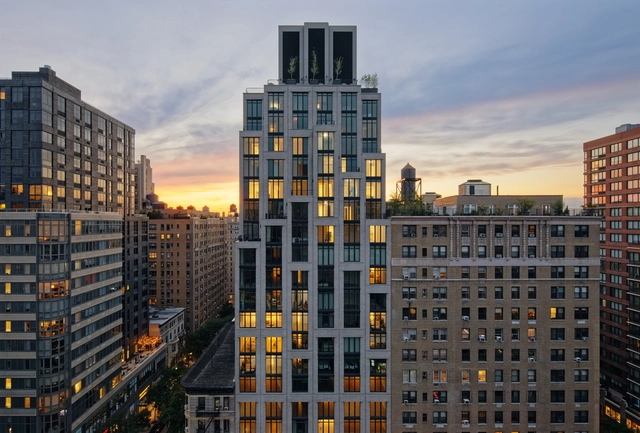



Envision your ideal neighborhood. Maybe it’s on a cul-de-sac in the suburbs, where every neighbor has a well-manicured lawn, a two-car garage, and everyone gives each other a friendly wave on their way to work. Or maybe you live in a high-rise building in a dense urban center, where you take public transit to the office five days a week and say hello to your doorman on your way out. Whatever your neighborhood might look like, there’s always a sense of wanting to know the people who live around your- or at least an unspoken reliance on one another to ensure that your surroundings are safe. What happens when technology brings you and your neighbors together to report on local happenings? Is it a good thing, or does it create a vigilante situation gone awry?
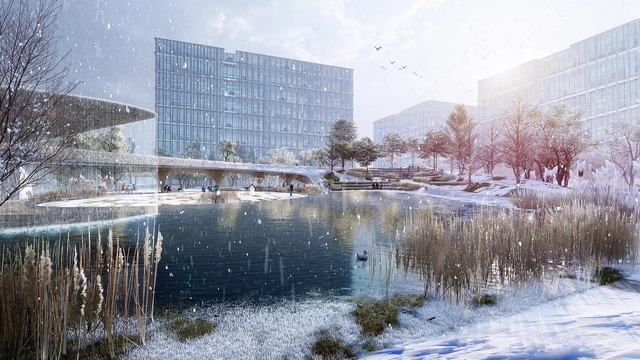
ASPECT Studios won the international design competition for Alibaba’s Headquarters (Park C) Campus Project in Hangzhou, in the Zhejiang province. Based on the “BioHabiNet” concept, ASPECT's proposal focuses on an interconnected network of layered biodiversity, sustainable water systems, and community-orientated workplaces. The Xixi Campus will host over 30,000 Alibaba staff and aims to become a precedent for further corporate parks in support of China’s carbon-neutral target for 2060.



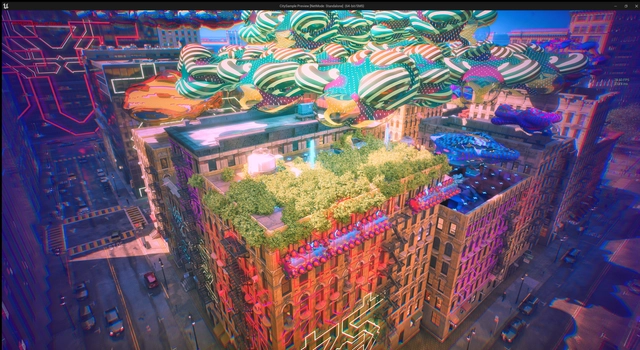
Today, architects and designers are increasingly aware of the responsibility they have in leading the construction of the virtual environment. But how is it designed? How is it built? What is the degree of experimentation that exists?
'Discovery: a story about rooftops, airships, robots, and inflatables' is a recently opened exhibition at the SCI-Arc gallery that addresses just this theme. Designed by Damjan Jovanovic and Lidija Kljakovic, founders of lifeforms.io - a video game creation studio based in Los Angeles, California - it presents an exploration of the creation of worlds, artificial intelligence, and ecology.
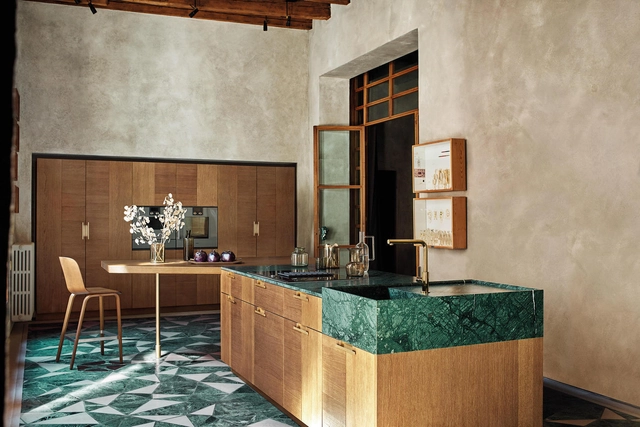
Whether you blame Covid lockdowns, recipe box subscriptions, or the latest high-tech kitchen appliances, everyone’s spending more time in the kitchen. Meanwhile, popular open-plan spaces remove the option of simply shutting the door on the catastrophic mess of a big meal, before settling in for a relaxing evening.
The modern kitchen worktop, then, has to work harder than ever before. Impenetrable when standing up to increased use, yet simple and quick to clean, returning to its sleek and stylish position as a backdrop to the perfect interior with ease. Here are ten of the most common kitchen worktop materials in a crowded market.

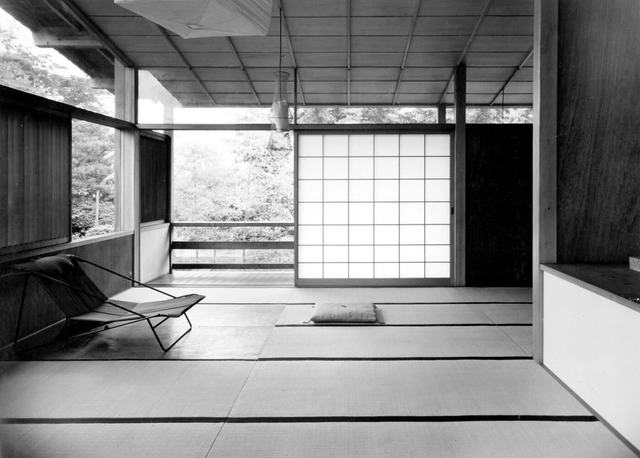
In the following interview with Paul Tange, the chairman and senior principal architect at Tange Associates in Tokyo, we discussed the relationship with his famous architect-father Kenzo Tange (1913-2005; the most influential architect in postwar Japan and the winner of the 1987 Pritzker Prize), the fate of the house Tange senior built for his first family, the decision of joining his father’s practice right after graduation from Harvard, sharing his father’s design principles, and the vision behind his first independent built work – a 50-story Mode Gakuen Cocoon Tower in Tokyo, a vertical campus that can accommodate up to 10,000 students; the project won an international competition, in which 50 international architects participated.