-
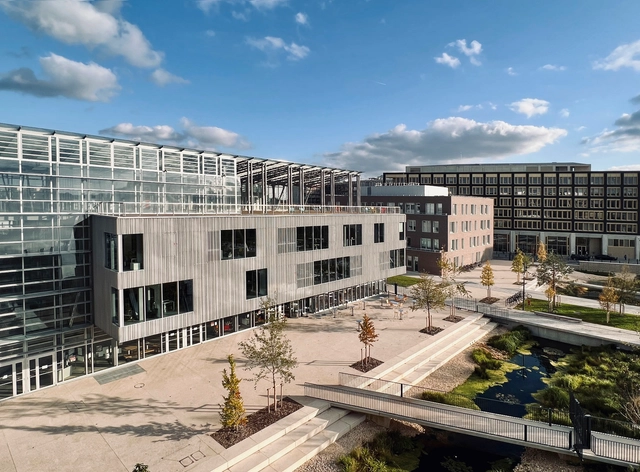
Architects: baubüro in situ
- Area: 900 m²
- Year: 2019
-
Manufacturers: Forbo Flooring Systems, Arcelor Mittal, Argolite, Eternit, Scobalit


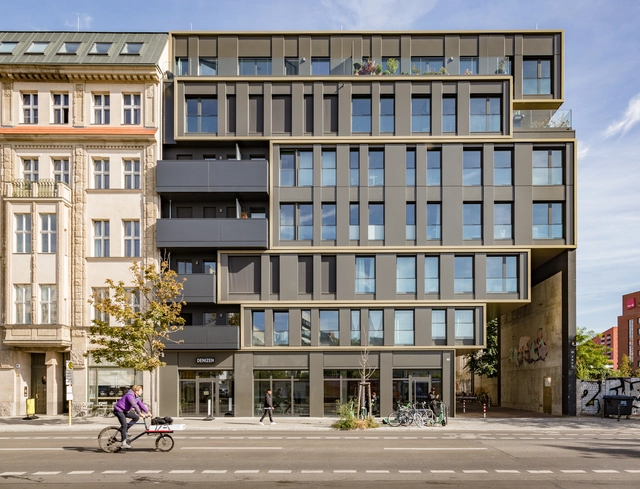
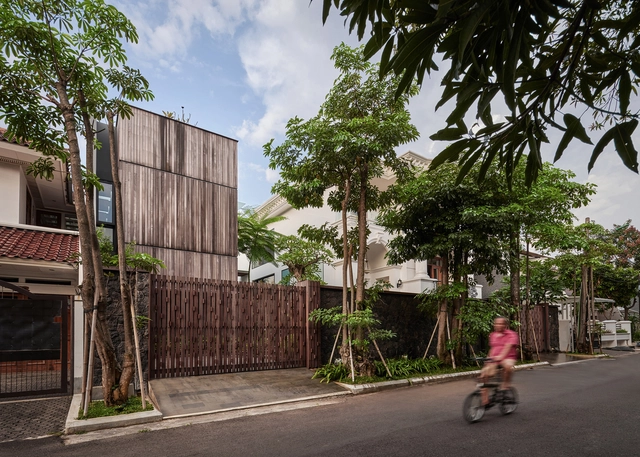
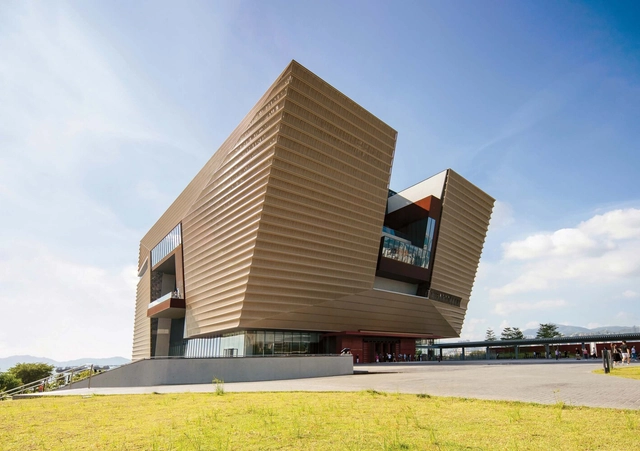

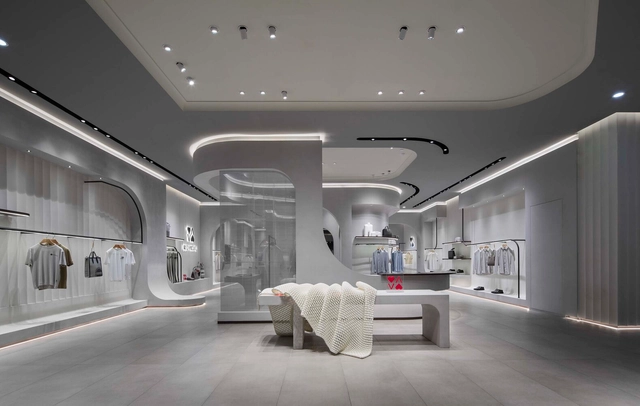

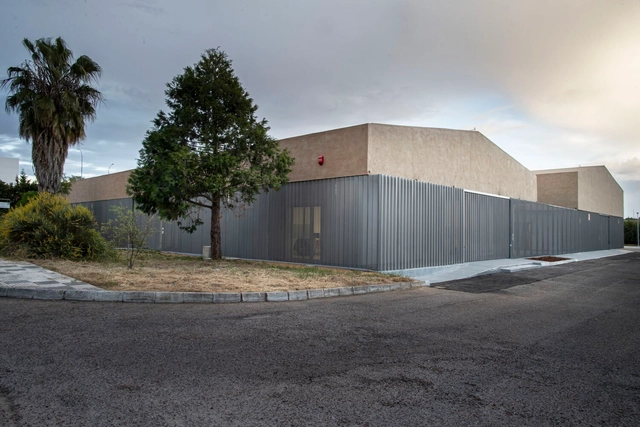

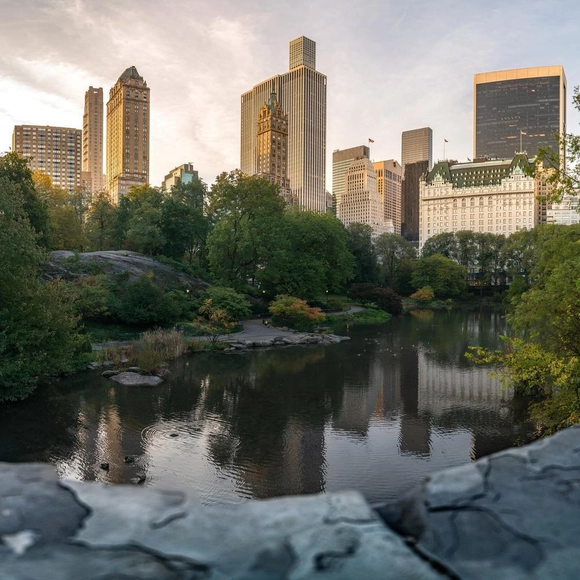
Climate change has been one of the most pressing topics of this year, and for a good reason. Its effects are visible not only in natural habitats but also in urban environments. The construction industry has an important role to play in this dynamic. Throughout the year, events such as COP27 emphasized the importance of striving to achieve net carbon zero and the challenges faced by developing countries affected by increasingly devastating natural disasters. Possible directions for development include actions at varying stages and scales, from optimizing green spaces for urban heat control to employing local and innovative building materials to minimize the carbon footprint or passing laws that help create more sustainable urban and natural environments.
This article represents a roundup of articles published on ArchDaily during the course of 2022 with themes related to climate change and architecture’s potential to make a difference. It breaks down the topic into four main questions: What Are Cities Doing to Mitigate Urban Heat? How to Tackle Rising Sea Levels? What Was COP27 and Why Does It Matter? Can Building Materials Play a Role in Achieving These Goals? The last section presents an overview of new legislation approved during 2022 as a way of understanding how state and local governments are imposing this need for change.
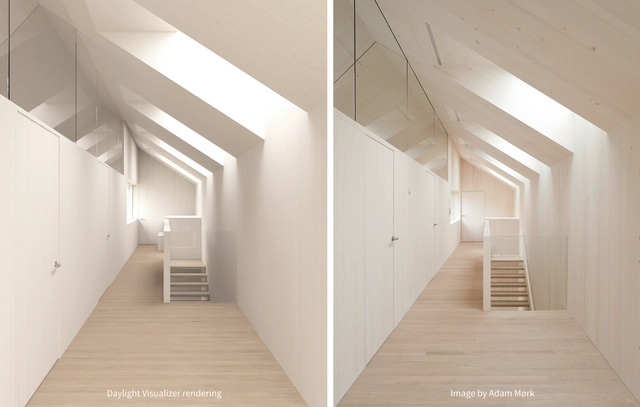
Daylight is core to realizing healthy and sustainable buildings, but its dynamic nature and the complex ways in which it interacts with its environment make it a difficult discipline to master. The new version of VELUX Daylight Visualizer makes climate-based daylight modeling more accessible than ever, empowering architects to make the best use of daylight anywhere in the world.
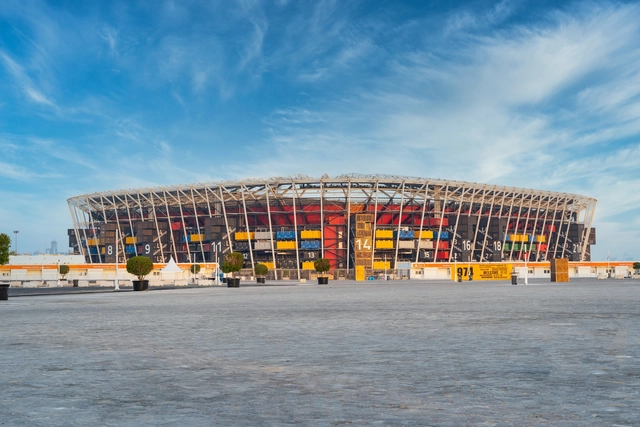
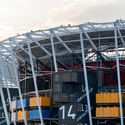
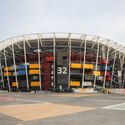
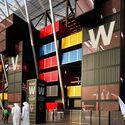
Reports show that authorities have begun dismantling Stadium 974 after it hosted seven matches during FIFA World Cup, with six group games and one Round of 16 knockout matches. It was also the only stadium built for the World Cup without air conditioning, so it only hosted evening matches. According to the BBC, construction workers moved on the site on 9 December to “take the stadium out of tournament mode.” The structure was designed to be the first FIFA-compliant stadium that can be fully dismantled and re-purposed after the tournament ends. While Qatar called this a “beacon of sustainability,” experts warn that the real sustainability of the scheme depends on several factors, including when and where the stadium will be reused.
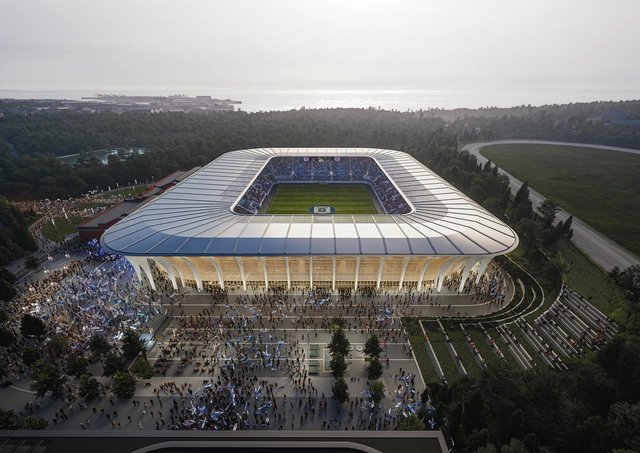
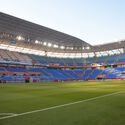
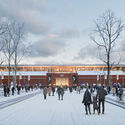
In collaboration with architecture and engineering consultancy Sweco and landscape architects Tredje Natur, Zaha Hadid Architects was selected to deliver the new Aarhus football stadium in Denmark. Dubbed the "Arena of the Forest," the stadium will be embedded within the city's Marselisborg forest, offering public and ticketed spaces all year round while revealing glimpses of the surrounding landscape. Scheduled for opening in 2026, the complex will cover 69,912 square meters, including the Aarhus arena and the renovation of the adjacent 'Stadionhallerne' building completed in 1918 by architect Axel Høgh-Hansen.

Throughout 2022 we brought different ideas for homes, from methods that do not require previous experience and with accessible materials to more elaborate projects that demand a complete renovation of the space. Many people want to bring a new atmosphere into their own homes at the end of the year. That is why we have put together some tips with the simplest executions and others that help you create the necessary transformation for your home.
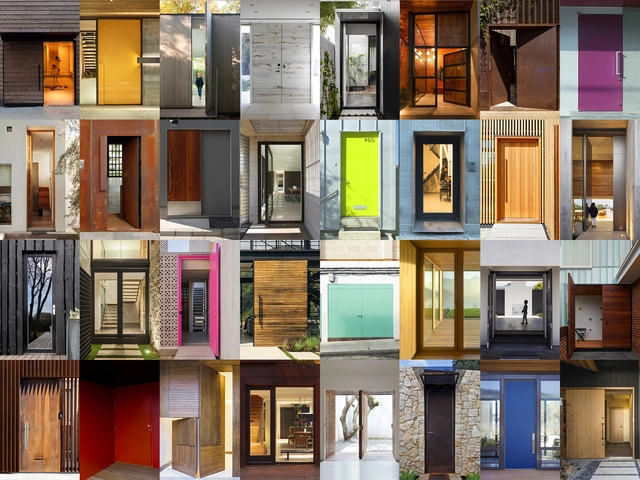
As much as walls, ceilings, and furniture pieces define the character and perception of an architectural project, doors play a critical role in building that style. Among all the doors used in houses, the front door is the first tangible element that homeowners and visitors will encounter, acting as the pivotal point where architecture greets the user. After all, first impressions are always important; and the entrance door is certainly one that can set the tone for the rest of the interior. However, choosing the right front door for a contemporary house can be difficult, especially with so many design possibilities. Therefore, before making that decision, it is crucial to know what those possibilities are – and how these can transform the front door into a design statement.

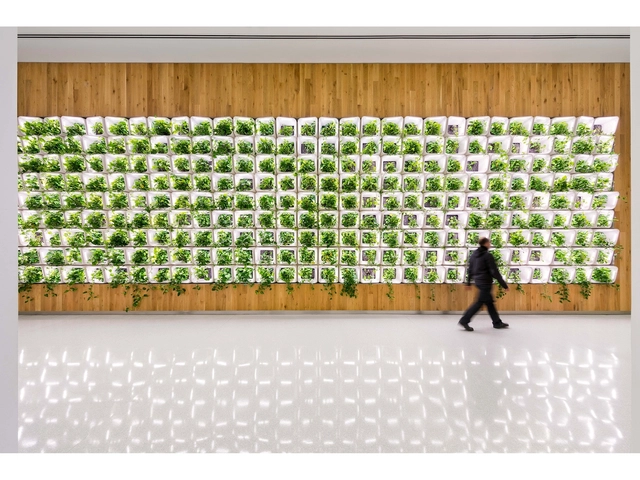
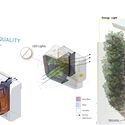
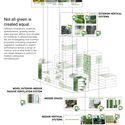
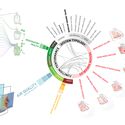
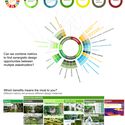
In 2013 ArchDaily published the article “Can We Please Stop Drawing Trees on Top of Skyscrapers,” - its author was frustrated by rampant greenwashing. If you wanted it to look sustainable, you’d just have to put a tree on it. Plants have always been an effective marketing tactic to appeal to the environmentally conscious, but as soon as they are photoshopped in, they are often discarded at the first whiff of value engineering. Given the voluminous flurry of vigorous commentary and debate following that publication (2013, 2016, 2016) it is clear there is something that persists, perhaps a widely felt instinct that in truth, our urban “landscapes” are unsustainable, and often unlivable. Our cities not only take advantage of the ecosystem services of far-off forests and groundwater to support our carbon production, air pollution, and water wastage, exhausting arable land to feed our increasingly urban populations but simultaneously create urban areas devoid of life that increase our carbon footprints and negatively impact human health and well-being.