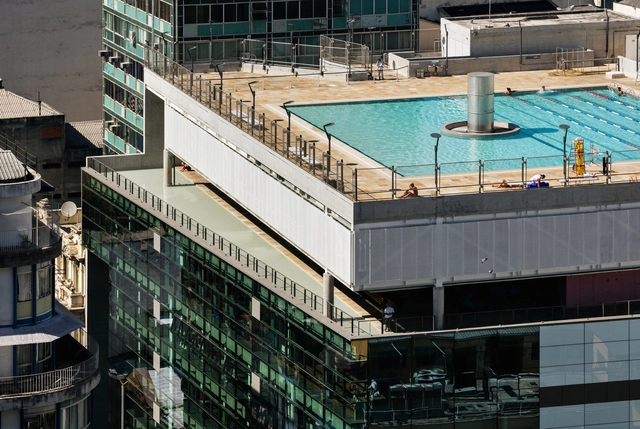
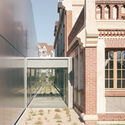
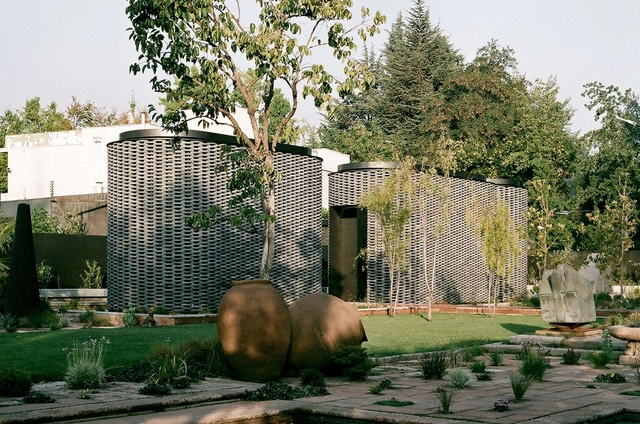
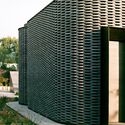
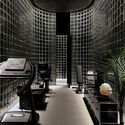
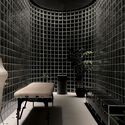
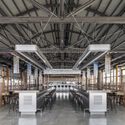
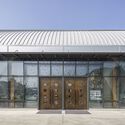
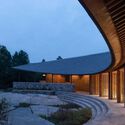
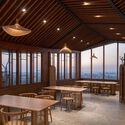
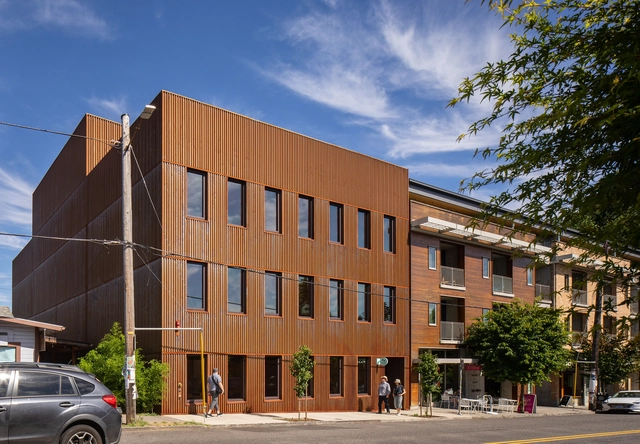
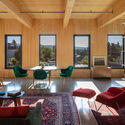
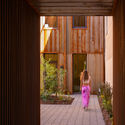
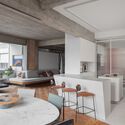
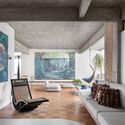
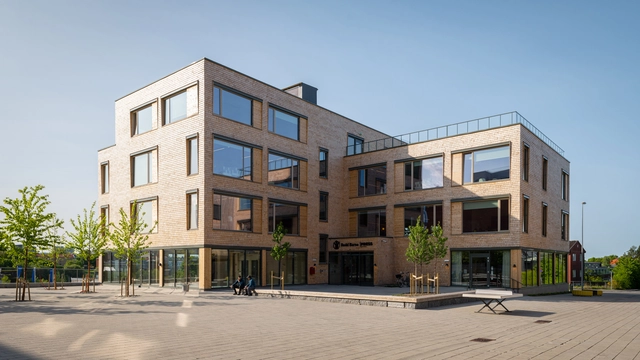
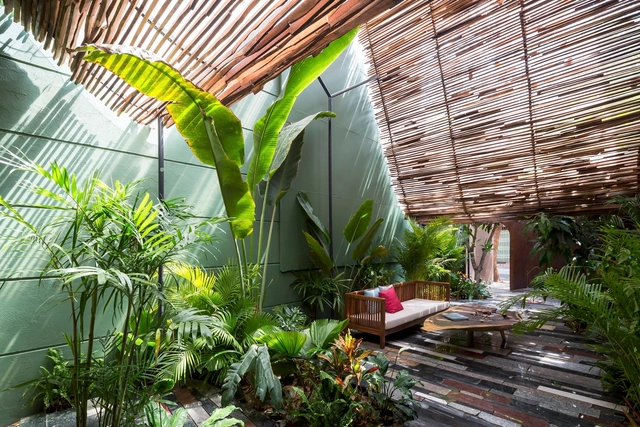
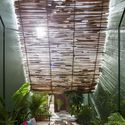
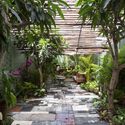
With a broad and diversified portfolio in terms of typologies, scales, and project locations, MMBB Arquitetos is a versatile office with multiple activities. Founded in 1991 in the city of São Paulo, the office is currently composed of Maria João Figueiredo, Marta Moreira, and Milton Braga, and over the more than three decades of its operation, it has had among its partners Angelo Bucci, Vinicius Gorgati, and Fernando de Mello Franco, in addition to having carried out several partnerships with Paulo Mendes da Rocha.
How did we end up building an environment where the private car is often treated better than many of our fellow human beings? In the U.S., the center of car culture, parking is expected to be convenient, available, and free, writes Henry Grabar in his engaging and entertaining new book, Paved Paradise: How Parking Explains the World (Penguin Press). Parking consumes vast amounts of land; in Los Angeles County, for example, it totals about 200 square miles. In New York City alone, there are 3 million curb parking spaces (not counting parking garages), which account for 6% of the city’s area—the equivalent of 13 Central Parks! Grabar asks: What better use could we make of this space? A 2021 study revealed that if New York reclaimed just a quarter of the street space allotted to cars, the following could be created: 500 miles of bus lanes; 40 miles of busways; 38 million square feet of community space; 1,000 miles of open streets; 3 million square feet of new pedestrian space; and 5.4 million additional square feet for restaurants, businesses, and cultural institutions.
https://www.archdaily.com/1002504/why-does-america-provide-more-space-for-storing-cars-than-housing-peopleMichael J. Crosbie
The world is increasingly electric, from our cars to our homes, making our lives more efficient and sustainable. Electricity overtook natural gas as the leading home heating source for the first time in 2020, and natural gas consumption hit a five-year low in January and a four-year low in February. This shift toward electrification is especially prevalent in the kitchen, a central hub of energy use. The U.S. Department of Energy estimates 15% of energy consumption in the average American home happens in the kitchen between cooking, refrigeration, hot water heating, and dishwashing.
Architects and homeowners looking to increase efficiency and sustainability are finding the benefits of induction. According to ENERGY STAR, gas cooktops are only 32% efficient at transferring heat, and traditional electric stovetops are 75-80% efficient — induction is even better at 85% efficiency.
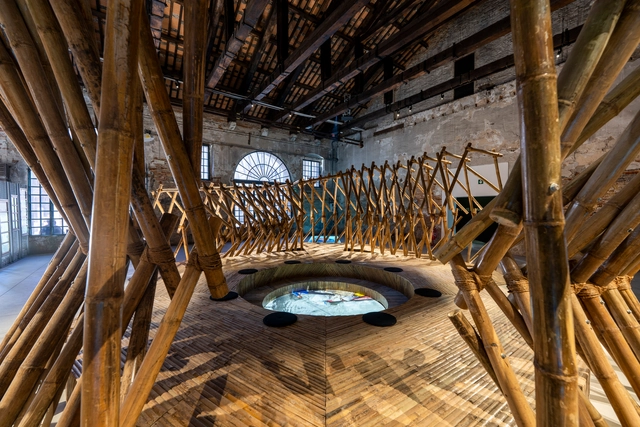
At the 18th International Architecture Exhibition of La Biennale di Venezia, The PhilippinesPavilion presents an exhibition that investigates the ecology and social implication of the Tripa de Gallina estuary in Manila. The body of water, once a mechanism for flood mitigation, has now become congested and polluted, affecting the lives of the nearby communities. The Pavilion aims to present the initiative that set out to gather and investigate the guts of the estuary and to work with the residents to find adequate and sustainable architectural solutions. Titled “Tripa de Gallina: Guts of Estuary,” the exhibition in Venice is co-curated by Architect Choie Funk and Sam Domingo and presents the work of the Architecture Collective, represented by Bien Alvarez, Matthew Gan, Ar. Lyle La Madrid, Noel Narciso and Arnold Rañada.
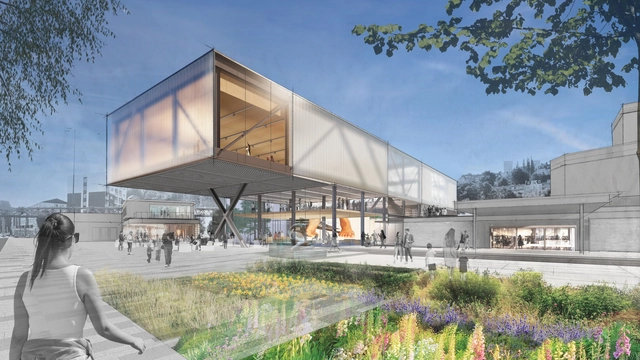
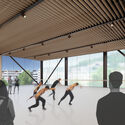
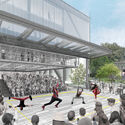
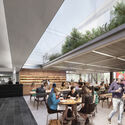
Pina Bausch Center in Wuppertal, Germany. Image Courtesy of Diller Scofidio + Renfro
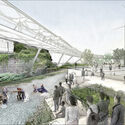
Diller Scofidio + Renfro has won an international competition to design the new Pina Bausch Zentrum in Wuppertal, Germany. Pina Bausch’s legacy as a dancer and choreographer will be celebrated in the design and revitalization of the Tanztheater Wuppertal, as well as in the creation of a new production center. The building will emerge out of the ethos of Pina Bausch, setting an example for a new generation of leadership in the world of choreography.
Apart from the production stage centers, the design includes an archive of Pina Bausch's enormous artistic legacy, comprising a library, study, and research areas, and a public platform to promote community involvement with many creative and academic disciplines. Various contrasting and flexible spaces that encourage and foster conversation across the project's numerous program components are found throughout the proposed design.
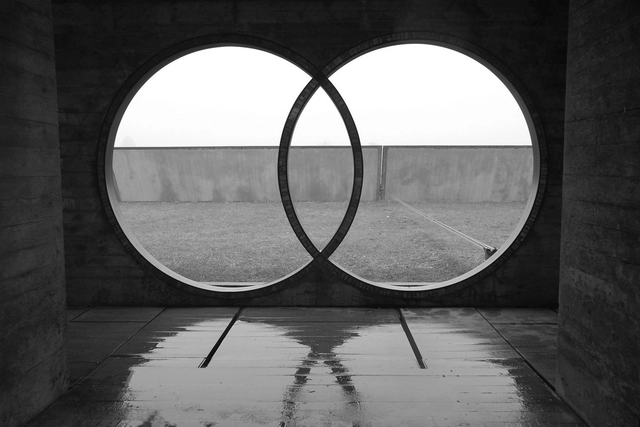
Even as a child, the Venetian architect Carlo Scarpa was very aware of the fundamental element that would describe and underpin his work many years later: water. When he played and ran around the maze of streets and canals, Scarpa listened to everything around him, especially the richness of stimuli that his hometown offered him. A sensitive reader of places, he found his great text in Venice. This culture, subtle and almost academic, except for that devotion to scenography and the esoteric, is built over time; art, space, history, all compiled in his readings, trips to knowledge, and in his contact with artists and writers.
Scarpa would base his evolution as an architect on his extraordinary visual culture and his respect for tradition and the way of doing things in past eras; taking up the baton of that time and converting his reality into architectural space where all the pieces are independent units, dialoguing with each other or, as he liked to say, singing. He positions himself before what exists, whether it be an artistic piece or architectural space, from knowledge and sensitivity. He will apprehend the history and place in which it occurs and accentuate the existing beauty in things, showing the prominence of the new as a precious element.