
-
Architects: Studio Circle Growth
- Area: 104 m²
- Year: 2023


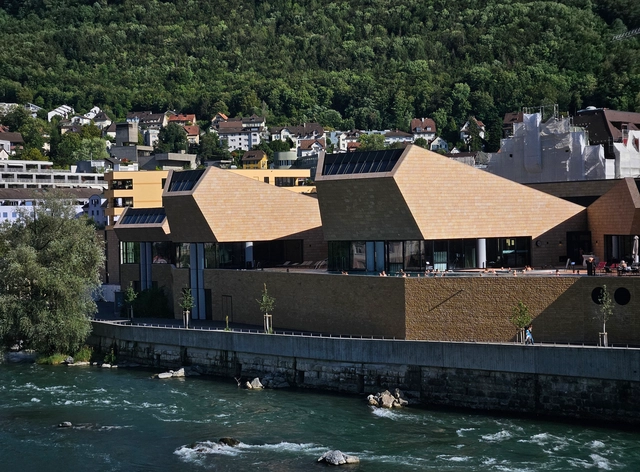
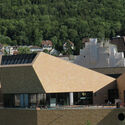
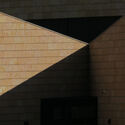
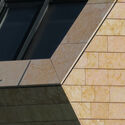
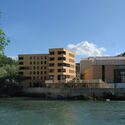
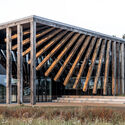
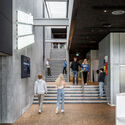
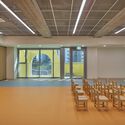
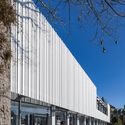
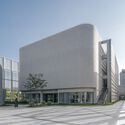
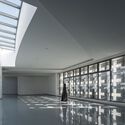
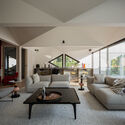
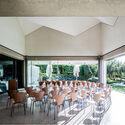
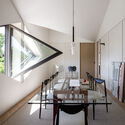
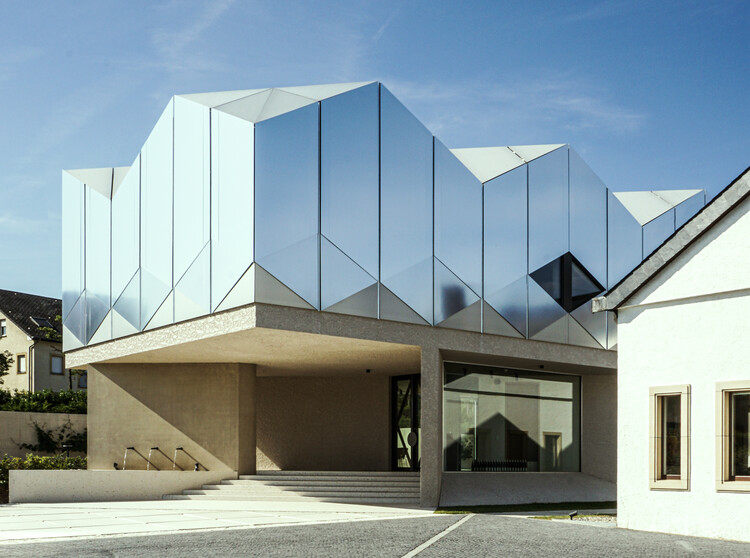
Fortyseven is a novel thermal wellness spa designed by the architect Mario Botta, nestled alongside the Limmat River in Baden, Switzerland. Baden, renowned for its rich cultural and wellness offerings, boasts a spa heritage that extends over thousands of years. The Fortyseven Thermal Wellness Spa has revitalized this historical legacy by presenting wellness culture through a modern lens. Designed by Mario Botta, this project offers an immersive encounter for the body, mind, and soul. The essence of the site and its design is captured by the lens of architectural photographer Paul Clemence, in his latest series.
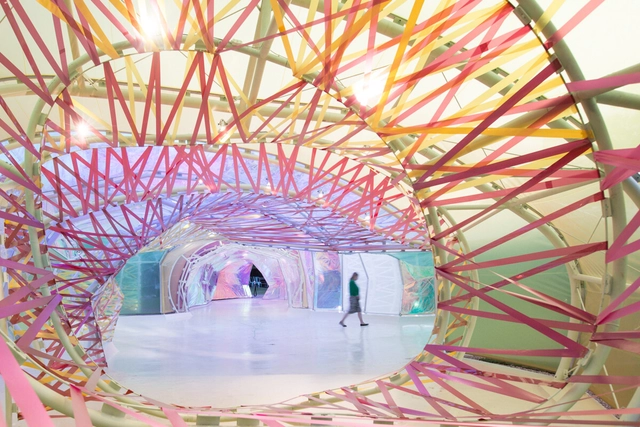
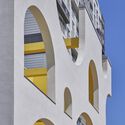
Colors are much more than just aesthetics. They can tamper with the sensations a space conveys, how we perceive the environment, and even comfort issues. With so many factors that they can influence, using them is not an easy task, and that is why many architects choose to stick with the classic white, grayscale, or even exposed materials to avoid any possible visual conflict. However, some architectural practices dare to use bold color palettes and create unique works that stand out precisely because of how colors help compose the project.

If you find yourself baffled by the confusing world of baffle paneling, don’t be concerned. That’s what they’re there for. The purpose of baffles of any kind – and where they take their name – is to confuse matter. In other industries, baffles are used to direct water flow, to control airflow and heat exchange, and to stop traffic from traveling too quickly.
When used in the scientific world of acoustics, baffles are positioned to disrupt sound waves by projecting out into our busiest environments, to catch, absorb and soften the sound, either in naturally noisy or specifically quiet areas or to selectively filter sounds from making a return journey. That doesn’t mean, however, that the slatted sight of regimental baffles can’t give an aesthetic advantage to interiors, providing often much-needed visual activity to an otherwise bare ceiling.

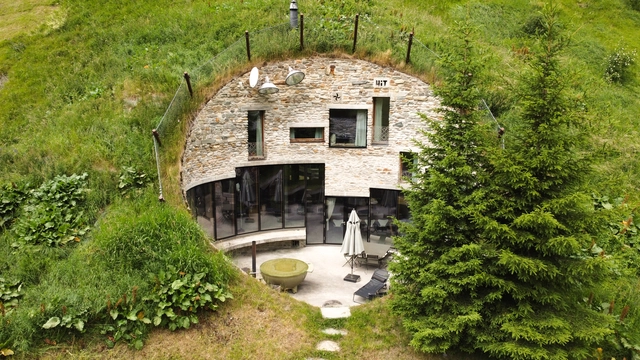
The rustic village of Vals in the Swiss Alps is one of the country’s most picturesque areas, located at an altitude of 1250 meters above sea level with numerous exceptional projects. The main square is surrounded by original Vals houses roofed with stone tiles made of Vals quartzite. Throughout the years, the village maintained its authentic residential and rural typology, making sure that its agriculture and rural fabric remained intact. Perhaps the most powerful natural resource of the Vals Valley, one that has nurtured its landscape and wilderness, is the water. For millions of years, ice and rain have forged the deeply-cut topography, and provided the village with a 30-degree thermal source, the only one in the Grisons Canton which springs straight from the ground.
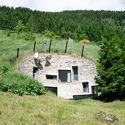
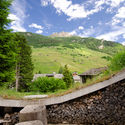
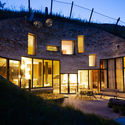
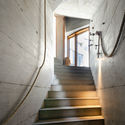
One of the most notable architectures in Vals is The Thermal Spa designed by 2009 Pritzker Laureate Peter Zumthor. The secluded structure is built with local quartzite, a stone that blends the elements of water and stone to create “the perfect wellness experience”. Another iconic architecture tucked within the mountains of Vals takes advantage of the local material, structural typology, and topography, a project that leaves the original landscape intact and subtly intervenes to create a one-of-a-kind award-winning vacation home; The Villa Vals.
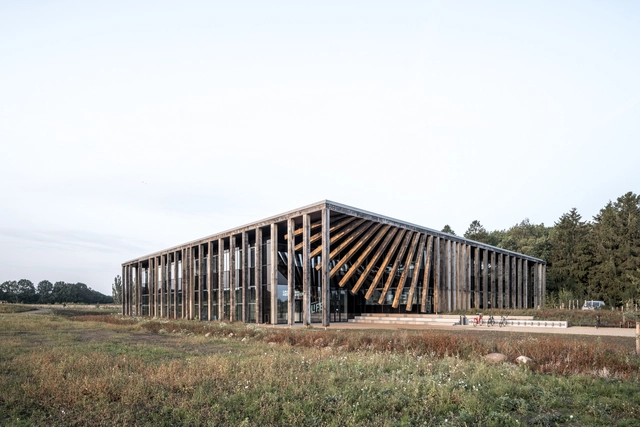

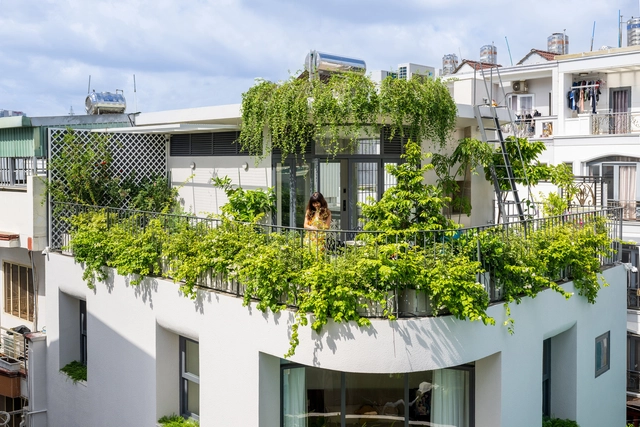
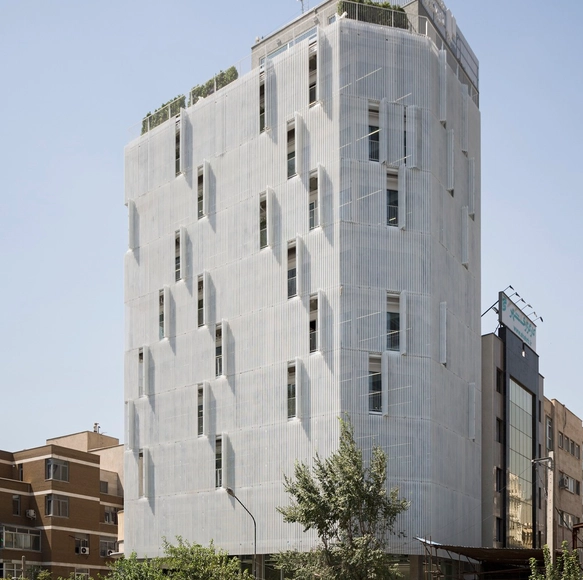
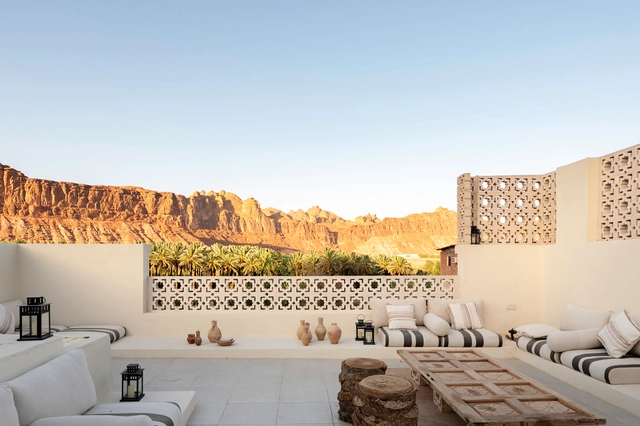
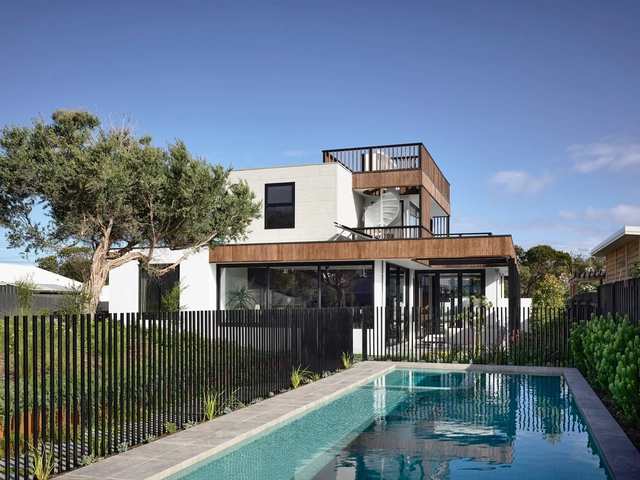
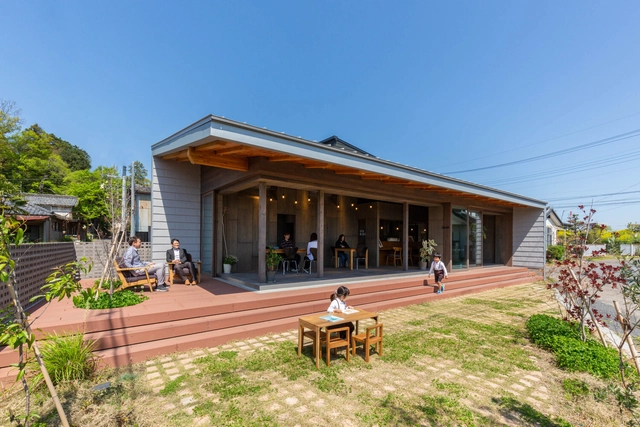
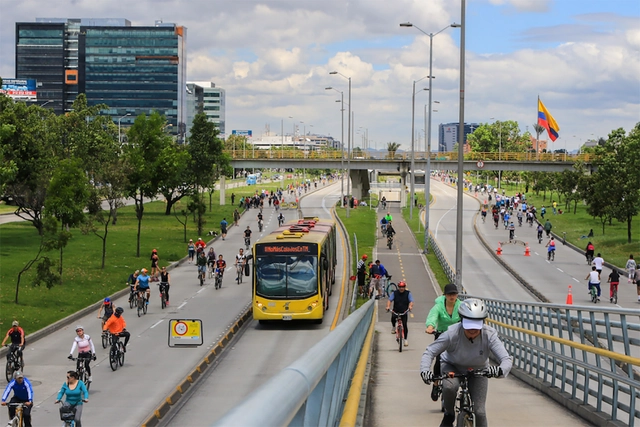
From the grid plans of ancient Greek cities to the Renaissance's idealized urban layouts, the history of urban planning is a reflection of evolving power structures and societal priorities. Across the world, many African and Asian cities simultaneously existed without clear visual manifestation. the organizational structure being deeply embedded in cultural needs and social relations. Urban development is marked by a dichotomy - the contrast between top-down planning strategies led by influential entities and governing bodies, and the bottom-up initiatives driven by local communities. This interplay shapes cities, influencing aspects from infrastructure and public spaces to housing models and urban character. Delving into the differences between these strategies is essential to crafting a harmonious urban landscape that caters to the needs of its residents.
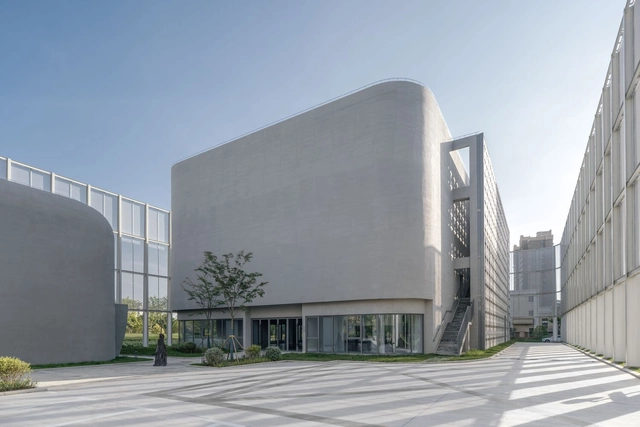

Sketching has always been an essential part of the architect’s creative process. Case in point, architect I.M. Pei drafted his preliminary design for the East Wing of the National Gallery of Art on a cocktail napkin.
Modern architectural sketches combine design intent with data and constraints. The sketch grows in resolution as layers of information are added by different stakeholders. Architects today use both tactile and digital tools for sketching. The conundrum has been to choose either the flexibility offered by freeform modelers or the data-richness offered by BIM tools.