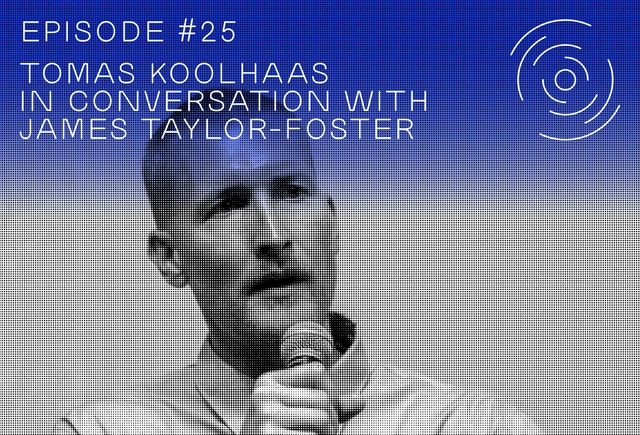
In this episode of GSAPP Conversations, Tomas Koolhaas—the director of the much anticipated documentary-biopic REM, a film about the eponymous founder of the Office for Metropolitan Architecture (OMA), Rem Koolhaas—discusses the movie at length. Among other topics, the conversation touches upon Koolhaas's specific tools and methods for filming architectural space, and the challenges of producing a film founded on a personal relationship.
https://www.archdaily.com/880918/tomas-koolhaas-discusses-the-reasoning-devices-and-reception-of-rem-gsapp-conversationsAD Editorial Team
The $157 million deal was made between the developer and the Hudson Yards Infrastructure Corporation and the Metropolitan Transportation Authority for 669,000 square feet of development rights, equalling $235 per square foot. After adding in the square footage acquired in two separate deals in 2015 and last year, Tishman Speyer has now spent $265 million to gain more than 1.23 million additional square feet of buildable space for the 1,005-foot-tall tower.
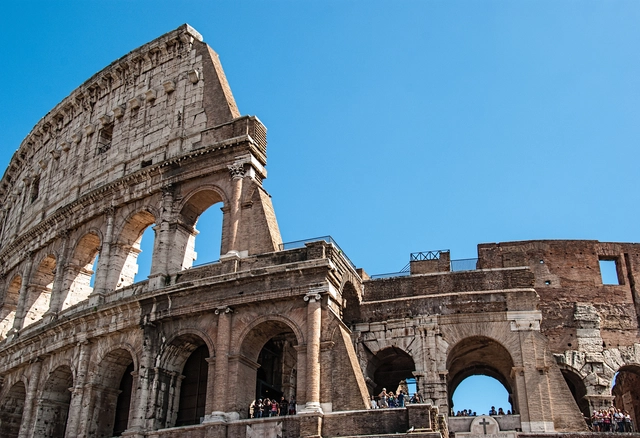
For the first time in more than 40 years, visitors will be able to access the uppermost levels of Italy’s most popular historical site, the Colosseum, following the completion of a major restoration project.
Beginning November 1st, guided tours will take ticketed guests to the remaining sections of the fourth and fifth levels of the stadium, rising as high as 120 feet above ground level.
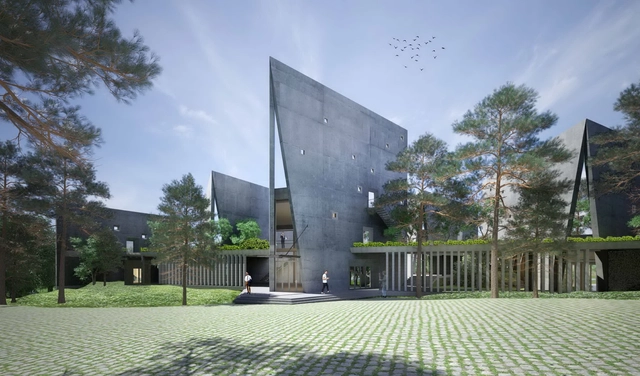
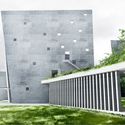
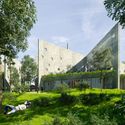
VTN Architects has revealed the design of Viettel Offsite Studio, a new campus for Vietnam’s largest telecommunications corporation currently under construction 30 kilometers outside of the capital city of Hanoi.
Designed as a short-term work environment where employees can go to escape from the stress of the city, the studio building takes the form of six book-shaped walls that help to shield interior spaces from strong sunlight and direct view back to the site’s natural surroundings.
Two large-scale US cultural projects have, this week, announced major updates relating to the renovation of existing buildings – and both involve, to a greater and lesser extent, American business magnate, media mogul, and philanthropist David Geffen.
Recently we’ve written a fair amount about the state of architectural research. The general consensus appears to be that it lacks rigor and, even more importantly, is not grounded in good science. Steven J Orfield has some strong opinions about architectural research. He’s been conducting it—for architecture and design firms, as well as Fortune 500 companies—at his Minneapolis-based Orfield Laboratories for more than three decades now. Late last week I talked to him about why architects are afraid of science, how he would introduce it into the schools, and his work in the field of universal design.
First Papers of Surrealism, 1942, New York. Installation view showing Marcel Duchamp’s Mile of String, 1942.
Are.na Grants is a new initiative to support research, writing, and other creative projects that are being developed and built on Are.na. For the first set of grants, we are especially interested in projects that address issues around the shifting nature of “knowledge work,” algorithmic governance, and networked learning, though proposals of all kinds are welcome.











_a06b_(PM).jpg?1507156534&format=webp&width=640&height=580)
_(2).jpg?1507156684 "© Praveen Mohandas")
.jpg?1507156742 "© Praveen Mohandas")
_(2).jpg?1507156802 "© Praveen Mohandas")
_b06_(PM)_(2).jpg?1507156466 "© Praveen Mohandas")
_a06b_(PM).jpg?1507156534)