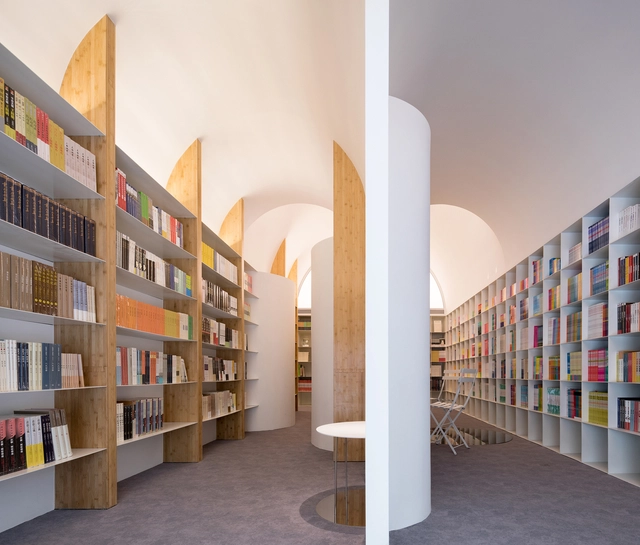
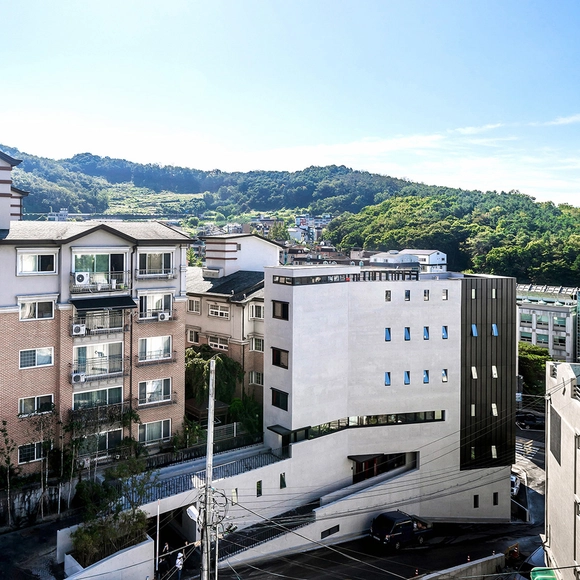
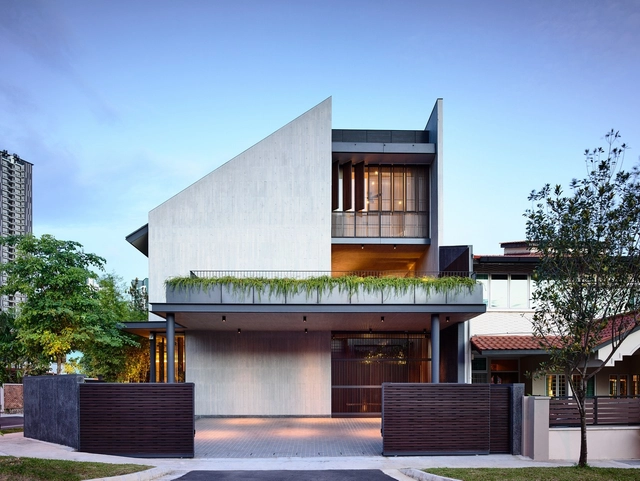
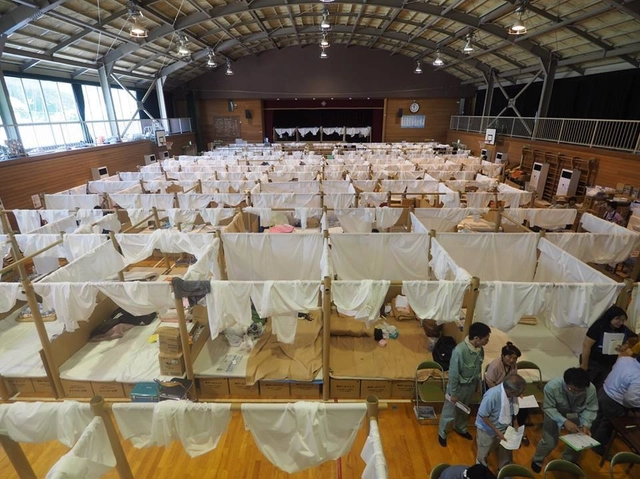
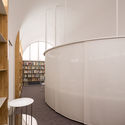
This year, in partnership with MINI Clubman, we are launching a special award that highlights the best refurbishments of buildings and spaces from around the world.
Alongside MINI, we have decided to promote this category in the belief that one of the most sustainable ways to develop architecture now is through the recovery of existing structures. From urban renovations to new uses for former factories, or even simply giving new life to an old house, refurbishment projects demonstrate the flexibility of our existing cities and the many scales at which old buildings can be repurposed.
As in our Building of the Year Award, we entrust our readers with the responsibility of rewarding the best refurbishment projects in architecture—the designs that have had an impact on our profession. By voting, you are part of an impartial and distributed network of professionals who act as a jury to choose the most relevant works of the last eight years. Over the next 3 weeks, the collective intelligence of our audience will filter more than 450 projects to select 3 winners representing the best of architecture refurbishment published on ArchDaily.
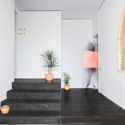
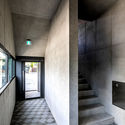
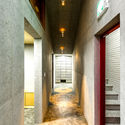
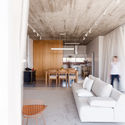
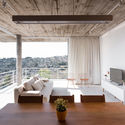
Polished concrete is a versatile material that is easily customizable in its appearance, using stunning aggregates, quartz, and colors to create a sense of industrial sophistication in both homes and commercial buildings. Its reflective surface creates an evocative quality under light, which can be suitable for a variety of programs.
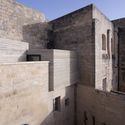
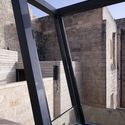
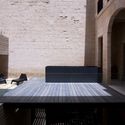
When Spanish architect Rafael Moneo won the Pritzker Prize in 1996, the jury identified his ability to see buildings as lasting built entities—their lives extending beyond architectural drawings—as integral to his success. The South Souks, Moneo’s 2009 project in Beirut, Lebanon, indeed responds to a long history and anticipates a lasting future. After the city’s historic souq (outdoor marketplace) was destroyed during the Lebanese Civil War, developer Solidere began rebuilding the commercial area in 1991. As part of the project, Moneo designed an arcaded shopping district that follows the ancient Hellenistic grid and retains original street names.
Architecture for Landscape: YACademy’s high-level training course offers 8 scholarships, and internships in internationally-renowned architectural firms. 110 hours of lessons, a 60-hour workshop and internships/lectures in internationally-renowned architectural firms like Eduardo Souto de Moura, Jean Nouvel Design, Snøhetta, HHF, Duque Motta & AA, Stefano Boeri Architetti.
As part of our 2018 Venice Architecture Biennale coverage we present the proposal for the Pakistan Pavilion. Below, the participants describe their contribution in their own words.
Keeping the subject of FREESPACE in perspective, the Pakistan Pavilion takes inspiration from the physical and social dimensions of the sparsely open spaces embedded within the many informal settlements of Karachi, the most populated and fastest growing city of Pakistan.
Will Alsop, the British architect known for his colorful and unconventional designs, has died at age 70. As reported by The Guardian, Alsop passed away on Saturday following a short illness, with his firm aLL Design confirming the news on Sunday.
https://www.archdaily.com/894416/will-alsop-dies-at-age-70AD Editorial Team
Massachusetts’ Bentley University Arena together with Architectural Resources Cambridge (ARC) have earned the LEED Platinum certification and was named the most environmentally sustainable arena in the United States. The 76,000 square foot arena emphasizes the university’s commitment to sustainability, energy efficiency, and goal to reach carbon neutrality by the year 2030. Bentley Unversity also offers a major in Sustainability Science and a program that will reduce more than 270 tons of material waste per year. This arena hosts several university events such as concerts, alumni events, career fairs, and is home to its NCAA Division I hockey team.
Appreciated within the industry but often maligned by the general public, brutalism came to define post-war architecture in the UK, as well as many countries around the world. In his 1955 article The New Brutalism, Reyner Banham states it must have “1, Formal legibility of plan; 2, clear exhibition of structure, and 3, valuation of materials for their inherent qualities as found.”
One Kemble Street, a 16-story cylindrical office block originally named "Space House" and designed by George Marsh and Richard Seifert, clearly exhibits all of these characteristics, creating a landmark in the heart of London that remains as striking today as it was upon its completion in 1968. Photographing the Grade-II listed building throughout the day, photographer Ste Murray manages to beautifully capture the building’s essence, celebrating its 50 year anniversary while also highlighting the intrigue of its form in a way that suggests parallels to contrasting ideologies.
Inspired by BIG’s “will to find new solutions for environmental, social, economic and technological problems”, artist Giuseppe Gallo has designed these 9 posters that evaluate BIG’s unique use of syntax.
More on syntax in architecture and how you can get your own copies of the posters after the break.
Ever since the City of St. Louis approved a sales tax to fund public greenways in 2000, citizens and planners have imagined a bike and pedestrian path along the city’s main east-west corridor. Last week, that vision was brought to life as Stoss Landscape Urbanism was selected to design the Chouteau Greenway. Their proposed strip of green space and walkways will stretch from the iconic Gateway Arch at the city’s eastern end to downtown, from there extending to Foster Park, which sits adjacent to Washington University in St. Louis on the city’s western edge.