

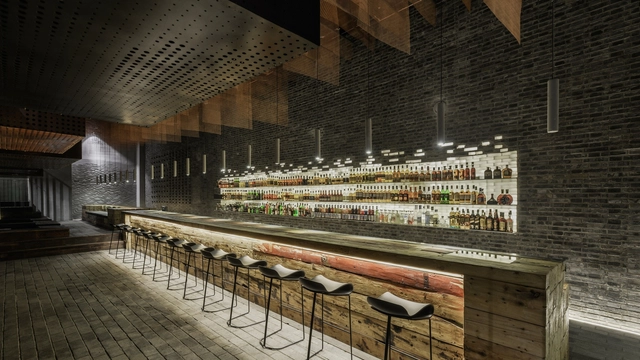
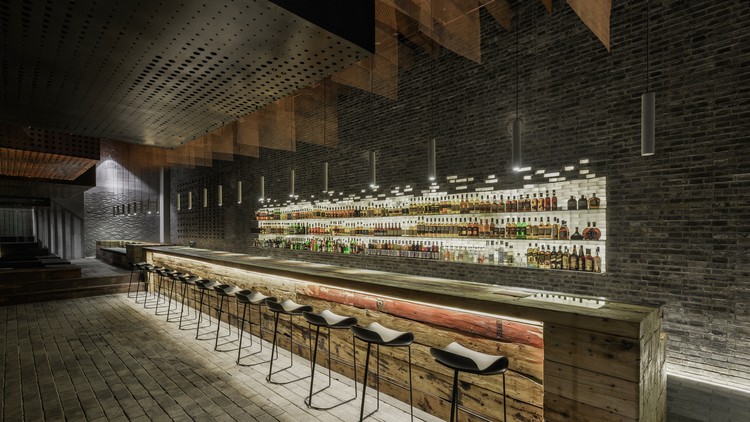
Chongqing Awe-inspiring Bar / B.L.U.E. Architecture Design Studio


https://www.archdaily.com/890509/not-ready-chongqing-awe-inspiring-bar-blue-architecture-design-studio舒岳康
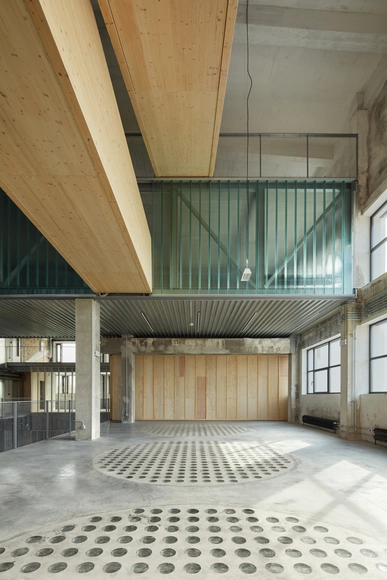
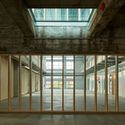
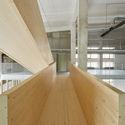
The Mill / GutGut



-
Architects: GutGut
- Area: 857 m²
- Year: 2017
-
Manufacturers: Pilkington, Reynaers Aluminium, Atlas Schindler, ISAN, Luxfera, +1
https://www.archdaily.com/894527/the-mill-gutgutRayen Sagredo
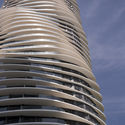
ARTE S / SPARK

.jpg?1525838303 "Courtesy of Nusmetro Group")
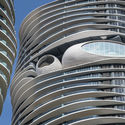
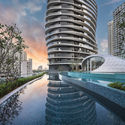

https://www.archdaily.com/894108/not-ready-arte-s-spark-architects罗靖琳 - Jinglin Luo
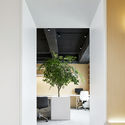
Green Box / Muxin Studio





-
Interior Designers: Muxin Studio
- Area: 106 m²
- Year: 2017
-
Manufacturers: STP
https://www.archdaily.com/894411/green-box-muxin-studio舒岳康
Sunshine Insurance Finance Plaza / Woods Bagot






-
Architects: Woods Bagot
- Area: 105000 m²
- Year: 2018
-
Manufacturers: Baosteel, SELECO, Shenzhen Blue Shield, UMGG, XIFEI, +1
-
Professionals: Architectural Design & Research Institute of Guangdong Province, BLVD, BPI, Hyatt, SUP Atelier
https://www.archdaily.com/894443/sunshine-insurance-finance-plaza-woods-bagot舒岳康
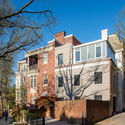
Coach House / Gardner Architects


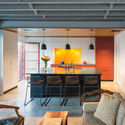
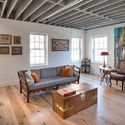
-
Architects: Gardner Architects
- Area: 1500 ft²
- Year: 2018
-
Manufacturers: Cambria, LiveRoof, Loewen, Marvin, Warmly Yours
https://www.archdaily.com/894333/coach-house-gardner-architectsPilar Caballero
Morumbi Corporate / Aflalo/Gasperini Arquitetos


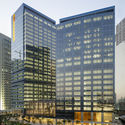
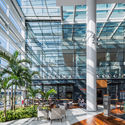

-
Architects: aflalo/gasperini arquitetos
- Area: 135230 m²
- Year: 2013
-
Manufacturers: Brasigran, Braston, Cebrace, Glassec, Granos, +2
https://www.archdaily.com/893801/morumbi-corporate-aflalo-gasperini-arquitetosRayen Sagredo
Georgica Cove / Bates Masi + Architects

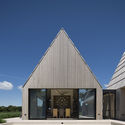
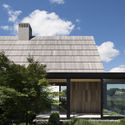
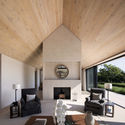
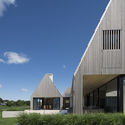

-
Architects: Bates Masi + Architects
- Area: 6500 ft²
- Year: 2017
-
Manufacturers: Subzero/Wolf, Arcadia Custom, Ballista, Thermador, VALVO, +1
https://www.archdaily.com/894495/georgica-cove-bates-masi-plus-architectsPilar Caballero
Morphosis Releases Details of Competition-Winning Scheme for Unicorn Island Masterplan in China

Morphosis has released details of their competition-winning masterplan for Unicorn Island in Chengdu, China. One of four entrants to be successful, including the OMA scheme we covered yesterday, Morphosis were recognized for their “walkable park city interweaving business resources, green infrastructure, and lifestyle” to offer the optimum conditions for both large and small companies to thrive in the Chinese development zone.
As the Chinese economy transitions from a production-based system to one driven by services, the Unicorn island masterplan is an initiative commissioned by the Chengdu government to offer state-of-the-art resources and networks for both start-up firms and so-called “Unicorn” companies, those with a value of over one billion US dollars.


https://www.archdaily.com/894536/morphosis-releases-details-of-competition-winning-scheme-for-unicorn-island-masterplan-in-chinaNiall Patrick Walsh
Cascade High School Expansion / Neumann Monson Architects


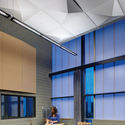
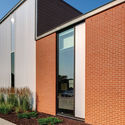
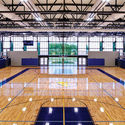

-
Architects: Neumann Monson Architects
- Area: 43090 ft²
- Year: 2014
-
Manufacturers: Kingspan Light + Air, Mid-America Brick, PPG IdeaScapes
-
Professionals: C&C Consultants, Conlon Construction, Design Engineers, M2B, WHKS
https://www.archdaily.com/894434/cascade-high-school-expansion-neumann-monson-architectsDaniel Tapia
5 Lessons From Norman Foster’s Lecture at the Barbican
.jpg?1526385880&format=webp&width=640&height=580)
After being knighted in 1990 for services to architecture, winning the 1999 Pritzker Prize and then gaining peerage in the same year, it could be argued that there is no living architect that has had a larger impact on urban life than Norman Foster. In a recent talk, Foster addressed a sold-out Barbican Hall on the future of our growing urban landscape, in the seventh installment of the Architecture On Stage series organized by The Architecture Foundation with the Barbican. While the content was full of grandiose statements and predictions, of a scale similar to the projects Foster's practice undertakes, it was the problem-solving approach he showed that gave more of an insight into the man himself. The following 5 lessons gleaned from the presentation won't guarantee Foster-like levels of success, but they may be able to help you navigate the challenges that architecture can present, both personally and professionally.
https://www.archdaily.com/894389/5-lessons-from-norman-fosters-lecture-at-the-barbicanTom Dobbins
Mint Santa Teresa / Studio Saxe

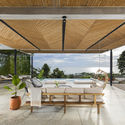
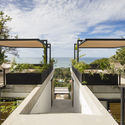
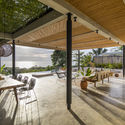
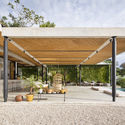

-
Architects: Studio Saxe
- Area: 660 m²
- Year: 2018
-
Manufacturers: -, Cemex, Pilington
https://www.archdaily.com/894218/mint-santa-teresa-studio-saxeDaniel Tapia
Dogchitecture: WE Architecture Designs a Center That Challenges Traditional Animal Shelters
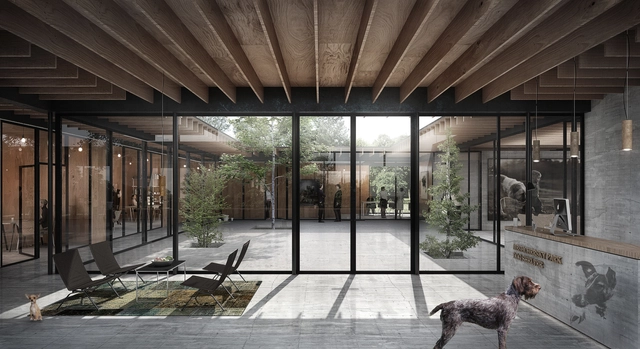
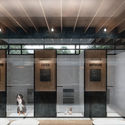
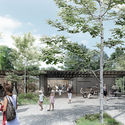
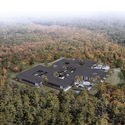
Copenhagen firm WE Architecture has completed a proposal for a “Dog Center” in Moscow that challenges traditional notions of animal shelters. Nestled in the countryside, the one-story pavilion will rely on a series of courtyards divided by pergolas that disappear into the landscape. The firm notes that the courtyards, which provide enclosed outdoor space for the dogs, allow the center “to avoid the 'jail-like' fencing which is often associated with dog shelters."


https://www.archdaily.com/894254/dogchitecture-we-architecture-designs-a-center-that-challenges-traditional-animal-sheltersElla Comberg
#MyFLV Architectural Photography Contest
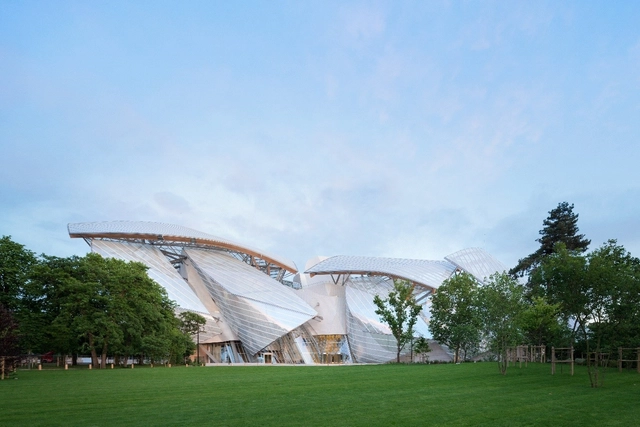
In celebration of its visitors, the Fondation Louis Vuitton is organising a photography contest on the theme of its architecture, designed by Frank Gehry. The contest is open to all, amateurs and professionals alike. A jury of representatives of the Fondation, led by Frank Gehry, will come together at the end of the contest to choose from 5 to 10 photographs.
From 3 May to 5 June, with unexpected outlooks on the architecture, both indoors and outdoors, unmissable moments from the terraces, unforgettable views of the waterfall, the contest #MyFLV honours the public and its vision of the Fondation. The best
https://www.archdaily.com/894452/number-myflv-architectural-photography-contestRene Submissions
Benoy Shares Their Design for a New Global Business School in Saudi Arabia
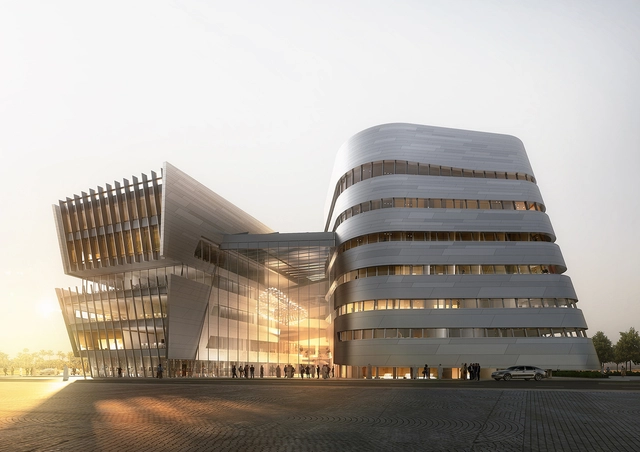
Slated to open in 2020, Benoy has released their design for a central academic building in Jeddah, Saudi Arabia. It will house the Global Business School, an educational hub that will attract Saudi and international business students through executive education programs in collaboration with Program on Negotiation at Harvard Law School of Harvard University (USA), SC Johnson College of Business of Cornell University (USA), and Imperial College Business School (UK).
https://www.archdaily.com/894247/benoy-shares-their-design-for-a-new-global-business-school-in-saudi-arabiaJack McManus
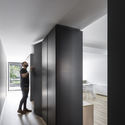
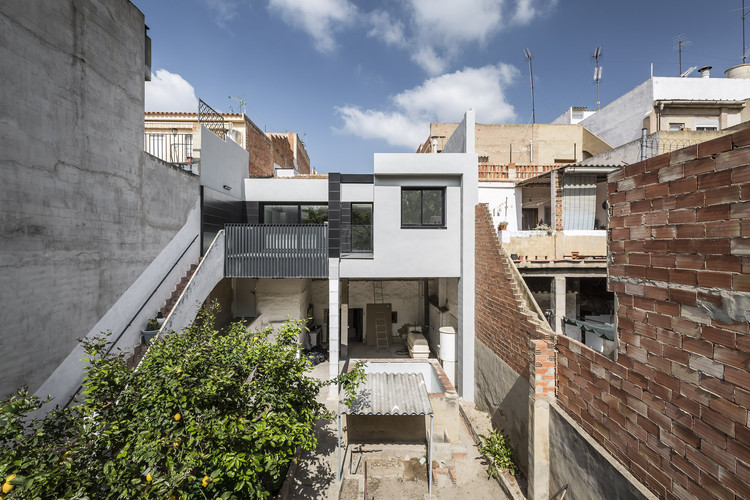
House between Houses / alberto facundo


-
Architects: alberto facundo
- Area: 140 m²
- Year: 2018
https://www.archdaily.com/894183/house-between-houses-alberto-facundoPilar Caballero
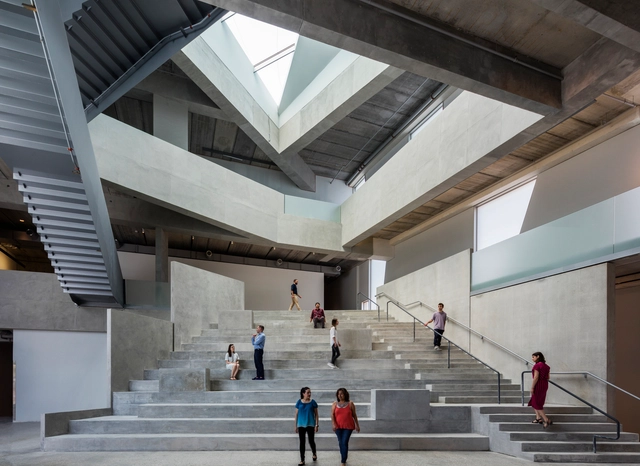
Glassell School of Art / Steven Holl Architects



-
Architects: Steven Holl Architects
- Area: 93765 ft²
- Year: 2018
https://www.archdaily.com/894488/glassell-school-of-art-steven-holl-architectsMaría Francisca González
Egyptian Pavilion at Venice Biennale to Explore How Urban Markets Are Redefining the Concept of "Free Space"
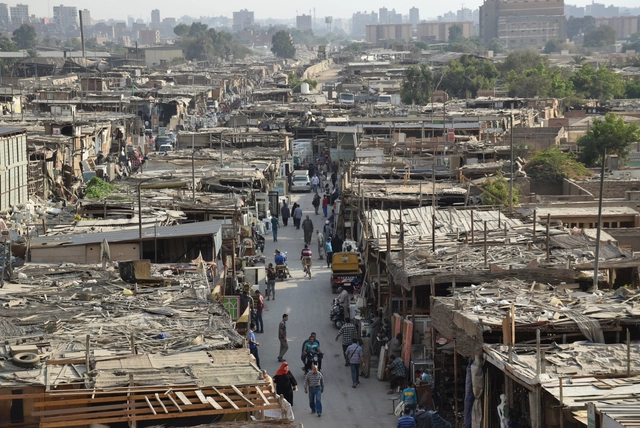
As part of our 2018 Venice Architecture Biennale coverage we present the proposal for the Egyptian Pavilion. Below, the participants describe their contribution in their own words.
The Egyptian pavilion curated by architects Islam El Mashtooly and Mouaz Abouzaid, and architecture professor Cristiano Luchetti proposes the theme of redevelopment and strategies of requalification of spontaneous commercial spaces across the entire country. The phenomenon of "free", unstructured, often abusive and illegal trading is predominant in many urban and suburban areas. The traditional souk is no longer confined to narrow streets and interstitial spaces of the historical fabric. Indeed, the space of commerce extends its tentacles seamlessly along the lines of urban streams without any apparent rule. The project for the pavilion focuses on these strategic spatialities but also on their content. The trading of Roba Becciah is a large portion of all market activities. Disused items produced and dismissed by consumerist societies are first collected, and then stacked in areas of such dimensions to create mono-functional enclaves for future trading purposes. The Roba Becciah represents for the curators an important metaphor of the anthropological-urban condition of the contemporary world.
https://www.archdaily.com/894490/egyptian-pavilion-at-venice-biennale-to-explore-how-urban-markets-are-redefining-the-concept-of-free-spaceAD Editorial Team


