
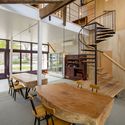

-
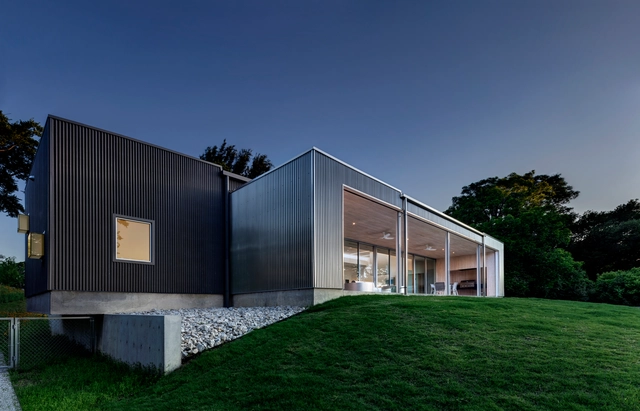
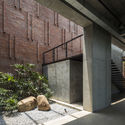
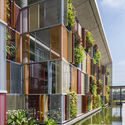
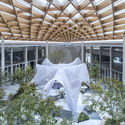
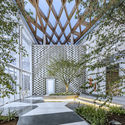
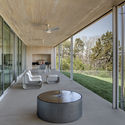
Architects: SUGAWARADAISUKE Architects
- Year: 2018
-
Professionals: Fuji Corporation, Toh design, yasuhirokaneda STRUCTURE



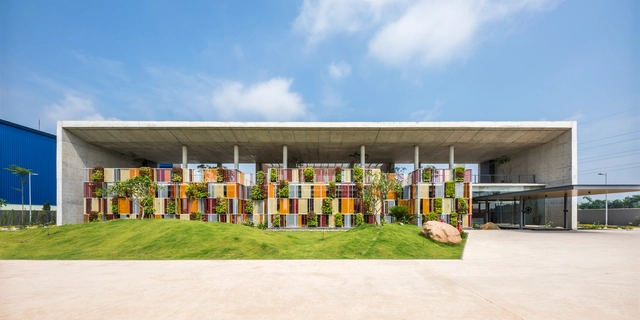
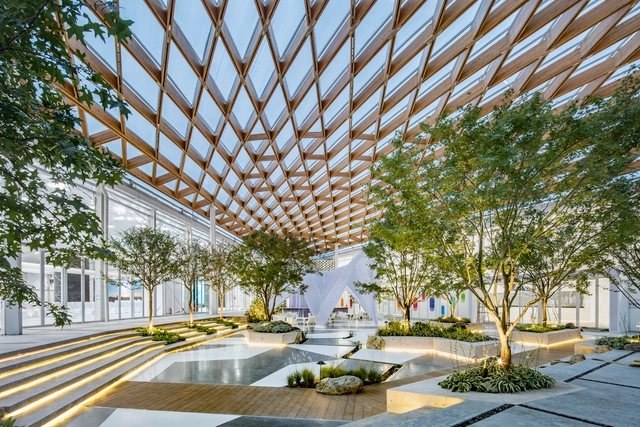

_Dirk_Tacke__courtesy_of_adidas.jpg?1537765434&format=webp&width=640&height=580)
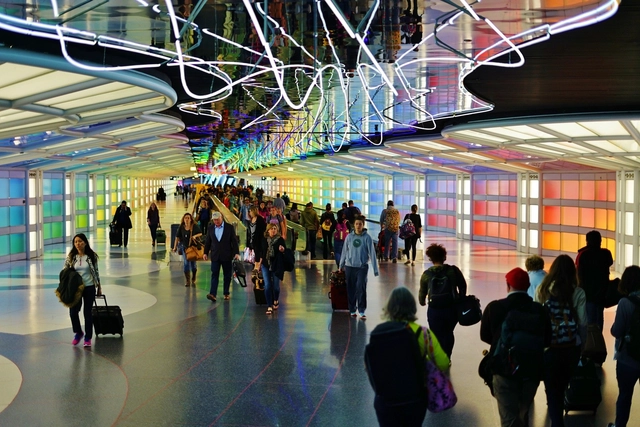
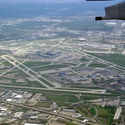
Studio Gang, BIG, Calatrava and SOM are among twelve leading architecture teams vying to work on the Chicago O'Hare International Airport expansion. The city’s request for qualifications calls for demolishing O'Hare's Terminal 2 to replace it with a global concourse and terminal for both domestic and international flights from United and American Airlines. The city’s Department of Procurement Services estimates the total costs of the expansion process (from design through construction) will cost an approximate $8.7 billion. Known as O’Hare 21, the project represents O’Hare’s first major overhaul in 25 years.



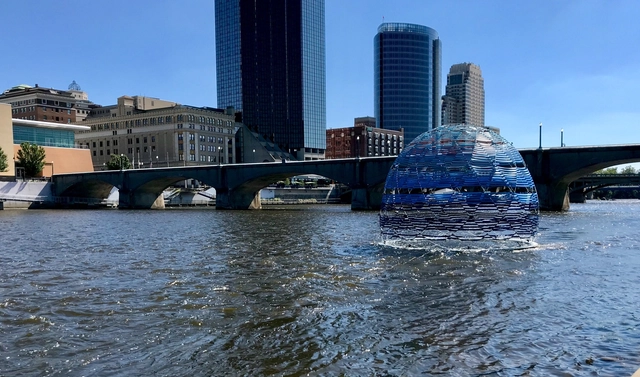
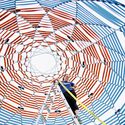
SLO Architecture has built Harvest Dome 3.0, a floating dome project made to celebrate the riparian heritage of Grand Rapids. Made with local materials harvested from the Grand River industry, the 20-foot-diameter orb would be constructed from brightly colored surplus seat-belts and studded with rearview mirrors, set atop a ring of 128 repurposed two-liter soda bottles. The project explores the city’s legacy of manufacturing and a history of production.
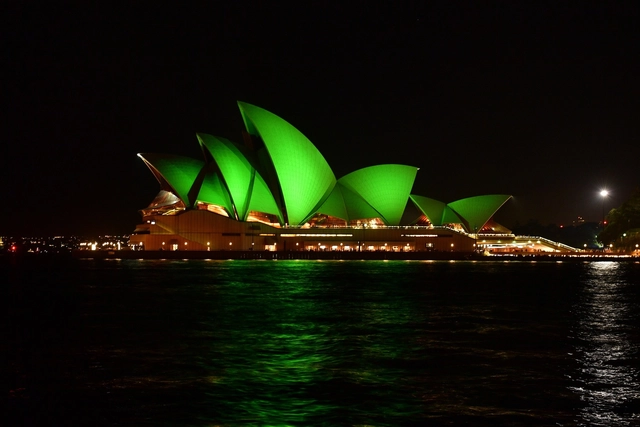
The Sydney Opera House is celebrating a significant environmental milestone, having become carbon neutral five years ahead of schedule. For reducing its carbon dioxide emissions through efficiencies in waste and energy management, the Opera House was awarded certification from the Australian Government’s National Carbon Offset Standard (NCOS).
The sails of the Sydney Opera House were illuminated green on the night of Monday 24th September to celebrate the carbon neutral certification.
_Prudence_Upton.jpg?1537804562 "© Prudence Upton")


_Hamilton_Lund_2017251.jpg?1537804531 "© Hamilton Lund")

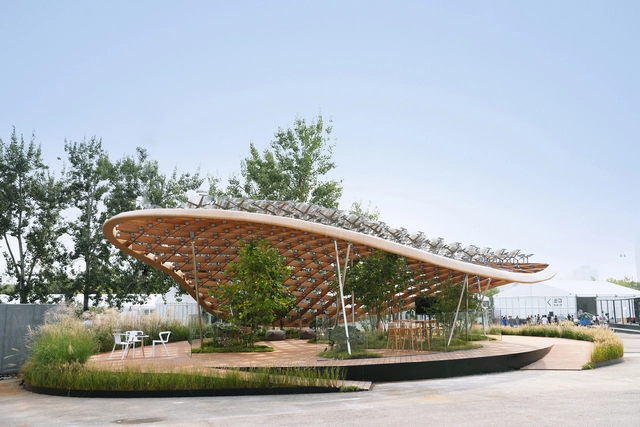

Oppenheim Architecture has released an update of their proposed Star Metals development in Atlanta, Georgia. Spread over two schemes, the project seeks to “shift the paradigm of what’s possible for new urban environments” through a 1.36 million-square-foot masterplan.
The Oppenheim scheme consists of a 14-story “Star Metals Offices” building, accommodating offices, terraces, parking, and retail, and a nine-story “Star Metals Residences” building with over 400 residential units.
.jpg?1537702346&format=webp&width=640&height=580)
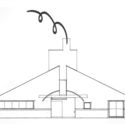
There are so many complexities and contradictions in life in general and architecture in particular. I am writing this intro to an interview I held in 2004 with Robert Venturi and his life-and-architecture partner Denise Scott Brown, while visiting Beijing’s Tsinghua University where I was invited to teach this fall. Was it simply a coincidence when, at the last moment before leaving my New York City apartment I would, almost by chance, grab a 2001 issue of Architecture magazine with Venturi on its cover and his contradictory quote, “I am not now and never have been a postmodernist.”
I learned of Venturi's passing last week on my first day of teaching at Tsinghua; the news arrived as I and the students discussed their proposals to improve their campus. In yet another strange coincidence, Venturi and Scott Brown had, just prior to our interview, been working on their own proposal for the very same campus. It was a pleasant and bittersweet surprise then to hear my students speak of freeing up the campus in much the same ways as Venturi's Complexity and Contradiction in Architecture attacked then domineering architecture of minimalism and abstraction over 50 years ago.
His and Scott Brown’s ideas for this campus did not materialize but their analytical and often rebellious thinking greatly influenced how students here and architects all over the world approach architecture. It was Venturi who freed our discipline, it was him who set us all free and encouraged to ask our own questions, to get away from all kinds of dogmas and to provoke ideas of hybridization. What follows is an excerpt from my conversation with the architects at their office in Philadelphia 14 years ago.


Researchers, academics and those with tireless curiosity will know the thrill of chasing down the details of something mysterious or unexplained. In this tweet thread from 2017, Paul Cooper noticed a difference in a nearly 100-year-old photo that led him to uncover the real story behind a strange "appendage" on the top of the Temple of Athenian Zeus. What follows is the Twitter equivalent of an architectural thriller. What is it? Why were depictions of the temple altered? Mr. Cooper takes us on a rollercoaster 18-tweet journey that uncovers the mystery.
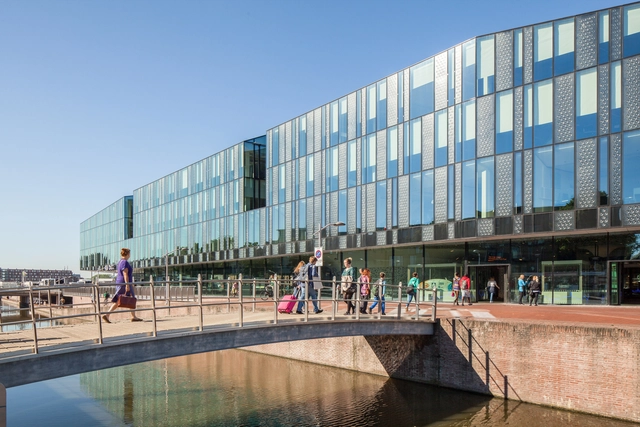

YAC – Young Architects Competitions – and Urban Up l Unipol launched “Kid’s Factory,” an architectural competition to transform the former pottery of Laveno Mombello into the largest and most innovative campus for children in the world. A cash prize of €20,000 will be awarded to winners selected by a renowned jury comprised of Ben van Berkel (UNstudio), Keiichiro Sako (Sako Architects), Peter Wilson (Bolles+Wilson), Arne Emerson (Morphosis), Emmanuelle Moureaux, Mario Cucinella, Stefano Boeri, among the others.




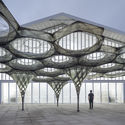

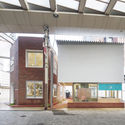
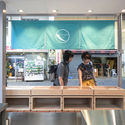
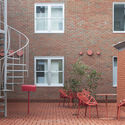
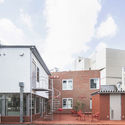

_Dirk_Tacke__courtesy_of_adidas.jpg?1537765455 "© Dirk Tacke, Courtesy of adidas")
_Dirk_Tacke__courtesy_of_adidas.jpg?1537765476 "© Dirk Tacke, Courtesy of adidas")
_Dirk_Tacke__courtesy_of_adidas.jpg?1537765498 "© Dirk Tacke, Courtesy of adidas")
_Dirk_Tacke__courtesy_of_adidas.jpg?1537765545 "© Dirk Tacke, Courtesy of adidas")
_Dirk_Tacke__courtesy_of_adidas.jpg?1537765434)




.jpg?1537701733)


.jpg?1537702346)