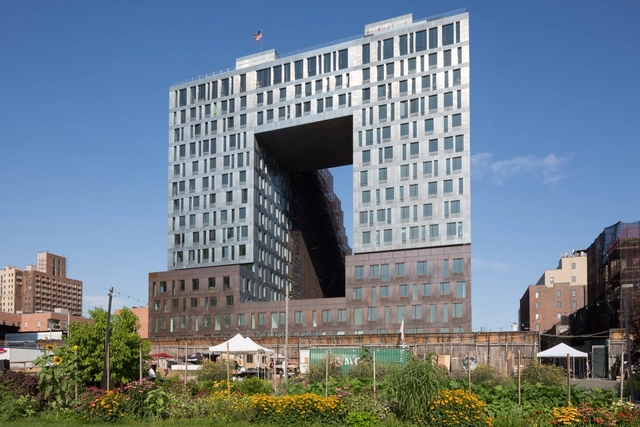
Are you in the market for a new home? If so, you may want to consider looking at a former parking garage, because they just might be the next place where developers are looking to build. In the United States alone, there are more than 500 million parking spots for 326 million citizens, covering approximately 2,500 square miles of land. Despite the push for a "car-free" future, more of these structures keep springing up across the country. If cities are building parking garages to support the need for the cars of today, how might we rethink their design so they can outfit the autonomous vehicle ambitions of tomorrow?
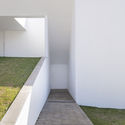
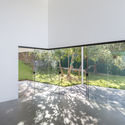
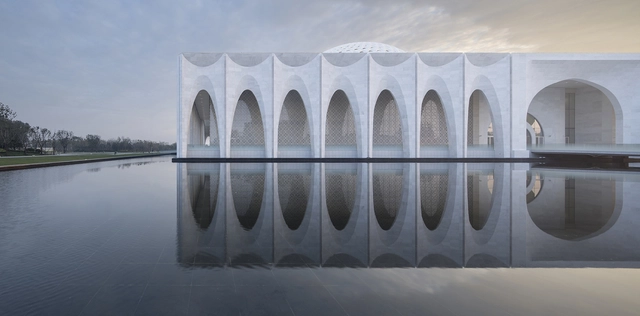
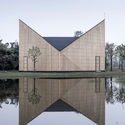
This week we have prepared a selection of photographs in which reflections in water is used as the main compositional element. In these images, the surface qualities of the water play a fundamental role in giving the composition its final effect—either acting as a perfect mirror or giving a diffuse touch. Below is a selection of 10 images from prominent photographers such as Lu Hengzhong, Yao Li, and Nico Saieh.
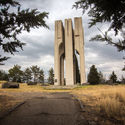
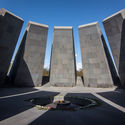
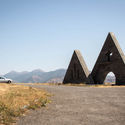
British researcher Darmon Richter has recently released Monumentalism, a visual study of over 200 photographs featuring socialist architecture and designs built by 20th century regimes around the world. These photos were taken in more than 30 different countries and show a broad range of subject matter, from military parades in the former Soviet Union to revolutionary memorial sites. See more after the break.
Shigeru Ban (born August 5th 1957) is a Japanese architect who won the 2014 Pritzker Prize for his significant contributions in architectural innovation and philanthropy. His ability to re-apply conventional knowledge in differing contexts has resulted in a breadth of work that is characterized by structural sophistication and unconventional techniques and materials. Ban has used these innovations not only to create beautiful architecture but as a tool to help those in need, by creating fast, economical, and sustainable housing solutions for the homeless and the displaced. As the Pritzker jury cites: “Shigeru Ban is a tireless architect whose work exudes optimism.”
Architecture has always been multidisciplinary, demanding new expertise for each project and challenging designers to remain nimble. This seems more true now (and more embraced) than ever, with architects turning their eye towards technology, agriculture, data science - even to Mars.
https://www.archdaily.com/899590/todays-rising-stars-in-design-metropolis-magazine-reveals-their-picksKatherine Allen
The theme for the Australian Pavilion at the 2018 Venice Biennale is Repair. Created by Baracco+Wright Architects in collaboration with Linda Tegg, it consists of a living installation, Grasslands Repair, that presents more than 60 species of Western Plains Grasslands plants from South East Australia. By covering the ground of the pavilion with these plants, it explores the relationship between architecture and the natural environment, especially in regards to the ecologically sensitive landscape of Australia and the cultural importance of the land for the Indigenous people.
There has been a lot of focus recently on community engagement in architecture. Some building by some architect is designed to be the next 'community hub,' but what does it take to deliver on the design intent?
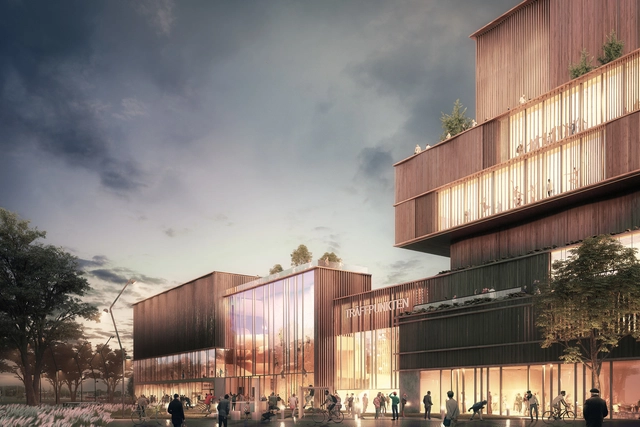
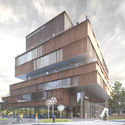
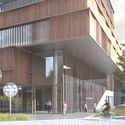
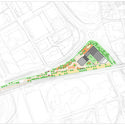
In order to promote a community atmosphere, a design must engage a large and variable audience, while also offering something unique. This new design from AIX Arkitekter intends to create a new multicultural center called "The "Meeting Point" in Täby, Sweden. The center combines unique sports and cultural activities, at the heart of an existing ecological infrastructure, to promote community opportunities and engagement.
"The Meeting Point" center utilizes both indoor and outdoor activities. This dynamic also translates throughout the design language of the building through transparency and landscape elements. The intersecting masses cause various activity spaces to overlap, promoting happenstance interactions between both people and program.
The beginning of the fall semester is quickly approaching, and prospective architecture students are gearing up for the beginning of their future careers. While the next step may seem daunting, the first year of your architecture education helps set the pace for the remaining four to five years. So it's important to get started on the right foot.
Architecture studios are notorious for long nights, intensive model-making and desks overflowing with trace paper and parti diagrams. But there is one important aspect of studio life that is too often neglected: the student-professor relationship.
Read on for the four steps to start investing in this unique relationship to set yourself up for success.
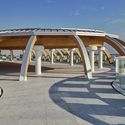
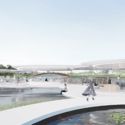
Space 4 Architecture's (S4A) proposal for a bookstore in Chengdu, China reflects the poetic beauty of floating lilies on water. The architects describe the project as a “permeable cultural container” that allows and encourages visitor interaction with the surrounding landscape. The design consists of a series of indoor and outdoor spaces that weave together a gentle intervention that mirrors and enhances the natural scenery it sits within.




























_preview.jpeg.jpg?1527942180&format=webp&width=640&height=580)
_preview.jpeg.jpg?1527942158)
_preview.jpeg.jpg?1527942168)
_preview.jpeg.jpg?1527942212)
_preview.jpeg.jpg?1527942202)
_preview.jpeg.jpg?1527942180)





.jpg?1532571996 "© Tom Vack")

.jpg?1532571849 "© Tom Vack")





.jpg?1533346303)