


-
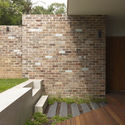
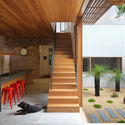
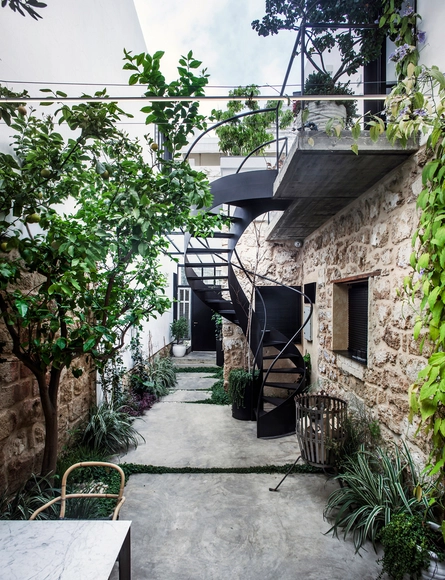
Architects: Hrystia Koliasa Architecture
- Area: 45 m²
- Year: 2018
-
Manufacturers: Acor, Borshch Ceramics, Dobro Design Studio, Ikea, Pufetto, +1





Planning can, on occasion, feel Sisyphean. Emerging technologies, shifting economies, and changing governments can all enact dramatic and unpredictable change in short order. So what’s the use of planning for the future, let alone planning for a future nearly half a century away?


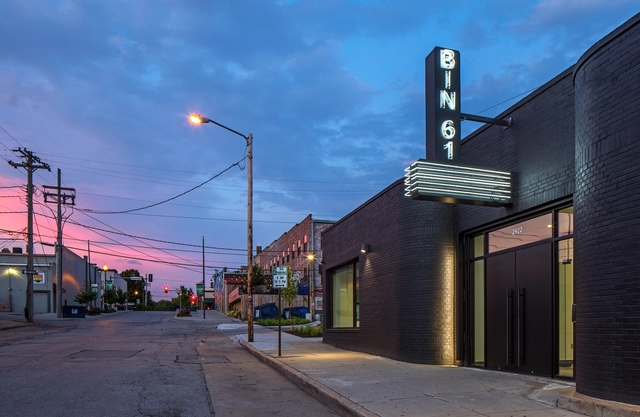
Following an extensive day of presentations, panels, critiques, and talks The World Architecture Festival (WAF) has announced the Day 1 category winners in their 2018 programming. Winners are recognized in over 35 categories over the first two days of the conference, which culminates with the announcement of the World Building of the Year 2018 on the third and final day of the conference.
While still early days, the world’s largest architectural award program, the WAF Awards is poised for its biggest year yet, with a total of 535 shortlisted projects from 57 countries across the world.

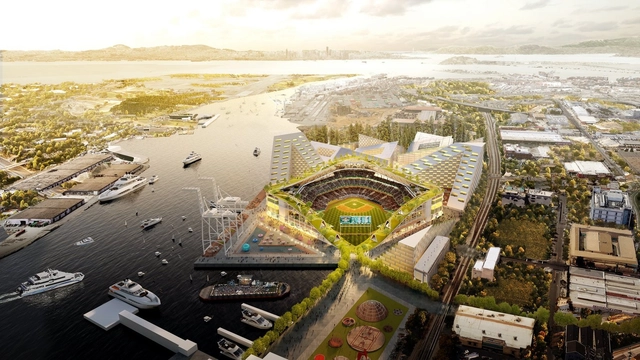
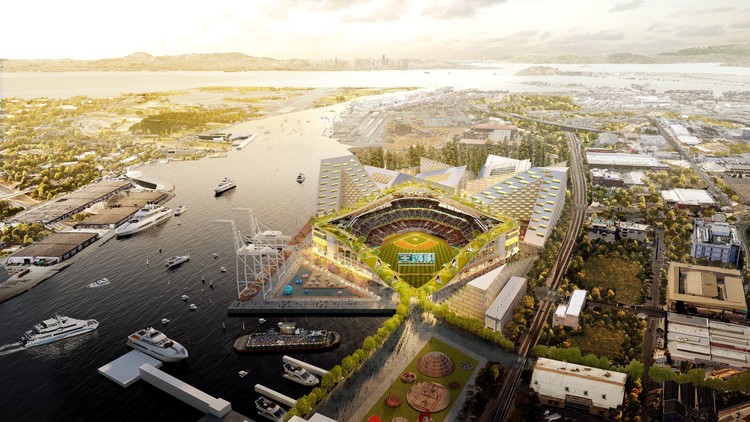
Bjarke Ingels Group, James Corner Field Operations, and Gensler have released new renderings of the new Oakland Athletics baseball stadium and surrounding development. The new stadium will replace the Oakland A’s existing 51-year-old Oakland-Alameda County Coliseum, which the A’s share with the Oakland Raiders football team. The mega-ballpark includes a waterfront “jewel box” stadium at Howard Terminal and would turn the current Coliseum site into a tech and housing hub.



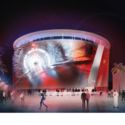
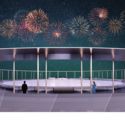
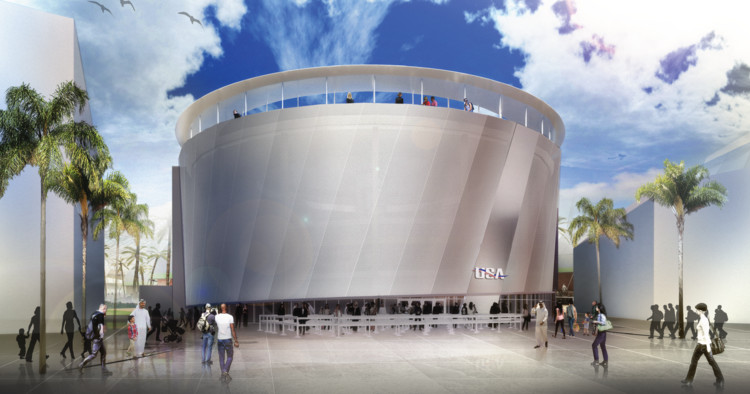
The design of the USA Pavilion for the Expo 2020 Dubai has been revealed, designed by Curtis W. Fentress and Fentress Architects. Destined to represent more than 325million Americans, the pavilion seeks to “provide a unique platform for [the United States] to come together to showcase the very best of [their] cultural and commercial achievements.”
The pavilion is to be circular in form, with “slants fashioned to project a sensation of movement, making the viewer feel like the building itself is in motion.” The pavilion’s interior will showcase American innovation and technology, including the premiere of the Virgin Hyperloop One ride experience.


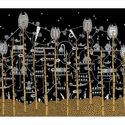
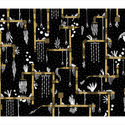
Lima-based architect Karina Puente has created a new series in her personal project: to illustrate each and every "invisible" city from Italo Calvino's 1972 novel. Her collection, which ArchDaily published in 2016, and again in 2017, consists of mixed media collages, drawn mainly using ink on paper, brings together a sequence of imagined places – each referencing a city imagined in the book.
Invisible Cities, which imagines fictional conversations between the (real-life) Venetian explorer Marco Polo and the aged Mongol ruler Kublai Khan, has been instrumental in framing approaches to urban discourse and the form of the city. According to Puente, "each illustration has a conceptual process, some of which take more time than others." Usually "I research, think, and ideate over each city for three weeks before making sketches." The final drawings and cut-outs take around a week to produce.
Puente’s work is set to go on display in the San Miguel de Allende, Mexico on the 2nd February 2019. You can learn more about the project from Puente’s official website here.
We are pleased to partner with the World Architecture Festival to bring you live streaming of each day's keynote addresses. On Wednesday, tune in for lectures from Peter Cook, Li Xioadong and an impressive group of speakers. Follow us on Instagram at @archdaily to see more updates from our team on the ground.




.jpg?1543143170)
.jpg?1543143492 "© Chao Zhang")
.jpg?1543143455 "© Chao Zhang")
.jpg?1543142785 "© Chao Zhang")
.jpg?1543142973 "© Chao Zhang")