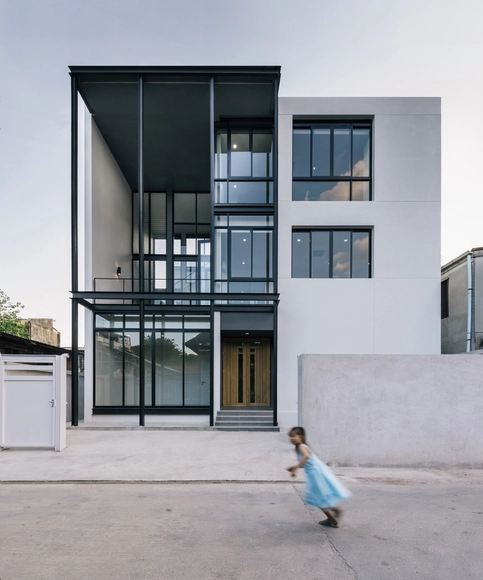
2016



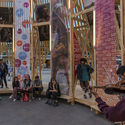
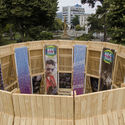
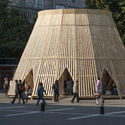
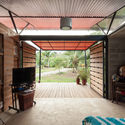
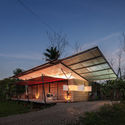
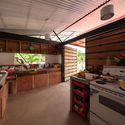
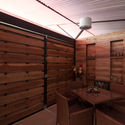
CCP Pavilion / República Portátil



https://www.archdaily.com/787518/ccp-pavilion-plus-republica-portatilDaniela Cardenas
Green Academy: Call for Entries

- Cash prizes: 20.000 €
- Subject: open architectural competition
- Target: Designers, Architects, Students, Professionals
- Location: Marzabotto (Bologna, Italy)
As the planet is quickening its pace towards 8 billion inhabitants and the effects of the anthropic action on the terrestrial ecosystem are becoming clear, a different environmental awareness is not an optional attitude anymore, but an urgent need that cannot be postponed.
In a society that consumes and pollutes at a quicker pace than the earth can stand, we need new ideas to face pointless alarmism and misguided scepticism. DISMECO srl -- a leading company in Europe in the disposal and recycling of electrical equipment -- has been pledging for years to create a more sustainable future through a more widespread action in reusing and treating complex waste.
https://www.archdaily.com/787113/green-academy-call-for-entriesRene Submissions
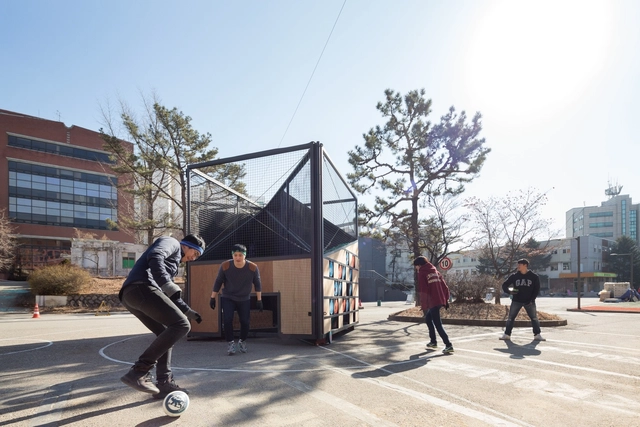
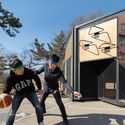
Undefined Playground / B.U.S Architecture

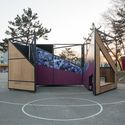
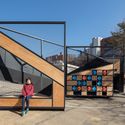

-
Architects: B.U.S Architecture
- Area: 14 m²
- Year: 2016
-
Professionals: Jeta Design Association
https://www.archdaily.com/787420/undefined-playground-bus-architectureCristobal Rojas
Poly ShowRoom / waa
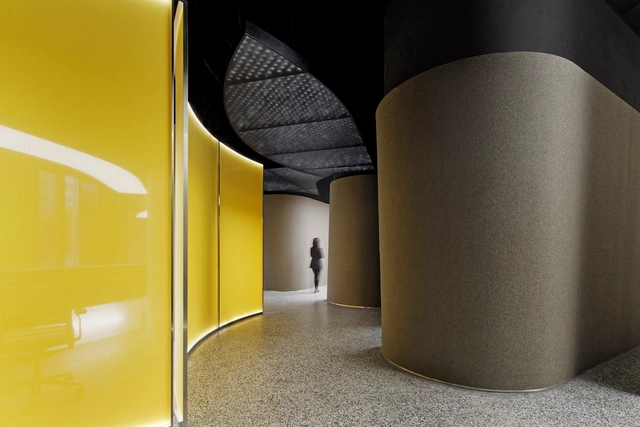
_for_web.jpg?1463126727 "© Hu Wenjie")
_for_web.jpg?1463126798 "© Hu Wenjie")
_for_web.jpg?1463127390 "© Hu Wenjie")


https://www.archdaily.com/787418/poly-showroom-waa-we-architech-anonymous杨奡
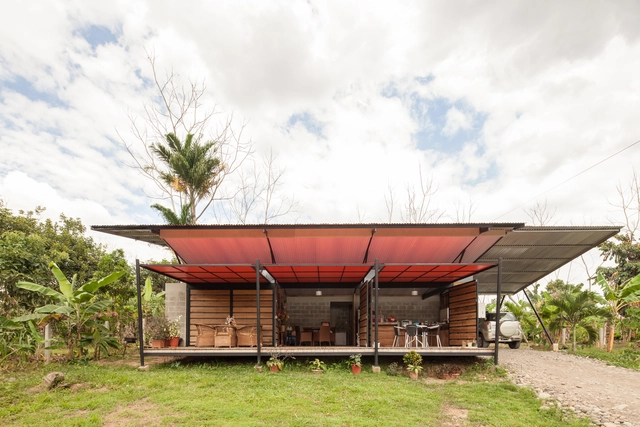

SCI-Arc’s Close-up Exhibit Explores the Potential of Digital Technologies on Architectural Detail
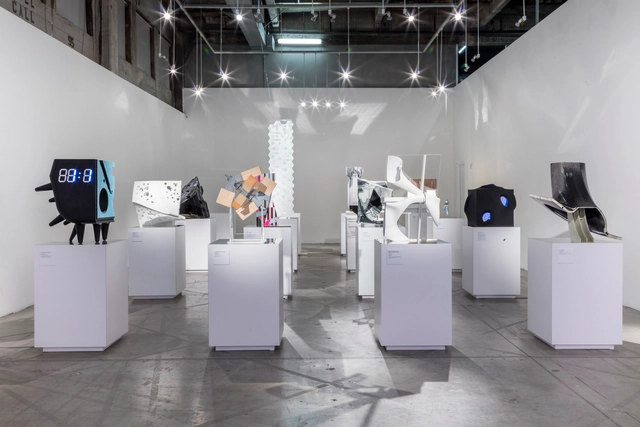
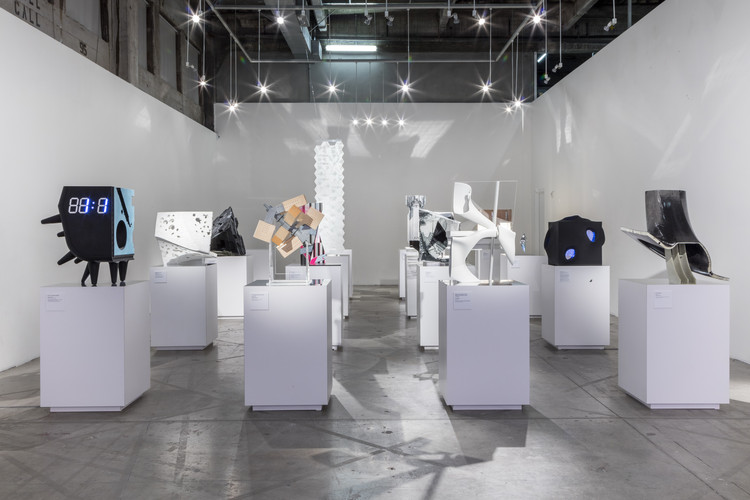
SCI-Arc’s “Close-up” exhibition is currently on display at the SCI-Arc gallery, featuring architectural details designed with the use of digital technology by top architects in the field. The exhibit, curated by Hernan Diaz Alonso and David Ruy, seeks to explore the impact of new computational tools not only on large-scale building analysis, but also on the “traditions of tectonic expression” associated with architectural detail.
“Out of the many critical shifts that the discipline has gone through in the last 25 years with the explosion of new technologies and digital means of production, the notion of the construction detail has been largely overlooked,” Diaz Alonso said. “This show attempts to shed light on the subject of tectonic details by employing a fluid and dynamic movement of zooming in and zooming out in the totality of the design.”
The 16 exhibitors include architecture firms like Morphosis, Gehry Partners and UN Studio – see preview images of them all after the break.


https://www.archdaily.com/786978/sci-arcs-close-up-exhibit-explores-the-potential-of-digital-technologies-on-architectural-detailEric Oh
The Architecture Foundation Masterclass

The Architecture Foundation is inviting applications to join a masterclass, which will be staged in the James Stirling-designed Florey Building at The Queen’s College, Oxford.
Six studios will consider the typology of the university, through the development of a speculative design over the course of four days (Thursday September 8th-Sunday September 11th). The studio leaders will present lectures over the course of the masterclass while the Drawing Matter Foundation will stage an exhibition drawn from its holdings of 1960’s architectural drawings. On the evening of September 12th, the studios will present their projects at a public event at London’s Barbican Arts Centre.
https://www.archdaily.com/787457/the-architecture-foundation-masterclassRene Submissions
AT Office / ITTUE



https://www.archdaily.com/786846/at-office-est-architectureDaniela Cardenas
Open Call: Tverskaya Streetscape Concept Design

Strelka KB announces the launch of an Open International Competition for Tverskaya Streetscape Concept Design. The design project covers Tverskaya Street (from Pushkinskaya Square to Triumfalnaya Square) and 1st Tverskaya-Yamskaya Street in Moscow. The competition is aimed to attract young and emerging architects for the projects on the renovation of urban territories as a part of “My Street” programme. The winner will be announced on the 7th of July 2016.
https://www.archdaily.com/787462/open-call-tverskaya-streetscape-concept-designRene Submissions
Call for Entries: Design a Sky Garden System for the Chong Qing Skyline

Competition Theme: Green – Eco - Future Building Systems and Lifestyle
The design intent is to create a system/network of eco-green elevated sky gardens within a soon to be realised super high-rise residential complex, with the aim of drastically improving the living environment and lifestyle of urban dwellers. This competition seeks young architects worldwide to provide innovative ideas to break the existing typology of the super high-rise and isolated lifestyles associated with high density urban living.
https://www.archdaily.com/787325/call-for-entries-design-a-sky-garden-system-for-the-chong-qing-skyline杨奡
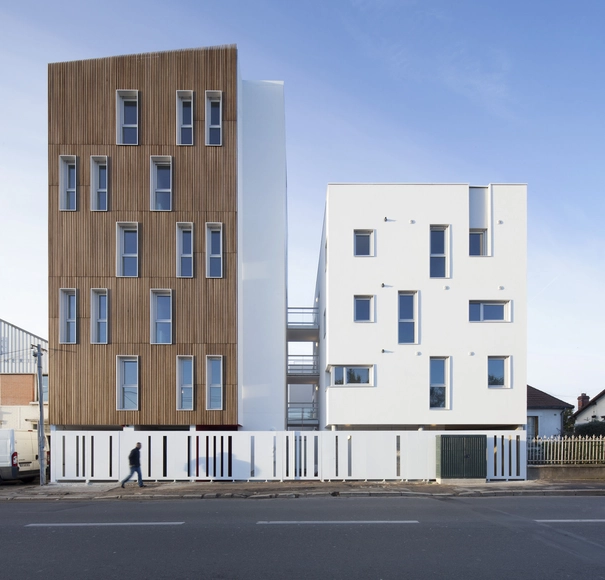
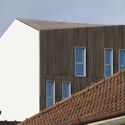
16 Social Housing Units / Atelier Gemaile Rechak


-
Architects: Atelier Gemaile Rechak
- Area: 1250 m²
- Year: 2016
-
Professionals: ETB Antonelli, PAYSARCHITECTURES, CEBAT ingénierie, Loizillon Ingenierie
https://www.archdaily.com/787386/16-social-housing-units-atelier-gemaile-rechakDiego Hernández
Temple in Stone and Light / SpaceMatters
.jpg?1462579433&format=webp&width=640&height=580)
.jpg?1462579542 "SpaceMatters. Image © Akash Kumar Das")
.jpg?1462579485 "SpaceMatters. Image © Akash Kumar Das")
.jpg?1462579988 "SpaceMatters. Image © Akash Kumar Das")
.jpg?1462580213 "SpaceMatters. Image © Akash Kumar Das")
.jpg?1462579433)
-
Architects: SpaceMatters
- Area: 4360 m²
- Year: 2016
-
Professionals: RWPL - Civil Works Department, Design Roots, Ace Designs
https://www.archdaily.com/786983/temple-in-stone-and-light-spacemattersDaniela Cardenas
Structures of Spontaneous Architecture in the Favelas of Rio de Janeiro by Patricia Parinejad
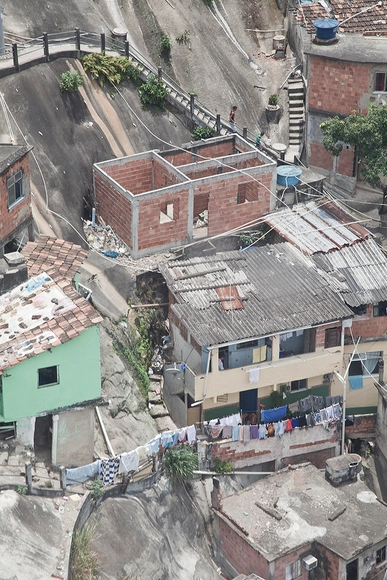
FAVELAS, named after the Brazilian creeping plant ’favela’ have existed in Brazil since the late 19th century. Wretched areas of closely packed dwellings were planted in the cities, on the outskirts of the cities, and continued to spread rampantly, growing out of all control. The problem became worse around 1950 when the industrialization of Brazil led to mass migration from rural areas to the big cities. At first the municipal administration tried to resolve this problem by building social housing. Some of the favelas were bulldozed and their inhabitants were forced to resettle elsewhere. But areas of informal settlements have continued to grow. According to the Secretaria Municipal de Habitação the slum’s residents are already 22% of the population in Rio.
Today, a billion people across the world live in slums. There were 40 million more slum dwellers worldwide in 2012 than there were in 2010, according to the UN. By 2030 this number will have doubled.
https://www.archdaily.com/787375/structures-of-spontaneous-architecture-in-the-favelas-of-rio-de-janeiroPatricia Parinejad
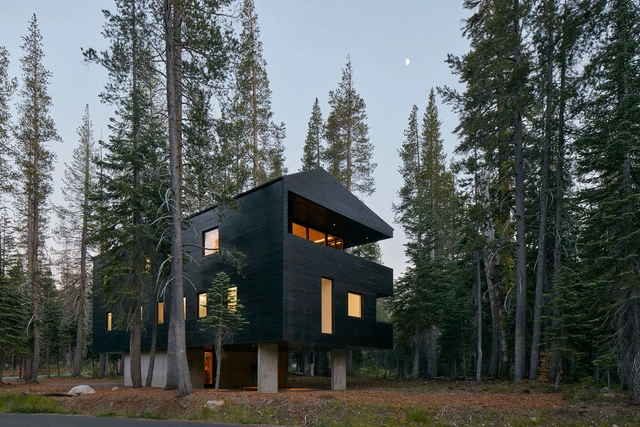
Troll Hus / Mork-Ulnes Architects
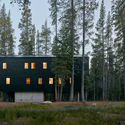
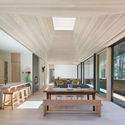
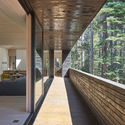

-
Architects: Mork-Ulnes Architects
- Area: 17500 ft²
- Year: 2016
https://www.archdaily.com/787360/troll-hus-mork-ulnes-architectsDiego Hernández
Olympic Youth Arena / Vigliecca & Associados
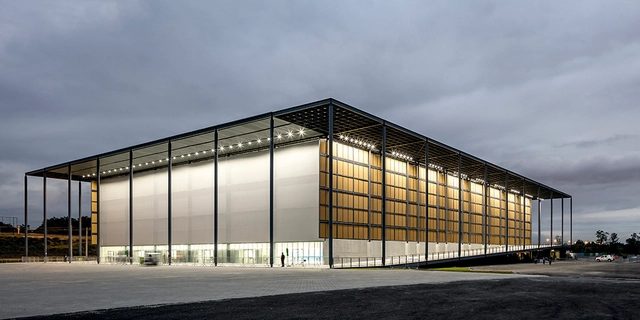


-
Architects: Vigliecca & Associados
- Area: 14300 m²
- Year: 2016
https://www.archdaily.com/787298/olympic-youth-arena-vigliecca-and-associadosVictor Delaqua
New Mechanics Hall - ME Building / Dominique Perrault Architecture


-
Architects: Dominique Perrault Architecture
- Area: 223000 m²
- Year: 2016
-
Manufacturers: GKD Metal Fabrics
-
Professionals: Gaëlle Lauriot-Prévost, PREFACE SARL, Betica SA, Daniel Willi SA, DSILENCE SA, +1
https://www.archdaily.com/787260/new-mechanics-hall-me-building-dominique-perrault-architectureFernanda Castro
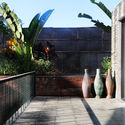
Origami House / Alexis Dornier
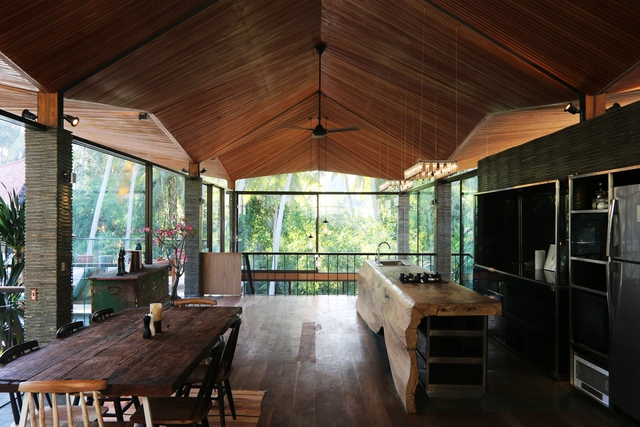

-
Architects: Alexis Dornier
- Area: 450 m²
- Year: 2016
-
Professionals: Surya Kembar Properti
https://www.archdaily.com/786982/origami-house-alexis-dornierDaniela Cardenas