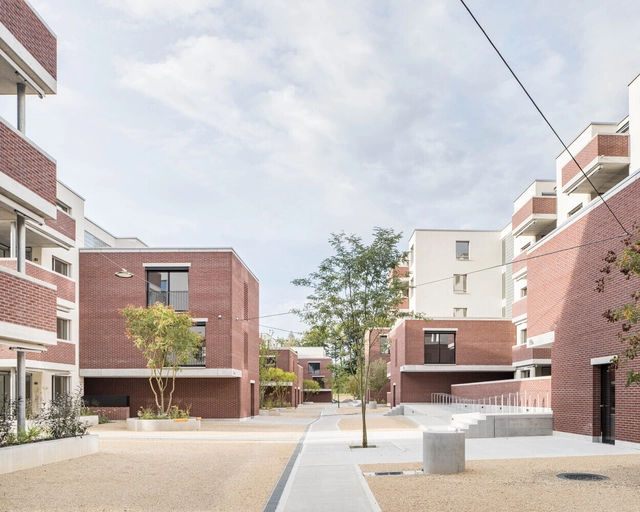
For the past three decades, YIMBYs and NIMBYs have been fighting pitched battles across the U.S. for the heart and soul of future development, but the housing crisis has only grown worse, especially since the crash of 2008, which changed so many things on the supply side.
This was followed a dozen years later by 2020, the strangest year of our lifetimes, which made those supply-side challenges even more pronounced. The roots of the problem, however, go back further than that, with mistakes made as long as 75 years ago now being repeated by completely new generations. Failure to understand those errors—and even why they are errors and not good practice—will perpetuate and exacerbate today’s crisis into future generations.
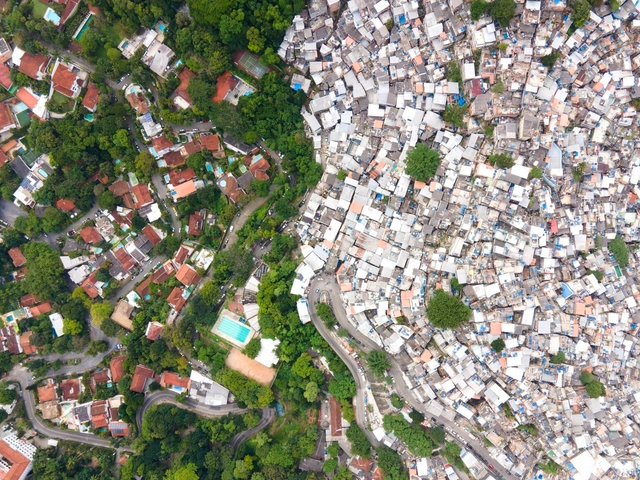
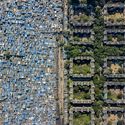
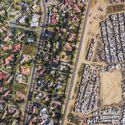
Cities frequently have an unequal presence and distribution of green spaces, and their residents do not use and enjoy them in the same way. Aerial views of various urban areas show that the color green appears to be more prominent and concentrated in economically valuable locations, illustrative of the complicated and multifaceted relationship between vegetation and wealth concentration in urban environments. This relationship, which has been the focus of discussion and contemplation on a global scale, is crucial to understanding how socioeconomic differences materialize geographically and impact urban residents' quality of life.
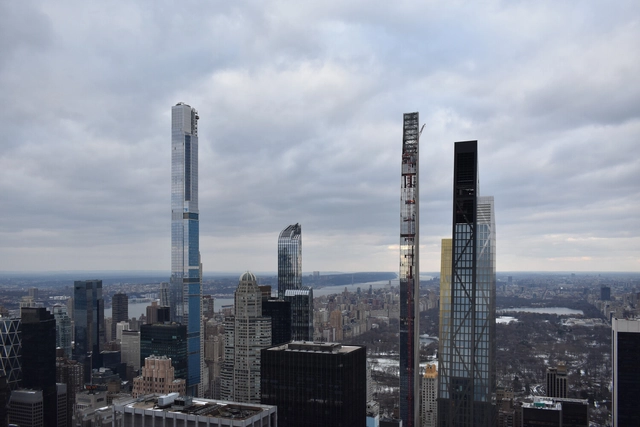
What we build can be metaphoric—often intentionally, sometimes subliminally. But architecture is seldom the intentional commentary of architects, crafting symbolism; more often it is a direct reflection of its time and the culture that made it.
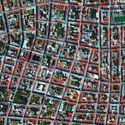
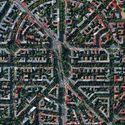
Urban blocks can be defined as the space within the street pattern of a city that is subdivided into land lots for the construction of buildings. This morphological element has been shaped according to the current views on urban design and its expectations over the centuries. It may consist of a single building structure or an area with several buildings that vary in size, detached structures surrounded by nature, or intricate labyrinths. Regardless of the composition, an urban block is the basic unit of a city's urban fabric and plays an important role in mediating between the public and private spheres.
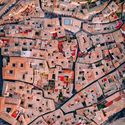
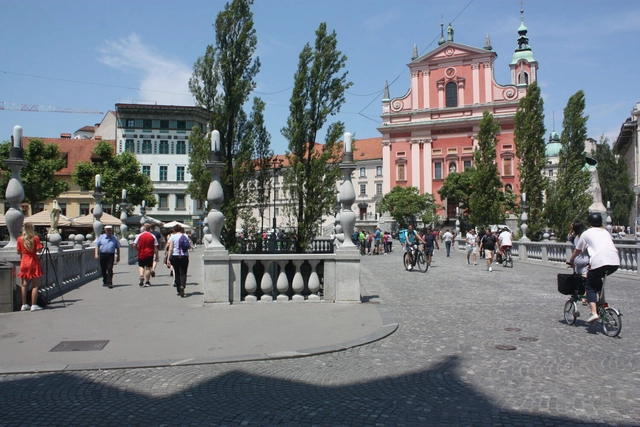
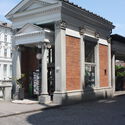
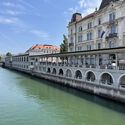
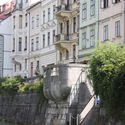
Recently I traveled to Ljubljana, Slovenia, in search of the religious architecture of the celebrated (but largely unknown in the U.S.) Slovenian architect Jože Plečnik (1872–1957). I write a lot about the architecture of spirituality, and I was curious about Plečnik’s churches and chapels—what the architect’s idiosyncratic form of classicism said about faith in a Modern age. What I didn’t expect to find was the universal nature of Plečnik’s work as an urbanist: a re-maker of the Slovenian capital that holds lessons for us today.
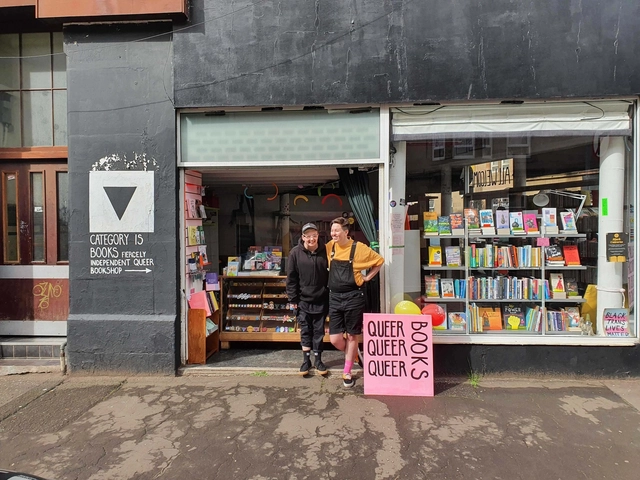
As we explore social practices that challenge the dominant model in architecture, we have come to recognize the significance of addressing issues related to identity, gender, race, and sexual orientation within the realm of spatial design. By considering these dimensions, we aim to highlight how the built environment can foster new ways of envisioning society and shaping our relationship with the world around us. To provide valuable insights, we have curated a bibliography that showcases the perspectives and experiences of individuals who defy the norms dictated by a universalizing approach. This collection of 20 books offers diverse narratives that invite us to perceive, imagine, and experience space through an LGBTQIA+ lens.
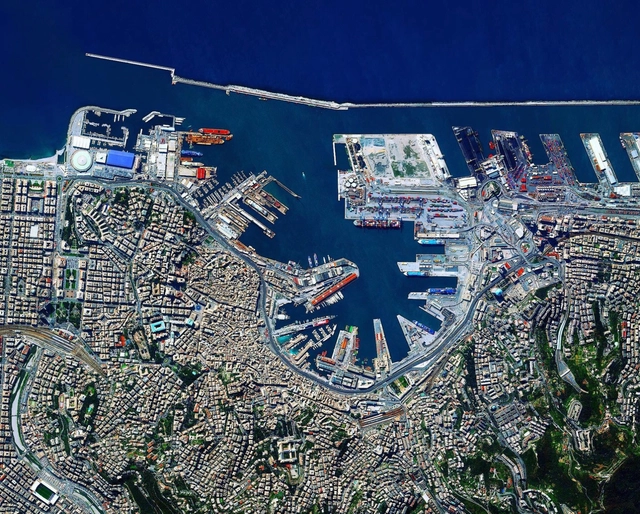
Genoa, Italy. Created by @dailyoverview. Image source: @maxartechnologies
The installation of commercial ports in various locations around the world, especially at the beginning of what we now call globalization, was a preponderant and structuring factor for the foundation of numerous cities. Thus, discussing the relationship between certain cities and their ports is also discussing their history, formation, and development over time, as these areas played a fundamental role in the growth of trade, the economy, and inevitably urban life, making these cities vital and strategic centers of cultural, commercial, and social exchange.
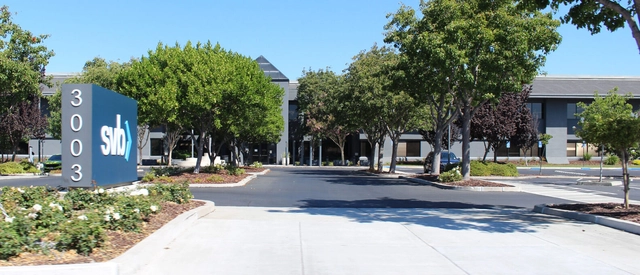
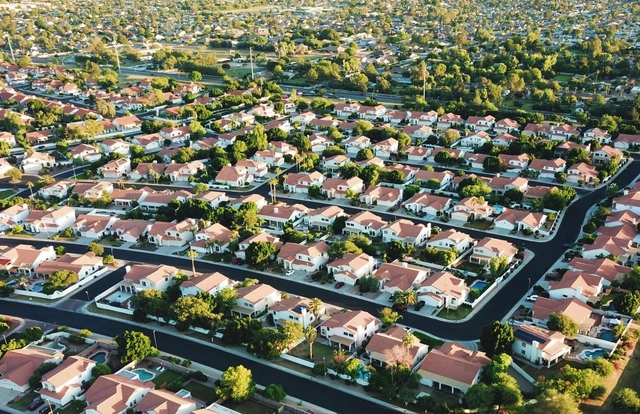
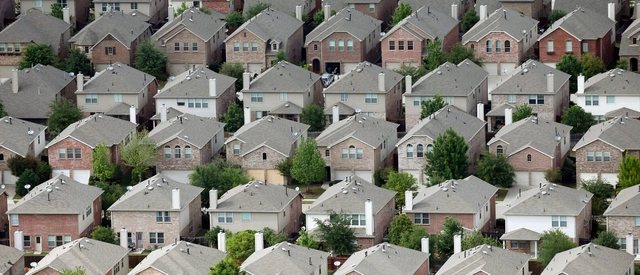
One of the principles of comedy is that you “punch up.” If you have to make fun of someone or something, make sure it’s more prominent than you, and deserving. You can’t get much higher than Santa Clara, California, and you can’t get much more deserving. Santa Clara is, arguably, the city at the heart of Silicon Valley, a globally famous urban region that is so ill-defined as to deny its own existence. Those ranch houses and corporate headquarters represent a distinctly 21st-century brand of power. And a distinctly 20th-century brand of urbanism.
Acquiring real estate through cryptocurrencies, such as Bitcoin (BTC), Ethereum (ETH), and Binance Coin (BNB), is already a reality in many countries, including the United States, England, and Brazil. With the rise of this market and the increasing acceptance of these assets as a legitimate form of payment, investors and buyers are exploring new possibilities for transactions with cryptocurrencies, including the real estate sector.
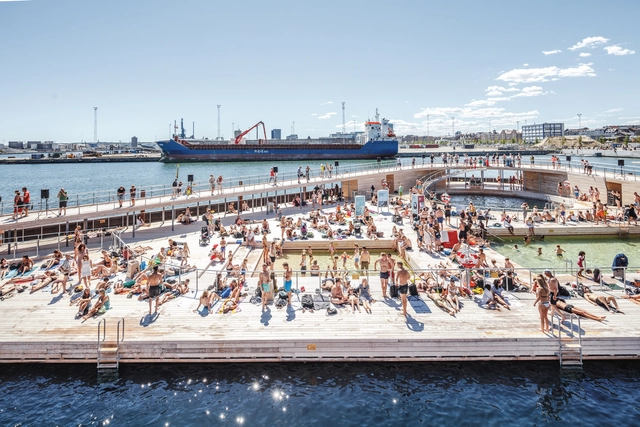
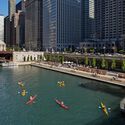
The redevelopment of maritime and riverfront areas is a crucial element in the transformation of many urban areas, providing a series of significant benefits for cities and their inhabitants. The presence of water, whether in rivers, lakes or seas, has historically played a fundamental role in the formation and development of many cities, intimately related to their dynamics. This relationship has changed and presented itself in different ways over time, and these spaces have often been neglected in numerous ways, particularly by a certain type of urban planning that disregarded their potential in favor of other imperatives, such as road transport and industrial equipment.
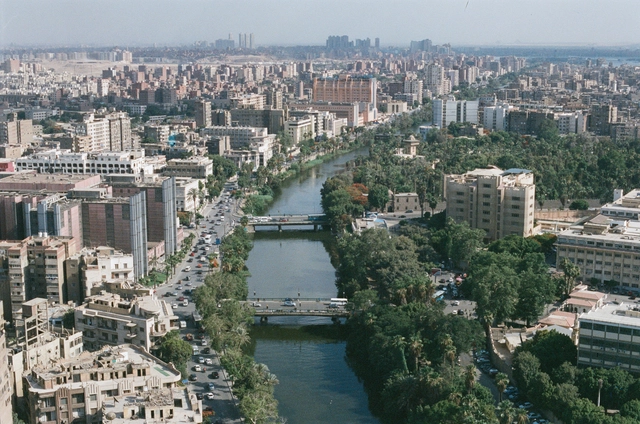
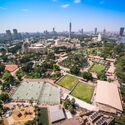
In the center of Cairo, The Nile River, one of the world's most iconic waterways, has shaped the course of civilization for thousands of years. Serving as a vibrant lifeline, connecting neighborhoods, and providing a bustling hub for transportation, the Nile River is an essential natural resource for arid Cairo. Throughout the country’s history, it has often been regarded as the source of life in fertility in its annual flooding, bringing richness to the surrounding lands. Interestingly, this year's edition of La Biennale di Venezia, the Pavilion of Egypt "NiLab" focused on exploring this layered water source and unfolding its effects on the built environment.
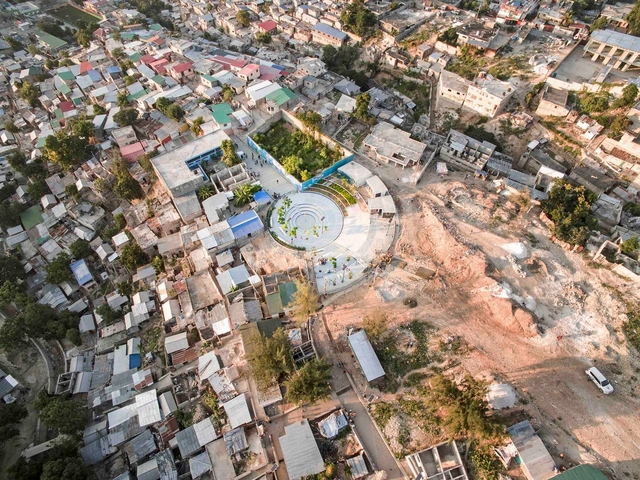
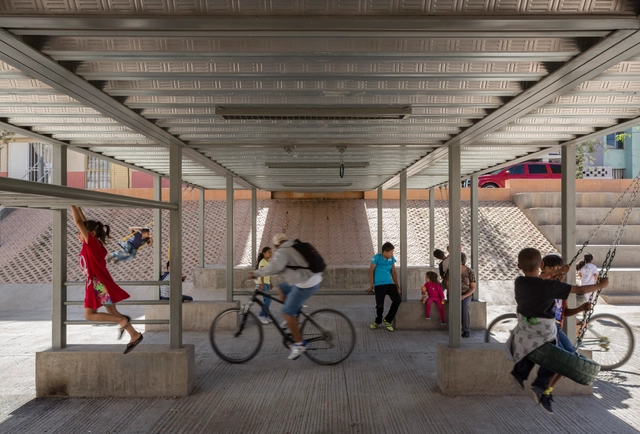
Architecture reconciles the sense of belonging and dignity of space. In addition to designing residential or cultural facilities, addressing public space in communities that inhabit vulnerable areas is also urgent and necessary to provide a dignified infrastructure that provides quality of life for the population. Therefore, we have gathered seven interventions in marginalized territories that show the potential for transformation from the space itself.
February 20th marks a new edition of the World Day of Social Justice. The theme, "Overcoming barriers and unlocking opportunities", is a perfect occasion to reflect on the importance of equity in all areas of society - and especially from architecture and urbanism. And yes: they both have a fundamental role in building accessible cities and are important tools for addressing the challenges of economic inequality and social exclusion.
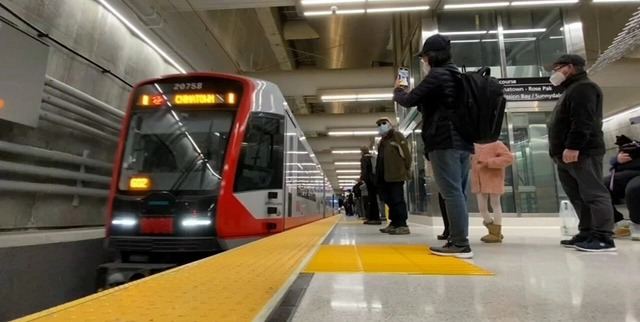
When San Francisco’s MUNI spent big money on a “central subway” to Chinatown, I was doubtful. One recent Saturday, though, I revived the gallery-hopping I did before the pandemic, taking the train from Berkeley into the city, walking to one gallery near Embarcadero Station, then taking a tram past the ballpark to the CalTrain Station, where I switched to another tram to head south to Minnesota Street’s Dogpatch cluster of galleries and artists’ studios.
https://www.archdaily.com/1001256/consider-the-15-mph-cityJohn J. Parman
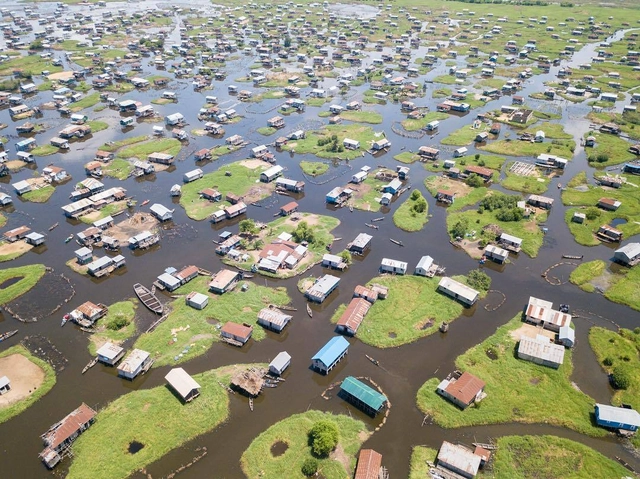
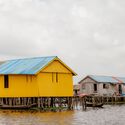
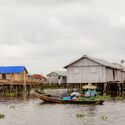
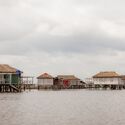
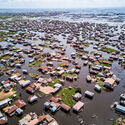
Located in the southern part of Benin-Republic, near the port city of Cotonou, is Ganvie; the largest floating village in Africa. It is situated in the middle of Lake Nokoué and is characterized by colorful wooden stilt houses arranged around artificial islands dating back to the 17th century.
This unique architecture was born from the history of the Tofinu tribe, who built it as a refuge from the slave trade. It has been sustained over time by their communal socio-ecological aquacultural systems and has now become a global tourist attraction for the country. The village was recognized as a world cultural heritage site by UNESCO in 1996, attracting up to 10,000 visitors annually. However, this influx of tourists has impacted the locals and their socio-ecological practices that sustain this water environment. Aquaculture has become increasingly challenging to maintain as the village struggles to retain its economic foundation. Additionally, traditional building practices have given way to modern ones, and the village faces ongoing environmental challenges. Nevertheless, the unique lifestyle of the locals around the water still offers many lessons for the design of prospective floating cities.
Ice caps are rapidly receding; one of America’s two political parties is actively undermining federal authority; despite new materials and additive manufacturing, most houses constructed today are built much as they were several generations ago; the pathological suburbanization of the nation continues unabated. In the face of this and more, it seems, “the center cannot hold.” Such were several of the issues that prompted Keith Krumwiede, a soon-to-be fellow at the American Academy in Rome (AAR) at the time, to argue in 2017 that if a single detached house for every family is at the core of “The American Dream,” then we need a new dream.
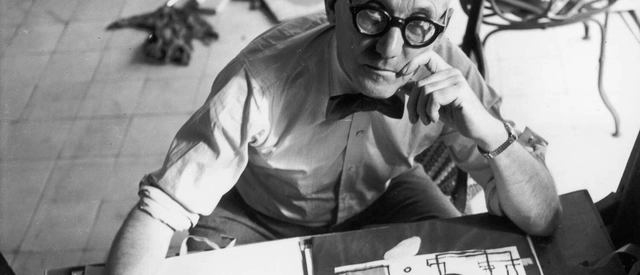
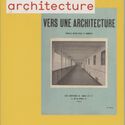
This year marks the centennial of the first edition of Vers Une Architecture, Le Corbusier’s epoch-making book. Though a new English translation appeared in 2007 to much acclaim, most other practicing architects read the first English edition that appeared in 1928, entitled Towards a New Architecture. Comparing the three editions is instructive, particularly in one crucial respect: the insertion of the word “new” in the title. The book wasn’t really about new architecture, because very little of it showed buildings in the International Style. Instead, it was in many respects a clever diatribe intended to convince Europeans that they had no choice but to renounce every kind of architecture that had been built before the Great War and begin anew. It was remarkably successful in fulfilling that aim.
https://www.archdaily.com/1000499/away-from-old-architecture-what-le-corbusier-really-meantMark Alan Hewitt
The city block is a typically urban element that, historically, has appeared in different forms and designs, structurally shaping city planning guidelines. When observing urban fabrics in cities such as Barcelona, Paris and Copenhagen, one can see significant variation between block models. This defines their landscapes and dynamics in countless ways. Style and format alterations, volumetric changes in the relationship between full and empty spaces, and modifications in connections to the surroundings are some examples of typological particularities that differentiate them. Blocks, therefore, are often emblematic and representative not only of certain urban planning models developed throughout history but also of their cities.